Executive Overview
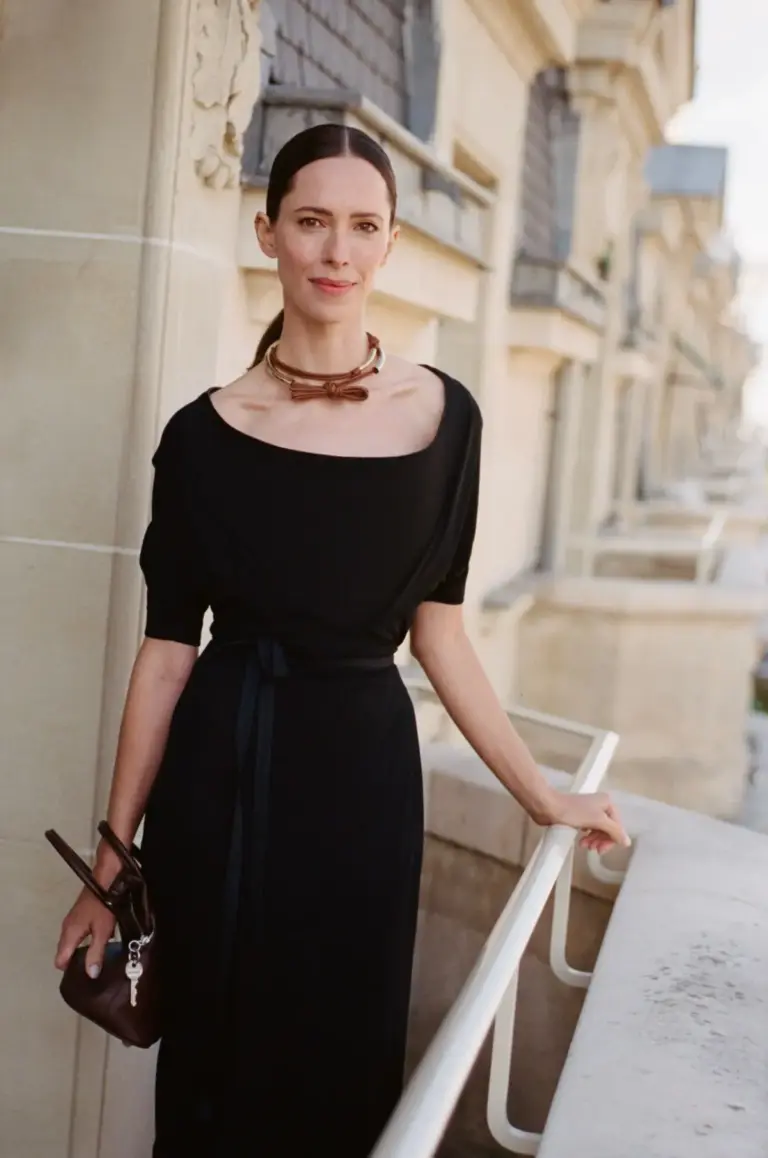
Few garments in the history of modern fashion command the universal reverence, utility, and timeless appeal of the Little Black Dress (LBD). While fleeting micro-trends emerge and fade with the changing of the calendar, the LBD continues to anchor both haute couture runways and everyday wardrobes alike. Far from being restricted to evening wear or sombre winter affairs, today’s LBD has transcended rigid seasonal categorisation. As the fashion industry shifts toward mindful consumption, capsule dressing, and maximum cost-per-wear utility, the LBD has firmly established itself as a 365-day staple.
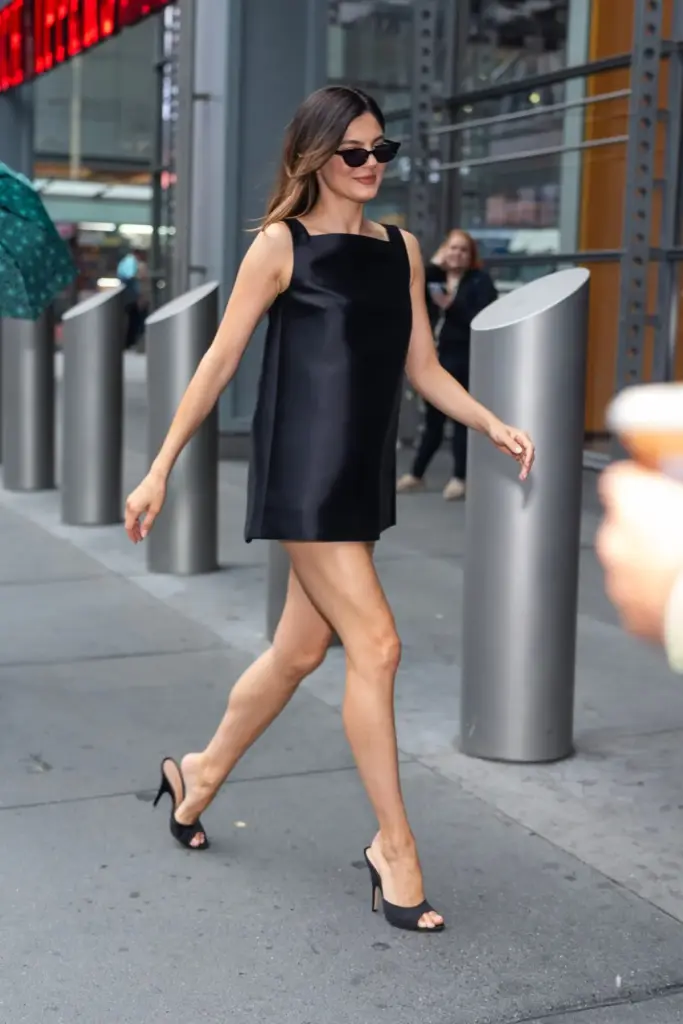
Recent high-profile celebrity sightings—from Alexa Chung pairing a high-neck satin style for an unconventional beach excursion to Dua Lipa navigating the bustling streets of New York in a lace-trimmed cotton nightie-style slip—demonstrate the silhouette’s incredible versatility. Supported by style icons such as Zoe Kravitz, Monica Barbaro, Kaia Gerber, and Charli XCX, the LBD proves that minimalism and personal expression are not mutually exclusive. This report investigates the cultural, economic, and practical endurance of the LBD, exploring how this blank canvas adapts effortlessly from the height of summer heatwaves to crisp autumn breezes.
Detailed Chronology: The Evolution of the LBD Through the Seasons
To understand the contemporary dominance of the LBD, one must examine how it successfully transitions across the calendar year without losing its structural integrity or aesthetic impact.
Summer: The Season of Effortless Minimalism
During the warmer months, the LBD offers an antidote to the chaotic, hyper-coloured trend cycles that often dominate summer collections. Rather than battling the heat with heavy layering, a summer-ready LBD relies on lightweight fabrication—think breathable cottons, fluid satins, and delicate technical fabrics.

- The Silhouette Spectrum: Wardrobe rotations currently feature everything from satin, lace-trimmed skater dresses (such as those from M&S) and cargo-style swing dresses with oversized pockets (courtesy of Damson Madder) to halterneck rah-rah dresses (Peachy Den) and vintage 1990s cotton numbers complete with spaghetti straps and subtle button detailing.
- The Celebrity Blueprint: Earlier this season, style architect Alexa Chung swapped her signature whimsical bohemian pieces for a draped, high-neck satin LBD during a coastal trip. As fashion commentators noted, the genius of the LBD lies in its psychological trickery: it projects an air of immaculate effort while reducing morning decision fatigue to a simple choice of mini, midi, or maxi.
Autumn and Winter: The Art of Tactical Layering
When temperatures drop, the LBD avoids early retirement, transforming instead through strategic layering and textural juxtaposition. The canvas quality of the garment allows it to absorb heavy autumnal outerwear and accessories seamlessly.
- The Transition Toolkit: As autumn sets in, styling an LBD involves practical yet chic interventions. Layering a sheer, second-skin mesh top or a fine striped long-sleeve underneath instantly alters the dress’s dimensional profile. Piling on oversized knitwear, chunky cardigans, or throwing over a cropped trench or a structured funnel-neck leather jacket grounds the look.
- Footwear and Foundation: The transition is completed with opaque or patterned tights, grounded by classic loafers or dramatic knee-high boots, proving that the LBD is just as formidable in freezing weather as it is under the July sun.
Supporting Context & Metrics: The Economics of Capsule Dressing
The enduring popularity of the LBD is not merely a stylistic preference; it is heavily backed by consumer behavior shifts and retail data favoring longevity and sustainability.
The Rise of High Cost-Per-Wear
In an era marked by economic uncertainty and heightened awareness of textile waste, consumers are increasingly auditing their purchases. The LBD ranks near the top of retail indexes for cost-per-wear efficiency. Unlike trend-led neon pieces or hyper-specific seasonal prints that enjoy a brief, viral window on social media platforms before becoming obsolete, a well-tailored black dress serves as a perpetual investment.
| Season | Preferred LBD Fabrication | Key Styling Additions | Footwear Pairings |
|---|---|---|---|
| Summer | Cotton poplin, satin, technical jersey, spaghetti-strap cotton | Minimalist gold jewelry, woven totes, bare legs | Strappy sandals, mules, ballet flats |
| Autumn/Winter | Heavy wool-blends, structured jersey, lace-trimmed slips | Sheer under-layers, chunky knits, cropped leather jackets | Opaque tights, loafers, knee-high boots |
The Retail Landscape: From Mass Market to Luxury
Retailers across all price brackets continue to report steady, year-round demand for black dresses. From accessible high-street staples—such as Norma Kamali’s universally flattering ruched stretch-jersey minidresses—to delicate loungewear-inspired pieces like Cou Cou Intimates’ Cami Slip, the market reflects a diverse appetite for simplicity. Consumers are no longer searching for "occasion wear" exclusively; they are seeking "wear-anywhere" garments that bridge the gap between casual daytime errands and evening engagements.

Official Statements and Industry Insights
Fashion editors, stylists, and celebrity tastemakers consistently validate the LBD as the ultimate sartorial anchor.
- The Vogue Perspective: Industry analysts at Vogue have frequently underscored the psychological relief provided by the LBD. As noted in recent editorial coverage regarding modern capsule dressing, "The little black dress gives the impression you’ve made an effort when really you’ve just limited your morning decision-making to the question of mini, midi or maxi." This sentiment resonates deeply with modern professionals and creatives alike, who value efficiency alongside aesthetic excellence.
- The Celebrity Endorsement: The diversity of style icons championing the LBD highlights its adaptability. Whether it is Kaia Gerber’s sleek New York street style, Zoe Kravitz’s pared-back minimalist approach, or Charli XCX’s slightly undone, bohemian interpretations, the consensus is clear: black is never boring; it is a canvas. Designers view the LBD as a masterclass in proportion and silhouette, where the absence of color forces an absolute focus on cut, drape, and tailoring.
Future Outlook: The Indestructible Future of the LBD
Looking ahead, the trajectory of the Little Black Dress points toward even greater integration into sustainable and circular fashion models. As tech-driven fabrics evolve to offer thermal regulation—keeping wearers cool in summer and warm in winter—the seasonal boundaries of clothing will continue to dissolve.
- The Circular Wardrobe: Sustainability initiatives increasingly point toward the LBD as a prime candidate for rental platforms, vintage curation, and thrift markets. Because the color black resists visible wear and tear better than lighter hues, vintage LBDs from the 1990s and Y2K eras are currently experiencing a massive renaissance among Gen Z consumers.
- Innovative Silhouettes: While traditional slip dresses and structured cocktail numbers will always retain their charm, future iterations of the LBD are expected to incorporate modular elements—detachable sleeves, reversible necklines, and convertible hemlines—that maximize its chameleon-like properties even further.
Ultimately, the Little Black Dress remains fashion’s most reliable insurance policy. It survives every economic climate, transcends every micro-trend, and adapts to every personal aesthetic. Whether styled down with a simple pair of canvas sneakers for a morning market run or layered under heavy leather and chunky knits for an autumn evening out, the LBD proves that true elegance lies in simplicity.