Executive Overview
For decades, the fragrance family of citrus occupied a very specific, utilitarian corner of the global perfumery market. Traditional associations linked bright, zesty notes of lemon, bergamot, and orange to morning freshness, post-workout refreshment, or, less flatteringly, industrial cleaning agents and household multi-surface sprays. To many consumers, citrus was a fleeting top note—an energetic, volatile flash in the pan that burned off within minutes, quickly giving way to heavier florals, woods, or musks.
However, contemporary high-end perfumery has radically subverted this narrative. Today, citrus perfumes stand as a masterclass in nuance, offering an olfactory middle ground that bridges the gap between cloyingly sweet fruity compositions and stark, minimalist "clean" scents. As modern noses evolve, demand has surged for fragrances that balance an awakening, sparkling bite with profound depth, warmth, and sensuality.
According to leading industry voices—including Delphine Jelk, perfume creation director and perfumer at Guerlain—the architectural philosophy of citrus has transformed entirely. No longer viewed as a linear burst of juice, modern citrus formulations exploit the complex chemistry of fruit zests, peels, and unexpected botanical pairings. By marrying bright, crisp top notes with herbaceous greens, aromatic spices, and deep, ambery, musky bases, master perfumers are creating fragrances with astonishing longevity, emotional resonance, and sophisticated range. This comprehensive report explores the shifting landscape of citrus perfumery, dissects the technical distinctions between fruity and citrus families, examines industry methodologies, and showcases the definitive citrus fragrances shaping the market today.
Detailed Chronology: From Eau de Cologne to Modern Masterpieces
To understand how citrus achieved its current status of haute-perfumery prestige, one must trace its historical trajectory through the annals of scent creation. The journey of citrus in fragrance is not a recent invention, but rather a continuous evolution marked by structural refinement and chemical innovation.
The 18th and 19th Centuries: The Genesis of Colonia
The earliest formalized citrus fragrances trace back to the formulation of Eau de Cologne in 18th-century Europe. Concocted primarily as refreshing, medicinal, and hygiene-boosting splashes, these early waters combined volatile citrus oils—such as lemon, bergamot, and orange blossom—with herbal rosemary and lavender. These compositions were celebrated for their invigorating properties, worn by royalty and aristocracy alike. However, their physical makeup was inherently unstable; the extraction techniques of the era could not anchor volatile citrus molecules, resulting in scents that evaporated almost as soon as they touched the skin.
The Mid-20th Century: The Rise of Italian Craftsmanship
By the early-to-mid 20th century, houses like Acqua di Parma began standardizing Italian craftsmanship, capturing the golden sunlight of the Mediterranean in iconic formulations like Colonia. These scents established a timeless blueprint: sparkling, sun-drenched citrus balanced against aromatic and earthy bases. Yet, they remained firmly rooted in the tradition of traditional colognes—refreshing, uplifting, but brief in their projection and longevity.
The Late 20th Century: Synthetics and the Clean Revolution
The advent of modern organic chemistry in the latter half of the 20th century introduced synthetic molecules (such as hedione and various aldehyde structures) that allowed perfumers to stretch the lifespan of citrus accords. During the 1990s, the market was flooded with "aquatic" and "clean" fragrances that leveraged citrus to project an image of hyper-sanitized, effortless youth. While commercially successful, this wave reinforced the misconception that citrus lacked intellectual depth or emotional gravity.
The 21st Century: The Renaissance of Nuance
In recent years, niche and luxury houses have shattered traditional boundaries, reimagining citrus as a versatile, year-round medium. Perfumers have learned to harness the contrast between cold, sparkling zests and warm, sensual resins. Today’s citrus perfumes are multi-dimensional narratives. As highlighted by Vogue’s curated selections, contemporary master perfumers manipulate citrus to craft everything from spicy, leather-kissed desert odysseys to cozy, gourmand-adjacent skin scents and velvety florals.
Supporting Context & Metrics: The Anatomy of Scent Families
To appreciate why modern citrus perfumes command space in high-end vanity collections, it is vital to understand the rigid scientific and botanical distinctions that govern fragrance categorization.
Citrus vs. Fruity: Speaking Different Languages on the Skin
A common point of consumer confusion lies in the overlap between "fruity" and "citrus" perfumes. According to Eden Levy of The Fragrance Foundation, industry classification bodies maintain a strict division between these two olfactory territories.
- Fruity Perfumes: These compositions lean heavily on stone fruits (cherries, mangoes, peaches), crisp orchard fruits (apples, pears), lush melons, and various berries. Chemically and aesthetically, fruity perfumes are characterized by a sense of roundness, indulgence, and lushness. They frequently cross over into the gourmand territory, offering a sweet, syrupy, or jammy profile that hugs the skin with warmth.
- Citrus Perfumes: Conversely, citrus profiles are born from light, energy, and crispness. As Delphine Jelk notes, citrus notes are extracted primarily from the zests and peels of tart fruits rather than their sweet pulps. This distinction is crucial: while the pulp yields sugar and water, the peel yields essential oils rich in terpenes and aldehydes that deliver an immediate, sparkling bite and an instantaneous awakening of the senses.
Popular Citrus Notes in Modern Perfumery
The palette of the modern citrus perfumer extends far beyond standard table lemons and oranges. Industry standards rely on a diverse spectrum of botanical extracts:
- Bergamot: The undisputed aristocrat of citrus notes. Grown predominantly in the coastal region of Calabria, Italy, bergamot offers a complex balance of sparkling tartness, floral elegance, and subtle bitterness.
- Neroli and Petitgrain: Both derived from the bitter orange tree, neroli is distilled from the delicate white blossoms (offering a honeyed, floral-citrus hybrid), while petitgrain is pulled from the green twigs and leaves, injecting a sharp, verdant, woody-citrus facet.
- Mandarin and Clementine: These notes provide a juicy, sun-kissed sweetness that rounds out harsher, more acidic citrus top notes without crossing into heavy fruitiness.
- Grapefruit: Celebrated for its bracing, pink, slightly sulfurous tartness, grapefruit delivers an ultra-fresh, invigorating punch that invigorates minimalist compositions.
Botanical and Synthetic Synergy
Modern formulation is no longer constrained by nature alone. Perfumers employ headspace technology and advanced molecular distillation to isolate specific facets of a citrus fruit—stripping away unwanted fatty or bitter components while locking in the most vibrant, effervescent top notes. Furthermore, the integration of fixatives ensures that the fleeting nature of citrus is artificially propped up, allowing zesty openings to persist harmoniously into the heart and base of a fragrance.
Official Statements and Expert Perspectives
The renaissance of citrus perfumery is championed by the industry’s leading noses, whose insights shed light on the technical artistry required to construct these complex scents.
Delphine Jelk, Guerlain Perfume Creation Director and Perfumer:
"A fruity perfume and a citrus-forward perfume speak entirely different languages on the skin. A fruity fragrance is about lushness, roundness, and indulgence and often leans gourmand or soft. Citrus, on the other hand, is about light, energy, and crispness. Citrus notes come from the zests—the peel—so they offer an immediate, sparkling bite, an awakening of the senses."
Jelk also emphasizes the architectural versatility of citrus when building complex accords:
"Citrus marries beautifully with aromatic herbs like basil, mint, or thyme, which heightens its natural green facet. It can work just as well with unexpected pairings, such as spices. Woody, ambery, and musky bases create a gorgeous tension between a bright opening and a deep, sensual dry-down."
Eden Levy, The Fragrance Foundation:
"Fruity perfumes have identifiable scent ingredients that are sweeter, and many are referred to as stone fruits—think cherries and mangos. Citrus is best used to classify tart fruits such as oranges, lemons, bergamot, limes, and grapefruit."
Vogue’s Definitive Guide to the Best Citrus Perfumes
To help consumers navigate this expansive olfactory category, Vogue’s curation highlights how diverse citrus can truly be when paired with master craftsmanship. Here is a detailed breakdown of the standout bottles defining the market:
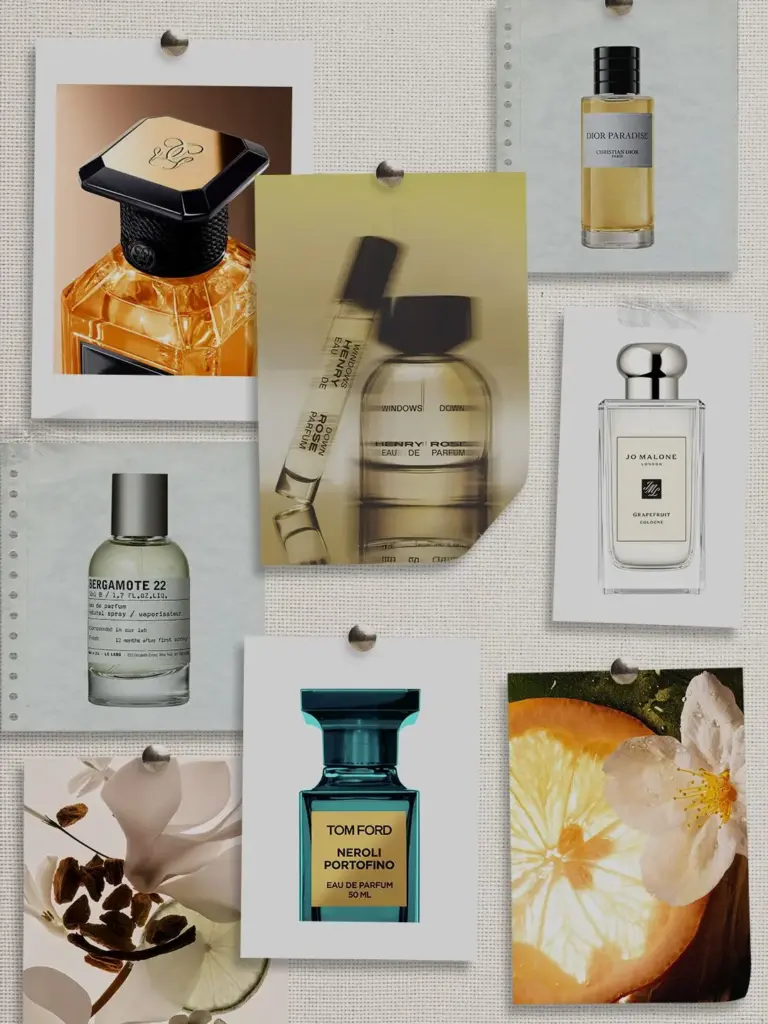
1. Best Fresh: Jo Malone London Grapefruit Cologne
- The Profile: An unapologetic celebration of untamed citrus brightness.
- Why It Works: This classic cologne pairs energetic pink grapefruit with a heart of mint, rosemary, and pimento, anchored by a clean, mossy base. It captures the crisp, bracing snap of fresh morning air and stands as the ultimate palate cleanser in any fragrance wardrobe.
2. Best Spicy Citrus: Guerlain Néroli Plein Sud Eau de Parfum
- The Profile: A sun-baked, exotic adventure across desert landscapes.
- Why It Works: Composed by Delphine Jelk as part of the L’Art & la Matière collection, this eau de parfum marries luminous, zesty neroli with fiery spices like cinnamon and ginger. It embodies the tension between a bright, sparkling takeoff and a rich, spicy, woody descent.
3. Best Earthy: Le Labo Bergamote 22 Eau de Parfum
- The Profile: Sophisticated, complex, and effortlessly chic.
- Why It Works: While built around the sparkling tartness of bergamot, Bergamote 22 quickly evolves into a complex symphony of vetiver, petitgrain, orange blossom, and warm amber. It subverts traditional citrus expectations by grounding its effervescence in deep, damp, earthy woods.
4. Best Bittersweet: Dior La Collection Privée Dior Paradise Eau de Parfum
- The Profile: An opulent, sun-drenched coastal retreat.
- Why It Works: Dior elevates citrus into high-fashion territory by exploring the bittersweet nuances of sun-ripened Mediterranean fruits. It offers a rich, layered projection that feels both invigorating and deeply sophisticated.
5. Best Citrus Floral: Chanel Chance Eau Tendre Eau de Parfum
- The Profile: A romantic, luminous dance between fruit peel and delicate petals.
- Why It Works: Chanel brilliantly pairs zesty quince and grapefruit accords with a romantic heart of jasmine and rose. The result is a luminous, uplifting floral-citrus hybrid that radiates refined femininity and grace.
6. Best Classic: Acqua di Parma Colonia Eau de Cologne
- The Profile: The undisputed godfather of Italian citrus elegance.
- Why It Works: Since 1916, this iconic composition has enchanted wearers with its sunny blend of Sicilian citrus fruits, lavender, rosemary, verbena, and damask rose. It remains the gold standard for timeless, sparkling sophistication.
7. Best Sparkling Citrus: Tom Ford Neroli Portofino Eau de Parfum
- The Profile: Pure Mediterranean luxury in a bottle.
- Why It Works: Capturing the cool breezes, sparkling clear water, and lush foliage of the Italian Riviera, this private blend combines crisp neroli, Tunisian orange blossom, and Italian bergamot with warm amber bases for an unmistakably radiant signature.
8. Best Citrus Skin Scent: Phlur Missing Person Eau de Parfum (Solar Power Variant)
- The Profile: Intimate, comforting, and skin-melding.
- Why It Works: Proving that citrus can be soft and sensual, this formulation blends sparkling top notes with warm, skin-like musks and floral nuances. It creates an aura that feels less like a traditional perfume and more like a natural extension of warm skin.
9. Best Unique: Henry Rose Windows Down Eau de Parfum
- The Profile: Crisp, transparent, and effortlessly modern.
- Why It Works: Developed with a commitment to ingredient transparency, Windows Down juxtaposes zesty bergamot and grapefruit with delicate night-blooming jasmine and crisp greens. It captures the feeling of freedom and open-air momentum.
10. Best Citrus Gourmand: Nette Lemon Puff Eau de Parfum
- The Profile: A delectable, mouth-watering treat.
- Why It Works: Bridging the gap between tart citrus zest and cozy indulgence, Lemon Puff wraps bright lemon notes in soft, airy, pastry-like warmth. It proves that citrus can successfully inhabit the decadent world of gourmand perfumery without losing its sparkling identity.
Future Outlook: Where Citrus Perfumery is Heading
As the fragrance industry looks toward the horizon, the trajectory of citrus perfumery points toward sustained innovation, green chemistry, and hyper-personalization.
1. Sustainable Extraction and Green Chemistry
With climate change threatening traditional citrus-growing regions (such as the citrus greening disease affecting crops in Florida and parts of the Mediterranean), perfumers are increasingly turning to biotechnology and upcycled ingredients. Extracting aroma molecules from discarded citrus peel waste in the juice industry allows houses to produce sustainable, eco-conscious oils without placing additional strain on agricultural resources. Furthermore, green chemistry enables the synthesis of bio-identical citrus notes that reduce environmental footprints while maintaining pristine olfactory fidelity.
2. Extended Longevity Through Molecular Engineering
The historic Achilles’ heel of citrus—its rapid evaporation rate—is rapidly becoming a relic of the past. Advances in encapsulation technology and slow-release base matrices are allowing perfumers to anchor volatile citrus terpenes to the skin for hours on end. In the coming years, consumers can expect to see "long-wear" citrus profiles that maintain their sparkling, zesty morning top note well into the evening hours without mutating into heavy or sour residues.
3. Gender-Fluid and Boundary-Breaking Compositions
Historically pigeonholed as either hyper-masculine (in the realm of traditional aftershaves and colognes) or stereotypically youthful and bright, citrus is shedding gender binaries entirely. Modern consumers embrace citrus as a gender-neutral canvas. By pairing zesty notes with heavy woods, animalic musks, rich resins, and dark spices, contemporary perfumers are crafting mysterious, sultry, and avant-garde scents that defy traditional categorization.
Conclusion
The modern evolution of citrus perfumery is a testament to the fact that simplicity in raw materials often demands the highest level of artistic complexity. By moving beyond the simplistic notion of a fleeting splash of juice, contemporary perfumers have transformed citrus into a sophisticated, nuanced, and endlessly versatile medium. Whether you seek the bracing freshness of a morning coastal breeze, the cozy embrace of a citrus-kissed skin scent, or the dark, mysterious tension of a spicy desert neroli, the modern range of citrus perfumes proves that there is truly a zesty masterpiece for every skin, every season, and every state of mind.