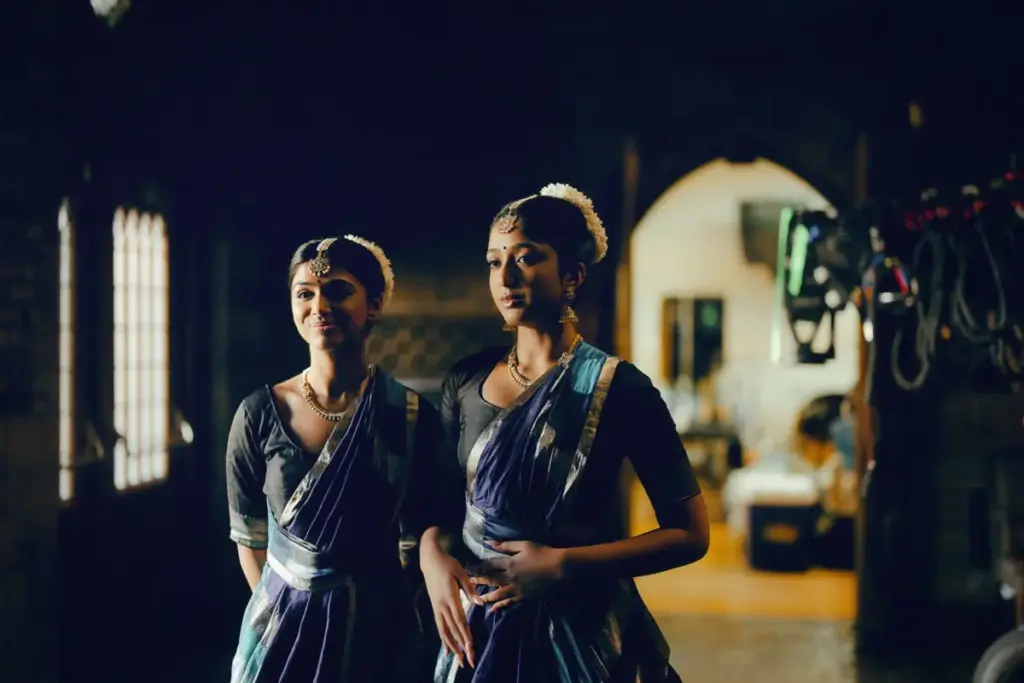
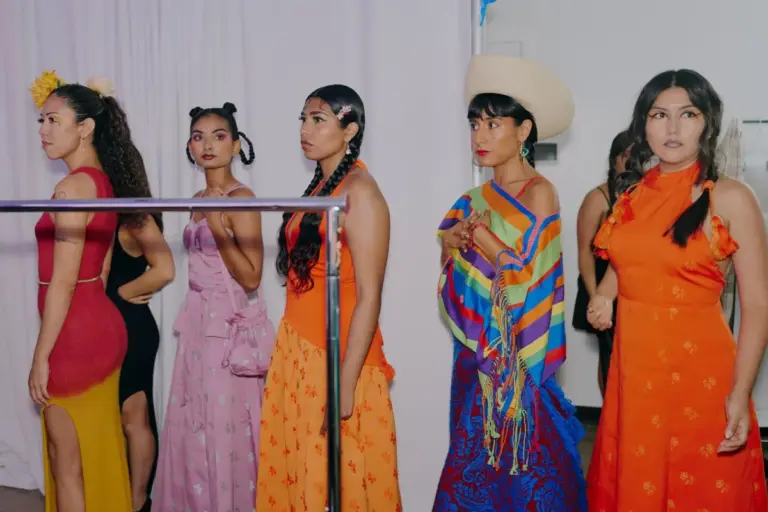
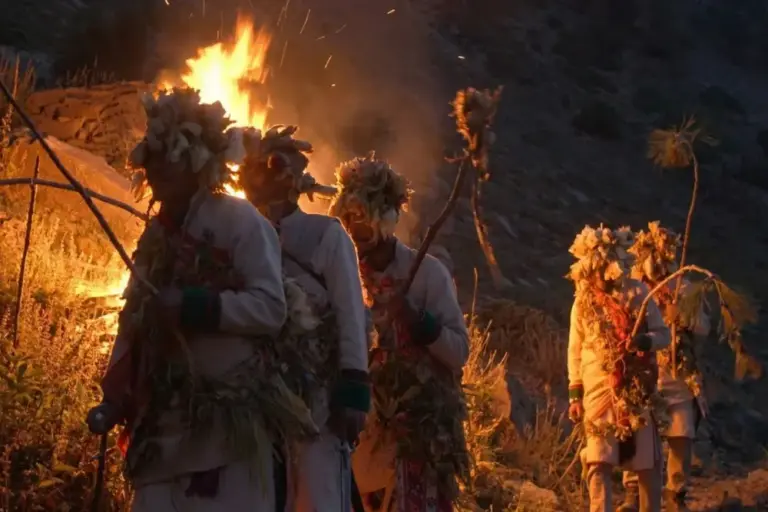
Your favorite dance movie can often serve as a psychological mirror. Devotees of Step Up frequently gravitate toward the classic, opposites-attract narrative where contrasting worlds collide through movement. Aficionados of Black Swan are drawn to the dark, psychological undercurrents of dance as a form of body horror and self-perfection. Meanwhile, Dirty Dancing remains a sanctuary for nostalgia junkies who yearn for summer-camp rebellion and forbidden romance.
As of September 18, Netflix has officially expanded the cinematic dance canon with a vibrant new entry tailored specifically for the Desi diaspora: Best of the Best. The film centers on characters in whom millions of South Asian Americans can immediately see themselves reflected. For these communities, dance has historically served as the anchoring core of the cultural experience—acting as the most tangible, living bridge to the world their parents or grandparents left behind. Sometimes, it was structured merely as a weekly extracurricular activity, carefully selected by ambitious parents to project an aura of cultural refinement back to relatives overseas. Other times, it manifested as a deeply guarded secret passion, cultivated by feverishly recreating Bollywood numbers in the safety of a locked bedroom.
Best of the Best takes this profound, lifelong relationship with cultural movement and thrusts it into the high-stakes, hyper-competitive crucible of the American university system. Directed by Lena Khan and produced by a powerhouse creative team that includes Hasan Minhaj, the film follows two lifelong best friends, Maya and Anjali, during their freshman year at UCLA. As they navigate the dizzying highs and academic lows of college life, they must also balance the intense, all-consuming demands of a collegiate Bollywood fusion dance team.
Far from a superficial teen comedy, Best of the Best arrives as a watershed moment in contemporary media. It captures a rich, decades-old subculture that has quietly thrived on university campuses across North America since the 1990s. Bolstered by breakout performances from Maitreyi Ramakrishnan and newcomer Priyanka Kedia, the film is poised to redefine how South Asian youth culture, female friendship, and immigrant identity are represented on mainstream global screens.
Detailed Chronology: From Underground Campus Circuits to Netflix Stardom
To fully understand the cultural weight of Best of the Best, one must trace the lineage of South Asian collegiate dance in North America—a movement that evolved from grassroots student clubs into a multi-million-dollar competitive ecosystem.
The 1990s: The Genesis of Collegiate Desi Dance
The first wave of South Asian college dance teams emerged organically during the mid-to-late 1990s. First- and second-generation immigrant students, looking for spaces to build community and preserve their heritage, began establishing their own student-run organizations. These pioneers sought out campus talent shows, cultural nights, and local showcases where they could perform the traditional and contemporary dance forms they had grown up with. What started as casual gatherings quickly snowballed into formalized student groups specializing in distinct regional styles: bhangra from Punjab, raas-garba from Gujarat, and eventually, Bollywood fusion, a hybrid genre blending western hip-hop, contemporary, and classical Indian techniques.
2005: The Birth of the Original "Best of the Best"
The film’s title is far from accidental; it pays direct homage to the historic competition that first provided a grand stage for these young dancers. Founded in New York City in 2005, Best of the Best (BOB) was a pioneering institution. It was the first large-scale, premier South Asian dance competition in North America, inviting elite collegiate dance teams from across the United States and Canada to battle it out live onstage for the ultimate championship title.
Although the original BOB competition ceased operations in 2012, its legacy catalyzed an explosive expansion of the South Asian collegiate dance landscape. Today, organizations like the Desi Dance Network serve as governing and organizing bodies, regulating teams of various styles that compete rigorously year-round to qualify for prestigious circuit championships, such as the Legends Dance Championship. Best of the Best captures this modern landscape on screen for the first time, translating the electric, cutthroat energy of these real-world circuits into narrative cinema.
August 2025: Behind the Scenes on the New Jersey Set
Fast-forward to late summer 2025: production is in full swing inside a sprawling theater in Newark, New Jersey. On set, the communal spirit of the film mirrors the narrative onscreen. Director Lena Khan calls "cut" after the cast runs through a grueling, high-energy grand-finale dance number for what feels like the hundredth time. Despite the exhaustion, the performers—a diverse mix of professional hip-hop dancers, Broadway veterans, and fresh-faced newcomers—maintain an infectious, electrifying charisma.
The afternoon concludes with a surprise visit that bridges generations of South Asian cinematic history. Producer and writer Hasan Minhaj steps onto the stage to deliver an inspiring pep talk, accompanied by a surprise guest: Gurinder Chadha, the visionary writer and director behind the seminal Y2K Desi-diaspora teen classic, Bend It Like Beckham. The moment serves as a poetic passing of the torch, solidifying Best of the Best as the spiritual successor to the films that paved the way for authentic South Asian representation in Western media.
Supporting Context & Metrics: The Anatomy of a Cultural Subculture
The world depicted in Best of the Best is characterized by a unique paradox: it is fiercely insular yet universally relatable. To capture this duality accurately, the production relied on an intensive, rigorous training regimen for its lead actors.
The Dance "Boot Camp": Neither Maitreyi Ramakrishnan nor Priyanka Kedia possessed formal, professional dance backgrounds prior to booking their respective roles. To bridge this gap, the studio instituted a punishing rehearsal schedule: six dance classes a day, six days a week, for four consecutive months prior to principal photography.
Physical & Emotional Trust: Because the film relies heavily on synchronized duo choreography and complex lifts, the intense training served a dual purpose. As Kedia notes, the grueling hours created a form of "trauma bonding" that forced the actors to build immediate, unshakeable physical trust. If one dancer faltered, the other was there to catch them—mirroring the deep-seated bond of characters who have grown up dancing side-by-side.
Demographics of the Circuit: Today, the North American collegiate Desi dance circuit comprises hundreds of active university teams, thousands of student participants, and specialized judges, costumers, and mixing engineers. It operates with the precision and intensity of Division I athletics, complete with passionate fanbases, rivalries, and viral performance clips that routinely amass millions of views online.
Official Statements & Cast Insights
The creative forces behind Best of the Best have been vocal about the film’s refreshing approach to representation. Rather than centering the narrative on the tired tropes of identity crises, cultural shame, or the friction of assimilation, the film opts for a story where the characters simply exist.
Priyanka Kedia on Universal Conflicts and Café Beginnings
For Priyanka Kedia, who stars as Anjali, landing the role felt nothing short of serendipitous. At the time the script arrived, Kedia was working as a barista at Kolkata Chai Co. in New York City’s East Village, keeping her theatrical ambitions hidden behind the counter.
"Every five-minute break I got, I was going into the back room and trying to learn this crazy dance audition they had sent," Kedia recalls.
When reflecting on the script itself, she emphasizes the freedom the narrative grants its characters:
"I couldn’t believe what I was reading when I got sent the script. It’s not our identities that we’re struggling with; that’s not the central conflict. We just exist as we are, and our conflicts are universal. The things we’re struggling with are friendship and competition and jealousy."
Kedia also draws a poignant parallel between Maya and Anjali’s dynamic and the complex female friendships explored in Elena Ferrante’s acclaimed novel My Brilliant Friend:
"When the two of them fight during the film, it’s not out of anger towards each other. It’s almost that they love each other to the point where misunderstanding feels like a betrayal. ‘I love you so much, so why don’t you understand what I’m feeling?’ It’s such an intricate relationship, and I’m excited to be part of a project that puts female friendship at the center."
Maitreyi Ramakrishnan on Forging a New Legacy
Maitreyi Ramakrishnan, widely beloved for her breakout role in Netflix’s Never Have I Ever, acknowledges the inevitable comparisons fans drew when the trailer first dropped. Eager viewers naturally hoped for a continuation of Devi Vishwakumar’s collegiate journey. However, Ramakrishnan is quick to establish that Maya is an entirely distinct entity with a brand-new physical and emotional energy.
"It’s so flattering that people resonated with a character that I’ve played so much that they still yearn for her to come back," Ramakrishnan shares. "But everything about Maya, down to even her walk, is different. Maya is a dancer, and Devi has terrible posture. Devi is literally known for being woefully unathletic."
Reflecting on the rigorous dance training, Ramakrishnan views the experience as a personal reclamation of a childhood path not taken:
"I always loved watching my friends perform. I knew I didn’t have the skill to participate like that, but I had the eye to appreciate what they were doing. I actually spent all these years wondering, maybe I should have stuck with bharatanatyam. I wonder what flavor of brown girl I would be today if I did. This role gave me the opportunity to glimpse what could have been possible."
Crediting her professional work ethic to her early mentors, she adds:
"I have to give my flowers to Mindy Kaling—she and Lang Fisher taught me how to be a number one, how to show up on set respectfully, and always come prepared. They drilled these things into me, and I always carry it with me to every project."
Producer Hasan Minhaj, alongside director Lena Khan, underscores that while dance serves as the dynamic visual engine of the film, the emotional heartbeat remains rooted in human connection. As Ramakrishnan aptly summarizes: "Dance is the vehicle to bring people into the story, but at its core, this is a friendship story."
Future Outlook: The Global Ripple Effect of Authentic Storytelling
As Best ofth Best streams to global audiences on Netflix, its cultural impact extends far beyond the confines of a traditional teen movie. By illuminating the hyper-specific, high-octane subculture of South Asian collegiate dance, the film validates the lived experiences of hundreds of thousands of diaspora youth who have walked university corridors over the past three decades.
The film’s international trajectory suggests that stories rooted in cultural specificity possess universal resonance when executed with genuine narrative craft. Former collegiate dancers across generations are already sharing their nostalgia online—reminiscing less about organic chemistry lectures and more about the transcendent feeling of standing onstage with their closest friends under blinding stage lights.
Meanwhile, new university dance teams continue to form across North America, ensuring that the next generation of students will keep finding innovative ways to connect with their physical bodies, their heritage, and one another. Whether practiced alone in a bedroom mirror, performed in vibrant traditional costumes at a cousin’s wedding, or executed under the flashing lights of a sweaty campus recreation center before finals week, dance remains an enduring vehicle for storytelling.
As Best of the Best proves, the rhythm of the diaspora is stronger, louder, and more unified than ever before. Keep on dancing, Desi kids.