Executive Overview
For four decades, BBC One’s flagship medical drama Casualty has remained a steadfast pillar of British television, capturing the raw, relentless reality of emergency healthcare through triumph, tragedy, and institutional strain. As the beloved series marks its monumental 40th anniversary, the production team has rolled out a high-stakes, cataclysmic double-bill designed to test the emotional and physical limits of Holby General Hospital’s Emergency Department.
Centered around a devastating explosion that rips through the ED, the anniversary episodes plunge staff and patients alike into immediate peril, threatening beloved characters with life-altering trauma. Yet, amid the deafening roar of the blast, the collapsing infrastructure, and the high-octane rescue operations, it is not merely the pyrotechnics that have captured the cast’s attention.
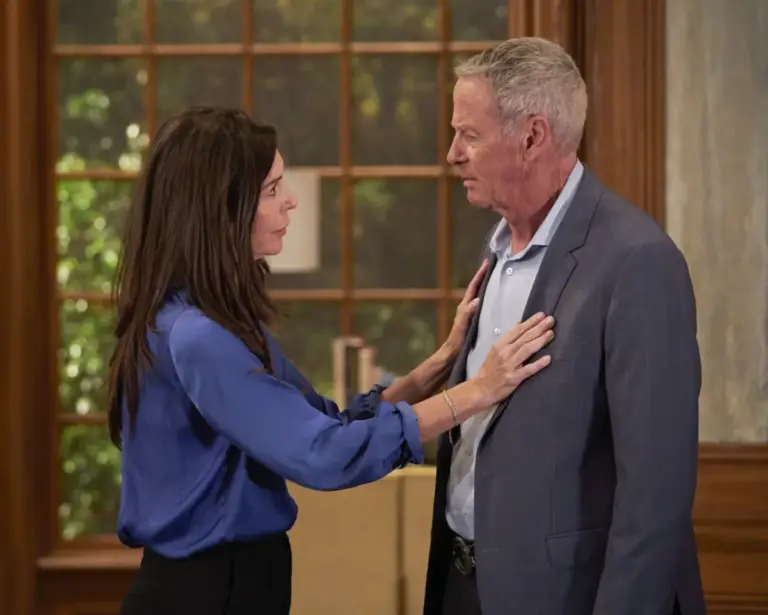
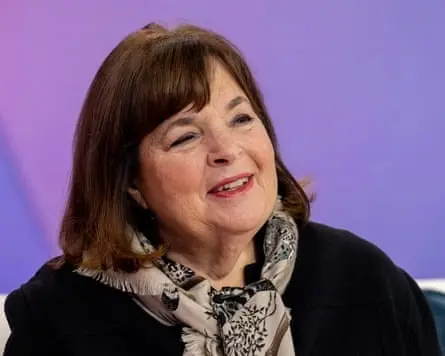
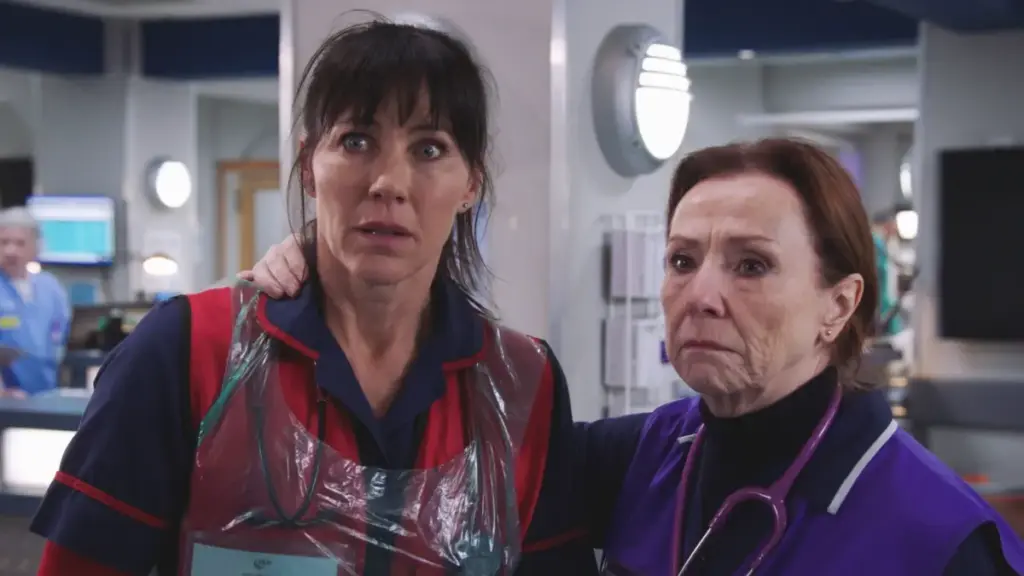
In exclusive interviews, veteran stars Melanie Hill (who portrays clinical lead Siobhan McKenzie) and Kirsty Mitchell (who plays the resilient Faith Cadogan) have pulled back the curtain on filming the milestone event. While acknowledging the nail-biting suspense and intense narrative twists involving characters such as Stevie and Dylan, both actors singled out a surprisingly quiet, profoundly emotional sequence as the true highlight of the event. Far from the roaring flames and immediate chaos, it is the haunting, exhausted aftermath—the sobering reality of dawn breaking over a shattered ward—that promises to leave viewers spellbound.
Detailed Chronology: The Anatomy of an Emergency
The path to Casualty’s 40th-anniversary milestone has been meticulously engineered by the BBC drama department to deliver maximum dramatic impact. The narrative arc begins with escalating tensions within the Holby ED, as longstanding systemic pressures meet unforeseen interpersonal conflicts among the clinical staff.
The Catalyst and the Blast
As the anniversary episodes unfold, the hospital environment—already operating at a punishing capacity—is rocked by a catastrophic explosion. The blast shatters the structural integrity of the emergency wing, cutting off communications, trapping personnel, and immediately thrusting the medical team into a triage scenario of unprecedented scale.
Unlike standard episodic emergencies where external patients are brought through the doors, this disaster turns the sanctuary of the hospital into ground zero. Doctors, nurses, and administrative staff find themselves fighting not only to save incoming casualties but to extract their own colleagues from the wreckage.
Twists, Turns, and Rising Stakes
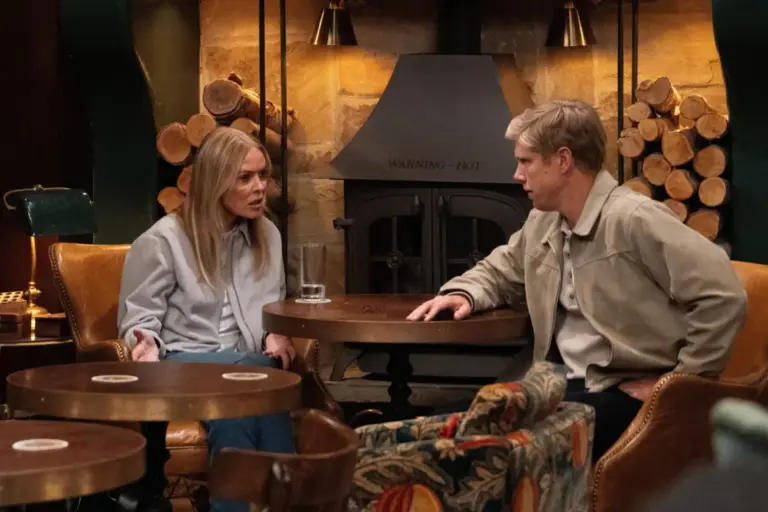
As the narrative progresses, the double-bill weaves through multiple concurrent subplots, showcasing the resilience and vulnerabilities of the Holby ED family. Exclusive details surrounding key figures such as Stevie and Dylan have hinted at harrowing interpersonal hurdles and psychological twists that unfold against the backdrop of the disaster. The tension is continuously ratcheted up, transforming the hospital into a pressure cooker where split-second decisions carry catastrophic consequences.
The Morning After: Finding Humanity in the Ruins
While the special effects, pyrotechnics, and pulse-pounding rescue sequences dominate the central runtime, the true emotional weight of the episodes anchors itself in the hours following the crisis. As the smoke clears and the adrenaline gives way to profound physical and emotional exhaustion, the narrative shifts from high-concept disaster fiction to an intimate character study of survival, grief, and quiet endurance.
Supporting Context & Metrics: Television Longevity and Production Scale
Reaching a 40-year milestone is a rare and extraordinary achievement in contemporary television, placing Casualty in an elite echelon of long-running global dramas.
A Historic Milestone in British Broadcasting
First broadcast on September 6, 1986, created by Jeremy Brock and Paul Unwin, Casualty has continuously broadcasted through decades of societal, political, and technological change. As the longest-running emergency medical drama television series in the world, it has served as both a mirror to the evolving state of the National Health Service (NHS) and a training ground for generations of British acting and directing talent.
| Production Metric | Detail / Historical Context |
|---|---|
| Premiere Date | September 6, 1986 |
| Broadcaster | BBC One / BBC iPlayer |
| Setting | Holby General Hospital (fictional city of Holby) |
| Milestone Format | Special Double-Bill Event |
| Release Strategy | Early morning digital drop (6:00 AM) on BBC iPlayer, prime-time broadcast (8:00 PM) on BBC One |
The Evolution of Viewing Habits
In line with modern BBC commissioning strategies, the 40th-anniversary episodes embraced a hybrid release model. Eager fans were granted early access via BBC iPlayer at 6:00 AM on the day of transmission, allowing digital-first audiences to consume the narrative blockbuster before its traditional linear broadcast on BBC One at 8:00 PM. This dual-pronged release strategy highlights the BBC’s ongoing adaptation to shifting audience behaviors, ensuring that tentpole television events capture both immediate streaming engagement and consolidated evening viewership.
Official Statements and Cast Insights
The human element of the 40th anniversary was front and center during discussions with Melanie Hill and Kirsty Mitchell. Discussing the intensive shoot and the emotional resonance of the scripts, the actors provided profound insights into what audiences could expect from the conclusion of the double-bill.

Melanie Hill on the Quiet Aftermath
Melanie Hill, whose character Siobhan McKenzie anchors much of the department’s operational leadership, emphasized that while the dramatic action is compelling, the production’s crowning achievement lies in its subtlety.
"My favourite overall is towards the end, and it’s just showing the team after what happens and how life carries on," Hill revealed in an exclusive interview with Digital Spy. "There’s a beautiful, very poignant moment where a simple thing—the cleaning staff come in, and it’s another day."
Hill noted the visceral emotional impact of these concluding frames, emphasizing the authenticity of portraying emergency workers who have pushed past their physical limits.
"And it just sends chills down you because the people who’ve been there through the night are just spent and have given everything. That’s all I’m going to say, but something beautiful happens at the end. It made me cry, it really did."
Kirsty Mitchell on Shared Vulnerability
Echoing her co-star’s sentiments, Kirsty Mitchell—who brings immense depth to Faith Cadogan—pointed away from the pyrotechnics and toward the quiet camaraderie forged in the crucible of trauma.
"I do have a favourite moment. And it wasn’t one of the big, dramatic scenes, as exciting as they are. It’s the aftermath," Mitchell explained.
Highlighting the emotional architecture of the episode’s final minutes, Mitchell praised the depiction of collective resilience.
"There is a scene in the aftermath where everybody’s just shattered and broken. It’s so sweet and beautiful, and it’s near the end. Watching everybody support each other through that part, I think the end is the nicest part for me."
Future Outlook: The Legacy of Holby ED
As the dust settles on the 40th-anniversary double-bill, the ramifications of the Holby ED explosion will inevitably ripple across the remainder of the series. Disaster storylines in Casualty have historically served as narrative reset buttons, forcing characters to confront unresolved traumas, re-evaluate their professional paths, and forge new bonds amid the ashes of old structures.
For Siobhan McKenzie, Faith Cadogan, Stevie, Dylan, and the rest of the surviving medical staff, the road ahead will not be straightforward. The psychological toll of operating under such extreme duress—compounded by the physical destruction of their workplace—ensures that the emotional fallout will be felt for months to come.
Yet, as both Hill and Mitchell have underscored, the enduring spirit of Casualty lies not in the catastrophe itself, but in the quiet, resolute humanity that picks up the brooms, tends to the remaining patients, and prepares to face another day on the frontline. As the series steps boldly past its fourth decade, it proves once more that even after forty years of service, Holby’s medical heroes still possess the power to surprise, move, and captivate the British public.