Executive Overview
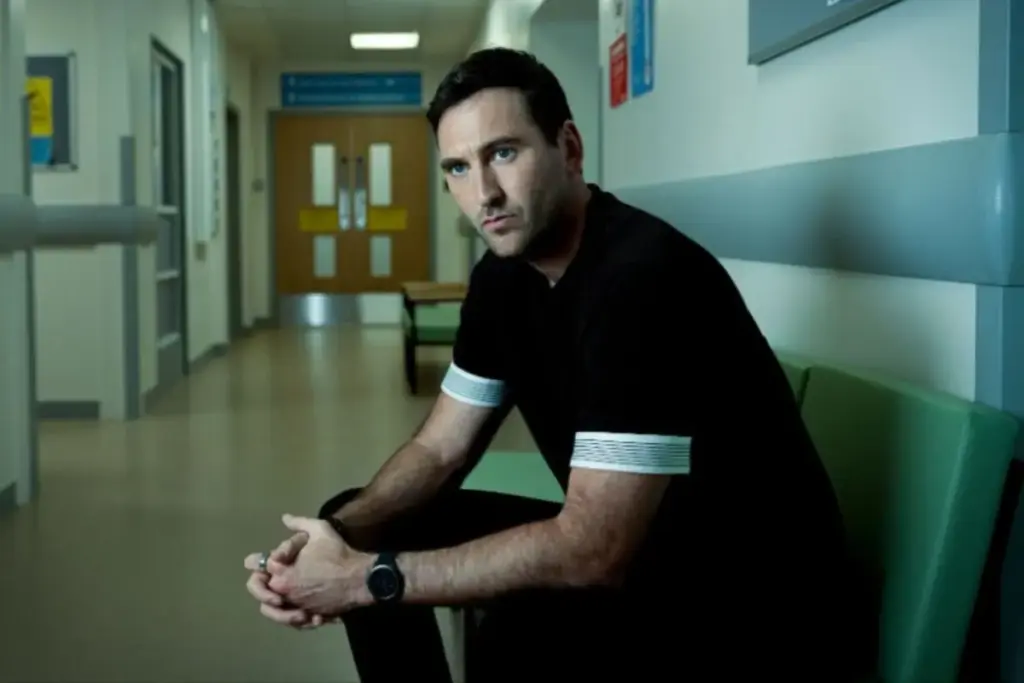
Television soap operas have long served as mirrors reflecting society, often utilizing dramatic storytelling to spotlight real-world issues that might otherwise remain shrouded in ignorance or social taboo. In a bold and deeply moving narrative pivot, ITV’s flagship drama Coronation Street is tackling one of the most under-discussed and misunderstood medical conditions in contemporary healthcare: male breast cancer. At the heart of this poignant storyline is the character Kit Green, played by actor Jacob Roberts, who receives a devastating diagnosis of stage-three male breast cancer.
This meticulously researched plotline is triggered by the death of Kit’s estranged aunt, Celeste, which alerts the Green family to the terrifying possibility that they carry a hereditary BRCA gene mutation. Far beyond a standard medical melodrama, the storyline dives deeply into the physical deterioration, psychological trauma, and interpersonal strain that accompanies such a diagnosis. Crucially, it mirrors the real-world shock experienced by many men who are completely unaware that breast tissue exists in males, and that they, too, can contract a disease widely pigeonholed as exclusively female.
Behind the scenes, the production team at Coronation Street has collaborated extensively with prominent cancer charities, including Macmillan Cancer Support and Breast Cancer Now. This partnership ensures absolute clinical accuracy while simultaneously dismantling long-standing gender stereotypes. For actor Jacob Roberts, stepping into the shoes of a man battling a typically "female" illness required a profound personal and professional transformation—including conducting extensive research, speaking directly with male breast cancer survivors, and voluntarily shaving his head to visually capture the physical toll of treatment.
This comprehensive report explores the genesis of the storyline, the clinical realities of male breast cancer, the psychological hurdles portrayed on screen, the actor’s personal dedication to the role, and the broader societal impact of bringing this silent killer into Britain’s living rooms.
Detailed Chronology: Unfolding the Tragedy and Diagnosis
The narrative arc begins in the shadows of family tragedy. The death of Kit Green’s estranged aunt, Celeste, sends ripples through the Green family, unearthing hidden medical histories. Among the posthumous revelations is the harrowing realization that the family may harbor a hereditary BRCA gene mutation—a genetic marker notorious for dramatically increasing the risk of various cancers, most notably breast and ovarian cancers.
For Kit Green, an ambitious and proud character accustomed to maintaining a veneer of control and unshakeable masculinity, the news acts as the opening salvo in an unforeseen health crisis. As routine screenings and family diagnostics play out, Kit is delivered a diagnosis that stops him in his tracks: stage-three male breast cancer.
Initially, the storyline captures the protagonist’s profound disorientation. Much like the actor who portrays him, Kit initially operates under the widespread societal assumption that breast cancer is a condition that strictly affects women. The psychological impact of this realization is instantaneous and bruising. As the disease progresses, viewers witness a rapid physical deterioration. Kit, once defined by his vitality and guarded ego, finds himself unable to perform routine daily tasks, forcing him to confront mortality and vulnerability head-on.
The narrative does not isolate Kit in his suffering. The diagnosis ripples outward, forcing the wider Green family to reckon with their own genetic risks and re-evaluating long-held family dynamics in the face of a shared, life-threatening crisis. As Kit undergoes grueling treatments, the storyline carefully tracks the shifting dynamics in his personal and professional relationships, exposing how severe illness can simultaneously fracture and mend human connections.
Supporting Context & Metrics: The Hidden Reality of Male Breast Cancer
To fully appreciate the cultural and educational weight of Coronation Street’s latest narrative venture, one must examine the stark medical realities surrounding male breast cancer. While breast cancer is universally recognized as one of the most common cancers affecting women globally, its occurrence in men is shrouded in a dangerous vacuum of public awareness.
Statistical Overview
- Rarity: Male breast cancer is exceptionally rare, accounting for less than one per cent of all breast cancer diagnoses registered in the United Kingdom annually.
- Demographics: While it can theoretically develop at any age, it is most frequently diagnosed in men aged 60 and older. However, hereditary factors—such as carrying the BRCA1 or BRCA2 gene mutations, as mirrored in Kit Green’s storyline—can manifest the disease in younger individuals.
- Mortality Rates: Because public awareness is profoundly low, men routinely fail to recognize early warning signs. Symptoms such as a lump in the chest area, nipple discharge, or skin dimpling are often ignored or misattributed to other minor conditions. Consequently, this leads to delayed diagnoses, meaning men are frequently diagnosed at later, more advanced stages (such as stage three or four), resulting in disproportionately higher mortality rates relative to the speed of detection.
The Stigma of Masculinity
Medical sociologists and psycho-oncologists have long noted that illnesses affecting the breast, chest, or reproductive systems carry a heavy psychological burden for men due to entrenched societal definitions of masculinity. A diagnosis in this specific area of the body can trigger profound feelings of emasculation, shame, and isolation. Men are statistically less likely to discuss health anomalies involving their chests, often delaying medical consultation out of embarrassment. By placing a recurring, alpha-leaning character like Kit Green at the center of this narrative, Coronation Street directly targets this stigma, normalizing conversations about male body awareness and dismantling the dangerous myth that real men do not get breast cancer.
Official Statements and Behind-the-Scenes Insights
The authenticity of Kit Green’s storyline is the direct result of rigorous preparation, deep empathy, and collaborative production values. Speaking to the press at the National Television Awards, actor Jacob Roberts opened up about the intensive journey required to bring this complex medical drama to life on screen.
Jacob Roberts on Research and Realization
Reflecting on his initial reaction to receiving the script, Roberts confessed that his own knowledge mirrors that of the general public—and indeed, his character.
"I genuinely didn’t know that men could get breast cancer and I felt, to make it authentic, that Kit shouldn’t know that men can get breast cancer either," Roberts explained. "We’ve got a lot of intense research and hopefully this shows on screen. Breast cancer is kind of only a women’s world at the minute, and we need to make it more accessible for men as well."
To bridge this knowledge gap, Roberts engaged directly with male breast cancer survivors and leading support organizations. These conversations proved vital in capturing the specific psychological shock experienced by men diagnosed with the condition.
"Speaking to the charities and male survivors has been really insightful," Roberts noted. "Lots of men don’t know they can get this and, for Kit, it’s that utter disbelief of how can this be? Not only for his age, but how can I have this as a bloke and who else in the family could be affected."
Confronting Ego and Emasculation
Discussing the emotional landscape of his character, Roberts emphasized that the physical symptoms are only half the battle. The psychological unraveling of Kit’s ego forms the emotional anchor of the performance.
"I think it affects his masculinity, and I think he struggles with that," Roberts shared with Radio Times. "He’s just deteriorating and he can’t do the things he wants to do. And having a bit of an ego about himself, you’ll see that gradually change."
A Radical Physical Transformation
Demonstrating remarkable commitment to the role, Roberts voluntarily underwent a striking physical transformation, shaving his head as Kit’s treatment advances. Despite the personal anxiety associated with such a visible change, the actor viewed it as an essential storytelling tool.
"I was kind of a bit nervous about it, but they never told me to shave it," Roberts revealed. "And I thought for the story, I think we need to… yeah, you know. It’s nothing, you know? It’s just hair at the end of the day. Let’s tell the story right."
Charity Partnerships: Accuracy and Support
To ensure the storyline remains both medically accurate and sensitive to real-world patients, Coronation Street producers have maintained a close working relationship with two of the UK’s leading cancer charities: Macmillan Cancer Support and Breast Cancer Now.
These organizations have provided continuous guidance on every aspect of the arc, from the genetic implications of BRCA gene mutations to the nuances of chemotherapy, physical rehabilitation, and the emotional fallout experienced by families navigating a cancer diagnosis.
Future Outlook: The Societal and Cultural Legacy of the Storyline
As Coronation Street continues to broadcast Kit Green’s battle with stage-three male breast cancer, the long-term impact of the narrative is expected to extend far beyond the fictional boundaries of Weatherfield. Soap operas possess a unique cultural power; they enter millions of homes on a regular basis, embedding themselves into the weekly routines of viewers across generations.
Driving Real-World Medical Action
Medical professionals and charity executives anticipate that Kit’s storyline will achieve what public health announcements often struggle to do: start conversations in living rooms, pubs, and workplaces. By openly depicting a man discovering a lump, processing the shock of a female-associated diagnosis, and navigating the harrowing avenues of treatment, the soap is effectively issuing a nationwide health warning.
If even a handful of male viewers notice unusual changes in their chest tissue and seek medical advice earlier than they otherwise would have, the storyline will have saved lives. Early detection remains the single most critical factor in surviving breast cancer, regardless of gender.
Setting a New Standard for Soap Storytelling
In recent years, television critics have praised serialized dramas for shifting away from sensationalist gimmicks in favor of socially conscious, issue-led storytelling. By tackling male breast cancer through a major character with complex flaws and a fragile ego, Coronation Street is challenging television tropes that often sanitize illness or reserve major health struggles exclusively for female characters.
As the narrative reaches its upcoming milestones, viewers will watch Kit navigate the agonizing choices of his treatment plan, the strain on his familial bonds, and his ultimate reckoning with a changed body and identity. Through the dedicated performance of Jacob Roberts and the rigorous oversight of Macmillan and Breast Cancer Now, this harrowing chapter in Weatherfield history stands as a testament to the power of television to educate, destigmatize, and ultimately heal.
If you or someone you know has been affected by any of the issues raised in this article, support is available:
- Call the Macmillan Cancer Support helpline on 0808 808 00 00.
- Speak to specialist nurses from Breast Cancer Now via 0808 800 6000.