Executive Overview
For generations of endurance athletes, the ritual preceding a run has been remarkably spartan. Runners lace up their shoes, step out the front door, and immediately break into a jog, treating the first mile as an awkward transition zone where the body is expected to figure things out on its own. It is a common scene repeated on tracks, treadmills, and city streets around the world: the sudden onset of grumbling knees, tight calves, and sluggish cardiovascular systems, all borne from the assumption that running requires no preliminary preparation other than the tying of laces.
However, as training methodologies evolve and sports science yields deeper insights into biomechanics, the traditional cold-start approach is facing serious scrutiny. Committing to a structured, dynamic warm-up routine is no longer viewed as an optional luxury reserved for elite professionals; it is an absolute physiological necessity.
This transformation in perspective often arrives out of necessity—frequently triggered by the rigorous demands of training for a major milestone, such as the Berlin Marathon. When faced with high-mileage training blocks, runners quickly discover that skipping the warm-up is an invitation to injury, joint inflammation, and sub-par performance.

Drawing from modern fitness insights—including structured programs popularized by platforms like the Runna app—this report examines the science of pre-run preparation. We explore why dynamic movement is essential for joint longevity, cardiovascular efficiency, and muscular elasticity, and outline a comprehensive, five-minute, eight-step pre-run routine designed to protect runners of all ages and abilities.
Detailed Chronology: The Evolution of Pre-Run Preparation
To understand the shift in modern running culture, it helps to examine how runners historically approached their craft, and how modern training milestones have forced a re-evaluation of basic habits.
The Era of the Cold Start
Historically, recreational running grew out of a desire for simplicity. Unlike team sports or complex weightlifting regimens, running demanded minimal gear: a pair of shoes, comfortable shorts, and open road. This minimalist ethos naturally extended to preparation. The prevailing mindset dictated that because running is an organic, repetitive human movement, the body could seamlessly shift from a state of total rest to aerobic exertion without intermediary steps.
Consequently, millions of runners treated the first mile of every workout as their warm-up. The physical toll of this habit—manifesting as aching patellar tendons, tight hip flexors, and protesting lower backs—was simply accepted as an unavoidable side effect of the sport.
The Marathon Awakening
The turning point for many runners usually occurs when they transition from casual jogging to structured distance training. Signing up for a premier global event, such as the Berlin Marathon, introduces athletes to periodized training plans, heart-rate zone management, and recovery protocols.
As weekly mileage climbs into double digits, the margin for error shrinks dramatically. A runner embarking on a 16-mile long run without preparation no longer experiences mere discomfort; they risk acute soft-tissue strains, overuse injuries, and prolonged recovery times. It is within the crucible of marathon preparation that athletes realize the warm-up is not a peripheral add-on, but an integral, foundational step in the training process.
Community Integration
Recognizing the benefits of structured preparation, run clubs and coaching collectives have begun incorporating standardized dynamic warm-ups into their weekly group sessions. In environments where participants range wildly in age—from early 20s college graduates to seasoned runners in their late 60s—standardizing a collective routine serves a dual purpose. It optimizes performance across diverse fitness levels and creates a protective buffer against injury, democratizing sports science for the everyday runner.
Supporting Context & Metrics: The Science of the Dynamic Warm-Up
Why does a mere five minutes of movement yield such profound changes in running performance and injury prevention? The answer lies in the complex physiological cascade that occurs when dynamic stretches replace static holds before a workout.
[Resting State]
       │
       ▼ (5-Minute Dynamic Warm-Up)
┌──────────────────────────────────────────────┐
│ 1. Gradual Heart-Rate Elevation              │
│ 2. Enhanced Oxygen Delivery (Vasodilation)   │
│ 3. Synovial Fluid Joint Lubrication          │
│ 4. Tendon & Ligament Stiffness Optimization  │
└──────────────────────────────────────────────┘
       │
       ▼
[Optimized Biomechanical Shock Absorption & Reduced Injury Risk]
1. Cardiovascular and Metabolic Priming
When an individual transitions instantly from sitting at a desk to maintaining a 7-minute-per-mile pace, the cardiovascular system is thrown into sudden distress. The heart must rapidly spike its output, and the respiratory system scrambles to meet surging oxygen demands.
A dynamic warm-up acts as a bridge. By gradually elevating the heart rate, the body initiates vasodilation—widening blood vessels to ensure that oxygen-rich blood is already flowing efficiently to the working muscles before the first running stride is taken. This reduces initial metabolic shock and stabilizes perceived exertion levels during the early miles.
2. Joint Lubrication via Synovial Fluid
Human joints are marvels of biological engineering, but they require lubrication to function smoothly under high-impact loads. Synovial fluid acts as the body’s natural WD-40, nourishing articular cartilage and reducing friction within joints like the knees, hips, and ankles.
At rest, synovial fluid is relatively viscous. Dynamic movements—such as hip circles and torso rotations—mechanically agitate the joint capsules, stimulating the secretion and circulation of synovial fluid. This ensures that when the foot strikes the pavement, the joints are fully lubricated and ready to glide smoothly.
3. Tendon Stiffness and Elastic Energy Return
For runners, tendons and ligaments are not merely passive ropes holding bones together; they function as biological springs. As the foot hits the ground, tendons stretch to store elastic potential energy, releasing it during the toe-off phase to propel the runner forward with minimal metabolic cost.
Crucially, introducing light-impact dynamic movements signals to tendons and ligaments to increase their tensile stiffness. A stiffer tendon stores and returns energy more efficiently, reducing the workload on adjacent muscle fibers and providing superior joint stability—an essential defense mechanism for runners managing fragile or injury-prone knees.
Official Guidelines: The Five-Minute, Eight-Step Running Warm-Up
Unlike static stretching—where muscles are held in an elongated position, a practice best reserved for the post-run cool-down to aid recovery—dynamic stretching involves continuous, controlled movement. These exercises take muscles, joints, and ligaments through their full range of motion, gradually ramping up intensity.
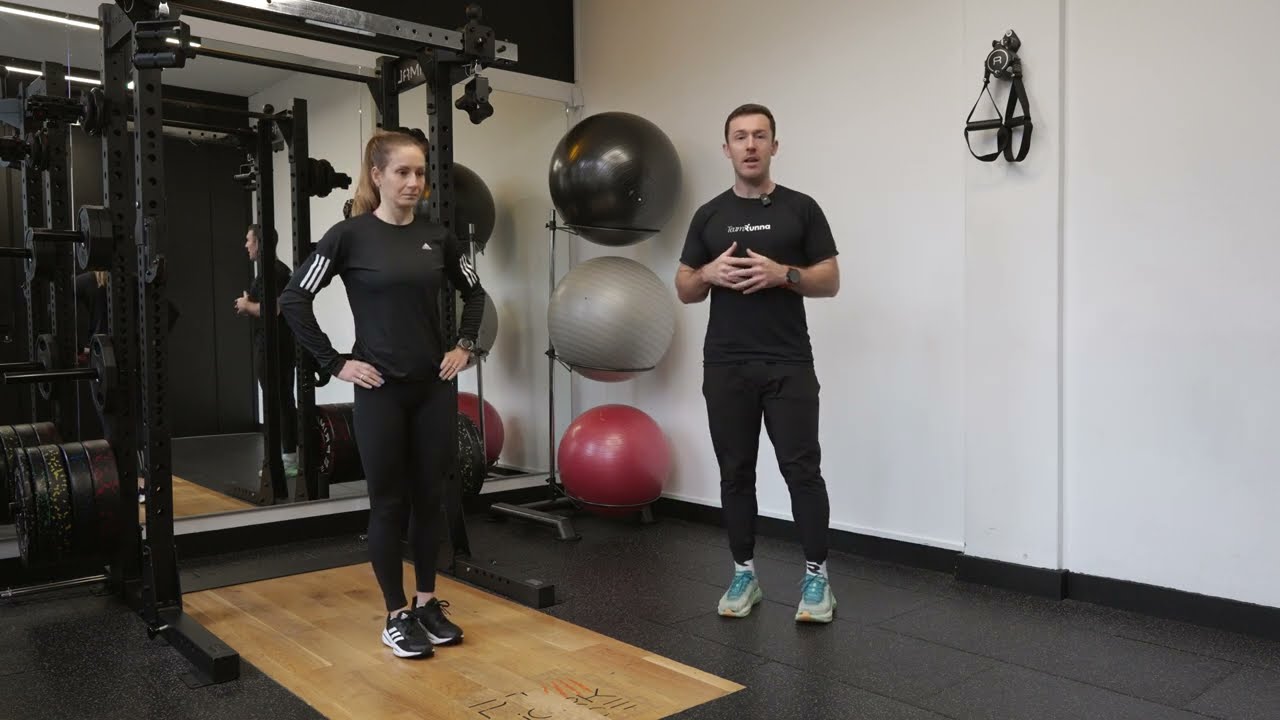
Coaching Principle: Always initiate each movement gently, operating well within your comfortable range of motion. As your body wakes up and core temperature rises, gradually increase the range of motion and intensity.
Below is the definitive, eight-step, five-minute dynamic warm-up routine, adapted from expert running methodologies to prepare your body for everything from a slow recovery jog to a high-tempo interval session.
1. Torso Rotation
- Duration: 30 seconds
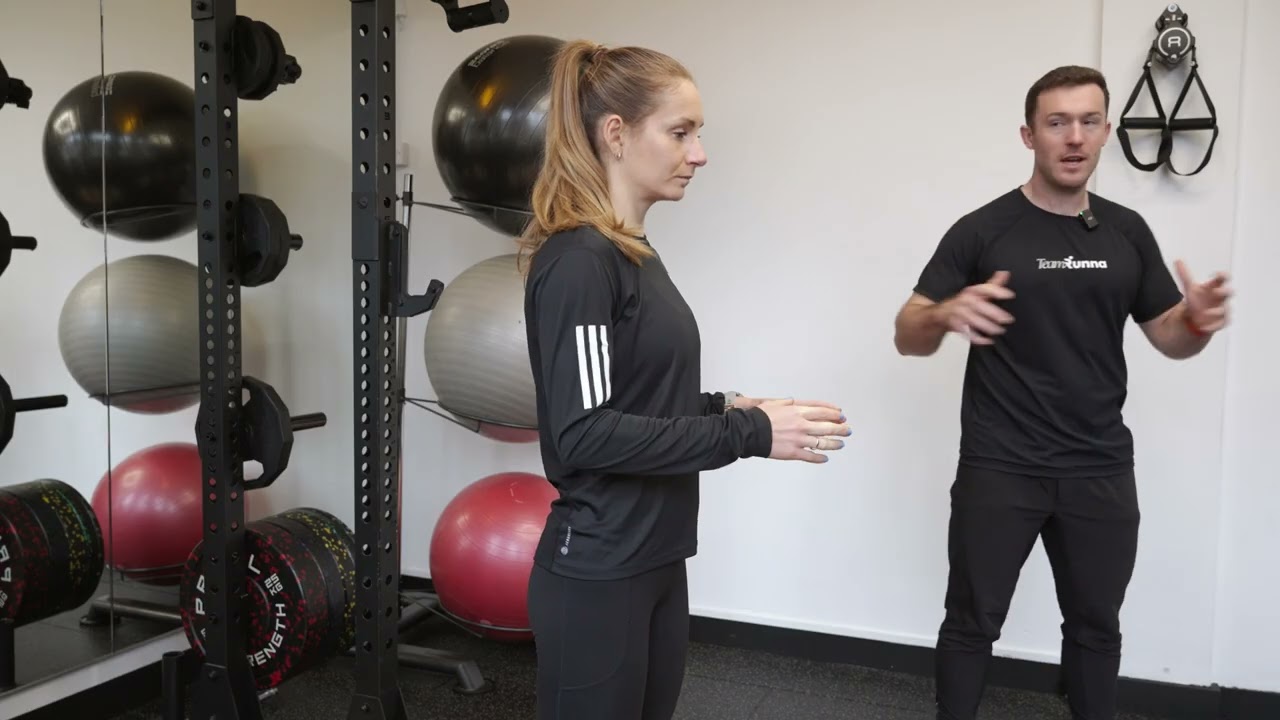
- Execution: Stand tall with your feet shoulder-width apart, arms relaxed or bent at chest height. Gently rotate your torso from side to side, allowing your arms to swing loosely and your heels to pivot slightly as you turn.
- Purpose: Wakes up the thoracic spine, loosens the oblique muscles, and encourages rotational fluidity through the upper body, which counterbalances lower-body stride mechanics.
2. Side Bend
- Duration: 30 seconds
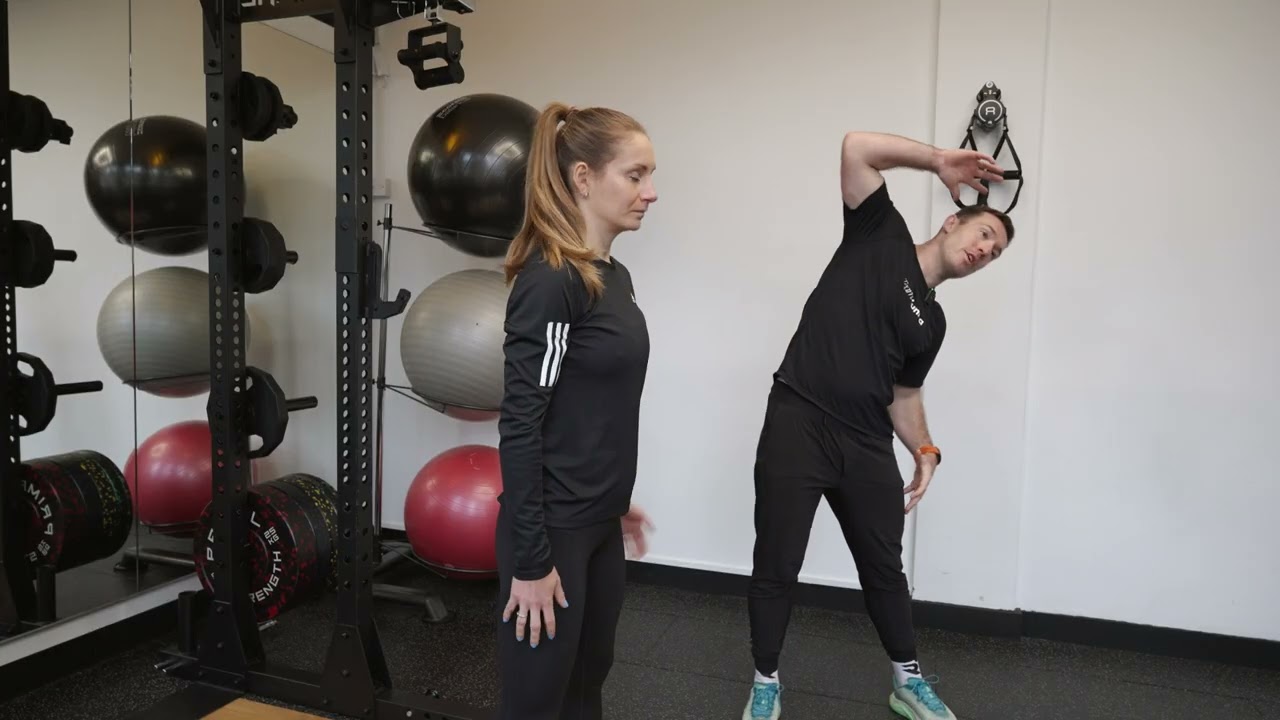
- Execution: Stand with your feet hip-width apart. Raise one arm overhead and gently reach over to the opposite side, feeling a stretch along the lateral flank of your torso. Alternate sides in a smooth, continuous flow.
- Purpose: Mobilizes the intercostal muscles between the ribs, expands chest capacity for improved breathing mechanics, and releases lateral tightness in the lower back and hips.
3. Standing Diagonal Toe Tap
- Duration: 30 seconds
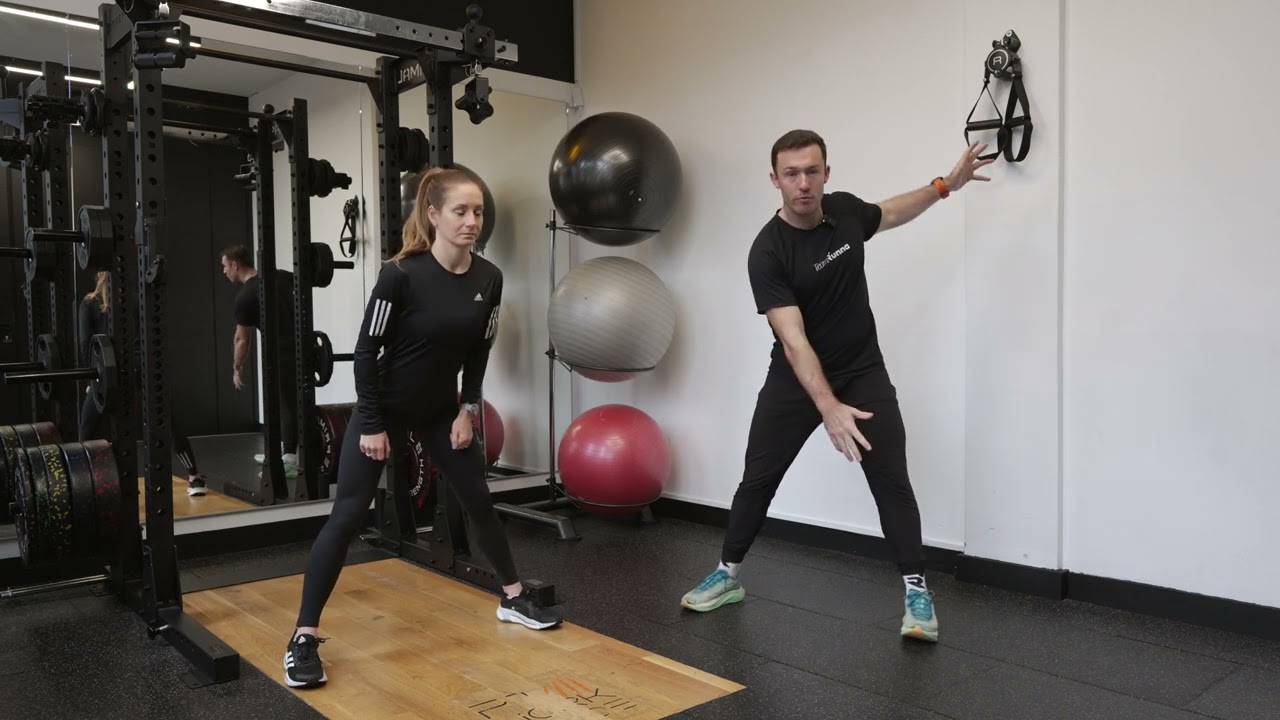
- Execution: Stand with a wide base, arms extended out to the sides. Engage your core and reach your right hand across your body to tap your left toe, returning to the starting position before switching to the left hand touching the right toe.
- Purpose: Bridges upper- and lower-body coordination, gently stretches the hamstrings, and activates the core stabilizers required to maintain upright posture during a long run.
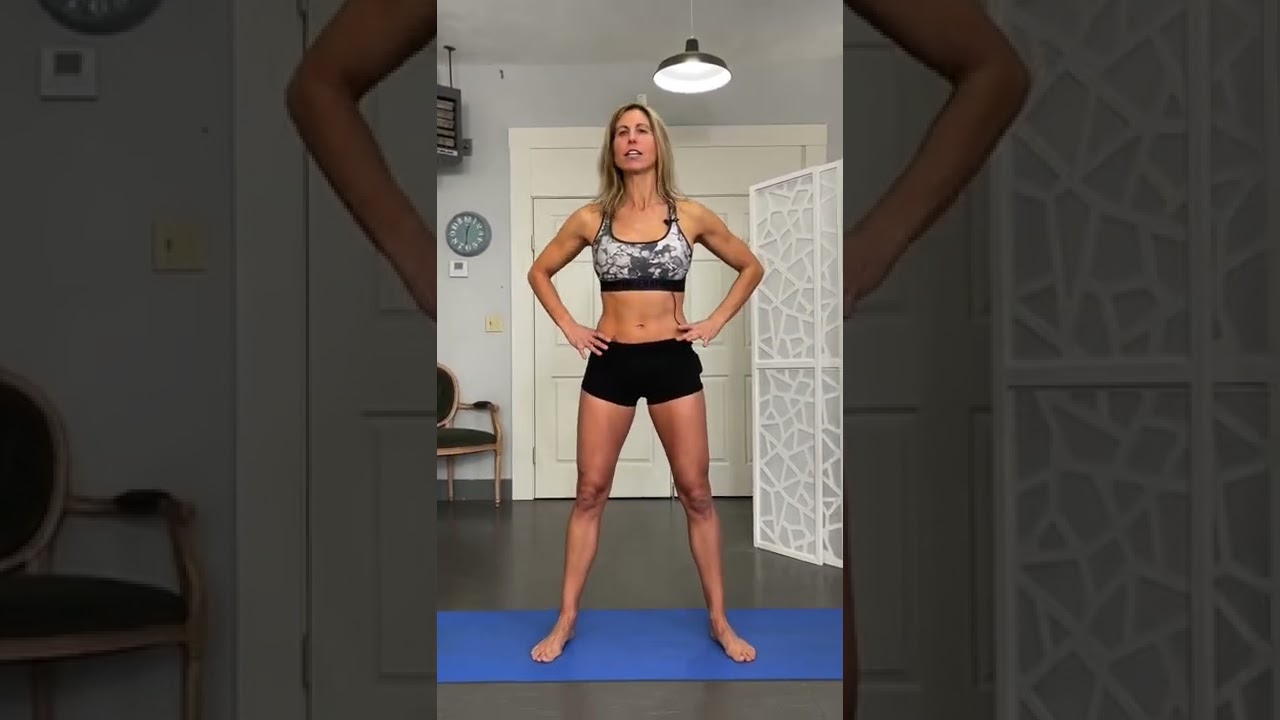
4. Hip Circles
- Duration: 30 seconds
- Execution: Place your hands on your hips and plant your feet slightly wider than shoulder-width apart. Smoothly roll your hips in wide, circular motions, completing several rotations in a clockwise direction before reversing counter-clockwise.
- Purpose: Directly targets the hip capsule, loosening stiffness in the gluteal region and lower back to ensure a full, uninhibited stride length.
5. Open and Close the Gate
- Duration: 30 seconds per side
- Execution: Stand on one leg. Lift the opposite knee up toward your chest, sweep it out to the side ("opening the gate"), and place it down. Reverse the motion ("closing the gate") by bringing your leg in from the side. Complete all reps on one side before switching.
- Purpose: Essential for activating the hip abductors and adductors, enhancing multi-planar hip mobility, and preventing lateral knee tracking issues.
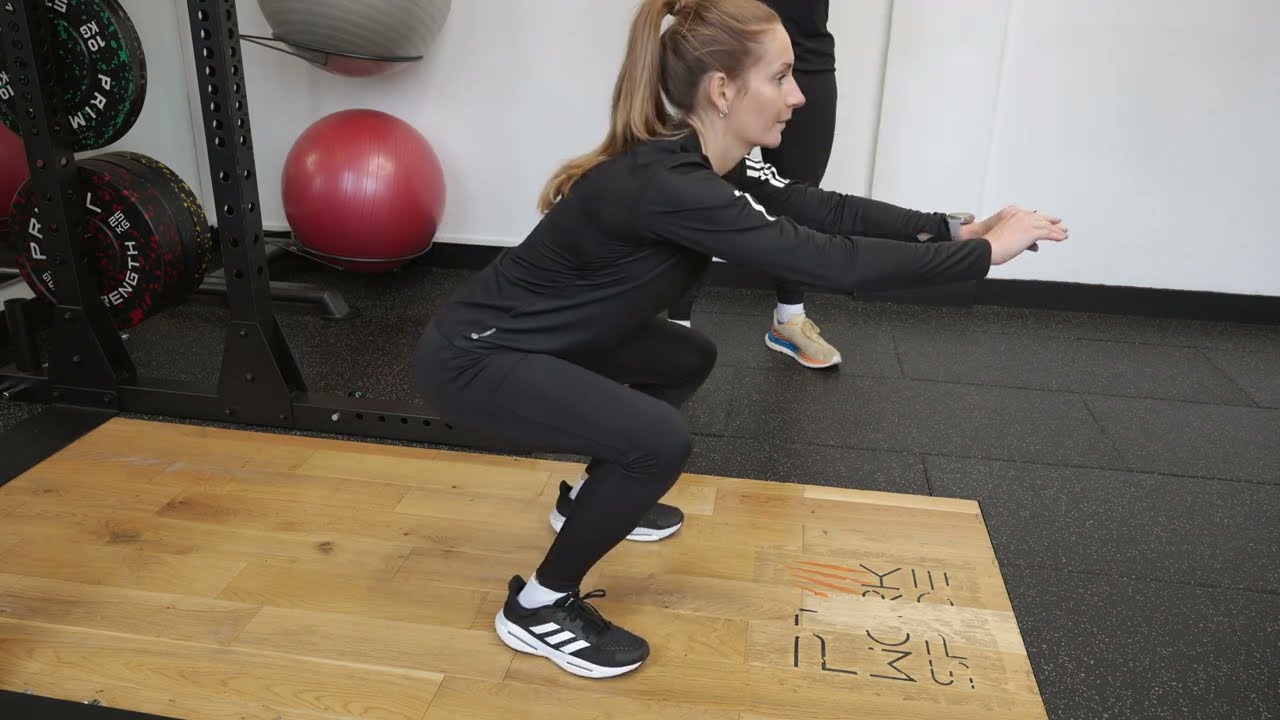
6. Squat into Calf Raise
- Duration: 30 seconds
- Form Tip: Initially, only lower into the squat as far as you can comfortably, increasing your depth progressively as your mobility improves.
- Execution: Lower your hips back and down into a bodyweight squat, keeping your chest proud and heels planted. As you drive back up to a standing position, immediately transition onto your toes into a powerful calf raise.
- Purpose: Recruits the quadriceps, glutes, hamstrings, and gastrocnemius (calf muscles) in a compound movement that mimics the propulsion and absorption phases of running.
7. Walking A-Skip
- Duration: 30 seconds
- Execution: Perform a slow, exaggerated march while moving forward. As you step, drive one knee up toward your chest while simultaneously hopping lightly off the supporting foot, driving the opposite arm forward in a running motion.
- Purpose: Introduces plyometric elements at low intensity, improves running coordination, enhances knee lift mechanics, and stimulates neuromuscular firing.
8. Pogo Jumps
- Duration: 30 seconds
- Execution: Stand tall and perform small, rapid, continuous hops on the spot. Keep your knees relatively straight, focusing on utilizing the elasticity of your ankles and calves rather than bending deeply into a squat with each jump.
- Purpose: Trains the Achilles tendon and calf complex to act as stiff springs, preparing the lower leg for the high-frequency impact forces experienced during distance running.
Future Outlook: The Integration of Science and Everyday Running
As the running community continues to professionalize its approach to amateur endurance sport, the cultural stigma surrounding pre-run routines is rapidly dissolving. No longer viewed as an unnecessary chore that eats into precious training time, the five-minute dynamic warm-up is being embraced as an essential pillar of longevity in the sport.
Looking ahead, sports scientists predict that personalized warm-up protocols—tailored to an individual’s specific biomechanical imbalances, historical injury patterns, and the exact metabolic demands of the day’s workout—will become standard via wearable technology and fitness applications. Whether an athlete is targeting a personal best at the Berlin Marathon or simply completing a Saturday morning 5K with a local run club, the transition from cold-start running to intelligent preparation marks a major step forward in athletic self-care.
By investing just 300 seconds before setting off, runners are not only safeguarding their joints and tendons against wear and tear; they are unlocking a smoother, more efficient, and ultimately more enjoyable stride from the very first mile to the last.