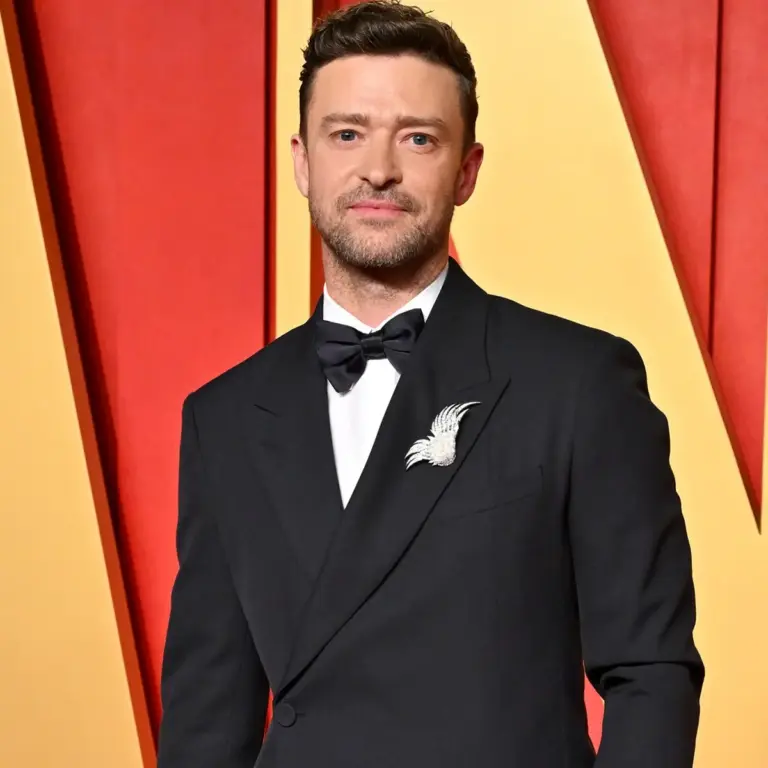
As the amber hues of late summer begin to stretch across the asphalt of Manhattan, the city undergoes its biannual metamorphosis. New York Fashion Week (NYFW) has officially kicked off, signaling both the bittersweet farewell to summer vacations and the thunderous arrival of the spring 2027 ready-to-wear season. Transforming the five boroughs into a sprawling, high-octane playground for avant-garde expression, luxury commerce, and celebrity-studded spectacle, this season’s showcase promises to redefine the boundaries of American style.
The stakes for the spring 2027 calendar are exceptionally high. Amid shifting global retail landscapes, evolving consumer demands, and economic recalibrations within the luxury sector, New York remains the indomitable crucible of commercial viability and streetwear-infused haute couture. This season’s schedule is particularly magnetic, highlighted by monumental collection debuts—such as Henry Zankov taking the creative reins for Diane von Furstenberg (DVF)—and strategic geographical pivots, including London fixture Conner Ives temporarily relocating his visionary presentation across the Atlantic.
Beyond the meticulously crafted garments drifting down the runways, the cultural gravitational pull of NYFW lies firmly in its front rows. A convergence point for Hollywood royalty, chart-topping musicians, digital icons, and industry titans, the front row functions as a barometer of contemporary cultural relevance. Building on the momentum of previous seasons—which famously drew heavyweights like Rihanna, Dakota Johnson, and breakout star Sarah Pidgeon—the spring 2027 edition has already commenced its star-studded roll call.
This comprehensive report offers an authoritative, real-time chronicle of the spring 2027 New York Fashion Week. Examining the structural shifts in the American fashion ecosystem, detailing the standout collections, analyzing the commercial metrics driving the event, and cataloging the definitive front-row appearances, this investigation serves as the definitive guide to the week shaping the future of global style.
Detailed Chronology: The Opening Days Unfold
Day One: Setting the Tone for Spring 2027
The energy on the opening morning of NYFW was palpable, a kinetic blend of nervous anticipation and sartorial bravado. Editors, buyers, and influencers braved the September humidity, migrating between Lower Manhattan presentation spaces and cavernous Chelsea warehouses. The overarching narrative of Day One was a return to structural integrity. Designers are moving away from the hyper-casual loungewear remnants of the post-pandemic era, leaning instead into sharp tailoring, architectural silhouettes, and tactile fabrics that command attention in physical spaces rather than just through a smartphone screen.
The early shows established a dialogue between heritage and rebellion. Established houses leaned into their archives, reinterpreting foundational pieces through modern lenses, while emerging talents utilized unorthodox materials—reclaimed plastics, organic linens, and smart textiles—to signal an industry-wide pivot toward conscious creation.
The Zankov Era at DVF and the Conner Ives Migration
The most anticipated moments of the early calendar arrived with high-profile schedule shifts. Industry insiders packed into the venue for Henry Zankov’s debut interpretation for Diane von Furstenberg. Zankov, widely lauded for his mastery of color, knitwear, and graphic storytelling, stepped into the DVF ecosystem with the daunting task of honoring the legendary wrap-dress creator while injecting his own distinct, modern vibrancy. The result was a masterclass in dynamic juxtaposition: fluid silhouettes danced alongside structured geometric patterns, proving that the DVF woman for spring 2027 is unapologetically bold, sophisticated, and fiercely independent.
Simultaneously, the trans-Atlantic fashion migration added an electric charge to the schedule. Conner Ives, a darling of the London fashion scene celebrated for his nostalgic, American-heritage-meets-Y2K aesthetics, made the bold decision to stage his latest presentation in New York. The collection served as a love letter to American archetypes—prom queens, grunge icons, and suburban rebels—reimagined through Ives’s signature upcycled and sustainable frameworks. His presence on the New York calendar underscores the city’s enduring magnetic pull for designers seeking a platform that merges commercial scale with cultural velocity.
The Front-Row Phenomenon: Where Culture Meets Capital
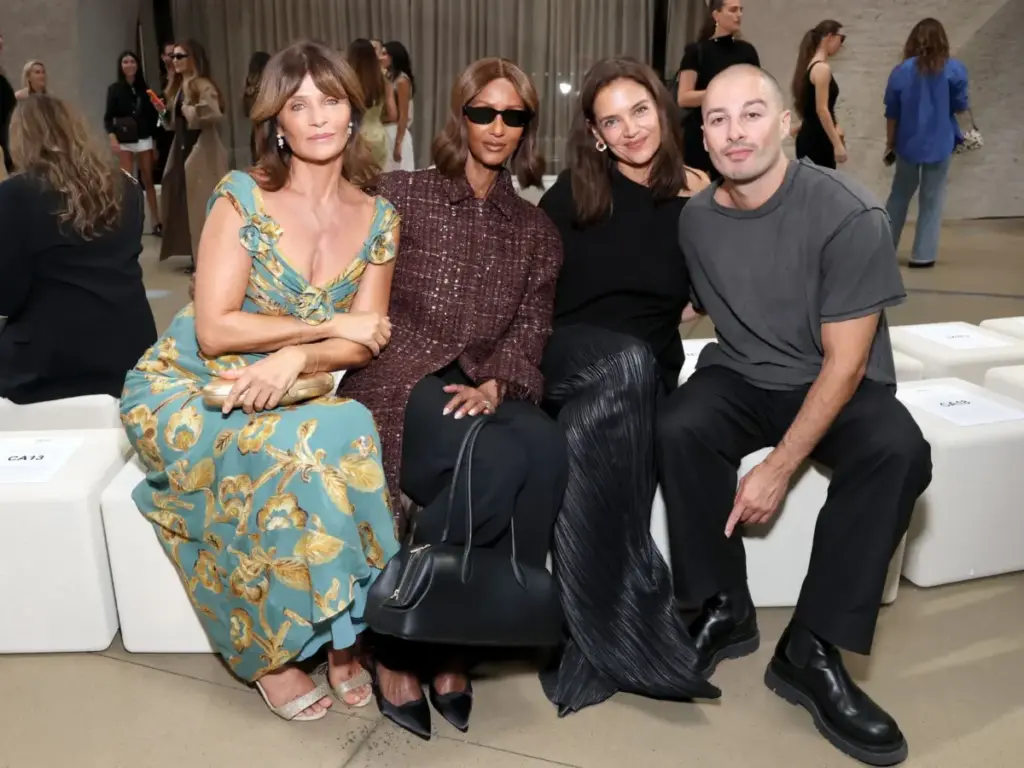
While the garments remain the primary focal point, the front row functions as the cultural currency of NYFW. The opening days have already delivered a masterclass in strategic celebrity positioning. Photographers’ lenses flashed relentlessly as a diverse roster of A-list actors, Grammy-winning musicians, and cultural icons took their seats.
Reflecting on past seasons—such as the unforgettable sightings of Rihanna commanding attention in avant-garde outerwear, Dakota Johnson epitomizing understated elegance, and Sarah Pidgeon capturing the zeitgeist of young Hollywood—this season’s attendees have raised the bar. Stylists and brands have orchestrated tightly curated seating charts designed to generate maximum social media fragmentation, ensuring that every gasp, smile, and outfit change is broadcast to millions of engaged digital consumers within seconds of the runway walk.
Supporting Context & Metrics: The Business of NYFW
Economic Impact and Tourism Infusion
Beneath the glossy veneer of champagne toasts and flashbulbs lies a multi-billion-dollar economic engine. According to data compiled by the New York City Economic Development Corporation (NYCEDC), Fashion Week generates hundreds of millions of dollars in annual economic impact for the city, supporting thousands of jobs across hospitality, transport, production, beauty, and retail sectors.
Metric Category
Estimated Impact / Figure
Key Drivers
Direct Economic Impact
~$600 Million Annually
Hotel bookings, restaurant reservations, event production, security.
Employment Supported
~180,000 Jobs
Design studios, freelance stylists, hair and makeup artists, hospitality staff.
Immediate "See Now, Buy Now" sales and pre-order spikes following shows.
The influx of international buyers, press, and high-net-worth individuals translates to a monumental seasonal spike for Manhattan luxury hotels, fine dining establishments, and high-end retail flagships along Fifth and Madison Avenues. Furthermore, the digitalization of the event—including high-definition livestreams and virtual reality front-row experiences—has expanded the economic footprint far beyond the physical boundaries of New York City, capturing a truly global digital consumer base.
Sustainability and the Shift Toward Conscious Luxury
The spring 2027 calendar reflects an industry grappling with its ecological footprint. For years, critics have targeted the waste generated by transient runway sets, expedited shipping logistics, and single-use promotional materials. In response, the Council of Fashion Designers of America (CFDA), in collaboration with independent sustainability auditors, has implemented rigorous reporting guidelines for participating houses.
Key sustainability trends defining the spring 2027 collections include:
Circular Design Frameworks: An increasing reliance on deadstock fabrics, biodegradable textiles, and closed-loop manufacturing processes.
Carbon-Neutral Productions: Brands offsetting event emissions through localized sourcing, energy-efficient lighting grids, and digital-first press kits that eliminate paper waste.
Longevity over Fast Trends: Garments engineered for durability and versatility, responding to consumer demand for clothing that transcends a single season or social media cycle.
Official Statements and Industry Perspectives
The convergence of art and commerce at New York Fashion Week invariably prompts reflection from the leaders steering the global fashion apparatus.
Steven Kolb, CEO of the Council of Fashion Designers of America (CFDA), remarked on the evolving identity of American fashion:
"New York continues to be a city of resilience and reinvention. The spring 2027 collections demonstrate that our design community is not merely reacting to global economic shifts, but actively shaping the conversation around what modern luxury means. By welcoming international talent like Conner Ives back into our fold and celebrating visionary transitions like Henry Zankov at DVF, we reaffirm New York’s status as the most dynamic, inclusive, and commercially vital fashion capital in the world."
Designer Henry Zankov shared his design philosophy regarding his highly anticipated debut:
"Stepping into the legacy of Diane von Furstenberg is both an honor and a profound challenge. For spring 2027, I wanted to honor her foundational ethos of female liberation and ease while introducing a vibrant, tactile complexity through knitwear and color theory. Fashion week in New York gives you a unique kind of energy—it’s fast, it’s demanding, but it pushes you to articulate your vision with absolute clarity."
Aiden Vance, Senior Luxury Retail Analyst at Global Consumer Insights, highlighted the commercial imperatives of the current season:
"The front row and the runway are no longer isolated entities; they are a singular marketing ecosystem. For brands presenting this week, the primary metric of success is not just critical acclaim from print editors, but the velocity of digital engagement and immediate conversion rates. What we are seeing on the spring 2027 runways is a masterclass in balancing wearable, high-quality manufacturing with viral, culturally resonant styling moments."
Future Outlook: What to Expect in the Days Ahead
As New York Fashion Week Spring 2027 rolls past its opening milestones, the momentum shows no sign of decelerating. The upcoming days promise a flurry of high-profile presentations, boundary-pushing conceptual shows, and exclusive after-parties that will dominate cultural discourse well into the autumn months.
Several key storylines will dictate the remainder of the week:
Emerging Incubators: Continued spotlights on the CFDA/Vogue Fashion Fund finalists and incubator programs, ensuring that the next generation of American design talent receives vital institutional backing.
Tech-Integrated Runways: Anticipation surrounding designers incorporating augmented reality (AR), artificial intelligence-generated prints, and interactive digital garments into their physical showcases.
The Celebrity Circuit Evolution: As the schedule progresses into its peak weekend slots, speculation mounts regarding which unexpected global icons will grace the remaining front rows, cementing the symbiotic relationship between Hollywood image-makers and New York designers.
Ultimately, New York Fashion Week remains an unyielding testament to creativity’s power to inspire, provoke, and commercialize dreams. As the spring 2027 collections continue to unfold in real time, one truth remains absolute: the Big Apple is, and always will be, the runway where the future of fashion finds its voice.


.jpg5.jpg)