Executive Overview
For decades, the pursuit of a flawless, creaseless under-eye area felt like a high-stakes beauty ritual. Millions of makeup wearers worldwide have experienced the universal frustration of applying a hydrating, high-coverage concealer, only to watch it crease, slide, or completely fade away by midday. Traditionally, the battle against midday melt involved an extra, heavy-handed step: baking or setting the under-eye area with layers of translucent or tinted powder. While this classic technique successfully locked pigment in place, it frequently came at a steep cost—accentuating fine lines, creating a dry, cakey texture, and stripping the skin of its natural, youthful luminosity.
Enter the self-setting concealer: a revolutionary category of cosmetic formulation designed to do it all independently, rendering setting powder entirely optional.
Promising long-wear performance, seamless blendability, and a skin-like finish without the structural reinforcement of powders, self-setting concealers represent a massive leap forward in cosmetic chemistry. But how do these innovative formulas actually work? Do they genuinely live up to the marketing hype, or are they just another fleeting industry trend?
To answer these questions, we consulted top-tier celebrity makeup artists, cosmetic product developers, and artistry executives to break down the science behind self-setting technology, analyze how it differs from traditional formulations, and highlight the standout products leading the charge in 2026.
Detailed Chronology: The Evolution of Under-Eye Perfection
To truly appreciate the engineering marvel of modern self-setting concealers, it helps to examine how under-eye makeup technology has evolved over the years.
Era 1: The Heavy Creams and Grease Traps (Early 2000s and Prior)
In the early days of modern commercial cosmetics, concealers were heavily oil- or wax-based. Designed primarily for heavy camouflage and theatrical or television use, these pots and sticks offered immense pigment density. However, they lacked flexibility. As facial expressions moved throughout the day, the product inevitably pooled into fine lines and wrinkles. Powder was an absolute necessity just to keep the product from sliding completely off the face.
Era 2: The Liquid Revolution and the Rise of "Baking" (2010–2018)
The rise of high-definition cameras and social media beauty culture brought forward liquid concealers packaged with doe-foot applicators. These formulas offered easier application and lighter textures, but they still suffered from oxidation and creasing. This era popularized the social media phenomenon of "baking"—leaving a thick layer of translucent powder over liquid concealer for several minutes to absorb excess oils and "bake" the product into a rigid, ultra-matte mask. While popular for photography, this technique proved increasingly unwearable for everyday life, particularly for mature skin types prone to dehydration.
Era 3: The Skincare-Infused Hybrid Boom (2019–2023)
As consumers demanded products that worked with their skin rather than merely masking it, the market flooded with "serum concealers." These hybrids integrated active ingredients like hyaluronic acid, peptides, and vitamin C. While immensely hydrating and comfortable, these fluid formulas possessed virtually no inherent setting power. They remained inherently tacky, demanding an aggressive powder step to lock down coverage—which frequently counteracted the dewy, skincare-driven benefits of the product.
Era 4: The Self-Setting Epoch (2024–Present)
Today, we are living through the golden age of self-setting technology. Thanks to breakthroughs in polymer science and micro-emulsion techniques, formulators have successfully bridged the gap. Modern self-setting concealers deliver the slip and blendability of a fluid serum during initial application, followed by a chemical transformation that locks the pigments down into a flexible, transfer-resistant matrix—completely bypassing the need for finishing powders.
Supporting Context & Metrics: The Science of Self-Setting Formulations
What separates a standard liquid concealer from a true self-setting marvel? According to leading industry chemists and pro artists, it all comes down to two major chemical components: volatile fluid carriers and advanced film-forming agents.
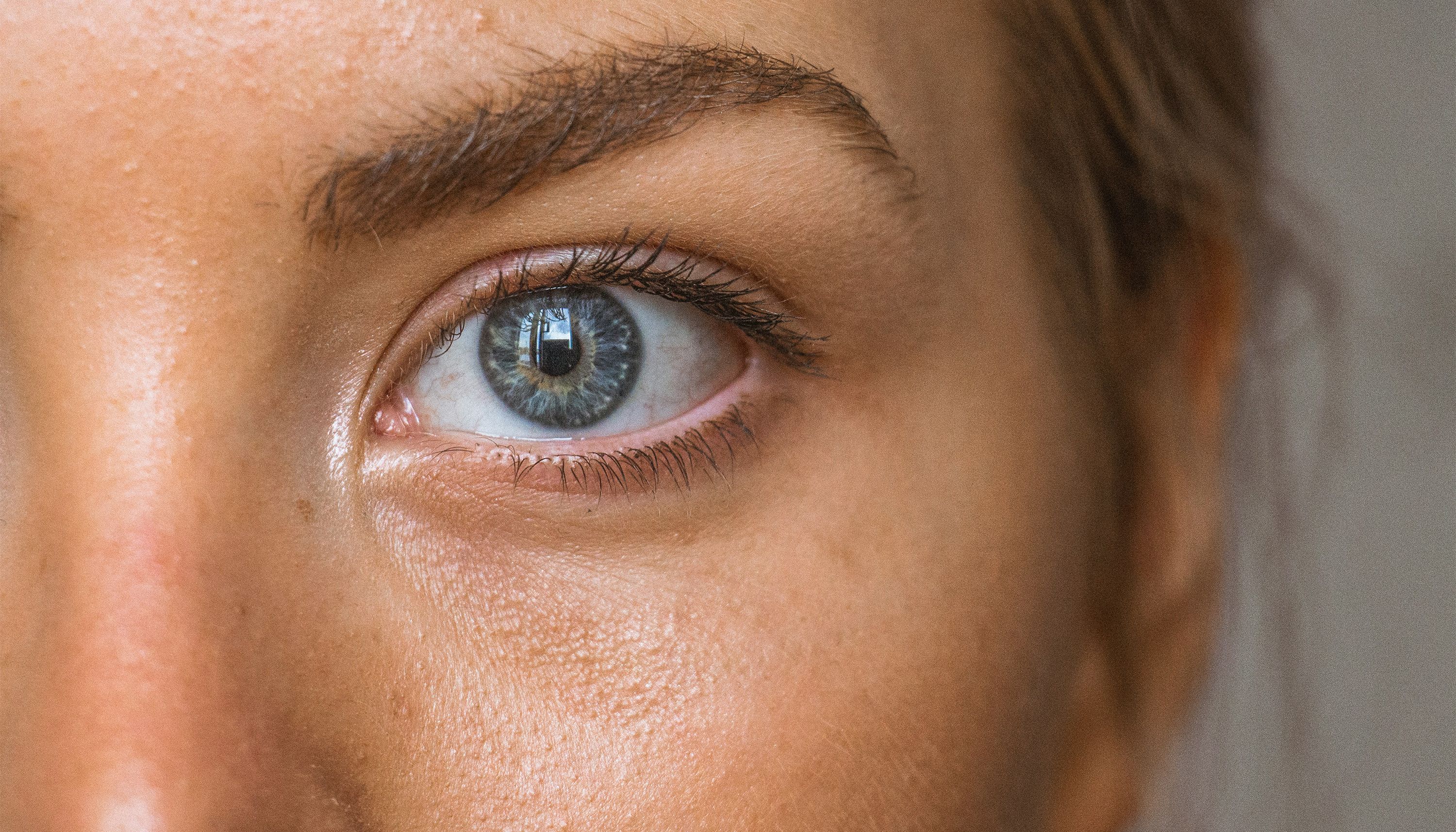
The Anatomy of a Self-Setting Formula
- Micro-Powder Particles: Unlike loose powders dusted on top of the skin, these are micronized powders suspended directly within the liquid emulsion. They fill micro-crevices and diffuse light instantly upon contact.
- Volatile Liquids (The Evaporative Phase): These are lightweight, fast-evaporating solvents that give the concealer its initial creamy "slip." When you buff or blend the product, these volatile components evaporate into the air within seconds of application.
- Film-Forming Polymers: Think of these as an invisible, microscopic mesh or scaffolding. Once the volatile liquids evaporate, the film-formers contract gently, locking the pigment molecules securely against the skin without restricting natural facial movement.
[Creamy Initial Application]
       │ (Blendable, high slip)
       ▼
[Evaporative Phase]
       │ (Volatile liquids flash off into the air)
       ▼
[Film-Formation & Lock]
       │ (Flexible polymer mesh secures pigment; no powder needed)
       ▼
[Set, Transfer-Resistant Finish]
The Consumer Shift: Why Powder Is Becoming Optional
Market data from professional artistry brands reveals a dramatic shift in consumer purchasing habits. Over the past twenty-four months, sales of traditional loose setting powders have plateaued, while multi-functional, self-setting complexion products have seen exponential growth.
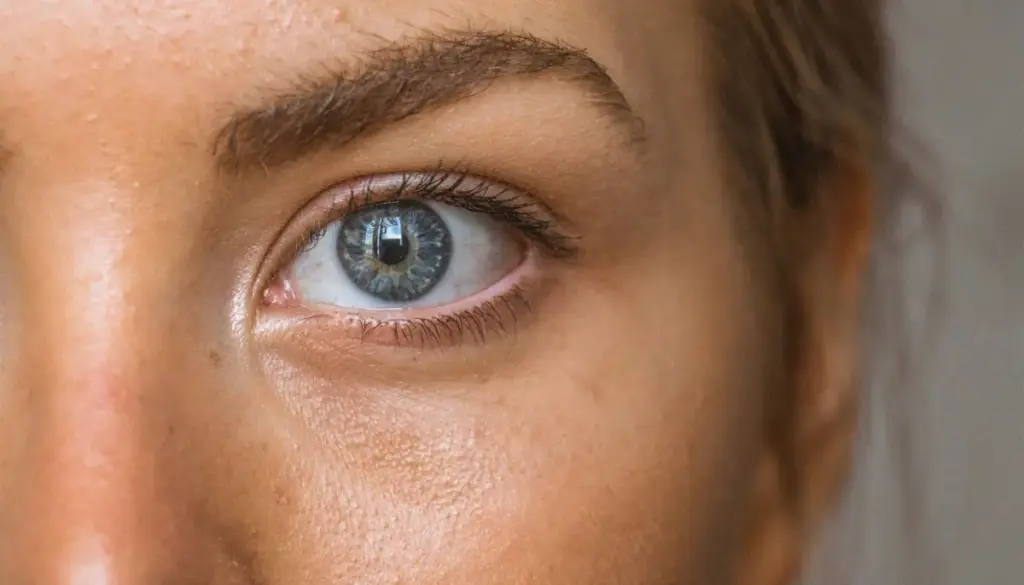
Consumers—particularly those over the age of thirty—are actively seeking ways to simplify their makeup routines while reducing the amount of powder layered onto delicate areas. The delicate skin under the eye is roughly one-third the thickness of facial skin elsewhere; minimizing heavy, moisture-sapping powders prevents premature creasing and preserves a youthful, radiant finish throughout the day.
Expert Insights and Official Industry Perspectives
To understand how these formulations perform in the real world—on film sets, bridal clients, and everyday wearers alike—we turned to the professionals who test them under the harshest conditions.
Melissa Hurkman: The Celebrity Perspective
Celebrity makeup artist Melissa Hurkman defines the category simply:
"A self-setting concealer is basically a concealer that’s formulated to set down on its own after application, so you don’t necessarily need to go over it with a separate setting powder. It usually starts out creamy and blendable, then dries down to more of a soft, set finish."
Hurkman notes that the secret to maximizing these formulas lies in restraint and proper technique. Even with advanced technology, application habits dictate the final result:
"You want to use thin layers and avoid applying more product than you actually need."
Jenna Flug: Flexibility and Formula Variance
Jenna Flug, professional makeup artist and founder of Powder Room, emphasizes the transitional nature of these products:
"It has enough movement when first applied to blend easily, then dries down into a thinner, less tacky layer that is less likely to slide around."
However, Flug offers a crucial warning to shoppers: self-setting is not a standardized cosmetic category.
"Formulas can vary quite a bit. Some lock down firmly, while others simply develop a soft, powder-like finish. It’s important to understand what your skin type needs before choosing a product."
Eddie Duyos: Professional Pro Artistry and Co-Creation
Eddie Duyos, senior manager of pro artistry and product co-creation at MAKE UP FOR EVER, highlights the artistic freedom self-setting concealers provide:
"It gives you more flexibility in how you finish your makeup, so loose or pressed powder becomes more of a choice based on the finish you want rather than something you need for longevity."
Duyos explains that modern formulation technology makes it possible to engineer thinner, weightless textures that simultaneously accommodate a higher pigment load. This makes self-setting concealers exceptionally potent for color-correcting dark circles or hyperpigmentation without building unwanted bulk or texture under the eyes.
Spotlight on the Best Self-Setting Concealers
When shopping for a self-setting concealer, Duyos recommends evaluating your specific skin type and desired finish. Look for products that feel lightweight, offer buildable coverage, and set comfortably without leaving the delicate under-eye area looking dry, flat, or overly matte.
Here are two standout formulations currently dominating professional kits and consumer wish lists alike:
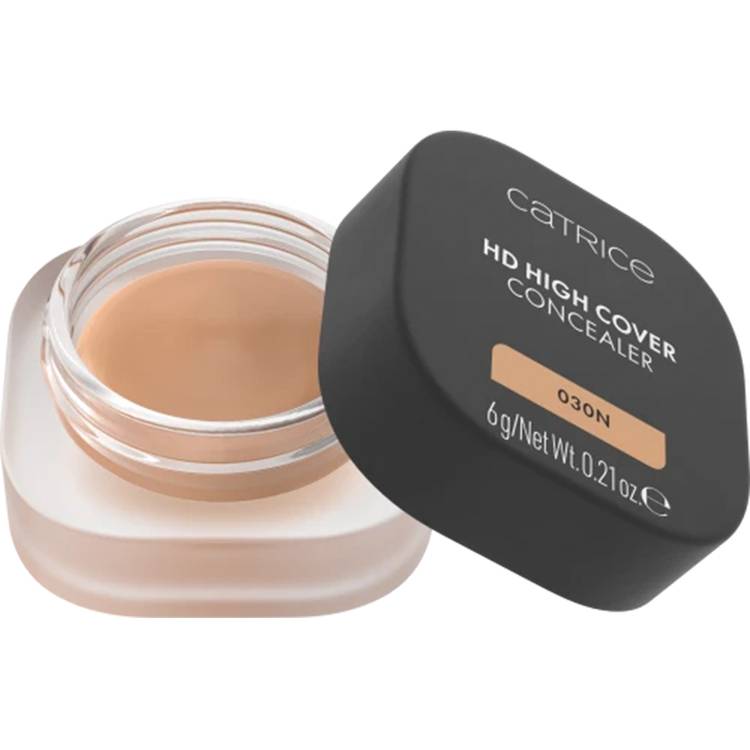
1. Catrice HD High Cover Concealer ($8)
- The Verdict: A cult-favorite budget powerhouse.
- Pro Endorsement: "I really love the new Catrice HD High Cover Concealer—it has been my go-to, not only for myself, but for my clients," says Melissa Hurkman. "It gives the perfect blur to the skin and covers seamlessly while setting itself enough that you don’t need to use powder over top."
- Why It Works: Delivering high-definition coverage at an accessible drugstore price point, this liquid formula utilizes fine-milled blurring pigments that diffuse light away from dark circles and fine lines, setting down to a velvety, non-tacky finish.
2. Westman Atelier Vital Skincare Concealer ($48)
- The Verdict: The ultimate luxury skincare-makeup hybrid.
- Pro Endorsement: Formulated by legendary makeup artist Gucci Westman (frequently trusted by A-list icons like Nicole Kidman and Jennifer Aniston), this luxury offering merges high-performance coverage with active skin-conditioning ingredients.
- Why It Works: Designed to give you the absolute best of both worlds, it treats the delicate under-eye area like a luxury eye cream while incorporating intelligent film-forming technology that locks pigment in place without a hint of chalkiness or cake.
Future Outlook: What’s Next for Complexion Technology?
As cosmetic chemistry continues to accelerate, the boundary between skincare and high-performance makeup will continue to dissolve. Industry insiders predict several key developments on the horizon for self-setting technologies:
- Adaptive Polymers: Future iterations of self-setting concealers will likely feature climate-adaptive polymers that adjust their moisture-locking properties based on ambient humidity and the user’s micro-climate (body temperature and sweat levels).
- Expanded Shade and Undertone Inclusivity: With higher pigment loads becoming easier to suspend in lightweight, self-setting fluid bases, brands can push past traditional shade ranges into truer olive, neutral, and ultra-deep undertones without sacrificing the dry-down performance.
- Extended Skincare Infusion: Expect to see advanced peptides, barrier-repair ceramides, and encapsulation technologies built directly into self-setting matrices, turning your daily concealer application into an active 12-hour skincare treatment.
Final Thoughts
The era of heavy, powder-baked under-eyes is officially drawing to a close. By harnessing the power of volatile liquid carriers and flexible film-forming polymers, self-setting concealers have transformed a tedious, error-prone makeup step into a streamlined, high-performance experience. Whether you choose an accessible drugstore favorite like Catrice or indulge in a luxury skincare hybrid like Westman Atelier, one thing is certain: your morning routine just got faster, lighter, and remarkably more reliable.