Executive Overview
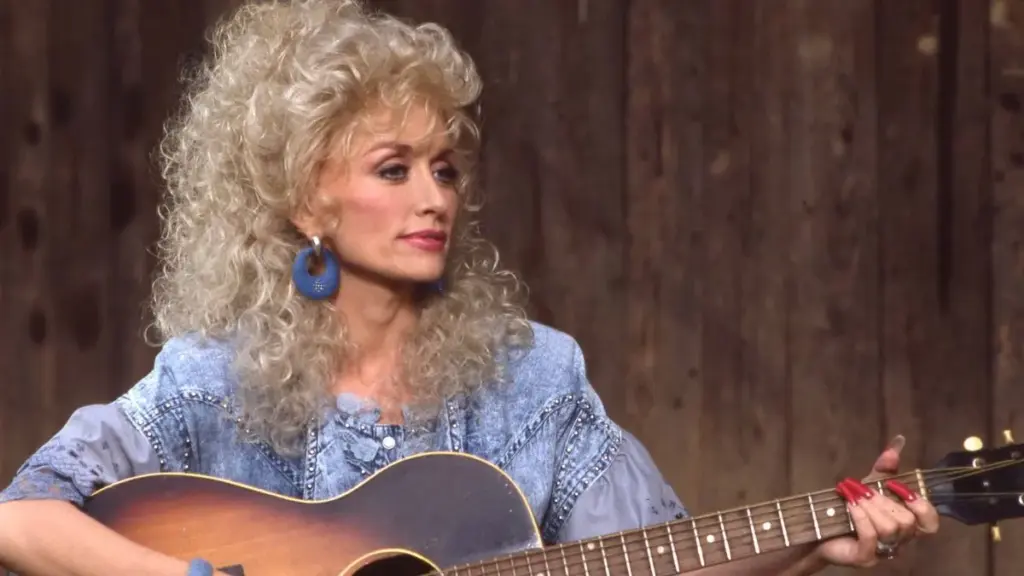
The global entertainment community continues to process the profound loss of legendary country music icon Dolly Parton. Her passing, which followed just sixteen months after the death of her lifelong husband, Carl Thomas Dean, marks the end of one of the most enduring and unique love stories in modern cultural history. For nearly six decades, Parton and Dean cultivated a partnership that defied the conventional expectations of celebrity marriages. While Parton’s meteoric rise carried her to the absolute pinnacle of global stardom—accumulating multiple Grammy Awards, pioneering philanthropic endeavors, and cementing herself as a cultural touchstone—Dean remained resolutely behind the scenes, a notoriously private businessman who preferred the quiet solitude of their Tennessee home over the flashing lights of Hollywood and Nashville premieres.
Despite the monumental scale of Parton’s career, one of the most enduring areas of public fascination regarding the couple centered on their family life—specifically, their decision not to have children. Throughout their decades-long marriage, the couple navigated both natural expectations and private health challenges, ultimately choosing to frame their family through a wider lens. Parton, who grew up as one of twelve siblings in rural Appalachia, embraced an expansive maternal role in the lives of her numerous nieces, nephews, and godchildren, most notably pop superstar Miley Cyrus.
This comprehensive retrospective examines the remarkable trajectory of Parton and Dean’s marriage, the intimate details behind their decision not to have children, the health challenges that ultimately shaped their family planning, and the foundational meeting that sparked a romance lasting more than half a century.
Detailed Chronology
The Laundromat Encounter: A Nashville Fairy Tale (1964)
The romance between Dolly Parton and Carl Dean reads like the lyrics of one of the singer’s own classic story-songs. In 1964, a teenage Parton packed up her belongings and moved from her impoverished rural Smoky Mountain home to Nashville, Tennessee, driven by an unshakeable dream of pursuing a professional career in country music.
Recalling their serendipitous initial meeting, Parton often shared the charming simplicity of the moment. Fresh off the bus and eager to settle into her new surroundings, the eighteen-year-old Parton realized her traveling wardrobe was in desperate need of cleaning.
"I’d come to Nashville with dirty clothes," Parton recalled in subsequent interviews. "I was in such a hurry to get here. And after I’d put my clothes in the machine, I started walkin’ down the street, just lookin’ at my new home, and this guy hollered at me, and I waved. Bein’ from the country, I spoke to everybody. And he came over and, well, it was Carl, my husband."
Carl Thomas Dean, then twenty-one years old and working in asphalt laying, was immediately struck by the vibrant, charismatic young singer. Unlike many who would later seek proximity to Parton for her burgeoning fame, Dean was drawn to her authentic spirit.
Courtship and Marriage (1966)
Following their initial meeting outside the Wishy Washy laundromat, the couple embarked on a two-year courtship characterized by quiet dates—often consisting of driving around in Dean’s white Chevy pickup truck or grabbing fast food.
On May 30, 1966, when Parton was just twenty years old and her career was beginning to show early glimmers of promise, the couple tied the knot in Ringgold, Georgia. Understanding that Parton’s management feared a married female country artist might struggle to attract a commercial fanbase, the wedding was kept remarkably low-key. Only Parton’s mother, Avie Lee Parton, was present as a witness.
Even as Parton’s star ascended rapidly through the late 1960s and 1970s with timeless hits like "Coat of Many Colors" and "Jolene," Dean maintained an absolute boundary between his private existence and her public persona. While Parton graced television screens, stadium stages, and international red carpets, Dean lived a peaceful life managing an asphalt-paving business in Nashville, rarely attending industry events and famously declining to join his wife at major award shows.
Early Family Assumptions and Life Shifts (1970s–1980s)
In the early years of their marriage, Parton and Dean naturally anticipated that children would eventually enter their lives. Like many newlyweds of their generation, parenthood was viewed as an inevitable next chapter rather than a deliberate point of debate.
However, the relentless pace of Parton’s professional schedule—featuring grueling tour circuits, television appearances, songwriting sessions, and film ventures—pushed family planning into the background. As the 1980s commenced, the couple’s approach to family life shifted from assumption to reflection.
The Endometriosis Diagnosis and Medical Reality (1982)
The trajectory of Parton’s personal life experienced a significant turning point in 1982. Amid a punishing touring schedule, Parton began suffering from severe abdominal pain and heavy internal bleeding. The physical toll became unbearable, forcing the singer to abruptly cancel her 1982 concert tour to seek immediate medical intervention.
Following comprehensive diagnostic evaluations, medical professionals diagnosed Parton with endometriosis—a painful, chronic disorder in which tissue similar to the lining of the uterus grows outside the uterine cavity. To address the severity of her condition and alleviate the chronic pain, Parton underwent major surgery, specifically a partial hysterectomy. The procedure involved the surgical removal of her uterus, conclusively ending any biological possibility of carrying children.
The diagnosis and subsequent surgery initiated a period of deep emotional reflection for both Parton and Dean. Rather than allowing the medical reality to cause permanent despair, the couple collectively processed the news through a lens of philosophical acceptance and spiritual faith.
Supporting Context & Metrics
Embracing an Extended Family
While Parton and Dean did not raise biological children of their own, the matriarchal role remained central to Parton’s identity. Coming from a tight-knit Appalachian household where she helped raise many of her younger siblings, Parton channeled her natural nurturing instincts into a vast network of younger relatives.
- The Sibling Dynamic: Parton was the fourth of twelve children born to Robert Lee Parton and Avie Lee Owens, providing her with a lifelong understanding of large family dynamics.
- Nieces, Nephews, and Godchildren: Parton maintained deeply involved relationships with her numerous nieces and nephews, frequently supporting their educational and artistic pursuits. Notably, she served as the godmother to pop icon Miley Cyrus, mentoring her through the complexities of transitioning from child television stardom to a mainstream global music career.
- The Imagination Foundation: Beyond familial ties, Parton’s dedication to children manifested globally through her Imagination Library, a philanthropic initiative launched in 1995 that has gifted over 200 million free books to children worldwide, reinforcing her legacy as a universal maternal figure.
Public Perceptions vs. Private Reality
Throughout her career, interviewers frequently questioned Parton about her childless status—a line of questioning that often reflected the societal pressures placed on women in the public eye during the late twentieth century. Parton handled these inquiries with trademark wit, grace, and unwavering transparency.
| Interview Year | Platform / Publication | Core Statement Regarding Parenthood |
|---|---|---|
| 2014 | Billboard Magazine | "When we got married, we just assumed we would have kids… We even had names if we did, but it didn’t turn out that way." |
| 2017 | The Today Show | "God has a plan for everything… I think it probably was his plan for me not to have kids so everybody’s kids could be mine. And they are now." |
Official Statements and Personal Reflections
Dolly Parton was consistently open about the evolution of her emotional landscape concerning motherhood. Initially admitting to moments of traditional regret, she ultimately reframed her life’s purpose around her career and her ability to impact millions of young lives.
Reflecting on her health struggles and the finality of her 1982 diagnosis, Parton shared profound insights into how she reconciled her personal circumstances with her spiritual beliefs:
"I can’t have children physically. I love children. I don’t know that it also wasn’t God’s will, you know, for me not to have kids. I mean, I try to look at things in a way that I can put them in a proper place because somebody has to be out there doing something to entertain other children’s children."
In discussions regarding their hypothetical family, Parton revealed that she and Carl had gone so far as to select baby names during the early years of their marriage, though those names were ultimately kept private as a cherished secret between the couple.
Carl Dean, maintaining his lifelong commitment to anonymity, never spoke publicly on the matter through traditional media channels, leaving Parton to articulate their shared perspective while respecting his profound desire to remain out of the media spotlight. Their united front demonstrated a rare level of mutual respect, shielding their private vulnerabilities from the relentless scrutiny of the tabloid press.
Future Outlook
The legacy left behind by Dolly Parton and Carl Dean transcends their individual artistic and professional accomplishments. Their nearly sixty-year marriage stands as a masterclass in mutual trust, autonomy, and quiet devotion in an industry where long-term partnerships are exceptionally rare.
As historians, biographers, and fans continue to analyze the cultural footprint of Dolly Parton, the narrative surrounding her marriage and family choices serves as a powerful reminder of self-determination. By refusing to conform to rigid societal expectations regarding marriage and reproduction, Parton and Dean forged a customized path that prioritized emotional honesty, creative freedom, and deep companionship.
Moving forward, Parton’s expansive cultural footprint—carried forward by her music, her extensive philanthropic investments in literacy, and the legions of younger artists she mentored—ensures that her maternal legacy remains indelible. While the physical chapters of Parton and Dean’s remarkable story have drawn to a close, their collective impact on the fabric of American culture, music, and the art of enduring love will resonate for generations to come.