Executive Overview
In the high-stakes, hyper-curated environment of contemporary red carpet fashion, beauty statements are rarely accidental. Every micro-trend, polish finish, and structural silhouette is calibrated to command flashbulbs, turn heads, and dominate digital discourse. Yet, amidst a landscape currently saturated by hyper-intricate nail art, shifting chrome powders, and high-maintenance cat-eye finishes that require direct sunlight to reveal their depths, true simplicity has become the ultimate luxury.
Enter Taraji P. Henson.
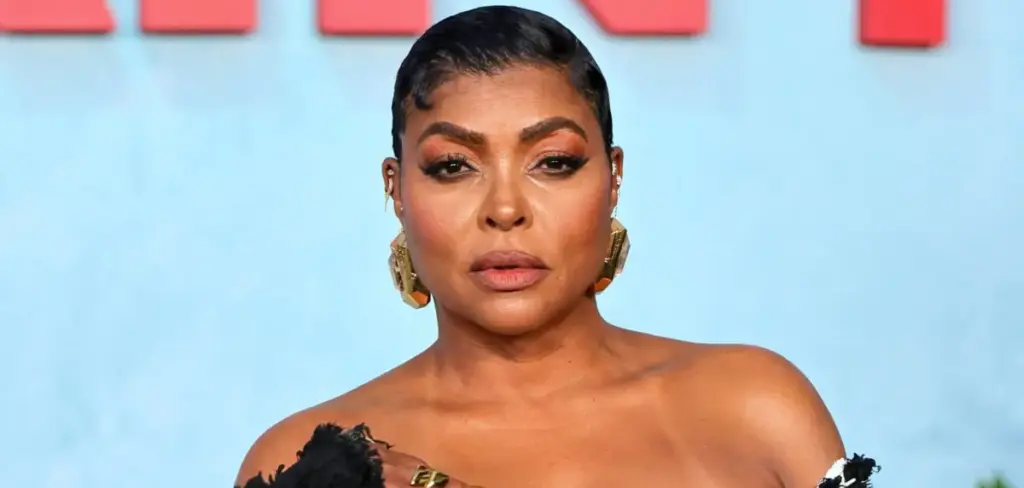
At the star-studded premiere of Why Did I Get Married Again?, the award-winning actress delivered an uncompromising masterclass in understated maximalism. Eschewing the conventional bells and whistles of modern nail art, Henson opted for a pure, unadulterated gold manicure that could be seen gleaming with regal intensity from clear across the red carpet. Executed by renowned celebrity nail artist Temeka Jackson, Henson’s rich, antique yellow-gold stiletto set blurred the definitive line between a traditional manicure and fine jewelry.
More than just a seasonal beauty trend, Henson’s look serves as an authoritative study in modern red-carpet styling. Collaborating with an elite glam squad—including hairstylist Tym Wallace, makeup artist Saisha Beecham, and fashion stylist Kollin Carter—Henson curated a visual narrative defined by sculptural architecture, timeless retro influences, and a fearless embrace of metallic opulence. This comprehensive report investigates the anatomy of Henson’s viral beauty moment, analyzing the technical mastery behind the manicure, the broader shifts in red-carpet nail trends, and the meticulous synergy of a look designed by masters of their respective crafts.
Detailed Chronology: The Evolution of a Red-Carpet Moment
The journey toward a viral red-carpet beauty moment requires a complex orchestration of design, timing, and technical execution. While the world encounters these looks fully realized in the flash of paparazzi lenses, the assembly of Henson’s premiere aesthetic follows a rigorous, multi-staged progression.
Phase One: The Conceptual Blueprint and Wardrobe Foundation
Every iconic beauty look begins with the garment. Styled by Kollin Carter, Henson stepped out in a striking, floor-length, off-the-shoulder black-and-white gown designed by avant-garde visionary Rick Owens. The dress itself presented a masterclass in contrasting geometry and rich textures, establishing a dramatic framework for the evening.
Long before a single drop of polish was applied, the styling team weighed the chromatic options. While a classic crimson polish would have offered a predictable, Hollywood-standard pop, and a subtle champagne-gold might have dissolved quietly into the background, the collective vision demanded something far more commanding. The choice of a heavy, antique yellow-gold bridged the stark black-and-white contrast of the Rick Owens gown, acting as a luminous anchor for the entire ensemble.
Phase Two: Architectural Shaping and Nail Construction
With the color palette secured, celebrity nail artist Temeka Jackson set to work on the canvas. Known for her precision and ability to translate high-fashion concepts into wearable art, Jackson shaped Henson’s natural nails into a fierce, elongated stiletto silhouette.
The stiletto nail—characterized by its tapered sides and sharp, pointed tip—is an inherently dramatic choice. On Henson, however, the shape achieved a sense of profound maturity and poise. Combined with an opaque, highly reflective metallic finish that required no supplementary glitter or dimensional topcoats to catch the light, the structured tips elevated the manicure from a routine cosmetic service to an intentional piece of wearable sculpture.

Phase Three: Framing the Face and Sculpting the Silhouette
While the hands drew immediate scrutiny, the upper half of Henson’s look underwent an equally deliberate transformation. Hairstylist Tym Wallace turned to mid-century cinematic references, cutting and styling Henson’s signature pixie cut to perfection. Wallace imbued the short crop with a sleek, mirror-shine finish, anchored by a dramatic, sculpted retro swoop sweeping gracefully across the forehead.
Concurrently, makeup artist Saisha Beecham focused on dimensional warmth. To complement the cool, heavy architecture of the Rick Owens gown and the warm metallic tones of the manicure, Beecham washed Henson’s complexion in rich peachy-brown hues. Coupled with precise, smoked-out winged liner and feathery, voluminous lashes, the makeup mirrored the tactile, structural integrity of the dress, ensuring that every element of the look spoke a unified design language.
Phase Four: The Red-Carpet Reveal
The final convergence occurred on the red carpet. As Henson posed for photographers, the interplay of light across her antique-gold stiletto tips, her coordinating yellow-gold earrings and rings, and the sweeping monochrome lines of her gown created an undeniable visual rhythm. The manicure did not merely complement the look—it defined its energetic core, cementing Henson’s status as an enduring style icon.
Supporting Context & Metrics: The Resurgence of Metallic Minimalism
To truly understand the impact of Henson’s gold manicure, one must examine the broader cultural and economic landscape of the beauty industry. Over the past several seasons, nail trends have been dominated by high-effort, complex executions. Consumers and celebrities alike have flooded social media feeds with glazed-donut chromes, magnetic cat-eye velvets, encapsulations, and intricate three-dimensional gel art.
However, industry data and consumer search metrics indicate a subtle yet powerful pendulum swing back toward intentional minimalism and high-impact solids.
The Psychology of Gold in Fashion and Beauty
Gold has historically signified wealth, permanence, and power across nearly every civilization. In contemporary beauty, an opaque, antique-gold lacquer communicates a very specific psychological stance. As beauty critics observed of Henson’s look, this is not a manicure designed to seek approval or follow fleeting adolescent fads; it is a statement of quiet authority.
- The "Adult in the Room" Effect: Unlike playful neon shades or overly ornate crystal-encrusted designs, heavy metallic gold communicates maturity, sagacity, and absolute self-possession.
- The Jewelry Integration Metric: By matching the nail polish precisely to her foundational hardware (earrings, rings, and bracelets), Henson eliminated visual clutter. The nails effectively doubled as fine jewelry, demonstrating a minimalist styling philosophy executed through maximalist materials.
The Glam Squad Economy: Collaboration as Art
Henson’s appearance highlights the vital role of specialized beauty professionals in modern Hollywood. The look was not the product of a single stylist, but rather the synchronized output of an elite creative collective:
- Temeka Jackson: Master of structural nail design and long-time collaborator with top-tier talent.
- Tym Wallace: Visionary hairstylist known for pushing the boundaries of Black hair texture and retro silhouette shaping.
- Saisha Beecham: Renowned makeup artist celebrated for creating luminous, skin-first red-carpet finishes.
- Kollin Carter: High-fashion stylist responsible for translating avant-garde runway pieces into culturally resonant red-carpet moments.
This collaborative synergy reflects a broader professionalization of red-carpet preparation, where individual artists operate as specialized co-authors of a celebrity’s public image.
Official Statements & Industry Insights
While specific press quotes regarding the exact formulation of the polish remain tightly guarded secrets within the artist’s kit, beauty insiders and the creative team have frequently spoken about the philosophy driving Henson’s red-carpet beauty choices.

Taraji P. Henson has long been celebrated for her hands-on appreciation of beauty craft. Known to occasionally execute her own intricate manicures with serious skill when time permits, Henson holds a profound respect for the artistry of nail technicians. In previous interviews discussing her red-carpet appearances, the actress has emphasized that beauty is an extension of character performance—a way to project strength, authenticity, and cultural pride before she even speaks a word.
Nail artist Temeka Jackson has similarly championed the philosophy of structural integrity in nail design. In commentary surrounding high-fashion collaborations, Jackson has noted that the longevity and visual authority of a manicure rely heavily on the harmony between the nail plate’s architecture (such as the sharp stiletto tip chosen for this event) and the light-reflecting properties of the chosen lacquer.
Furthermore, fashion stylist Kollin Carter has consistently advocated for high-contrast, daring pairings on the red carpet. By selecting the architectural Rick Owens gown, Carter provided a blank canvas that allowed accessories and beauty details—most notably the heavy gold hands—to act as focal points rather than competing elements.
Future Outlook: What Henson’s Manicure Means for Upcoming Trends
As the beauty world looks toward upcoming award seasons and fashion weeks, Taraji P. Henson’s antique-gold moment serves as a powerful predictive indicator for where nail trends are heading.
1. The Death of Over-Engineering
While chrome powders and intricate nail art will always retain a loyal following, the sheer ubiquity of high-maintenance finishes has led to trend fatigue among trendsetters. Henson’s look signals a return to pure color opacity. Consumers are increasingly seeking out polishes that deliver maximum visual impact through rich pigments and high-shine metallic formulations, rather than relying on layers of glitter, foils, or complex salon techniques.
2. The Rise of "Jewelry-Matched" Fingernails
Expect to see a significant uptick in manicures designed specifically to mimic or complement fine jewelry hardware. Rather than treating nails as an isolated beauty accessory, the future of red-carpet styling points toward seamless integration between precious metals worn on the body and the lacquer applied to the hands—blurring the line between wardrobe, jewelry, and cosmetics.
3. The Stiletto Renaissance with a Sophisticated Edge
Pointed stiletto nails often carry a reputation for being aggressive or hyper-trendy. However, by pairing the aggressive silhouette with a classic, heavy, antique-gold hue, Henson proved that sharp tips can be rendered timeless and profoundly elegant. This pairing is expected to inspire a wave of mature, sophisticated takes on elongated nail shapes in both salon culture and high-fashion editorials.
Conclusion
Taraji P. Henson’s appearance at the Why Did I Get Married Again? premiere was much more than a routine celebrity sighting. It was a carefully engineered symphony of fashion, beauty, and attitude. By trusting in the power of a rich, antique-gold stiletto manicure, Henson bypassed the temporary noise of micro-trends and delivered a timeless statement of luxury, strength, and unapologetic self-assurance. In a world obsessed with doing more, Henson proved that sometimes, the most revolutionary act is executing simplicity with absolute perfection.