
Executive Overview
As the high-octane summer social circuit winds down—from the sun-drenched private residences of the Hamptons and the cobblestone energy of Paris to the glittering late-night haunts of Los Angeles—the global fashion industry pivots with surgical precision toward its most grueling, exhilarating quadrant: Fashion Month.
While intermittent haute couture presentations and men’s showcases in June and July provided a steady drip of creative stimulus, the upcoming four-week global migration across New York, London, Milan, and Paris for the Spring/Summer 2027 collections represents the undisputed heartbeat of the sartorial calendar.
This season’s narrative, however, extends far beyond the typical cycle of hemline predictions and fabric innovations. We are witnessing a critical juncture in the industry’s evolution. Several seasons ago, the fashion world underwent its most profound systemic realignment in recent memory. A massive game of creative musical chairs saw over a dozen major design directors swap seats at the helm of historic heritage houses, triggering an industry-wide ideological and aesthetic reset.
Initial debut collections served as high-stakes trial runs, but the Spring/Summer 2027 season introduces the ultimate crucible: the sophomore test. The industry is no longer forgiving of mere novelty; it demands sustained momentum, commercial viability, and uncompromising creative vision. This upcoming month will rigorously determine which strategic appointments are yielding dividends, which houses are languishing in transition, and what emerging talents are poised to disrupt the status quo.
Compounding these high-stakes debuts is a volatile landscape of shifting headquarters, unexpected departures, and geographic migrations. From transatlantic homecomings to ten-day endurance marathons in Paris, the global fashion ecosystem is undergoing a thorough stress test. This is your comprehensive, authoritative briefing on what to expect as the industry prepares for the runways of Spring/Summer 2027.
Detailed Chronology: City-by-City Breakdown
New York: Transatlantic Invasions and Landmark Anniversaries
New York Fashion Week (NYFW) has historically relied on its distinct blend of commercial sportswear heritage and gritty downtown cool. For the Spring/Summer 2027 season, however, the schedule is receiving a powerful influx of transatlantic talent, signaling Manhattan’s enduring allure as a runway destination.
Chief among these international arrivals is Conner Ives. The American-born, London-based designer is returning to his native soil to stage his first-ever New York runway show on September 12. Ives, celebrated for his upcycled archival aesthetics and pop-culture-infused sustainable luxury, represents a new vanguard of conscious American design coming home.
Simultaneously, Polish designer Magda Butrym is making her American runway debut on September 13. While Butrym has spent years establishing her hyper-feminine, romantic, and heavily structured silhouettes on the Paris schedule, her pivot to New York coincides strategically with the grand opening of her flagship Soho boutique. This localized expansion underscores a broader industry trend: synchronizing physical retail footprints with high-visibility runway spectacles.
Further cementing the festive, celebratory mood of the New York calendar, Coach is marking its milestone 85th anniversary. The American heritage brand is anticipated to throw a blockbuster runway event that bridges its rich leather goods history with its current youth-culture renaissance.
Meanwhile, Tommy Hilfiger returns to the official calendar after taking a strategic hiatus last season, promising his signature brand of Americana spectacle. Opening the week with high historical resonance is Diane von Furstenberg, which enters a new chapter under the creative direction of Henry Zankov. Zankov—a seasoned DVF alumnus who also helm’s his eponymous knitwear-forward label—steps into the role tasked with revitalizing the iconic wrap-dress legacy for a contemporary consumer base.
London: Visceral Energy and Homecoming Icons
While London Fashion Week remains the shortest of the "Big Four" circuits, it consistently packs an unmatched creative punch, driven by avant-garde experimentation and rebellious spirit. The undeniable heavyweight headline of the London schedule is the triumphant homecoming of McQueen.
Following an announcement made in June 2026, the house is officially returning to its founder’s home city for the Spring/Summer 2027 season. Current creative director Seán McGirr articulated the emotional and strategic weight of this move in an official press release, noting:
"London has always been at the heart of McQueen; there’s a uniquely visceral energy to the city that runs throughout the house’s history and continues to inspire everything we do today. Returning to London Fashion Week allows us to deeply engage with that spirit and the creative community that defines both London and this house."
This homecoming anchors a schedule that already relies heavily on British pillars such as Simone Rocha and Erdem. Furthermore, British heritage brand Mulberry is orchestrating a major runway revitalization, enlisting beloved former Burberry and eponymous designer Christopher Kane to inject fresh creative life into its offerings—including buzzy updates to its iconic archival silhouettes. As is tradition, Burberry will close out the London leg, serving as the anchor for British luxury commerce.
Milan: The Sophomore Crucible and Italian Transitions
Milan remains a masterclass in the intersection of rich heritage, artisanal craftsmanship, and high-stakes corporate management. However, the Italian schedule continues to feel the seismic tremors of ongoing creative restructuring.
For the second consecutive season, Versace will be absent from the official ready-to-wear runway schedule. The house is currently dark as incoming creative director Pieter Mulier—formerly of Alaïa—quietly develops his inaugural vision for the brand, a move that has only heightened anticipation for his eventual debut.
In other major Italian executive shuffles, Moschino has tapped Simone Rizzo and Loris Messina, the founders and former creative directors of Sunnei, to succeed Adrian Appiolaza, who exited the brand after a concise two-and-a-half-year tenure. Meanwhile, Etro remains officially vacant following Marco de Vincenzo’s departure earlier this year, leaving a high-profile slot open for future speculation.
Yet, all eyes in Milan will be locked on the sophomore collections of several major creative directors stepping into historic Italian houses. Meryll Rogge at Marni, Maria Grazia Chiuri at Fendi, and Demna at Gucci are all presenting their second ready-to-wear collections for their respective brands.
Demna, in particular, enters the Milan season riding a wave of formidable momentum following his critically acclaimed, blockbuster Times Square takeover for his previous collection. The real test in Milan, however, will not merely be sustaining critical hype, but translating these radically divergent creative visions into tangible commercial success at the cash register and securing the approval of the notoriously discerning front row.
Paris: The Ten-Day Marathon and High-Stakes Vacancies
If the preceding three cities are intense sprints, Paris Fashion Week is an unforgiving marathon. The French capital has officially stretched its schedule into an exhausting ten-day endurance test, featuring a mix of historic heritage maisons, experimental independents, and the industry’s most powerful corporate conglomerates.
The Parisian calendar will introduce fresh blood to historic ateliers. Courrèges welcomes new creative director Drew Henry, while Carven introduces Kai Nesselrath. Both designers will make their highly anticipated debut collections for their respective houses this October, signaling a generational shift among Parisian heritage brands.
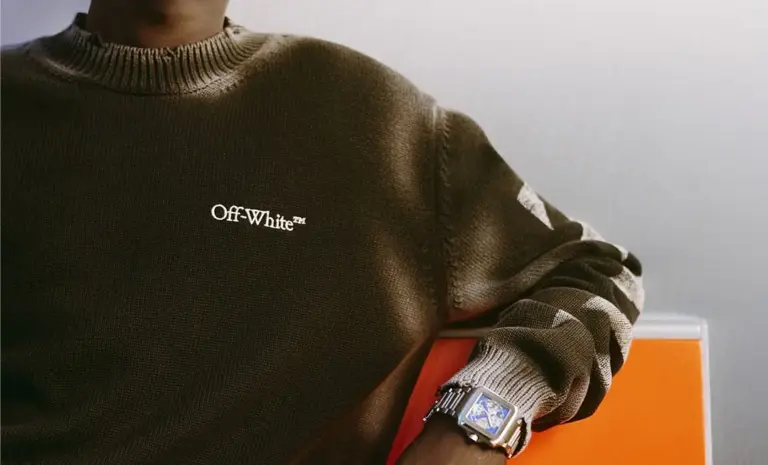
However, these arrivals are balanced by notable vacancies. Alaïa finds itself temporarily without a creative director following Pieter Mulier’s high-profile departure for Versace. Furthermore, in a late-breaking development, Ib Kamara officially parted ways with Off-White on August 31 after a successful four-year collaborative run. Following a period of jumping back and forth between Paris and New York, Off-White is notably absent from the official Spring/Summer 2027 schedule as the brand regroups.
As is tradition, the entire global fashion month marathon will culminate in Paris, fittingly anchored by Louis Vuitton on October 6, officially drawing the curtain on the Spring/Summer 2027 cycle.
Supporting Context & Metrics: The Business of Fashion Month
To understand the aesthetic choices unfolding on the runway, one must examine the macroeconomic and industry-wide metrics driving the Spring/Summer 2027 season.
The structural redesign of global fashion weeks over the past twenty-four months has been largely dictated by return-on-investment (ROI) realities. Brands are increasingly treating fashion week not merely as a presentation for wholesale buyers, but as a multi-platform media event designed to capture global digital share of voice (Earned Media Value, or EMV).
- The Retail-Runway Synergy: The choice of Magda Butrym and Conner Ives to stage runway debuts in New York directly correlates with the physical expansion of brick-and-mortar retail in North America. Industry data consistently indicates that physical retail openings paired with local runway presentations yield a localized sales spike of 15% to 25% within the first fiscal quarter post-show.
- The Sophomore Retention Rate: Historical data across the last decade of creative director shuffles reveals a sobering statistic: approximately 40% of newly appointed creative directors fail to renew their contracts past their initial three-year terms if sophomore collections fail to show clear revenue growth. This makes the Spring/Summer 2027 season a make-or-break metric for brands like Gucci, Fendi, and Marni.
- Geographic Migration Metrics: London Fashion Week continues to punch above its weight in terms of cultural influence despite economic headwinds, hosting over 50 major activations within a condensed five-day window. Conversely, Paris’s expansion to a ten-day format reflects the sheer volume of global luxury conglomerates (such as LVMH and Kering) anchoring their flagship brands in the French capital.
Official Statements & Industry Perspectives
The structural shifts defining the Spring/Summer 2027 season have prompted candid reflections from industry leaders regarding the purpose of the runway format in an era of digital saturation.
Addressing McQueen’s strategic return to London, creative director Seán McGirr emphasized the necessity of rooted cultural context:
"Returning to London Fashion Week allows us to deeply engage with that spirit and the creative community that defines both London and this house. It is about stripping away the noise and returning to the visceral energy that birthed the brand."
Financial analysts tracking the luxury sector note that these geographic realignments and leadership shuffles are defensive strategies designed to capture consumer loyalty in a cooling global economy. As one senior luxury goods analyst noted off the record:
"Consumers are no longer buying narratives built entirely on social media hype. They are looking for emotional resonance tied to authentic brand heritage. The houses that are succeeding are those using the runway to anchor their physical retail expansions and creative resets in tangible, believable cultural moments."
Future Outlook: What Lies Beyond the Runway
As editors, buyers, and celebrities pack their trunks for the four-week whirlwind across New York, London, Milan, and Paris, the overarching question remains: What happens after the lights go down on October 6?
The Spring/Summer 2027 season will likely be remembered as the Great Stabilization. The frantic, reactive musical chairs of recent years are giving way to a period of consolidation. The designers debuting sophomore collections this season do not have the luxury of the "honeymoon phase." They must prove that their conceptual visions can successfully transition from mood boards and Instagram feeds into wearable, commercially viable, and culturally resonant wardrobes.
Furthermore, the vacancies at houses like Alaïa, Etro, and Off-White signal that the executive boardrooms of major luxury conglomerates are maintaining a ruthless standard. If a creative vision fails to immediately galvanize both the critical establishment and the bottom line, capital will move swiftly.
Ultimately, Fashion Month remains the ultimate theatrical expression of an industry constantly trying to outrun its own reflection. As the runways light up from Soho to the Marais, the true measure of success will not just be the clothes that float down the catwalk, but the resilience of the houses behind them in a rapidly transforming global marketplace. See you on the runways, les amis.