Executive Overview
As the gaming industry edges closer to one of the most anticipated releases in interactive entertainment history, a growing undercurrent of anxiety threatens to eclipse the monolithic hype surrounding Grand Theft Auto VI. Developed over a decade with an estimated budget ranging between $1 billion and $3 billion, Rockstar Games’ upcoming return to Vice City promises to redefine technical fidelity. Early promotional material and extended gameplay reveals—highlighted by a recent deep-dive broadcast on Netflix—demonstrate a sprawling, photorealistic open world with breathtaking draw distances, densely populated interiors, and next-generation character models.
Yet, beneath the sheen of hyper-realistic lighting and meticulously modeled topography, a persistent critique has emerged from critical corners of the community: the soul of the franchise’s storytelling may be faltering.
Where past entries like Grand Theft Auto V and Red Dead Redemption 2 used sharp satire, chaotic comedic timing, and larger-than-life personalities to anchor their sprawling crime sagas, recent footage of protagonists Jason and Lucia paints a starkly different picture. Critics argue that the dialogue leans heavily into matter-of-fact banality, lacking the biting subversiveness that defined Rockstar’s golden era. With a towering financial and cultural expectation resting on its shoulders, GTA VI faces a delicate balancing act. Can Rockstar pull off a masterclass in modern storytelling, or has the studio traded its signature subversive edge for hollow cinematic gloss?
Detailed Chronology: The Road to Vice City and the Recent Reveal Backlash
To understand the current debate surrounding Grand Theft Auto VI, one must examine the timeline of its protracted development and the incremental ways Rockstar has chosen to pull back the curtain.

A Decade-Long Silence
Following the unprecedented, multi-generational commercial success of Grand Theft Auto V in 2013, fans settled in for what they assumed would be a standard six-to-seven-year wait for a sequel. Instead, Rockstar shifted immense internal resources toward Red Dead Redemption 2 (2018) and the continuous, highly lucrative life-support of GTA Online. Years bled into a decade. Rumors, leaks, and unverified data sweeps dominated gaming forums, turning the mere mention of GTA VI into an internet meme.
The Official Unveiling and the Netflix Showcase
When Rockstar finally broke its silence with initial trailers, the industry erupted. However, the recent extended gameplay reveal—broadcast via Netflix to expand the marketing ecosystem—offered the first substantial look at the mechanics, writing, and moment-to-moment interactions shaping the title.
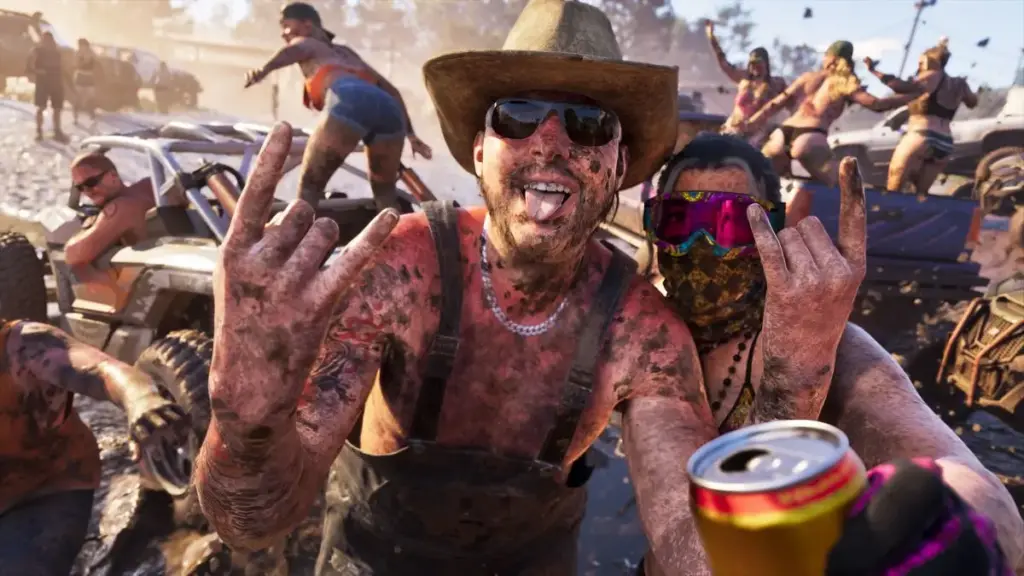
The preview walked viewers through familiar territory: cinematic car chases, high-stakes store robberies, and tense standoffs against law enforcement. Visually, the footage was unimpeachable. Running entirely on current-generation hardware, the game showcased unprecedented pedestrian density and environmental physics. However, the narrative beats embedded within the demo exposed a tonal shift that left several long-time fans feeling cold. Dialogue sequences featuring Jason, Lucia, and various criminal elements felt stripped of the signature, anarchic comedic flair that made characters like Trevor Philips and Lamar Davis household names. Instead of razor-sharp social commentary, audiences were treated to straightforward exposition and, at times, pedestrian banter.
Supporting Context & Metrics: The Anatomy of a Billion-Dollar Blockbuster
The production scale of Grand Theft Auto VI is unprecedented, placing a magnifying glass on every single frame of media Rockstar releases.

Financial and Technical Scale
- Budget Estimations: Industry insiders and leaked corporate documents place the development and marketing budget for GTA VI anywhere between $1 billion and $3 billion, making it comfortably the most expensive entertainment product ever created.
- Technological Ambition: Digital foundry analyses of the recent footage highlight massive leaps in draw distance, rivaling open-world pioneers like Pearl Abyss’s Crimson Desert. Interior spaces appear more accessible than ever, reducing the "facade" effect typical of urban open-world sandboxes.
- Character Variety: Rockstar has made significant strides in procedural and handcrafted character animation, showcasing unprecedented diversity in body types, fashion choices, and behavioral AI routines within Vice City’s bustling nightlife and suburban sprawl.
The Evolution (and Stagnation) of Rockstar’s Writing
The crux of the current community pushback lies in the evolution of Rockstar’s writers’ room. In earlier titles, characters were constructed as exaggerated caricatures of societal extremes, allowing the developers to lampoon American consumerism, political hypocrisy, and internet culture.
- The Golden Era of Wit: GTA V balanced the cynical disillusionment of Michael Townley, the mid-life crisis of Franklin Clinton, and the unhinged, psychopathic id of Trevor Philips. Side characters like Lamar Davis delivered legendary moments of comedic timing—such as his infamous critique of Franklin’s haircut—that transcended the medium to become cultural touchstones. Even Red Dead Redemption 2, a deeply tragic western epic, thrived on the dry, weary wit of Arthur Morgan and the quirky, desperate personalities of the Van der Linde gang.
- The Recent Slump: Critics note that Rockstar’s recent output, particularly the post-launch narrative updates for GTA Online, has suffered from a noticeable dip in writing quality. Much of the dialogue in recent years has leaned toward cringeworthy attempts at contemporary slang and safe, sanitized humour. Observers worry this cautious approach has seeped directly into the single-player campaign of GTA VI, diluting the sharp, offensive, and fearless satire that fans expect.
Official Statements and Industry Perspectives
While Rockstar Games has maintained its customary, calculated silence regarding specific narrative criticisms, industry analysts and veteran developers have weighed in on the immense pressures facing the studio.
Rockstar’s corporate parent, Take-Two Interactive, has repeatedly emphasized that GTA VI aims to "exceed everything the entertainment industry has seen thus far." During recent investor earnings calls, executives reiterated that the delay in release windows was entirely dedicated to polishing technical performance and ensuring the game meets the impossibly high quality thresholds set by its predecessors.
However, creative voices within the community have voiced valid concerns over whether commercial safety is beginning to choke artistic risk-taking. In an era of heightened sensitivities, corporate over-sight, and globalized marketing, the biting, equal-opportunity offense that defined Grand Theft Auto IV and V faces a much narrower tightrope.

As noted by community analysts and reader features alike, the early dialogue lines showcased in promotional materials—such as a tired joke about how long a partner takes to get ready, or a villain whose most intimidating line amounts to "It is what it is"—risk reducing a cinematic crime epic to the level of uninspired television procedural writing. Without strong, distinct character voices to elevate the crime-drama tropes, the sheer technical brilliance of Vice City risks feeling like a gorgeous amusement park devoid of genuine personality.
Future Outlook: Can GTA VI Deliver Beyond the Graphics?
As the countdown to launch day continues, the burden of proof rests squarely on Rockstar Games. The technical victory is already all but secured; barring an unforeseen optimization disaster, Grand Theft Auto VI will undoubtedly stand as a visual tour de force on current-generation consoles.
The real battleground, however, will be narrative and tonal. Fans do not simply want a high-definition playground to commit virtual felonies; they want a living, breathing satirical mirror held up to modern society, populated by characters who feel dangerous, unpredictable, and profoundly memorable.
If the final release manages to balance its breathtaking technological ambitions with the sharp, fearless wit of its past, GTA VI will rightfully claim its throne as the pinnacle of modern gaming. But if the writing remains as flat and uninspired as recent previews suggest, Rockstar may find that even a multi-billion-dollar budget and the best graphics in history cannot prevent the ultimate gaming sin: being brilliantly rendered, yet fundamentally boring.