Executive Overview
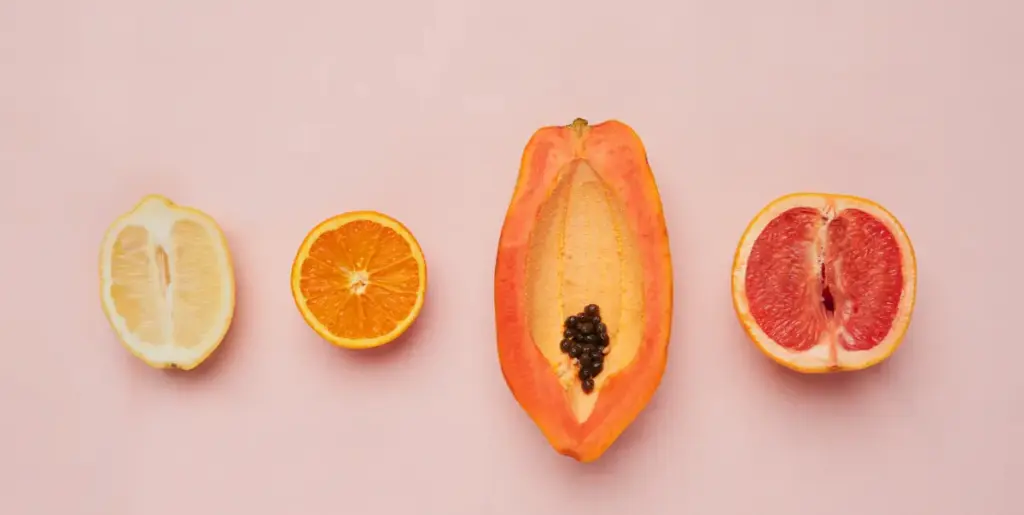
Lemons. Pears. Kumquats. Raspberries. In the contemporary cultural landscape of 2026, this inventory reads less like a high-end, organic farmer’s market bounty and more like the top-selling product catalog of the modern sexual wellness industry.
Over the past few years, a peculiar and vibrant trend has saturated social media feeds, bedside tables, and direct-to-consumer storefronts: the "fruitification" of sex toys. From Hello Nancy’s viral, lemon-shaped air suction toy, the Lem, to WOO More Play’s cheekily named Cumquat Vibez, and Inya’s sleek, pear-shaped clitoral vibrators, manufacturers are trading traditional phallic designs and clinical aesthetics for produce-aisle cuteness.
At first glance, these vibrant, playful devices appear to be nothing more than a cutesy aesthetic trend—a fun way to spruce up a nightstand or make a cheeky TikTok video. However, a deeper investigative look reveals that the sudden rise of fruit-shaped pleasure products is much more than a marketing gimmick. It serves as a fascinating cultural barometer.
The popularity of these items highlights the persistent shadowbanning and algorithmic censorship faced by sexual wellness brands, the psychological baggage attached to traditional anatomical realism, and the complex intersection of modern body politics, purity culture, and wellness rhetoric. While these playful products offer consumers a welcoming entry point into sexual exploration, they also expose the underlying restrictions of a society that still demands its pleasures be sanitized, disguised, and smuggled past digital gatekeepers.
Detailed Chronology: The Evolution of Discretionary Design
To understand how we arrived at an era where a vibrator can effortlessly pass as a piece of fruit, it is helpful to look back at the trajectory of design innovation within the sex-positive movement over the past decade.
Phase 1: The Clinical and Clinical-Futuristic Era (Pre-2018)
For decades, the adult novelty market was bifurcated into two extremes: hyper-realistic, medical-grade silicone anatomical replicas sold in dimly lit specialty boutiques, and novelty gag gifts found in bachelorette party supply shops. As the modern "sexual wellness" movement began to gain institutional and venture-backed momentum in the mid-2010s, brands like Lelo, Womanizer, and Dame Products sought to elevate the category. They introduced sleek, minimalist, and abstract shapes designed to look like high-end cosmetics or modern art pieces. The goal was mainstream acceptance, but the aesthetic remained largely clinical, sleek, and high-tech.
Phase 2: The Floral Awakening (2020–2024)
The turning point for mass-market, organic camouflage came with the explosion of floral-themed pleasure products. Most notably, the viral success of the "rose vibrator" in 2020—and its subsequent iterations through 2024—proved that consumers were hungry for toys that could sit openly on a vanity without immediately signaling their anatomical function. A rose-shaped clitoral stimulator looked like a decorative paperweight or a cosmetic jar, making it exponentially easier for influencers to unbox on camera and for consumers to store without fear of judgment.
Phase 3: The Produce Takeover (2025–Present)
By 2025 and into 2026, the design ethos shifted from botanical elegance to grocery store playfulness. Brands realized that fruits offered an even broader palette of colors, textures, and joyful associations.
- June 2025: Lubricant and wellness brand WOO More Play launched the Cumquat Vibez, introducing a citrus-inspired vibrator that combined humor with ergonomic design.
- Late 2025 to 2026: Hello Nancy’s Lem took TikTok by storm, leveraging its bright yellow, textured surface to capture millions of views. Concurrently, brands like Inya expanded their catalogs to include pear-shaped clitoral vibrators, cementing the fruit motif as the dominant design trend of the mid-2020s.
Supporting Context & Metrics: Navigating the Algorithm and Cultural Anxieties
The shift toward produce-inspired design is not merely driven by aesthetic whimsy; it is a tactical response to a hostile digital marketing environment. Sex toy brands operate under severe systemic disadvantages when trying to reach their target audiences.
The Advertising Advantage and Algorithmic Policing
Social media giants like Meta, TikTok, and Google enforce stringent advertising policies that routinely flag, restrict, or outright ban content related to sexual wellness. For founders and marketing executives, this creates an existential hurdle.
"Creating a vibrator that looks like a fruit makes it easier to photograph and share on social media," explains Alexandra Fine, Founder and CEO of Dame, a pioneer in fighting regulatory restrictions on sexual wellness advertising.
This sentiment is echoed by Rachana Ramchand, co-founder and Head of Operations at Hello Nancy. Reflecting on the viral success of the Lem, Ramchand notes that its literal resemblance to a piece of fruit has spared the brand from the harshest shadowbanning algorithms on Meta platforms. "The vibrant colors and overall cuteness of the toy really helped on social media," she tells Cosmopolitan. "It literally looks like a piece of fruit, so we don’t particularly face harsh shadowbanning… due to the appearance of the toy."
However, industry experts caution that camouflage is not a silver bullet. "While it seems like these products are less likely to get flagged, that content is still being flagged or suppressed," Fine points out.
Furthermore, a visual disguise only goes so far. Even if an algorithm misidentifies a high-tech suction device as a lemon, brands eventually have to explain what the product actually does to educate consumers. When explicit anatomical terminology triggers algorithmic flags, marketing becomes an exercise in frustrating semantic gymnastics.
The Suppression of Sexuality Professionals
This digital censorship extends far beyond product marketing. It directly impacts clinicians, educators, and therapists whose life’s work is dedicated to sexual health and education.
"I can’t even type what my career is on social media," shares Melanie Greenberg, LCSW, CST, MEd, a Philadelphia-based, ASSECT-certified sex therapist and founder of Pulling Threads Therapy. "If I want to say that I’m a ‘sex therapist,’ I have to write that I’m a ‘seggs therapist’ so that I don’t get shadow-banned."
Greenberg emphasizes that these linguistic workarounds do more than inconvenience professionals—they send a damaging cultural message that human sexuality is inherently obscene, shameful, and in need of continuous filtering. Turning a vibrator into a raspberry may help slip pleasure past an algorithm, but it does nothing to dismantle the underlying architecture of censorship that treats pleasure as something contraband.
Official Statements & Psychological Perspectives: Why Fruit?
Beyond the practical benefits of digital camouflage, psychologists and industry leaders point to deeper emotional and cultural motivations driving the fruitification trend.
De-centering Phallic Normativity
For decades, the default design for insertion-based sex toys was rooted in anatomical realism—replicating the human phallus. While these products remain valuable and empowering for many users, particularly within LGBTQ+ communities and those seeking gender euphoria, they also carry significant psychological baggage.
"Phallic-shaped toys are wrapped up in a lot of meanings and shoulds, including what sex should look like and what it means if someone likes ( or doesn’t like) certain things," Greenberg explains. Ramchand agrees, noting that "most of this category asks you to be brave before you have even opened the box."
By contrast, fruit offers a non-anatomical, instantly recognizable, and deeply playful alternative. "Fruit is the most joyful, least self-similar shape there is," says Ramchand. This inherent playfulness removes the performance anxiety, clinical intimidation, and preconceived expectations that often accompany traditional adult novelties. Users can approach pleasure with curiosity rather than pressure.
The Purity Culture and Wellness Intersection
To fully grasp why our nightstands are suddenly filling up with produce, cultural critics must examine the complex baggage associated with fruit itself. Throughout Western history, fruit has occupied a potent symbolic space—most notably as the "forbidden fruit" in the biblical narrative of Eden, where temptation, restriction, and moral boundaries collide.
In contemporary society, this historical tension resonates with an intense cultural preoccupation with restraint. As Greenberg notes, sexual appetite is not the only appetite our culture is currently obsessed with controlling. We are living through an era deeply fixated on literal appetite suppression, caloric monitoring, body-size management, and wellness optimization.
Crucially, fruit occupies a very specific, sanitized tier within modern diet culture. "Fruit is regularly positioned within diet and wellness culture as wholesome, virtuous, and clean," observes Greenberg. "There’s a reason companies aren’t making sticks of butter, biscuits, and croissant vibrators."
Fruit-shaped vibrators allow consumers to reconcile their desires with an aesthetic of cleanliness and virtue. They marry the taboo nature of sexual pleasure with the socially acceptable, bright, and wholesome packaging of health food.
Future Outlook: The Horizon of Sexual Wellness
As we look toward the future of the sexual wellness industry, the trend of disguised and playful design is expected to evolve rather than disappear. Industry experts predict several key trajectories:
- The Maturation of Discretion: While whimsical shapes like lemons and kumquats are capturing market share today, future designs will likely continue to blur the lines between home decor, beauty tools, and wellness technology, reducing the shame historically associated with adult toy ownership.
- Pushback Against Algorithmic Censorship: Advocacy groups and legal pioneers, inspired by organizations like Dame Products, will continue to challenge discriminatory advertising policies on major tech platforms, aiming to normalize direct, transparent conversations about sexual health.
- De-stigmatization of Pleasure Language: As younger generations enter adulthood with a demand for comprehensive sex education, the need to rely on "seggs" euphemisms and fruit metaphors may gradually wane, paving the way for more direct, sex-positive marketing.
- Holistic Integration: Sexual wellness will continue to merge seamlessly with general mental health and physical self-care, reframing pleasure not as a subversive act of rebellion, but as a fundamental component of human well-being.
Conclusion: Enjoying the Harvest
Ultimately, buying a fruit-shaped vibrator does not mean a consumer has unwittingly surrendered to purity culture or diet-industry programming. As Greenberg reassures consumers, "You as an individual aren’t the problem, it’s the systems we’re forced to operate within that are the problem. If you want to buy something that is a pretty fruit, that is more than fine."
At its core, the primary mission of the sex toy industry remains beautifully simple: helping people experience joy, release, and physical satisfaction. If a lemon-shaped air suction toy or a pear-shaped vibrator lowers the barrier to entry and helps someone feel good, it is a triumph worth celebrating.
Yet, as these items flourish on nightstands and social feeds alike, they leave us with a vital question to ponder. When life gives you lemons, by all means, enjoy the harvest—just remember to keep asking why, in the modern world, pleasure still has to wear a disguise to be seen.