Executive Overview
In the high-stakes, hyper-curated universe of contemporary fashion, material hierarchy has long been dictated by rarity, provenance, and tactile exclusivity. For centuries, industry prestige has clung tenaciously to a gilded roster of luxury fibers and traditional media: the liquid sheen of Mulberry silk, the high-altitude scarcity of vicuña wool, the hyper-soft indulgence of baby cashmere, and the rich, historical weight of vintage lace, heavy velvet, and supple leather. These materials arrive pre-packaged with an inherent mythology—a narrative of luxury, arduous craftsmanship, and prohibitive cost that elevates them far above the mundane substrate of daily life.
But what occurs when an item lacks this pre-ordained pedigree? What happens when a creator strips away the crutch of expensive sourcing and forces the viewer to interrogate the aesthetic potential of the discarded, the overlooked, and the utilitarian?
Enter project. extraordinary, a daring new multidisciplinary photography initiative conceived and curated by New York-based art director Shibo Chen. Designed to challenge the rigid paradigms of luxury aesthetics, the project operates on a deceptively simple yet profoundly disruptive premise: that beauty is not a rare commodity waiting to be mined, but a universal frequency waiting to be unlocked.
For its inaugural chapter, Chen enlisted 13 distinct, boundary-pushing creative teams from across the global design diaspora. Armed with a deliberately open-ended brief—take a conventional, everyday object and transmute it into something unexpectedly expressive, avant-garde, and wearable—these burgeoning tastemakers set out to redefine the parameters of fashion image-making.
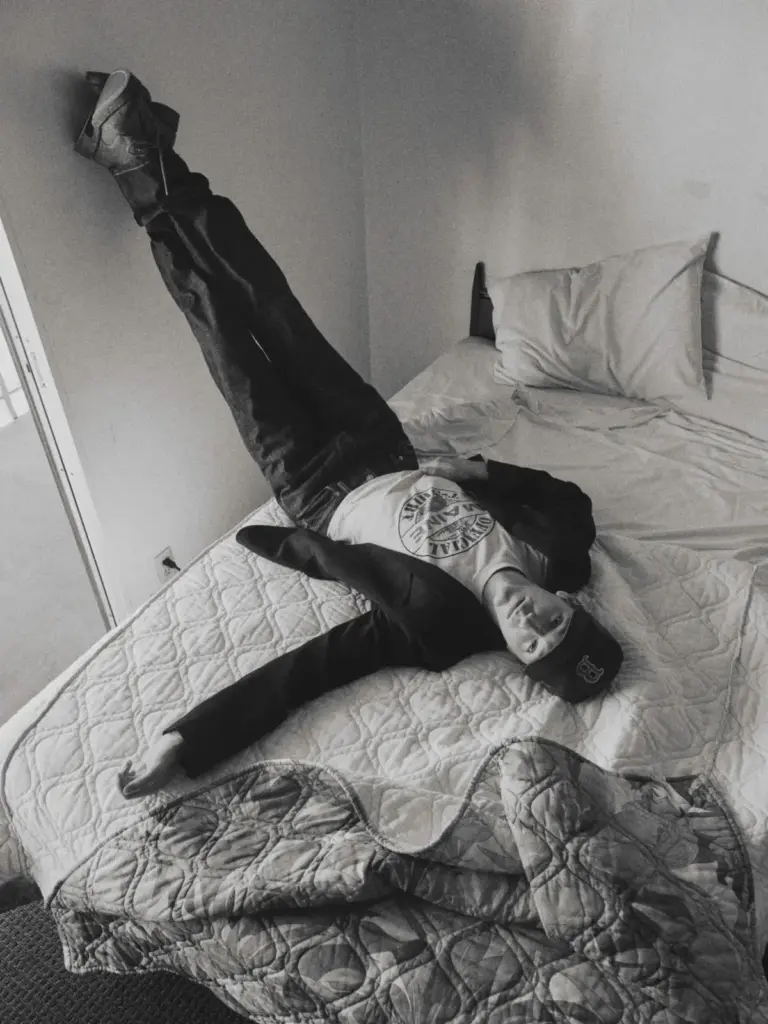
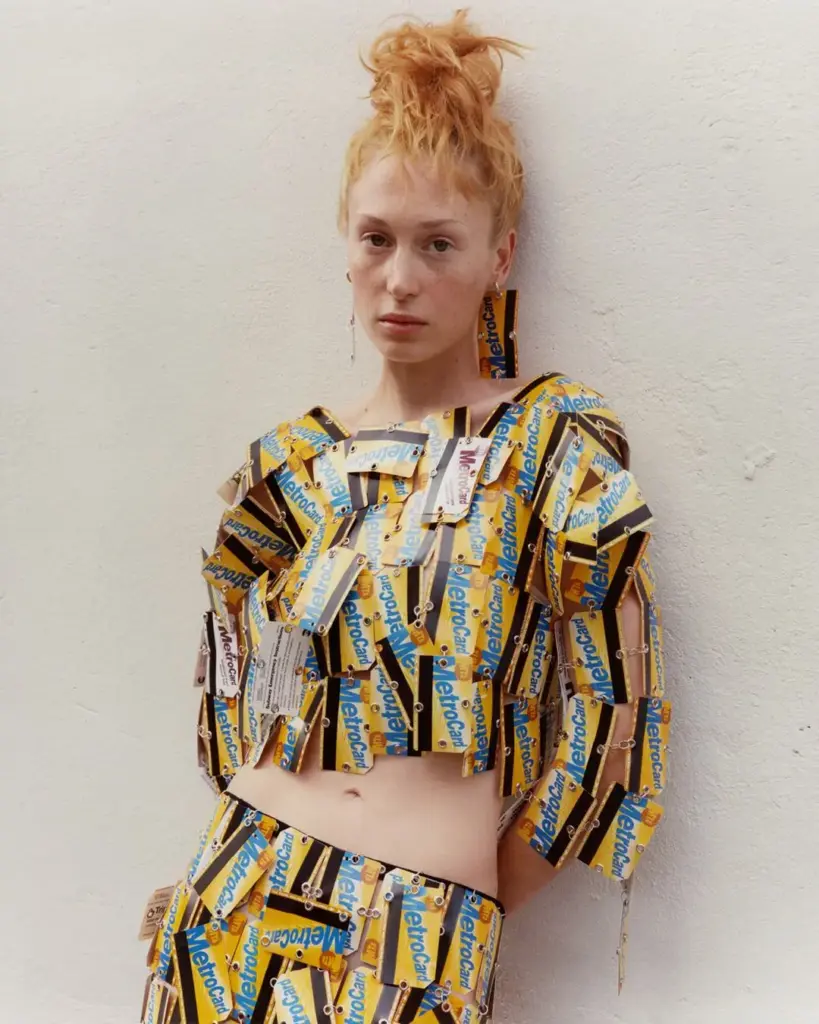
The resulting visual compendium is nothing short of a systemic jolt to the status quo. Discarded paper MetroCards are meticulously stitched into a sculptural floor-length dress complete with matching accessories; industrial candles are systematically melted, molded, and engineered into a structured structural crown, bra, and skirt; and the uncanny, synthetic world of department store mannequins is brought to life through intricate play with light, shadow, and reflection. Featuring a stellar roster of contemporary image-makers, including photographers Richie Talboy, Nico Daniels, Ryan Wohlgemut, Javier Castán, Lulu Mcardle, and Claudio Robles, alongside visionary stylists like Ricardo Arenas, project. extraordinary transforms the invisible background noise of daily existence into a commanding symphony of high-concept visual art.
More than just a stylistic exercise, the project arrives at a critical inflection point for the global fashion industry. As sustainability transitions from a marketing buzzword to an existential imperative, and as consumers and creators alike begin to uncouple the concept of "new" from "better," project. extraordinary offers a vital blueprint for the future. By championing resourcefulness, raw ingenuity, and conceptual transformation over prohibitive material wealth, Chen and his collaborators are proving that the future of fashion lies not in what a material is worth on a ledger, but in what human imagination can compel it to become.
Detailed Chronology: From Concept to Cultural Critique
The genesis of project. extraordinary cannot be understood without examining the shifting tides of the New York creative scene, where the project took root under the steady hand of Shibo Chen. Operating at the intersection of commercial art direction and independent curation—bolstered by his work with the proof of concept platform—Chen observed a growing homogenization within contemporary fashion imagery. High-budget productions were increasingly relying on predictable tropes of luxury, leaning on expensive drapery and exotic textiles to mask a broader drought of conceptual daring.
Phase I: The Open Brief and Global Mobilization
In the initial planning stages, Chen deliberately resisted the urge to impose rigid constraints on the invited participants. Rather than dictating themes or prescribing specific color palettes, he issued an invitation to 13 multidisciplinary teams around the world with a single mandate: find the extraordinary hidden within the ordinary.
The participants—comprising photographers, stylists, set designers, and hair-and-makeup artists—were forced to look outside the traditional fashion supply chain. They scoured hardware stores, office supply closets, subway stations, and thrift store backrooms for materials that had been stripped of their monetary value through use, obsolescence, or inherent banality. This phase of the project served as an exercise in radical resourcefulness, pushing creative teams accustomed to pulling designer samples from high-end showrooms to invent their own couture from scratch.
Phase II: The Metamorphosis of the Mundane
As the project progressed through late 2024 and into 2025, the participating teams dove deep into material experimentation.
For photographer Nico Daniels, the exploration took shape inside a studio environment populated by retail mannequins. Accustomed to framing living, breathing human models, Daniels chose to lean directly into the uncanny valley. By treating plastic and fiberglass store displays as his primary subjects, he began a visual dialogue about the commercialization of the human form. Through masterclasses in low-key lighting and silhouette work, Daniels captured moments where the boundary between living model and inanimate display dissolved entirely.
Simultaneously, stylist Ryan Wohlgemut and photographer Lulu Mcardle embarked on a visceral, high-risk material study utilizing industrial candles, raw flames, and metallic ribbons. For Wohlgemut, the choice of medium was not merely aesthetic; it was deeply psychological. Confronting an 11-year-old trauma stemming from a residential fire that left him with a lifelong phobia of open flames, Wohlgemut forced himself into the studio to physically sculpt wax with fire. The resulting garments—a delicate yet commanding crown, bra, and skirt molded by heat—became physical manifestations of emotional survival and artistic alchemy.
Phase III: The Final Days of the New York MetroCard
Perhaps no piece in the inaugural chapter of project. extraordinary captures the gritty, resourceful spirit of New York City quite like the collaboration between photographer Claudio Robles and stylist Ricardo Arenas. Conceptualized in September 2025—just weeks before the iconic, canary-yellow magnetic stripe MetroCard was officially slated for permanent retirement by the Metropolitan Transportation Authority (MTA)—the duo set out to build a wearable garment entirely out of discarded subway fares.
The hunt for raw material proved to be an urban archaeological expedition in its own right. Robles and Arenas scoured subway station turnstiles and discard slots across Manhattan, turning up empty-handed in station after station as automated turnstiles increasingly favored contactless digital payments. Finally, persistence paid off behind one of the last functioning ticket-vending machines at the bustling 34th Street station. Tucked deep behind the machine was a hidden cache of roughly 500 discarded cards, some dating back as far as 2003.
Transported back to Robles’s apartment, the grimy, travel-worn cards were washed by hand in the kitchen sink. Over an intense 48-hour sprint, Arenas and Robles sliced, perforated, and linked the cards together, constructing a striking, structural, floor-length dress that honored the enduring New York ethos of making something out of nothing.
Supporting Context & Metrics: The Paradigm Shift in Material Value
To fully appreciate the cultural resonance of project. extraordinary, one must examine the broader socioeconomic and environmental metrics governing the contemporary fashion ecosystem. For decades, the industry’s economic engine has relied on virgin material extraction—a linear "take-make-waste" model that carries staggering ecological tolls. According to environmental data compiled by the United Nations Environment Programme (UNEP), the fashion industry accounts for roughly 10% of global carbon emissions and nearly 20% of global wastewater.
[Traditional Linear Fashion Model]
Virgin Material Extraction (Silk, Cashmere, Leather) ---> High-Cost Processing ---> Luxury Retail ---> Disposal

[The *project. extraordinary* Paradigm]
Found/Discarded Objects (MetroCards, Candles, Mannequins) ---> Conceptual Upcycling ---> High-Concept Art ---> Cultural Longevity
The Economic Re-Evaluation of "Waste"
Projects like Chen’s challenge the fundamental financial equations of high fashion. By demonstrating that high-impact visual statements can be forged from industrial waste, paper scraps, and discarded retail displays, the initiative aligns with a massive shift in consumer behavior. Market analysis from firms tracking Gen Z and millennial luxury consumers indicates a surging appetite for conceptual circularity. Upwards of 64% of luxury consumers under the age of 30 state that the creative provenance and sustainability ethos of a brand are more important to them than the traditional prestige of the raw fabric used.
Multidisciplinary Collaboration Metrics
- Total Participating Global Teams: 13 distinct creative collectives.
- Geographic Reach: Spanning North America, Europe, and Asia.
- Primary Mediums Explored: Retail mannequins, paraffin wax/industrial candles, discarded paper transit passes, metallic ribbon, and standard office paper.
- Production Timeline: Developed over an intensive 12-month curation and shooting cycle, culminating in the late 2025 showcase.
By bypassing traditional textile supply chains, the artists involved in project. extraordinary effectively bypass the carbon footprint associated with global fabric milling, dyeing, and shipping. The metric of success is no longer measured in the price-per-yard of imported silk, but in the velocity of imagination required to turn garbage into couture.
Official Statements and Creative Insights
The true power of project. extraordinary lies in the personal philosophies of the artists who brought it to life. In exclusive reflections shared during the project’s rollout, the creators detailed the psychological and artistic breakthroughs that defined their work.
Shibo Chen on the Philosophy of Re-Seeing
"I believe we can find beauty in everything," states curator and art director Shibo Chen. "project. extraordinary centers on transformation, on the act of re-seeing. I constantly ask myself, ‘Who is going to be the next person to shape the industry?’ Every legend had a starting point."
Chen’s mandate was designed to strip away the crutches of commercial styling. By forcing creatives to abandon luxury showrooms, he unlocked a raw, uninhibited visual language that speaks directly to the next generation of image-makers.
Nico Daniels on the Uncanny Valley of Fashion
For photographer Nico Daniels, working with retail mannequins offered a chance to explore the psychological relationship between the clothes we wear and the bodies we inhabit.
"Looking in the reflection of the mirror and seeing the mannequins and models interacting with each other in silhouette was the point in which they started to come alive for me," Daniels explains. By blurring the lines between human and synthetic, his series forces the viewer to question the artificial constructs of beauty that dominate commercial fashion advertising.
Ryan Wohlgemut on Facing Trauma Through Art
Stylist Ryan Wohlgemut’s collaboration with photographer Lulu Mcardle stands as one of the project’s most emotionally charged chapters. Confronting an 11-year-old childhood trauma involving a house fire, Wohlgemut used the medium of fire and wax to reclaim control over a lifelong fear.
"When I was 11, there was a fire in my childhood home, an experience that left me with a lasting fear of flames," shares Wohlgemut. "Working directly with fire to mold and shape the crown, bra, and skirt pushed me far beyond my comfort zone—in more ways than one."
The act of creation thus transformed into an act of catharsis, proving that fashion imagery can carry profound psychological depth when divorced from commercial superficiality.
Claudio Robles on Capturing the Spirit of New York
Reflecting on the grueling hunt for 500 discarded MetroCards, photographer Claudio Robles captured the quintessential hustle of New York City’s artistic community.
"The whole thing felt like the ultimate New York story: snatching something the city was literally about to throw away forever and turning it into something beautiful you can actually wear," Robles notes.
The resulting dress stands as a physical monument to a fading era of New York transit history, immortalizing a humble piece of laminated paper as high-fashion haute couture.
Future Outlook: Beyond the Ordinary
As project. extraordinary establishes its foundational footprint in the global fashion consciousness, Shibo Chen shows no signs of slowing down. The inaugural chapter is merely the opening salvo in a much larger, highly ambitious campaign designed to disrupt conventional visual storytelling.
Upcoming Chapters in the Pipeline
- project. extraterrestrial: A speculative, sci-fi-infused series drawing inspiration from recently leaked classified documents regarding government research into unidentified anomalous phenomena and alien life forms. This chapter promises to explore futuristic silhouettes and non-earthly material textures.
- project. yellow: A dedicated body of work celebrating and unifying the visual languages of Asian creatives from across the global diaspora, examining cultural identity, heritage, and contemporary style through an uncompromised lens.
- Expansion of proof of concept: Chen’s ongoing incubation platform will continue to serve as a launchpad for emerging photographers, stylists, and art directors who operate outside traditional industry pipelines, ensuring that fresh voices continue to infiltrate the upper echelons of media production.
The Macro Trajectory of Fashion Art Direction
The implications of project. extraordinary extend far beyond photography exhibitions and editorial spreads. As major fashion houses grapple with declining consumer trust in superficial greenwashing and hyper-inflated retail pricing, the industry is experiencing a profound cultural correction. The future belongs to those who can extract profound meaning from scarcity, who treat materiality as a flexible spectrum rather than a rigid caste system, and who view constraints not as a limitation, but as the ultimate catalyst for genius.
By proving that a discarded subway pass, a melted candle, or a retail mannequin can command the same visual authority as a bolt of rare vicuña wool, Shibo Chen and his collective have drawn a new map for the industry. The message is clear: true luxury is not about what you buy; it is about how deeply you are willing to look.