Executive Overview
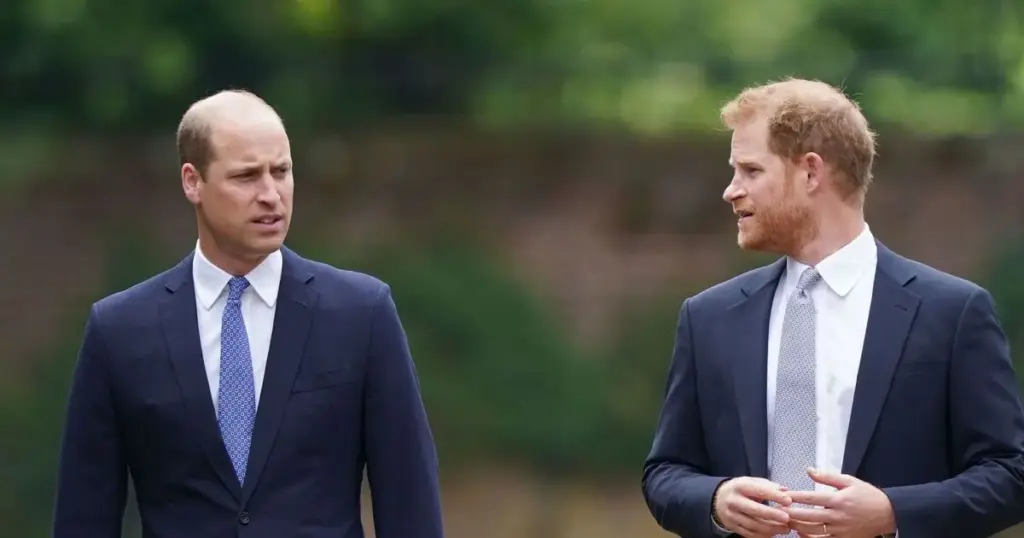
The enduring rift between the House of Windsor’s senior leadership and the Duke and Duchess of Sussex has entered a tense new phase. As Prince Harry and Meghan Markle re-establish a foothold in the United Kingdom—bringing with them their children, Prince Archie and Princess Lilibet, ahead of their schooling—the contrast between the two royal households has never been sharper.
While the Sussexes have consistently leveraged their royal status and personal narratives through high-profile media deals, tell-all memoirs, and television interviews, the Prince and Princess of Wales have maintained a wall of absolute silence. This stoicism, however, is far from passive. Sources close to the Waleses describe a calculated, razor-edge discretion designed to protect the institution from further turmoil while managing a profound, personal sense of betrayal.
This report examines the dynamics of the ongoing royal estrangement, contrasting the media-centric approach of the Sussexes with the traditional, guarded posture of William and Kate. Furthermore, it explores the historical roots of the brothers’ relationship, the economic motivations behind the Sussexes’ public disclosures, and the long-term implications for the British Monarchy as it navigates a rapidly shifting media landscape.
Detailed Chronology: From Brotherhood to Breach
To understand the current impasse between Prince William and Prince Harry, one must retrace a trajectory that shifted from profound shared grief to irreversible estrangement.
1997–2010s: The Crucible of Shared Trauma
The foundation of the brothers’ public image was forged in the national tragedy of August 1997, following the death of Diana, Princess of Wales. The indelible image of the young princes—William, then 15, and Harry, 12—walking behind their mother’s funeral cortege through the streets of London cemented them in the public consciousness as a unified front.
As they transitioned into adulthood, this bond appeared to deepen. They shared living quarters, established a joint office at St James’s Palace in 2009 to manage their philanthropic endeavors, and both pursued careers in the Armed Services. Both trained as military helicopter pilots, shared a mutual reverence for military personnel, and married partners from outside the traditional aristocracy. By all outward appearances, they were a modern, dynamic duo modernizing the monarchy from within.
2016–2020: The Fracturing of the Partnership
Cracks in the dynamic began to emerge shortly after Prince Harry’s marriage to American actress Meghan Markle in 2018. Cultural differences, divergent visions for their public roles, and intense tabloid scrutiny created immediate friction within the royal household.
By early 2020, the tension culminated in "Megxit"—the Sussexes’ decision to step down as working members of the Royal Family and relocate to North America. While framed initially as a desire for financial independence and privacy, the move preceded an unprecedented series of media revelations that fundamentally altered their relationship with the rest of the family.

2021–2023: The Era of Public Disclosures
The estrangement widened into a chasm following a succession of high-profile media events:
- The March 2021 Oprah Winfrey Interview: The Sussexes leveled accusations of institutional indifference and unspecified racial remarks regarding their unborn child, prompting a rare, measured institutional response from Buckingham Palace affirming that "recollections may vary."
- The January 2023 Release of Spare: Prince Harry’s memoir detailed intimate family disputes, physical altercations, and deeply personal grievances involving Prince William and Princess Catherine.
- Global Media Ventures: Lucrative multi-million-dollar partnerships with platforms like Netflix and Spotify ensured that the narrative of royal dysfunction remained in global headlines.
August 2025: The UK Return
With the Sussexes’ return to the UK via Birmingham Airport—timed alongside their children beginning school in Britain—speculation reached a fever pitch regarding a potential reconciliation. Yet, inside Adelaide Cottage and Kensington Palace, the reaction has been one of disciplined containment.
Supporting Context & Metrics: The Cost of Transparency vs. Discretion
The ideological divide between the two camps is underpinned by fundamentally different philosophies regarding privacy, duty, and monetization.
The Economics of the Sussex Brand
Since stepping down as working royals, Harry and Meghan have built a commercial enterprise centered largely on their royal connections. Industry estimates suggest that the couple’s media ventures—including the Netflix docuseries Harry & Meghan, various podcast productions, and Prince Harry’s record-breaking memoir—have generated tens of millions of dollars.
| Milestone / Venture | Estimated Financial Impact / Reach | Primary Medium |
|---|---|---|
| Oprah Winfrey Interview (2021) | Over 50 million global viewers | Television broadcast |
| Netflix Docuseries (2022) | Record-breaking streaming numbers for the platform | Streaming video |
| Memoir Spare (2023) | Fastest-selling non-fiction book in history (over 3.2 million copies sold in week one) | Publishing |
| Commercial Partnerships | Estimated multi-million dollar corporate contracts | Audio, visual, and print media |
While these ventures achieved immense commercial success, they fundamentally breached the unwritten code of confidentiality that has historically sustained the British Monarchy. In the view of senior royal aides, converting private family dynamics into commercial commodities crossed a line from which professional and personal trust cannot easily return.
The Waleses’ Doctrine of Silence
In stark contrast, Prince William and Princess Catherine have adhered strictly to the traditional royal maxim: "Never complain, never explain."
Aside from a brief, necessary clarification following the 2021 Oprah interview, the Waleses have refused to engage in public tit-for-tat exchanges. Advisers close to the couple emphasize that this silence is not born of weakness, but of strategic restraint. Engaging with the allegations, insiders argue, would only validate the narrative and drag the institution into a prolonged, undignified public spectacle.
Official Statements and Insider Perspectives
The atmosphere within royal circles remains guarded. While external commentators frequently speculate on the possibility of a swift reconciliation—particularly given Harry’s return to British soil—sources close to the Prince and Princess of Wales urge realism.

"They are watching this space," noted a source close to the Wales household. "It’s private—they don’t feel the need to say anything or demonstrate anything outwardly."
Another insider underscored the emotional barrier that has been erected following the publication of Spare and subsequent media appearances:
"Any reconciliation will be a slow build. There is a deep sense of betrayal. Harry may have viewed his disclosures as cathartic or therapeutic, but to those on the receiving end, they were deeply wounding, unnecessary, and spiteful."
For William and Kate, protecting their young family—Prince George, Princess Charlotte, and Prince Louis—remains the paramount priority. Shielding the children from the ongoing media circus has reinforced their resolve to maintain an impenetrable boundary against external noise.
Future Outlook: Can the Rift Ever Be Healed?
As the dust settles on the Sussexes’ return to the UK, the long-term outlook for the monarchy hinges on stability, continuity, and institutional discipline.
- Institutional Resilience: The British Monarchy has weathered numerous constitutional and familial crises over centuries. The current friction, while intensely personal, is managed within a framework that prioritizes the institution over individual grievances.
- The Barrier of Trust: Trust, once broken, requires exceptional time and verifiable discretion to rebuild. Given the financial and emotional capital invested in the Sussexes’ public narrative, a genuine reconciliation remains a distant prospect.
- The Path Forward for William and Kate: The Prince and Princess of Wales will continue to focus on their core constitutional duties, charitable patronages, and raising their family. By refusing to be drawn into public disputes, they have established a precedent of quiet dignity that defines the modern era of their branch of the family.
Ultimately, while the silence maintained by William and Kate may feel like walking on a razor’s edge, it remains the most potent tool at their disposal. In an age where every private grievance can be monetized, absolute discretion has become the ultimate luxury—and the bedrock of the future King and Queen’s enduring stability.