Executive Overview
The act of grooming intimate areas is a deeply personal routine, yet it remains shrouded in taboos, misinformation, and unnecessary anxiety. While most individuals develop a reliable intuition for shaving their legs or underarms after a few minor missteps, approaching the pubic region with a razor is an entirely different endeavor. The skin surrounding the vulva is exceptionally thin, highly sensitive, and densely populated with nerve endings and hair follicles, making it uniquely vulnerable to razor burn, cuts, ingrown hairs, and contact dermatitis.
Despite the widespread cultural prevalence of hair removal—driven by seasonal trends like swimwear season, shifting aesthetic preferences, or personal comfort—dermatological experts emphasize a fundamental truth: pubic hair removal is entirely optional. Understanding the biological purpose of pubic hair, recognizing the inherent risks of altering it, and mastering precise, safe techniques are essential steps for anyone choosing to groom.
This comprehensive report synthesizes guidance from leading board-certified dermatologists, including Dr. Mona Gohara of the Yale School of Medicine and New York-based dermatologist Dr. Amy Wechsler. By exploring the physiological functions of pubic hair, pre-shaving preparation, execution techniques, post-shave care, and troubleshooting common complications, this guide provides an authoritative, medically sound framework for safe intimate grooming.
Detailed Chronology: A Step-by-Step Guide to Safe Pubic Hair Shaving
Achieving a smooth, irritation-free shave in the pubic region requires methodical preparation, careful execution, and attentive aftercare. Rushing through the process or neglecting foundational hygiene steps dramatically increases the likelihood of nicks, inflammation, and painful ingrown hairs. Dermatologists recommend following a structured chronological routine from start to finish.

Phase 1: Pre-Shave Preparation and Trimming
Before a single blade touches the skin, foundational preparation is required to mitigate the risk of injury.
- Trimming Excess Length: Attempting to take a razor directly to long, dense pubic hair is a recipe for clogged blades, uneven cuts, and painful tugging. Experts recommend using a dedicated electric bikini trimmer or a clean pair of safety scissors to trim the pubic hair down to a few centimeters in length before initiating a wet shave.
- Opening the Pores: Spending a few minutes relaxing in a warm shower or bath allows the ambient heat and steam to soften the skin and hair shafts while opening the pores, making the hair easier to cut cleanly.
- Exfoliation: Gently exfoliating the external skin prior to shaving removes an accumulation of dead skin cells that might otherwise trap hairs or clog razor blades. Dermatologists advise using a soft washcloth or a specialized, gentle exfoliating scrub. Coarse materials and aggressive chemical exfoliants should be strictly avoided in this delicate zone, as they can cause micro-tears and chemical burns. For an added layer of protection against ingrown hairs, Dr. Gohara recommends gently swiping a salicylic acid pad across the area before shaving.
Phase 2: Lathering and LUBRICATION
Dry shaving is universally condemned by dermatologists, regardless of the body part, but it is especially dangerous in the pubic region.
- Choosing the Right Medium: While specialized shaving creams and gels offer optimal lubrication and closest shaves, a fragrance-free soap or body wash can serve as an acceptable alternative in a pinch. However, the formulation must be entirely free of synthetic fragrances and dyes, which frequently trigger contact dermatitis and severe irritation on sensitive vulvar skin.
- Creating a Protective Barrier: Apply a thick, generous layer of your chosen lubricant to the areas you intend to shave. This barrier minimizes friction between the steel blade and the epidermis, drastically reducing the incidence of razor burn and accidental nicks.
Phase 3: The Shaving Technique
Precision, visibility, and a light hand are the critical components of a safe pubic shave.
- Ensuring Optimal Visibility: Blindly shaving by feel alone is the primary cause of cuts in intimate areas. Dr. Wechsler strongly advises taking a shatterproof mirror into the shower or adjusting your positioning to ensure you have a clear, unobstructed view of the area at all times.
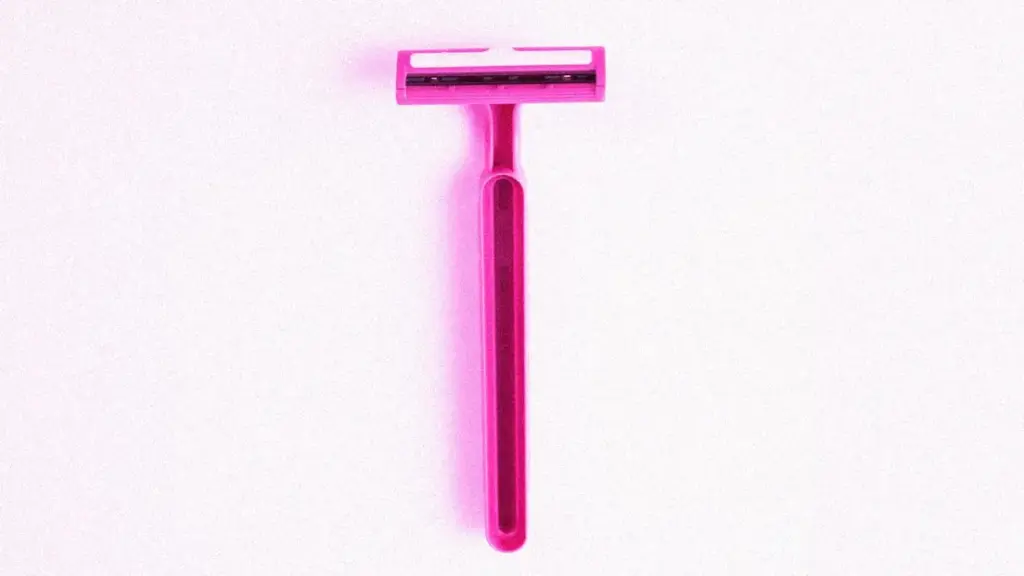
- Selecting the Right Tool: Multi-blade razors—often marketed for legs—pull the hair upward and cut it below the surface, which significantly increases the risk of ingrown hairs in curly pubic hair. Dermatologists recommend using a clean, sharp one- or two-blade razor designed specifically for sensitive or intimate grooming. A sharp blade minimizes the physical force required to cut the hair, whereas a dull blade forces the user to press harder, heightening the risk of lacerations.
- Stretching the Skin Taut: Gently pull the skin flat to create an even surface for the razor to glide across. However, take care not to over-stretch the tissue, as releasing it can cause uneven cuts and micro-abrasions.
- Shaving in the Direction of Growth: Always shave in the direction of hair growth (with the grain) rather than against it. While shaving against the grain yields a closer shave initially, it bends the cut hair shaft at an acute angle, forcing it to curl back into the skin and resulting in painful ingrown hairs.
- Rinsing Frequently: Rinse the razor blade under warm water after every single stroke to prevent hair and shaving cream buildup, which compromises the blade’s efficiency and harbors bacteria.
Phase 4: Post-Shave Cleansing and Moisturization
Once the desired areas are shaved, rinse away all residual shaving cream with lukewarm water. Gently pat the skin dry with a clean, soft towel—never rub, as friction on freshly shaved skin causes immediate irritation. Finally, seal in moisture and soothe the epidermal barrier by applying a thin layer of a fragrance-free lotion, ointment, or protectant like Aquaphor or Vaseline.

Supporting Context & Metrics: The Biology and Risks of Pubic Hair
To fully appreciate the mechanics of intimate grooming, one must understand the evolutionary and biological significance of pubic hair, as well as the clinical risks associated with its removal.
Why Does Pubic Hair Grow?
From an evolutionary standpoint, pubic hair is far from an arbitrary trait. Dr. Mona Gohara describes pubic hair as a specialized "cushion and protective barrier" for the genitourinary anatomy.
- Friction Reduction: Pubic hair acts as a natural buffer, reducing the mechanical friction caused by walking, exercising, and wearing tight clothing against sensitive skin.
- Debris Trapping: The hair structure functions as a physical trap for dust, sweat, and external debris, preventing foreign particles from entering the vaginal opening.
- Immune Defense: By minimizing friction and trapping potential irritants, pubic hair provides a localized layer of defense against irritation, chafing, and bacterial infections.
Removing this hair leaves the skin temporarily more vulnerable to environmental friction, contact irritants, and microbial penetration, underscoring the importance of proper hygiene and gentle post-shave care. Furthermore, genetics dictate the density, thickness, and distribution of an individual’s pubic hair. There is no biological benchmark for "too much" hair; the decision to maintain, trim, or entirely remove it is strictly a matter of personal aesthetics and comfort.
Clinical Risks of Intimate Shaving
According to data compiled by clinical health organizations such as the Cleveland Clinic, the physical act of shaving the pubic area carries several well-documented risks:

- Ingrown Hairs (Pseudofolliculitis Barbae): Occur when a freshly cut hair curls backward or sideways into the skin instead of growing outward. The body mounts an immune response against the trapped hair as a foreign object, creating an inflamed, swollen, and often painful red bump.
- Lacerations and Nicks: Due to the complex topography of the vulva and labia, accidental cuts are common, particularly when individuals shave without adequate lighting, mirrors, or sharp blades.
- Razor Burn and Folliculitis: Characterized by clusters of small, red, itchy bumps caused by microscopic skin trauma, friction, or bacterial colonization of hair follicles.
- Contact Dermatitis: An allergic or irritant skin reaction resulting from the use of fragranced soaps, chemical hair removal products, or low-quality lubricants applied to broken or sensitive skin.
Official Statements & Expert Troubleshooting
When complications inevitably arise, knowing how to address them safely prevents minor irritation from escalating into a severe infection or chronic scarring. Leading dermatologists offer targeted protocols for managing post-shave mishaps.
Troubleshooting Ingrown Hairs
Finding an ingrown hair in the pubic region is frustrating, but management requires patience and restraint.
- The Warm Compress Method: Dr. Gohara recommends applying warm, clean compresses to the affected area. The heat softens the stratum corneum (outer skin layer) and encourages the trapped hair to naturally migrate to the surface.
- Chemical Exfoliation: Utilizing topical salicylic acid helps gently exfoliate dead skin cells surrounding the trapped hair follicle, clearing the pathway for normal growth.
- Anti-Inflammatory Care: A low-strength over-the-counter hydrocortisone cream can be applied sparingly to calm acute swelling and redness.
- The Absolute Prohibition on Picking: Dermatologists issue an urgent warning against using tweezers, needles, or fingers to dig out ingrown hairs. "Avoid picking or digging, which can increase the risk of infection and scarring," warns Dr. Gohara.
- Wardrobe Adjustments: Clothing choices heavily influence the healing process. Dr. Gohara notes that tight, occlusive garments—especially synthetic leggings or yoga pants worn without cotton underwear immediately after shaving—trap sweat, increase friction, and drastically raise the likelihood of ingrown hairs and bacterial growth.
Managing Nicks and Cuts
If the razor slips and causes a laceration in the pubic area, immediate hygienic steps must be taken:
- Apply gentle, direct pressure to the wound using a clean cloth or gauze until bleeding stops.
- Thoroughly cleanse the area with mild, fragrance-free soap and warm water to eliminate bacteria.
- Apply a thin protective layer of an occlusive ointment like Vaseline or Aquaphor to shield the broken skin from moisture and external irritants while accelerating the natural closure of the wound.
Alleviating Razor Burn
Particularly during summer months when increased swimming, heat, and humidity exacerbate skin sensitivity, razor burn can cause significant discomfort.

- The Rest Period: The single most effective treatment for razor burn is giving the affected skin a mandatory hiatus from all hair-removal techniques until complete healing occurs.
- Soothing Inflammation: Apply a thin layer of low-strength hydrocortisone cream to dampen the inflammatory immune response and relieve itching.
Future Outlook: Empowered, Informed Intimate Care
As societal conversations around personal grooming continue to evolve, the medical and wellness communities are shifting away from prescriptive beauty standards toward a paradigm of informed autonomy. Dr. Gohara aptly summarizes the overarching philosophy of modern dermatology: "Grooming is a personal choice—whether you remove hair or leave it, the goal is to do what feels comfortable and empowering for you."
The future of intimate care lies in education, destigmatization, and product innovation. Consumers can increasingly access specialized, dermatologist-tested formulations—such as fragrance-free exfoliating gels, single-blade razors optimized for sensitive contours, and non-comedogenic post-shave moisturizers—designed specifically for vulvar skin health.
Ultimately, whether an individual decides to embrace a completely natural look, maintain a neatly trimmed shape, or achieve a close shave, safety must remain paramount. By respecting the delicate biology of the pubic region, investing in proper tools, moving slowly, and prioritizing skin barrier health, individuals can navigate intimate grooming with confidence, safety, and agency.