Executive Overview
The cultural paradigm surrounding sun-kissed skin has undergone a fundamental transformation. For decades, achieving a golden bronze meant sacrificing cellular integrity under the unforgiving glare of ultraviolet (UV) radiation or subjecting the dermis to the notoriously hazardous environments of indoor tanning beds. Today, however, advancements in cosmetic chemistry have elevated self-tanning from a streaky, orange-tinted gamble to a sophisticated, skin-pampering art form.
Modern self-tanners do more than simply deposit temporary color on the epidermis; they incorporate high-performance skincare ingredients like hyaluronic acid, niacinamide, and ceramides to nourish, hydrate, and visibly plump the skin. Backed by leading dermatologists and elite tanning professionals, this comprehensive guide explores the absolute safest ways to achieve a radiant glow. From decoding your skin’s unique undertones and mastering application sequencing to maximizing longevity and cleanly removing stubborn mistakes, this article provides the definitive blueprint for a flawless, sun-free summer aesthetic year-round.
Detailed Chronology: The Step-by-Step Blueprint to a Professional Sunless Tan
Achieving a seamless, salon-quality tan at home is not a matter of luck; it is a meticulous procedure divided into distinct phases. By following a structured timeline, you can completely eliminate the risks of patchiness, streaks, and unnatural orange hues.
Phase 1: The 24-Hour Pre-Tanning Prep
A flawless sunless tan relies entirely on the canvas you create. According to top New York City board-certified dermatologist Dr. Dendy Engelman, proper preparation is non-negotiable.
- Thorough Exfoliation: Twenty-four hours prior to your tanning session, you must thoroughly exfoliate your entire body. Dr. Engelman recommends utilizing a dry brush or an exfoliating glove paired with a nourishing body wash. This critical step sloughs off dead skin cells, smooths out rough patches, and effectively closes pores, preventing the tanning agent from settling into dark, concentrated dots.
- Hair Removal: Complete any shaving or waxing routines during this 24-hour window. Shaving immediately before applying self-tanner can leave open hair follicles vulnerable to trapped pigment, resulting in a spotted or dotted appearance.
Phase 2: The Application Sequence
On the day of your application, cleanliness and precision are your primary objectives. Ensure your skin is completely clean, dry, and free of heavy lotions, perfumes, or deodorants that could act as a barrier to the product.
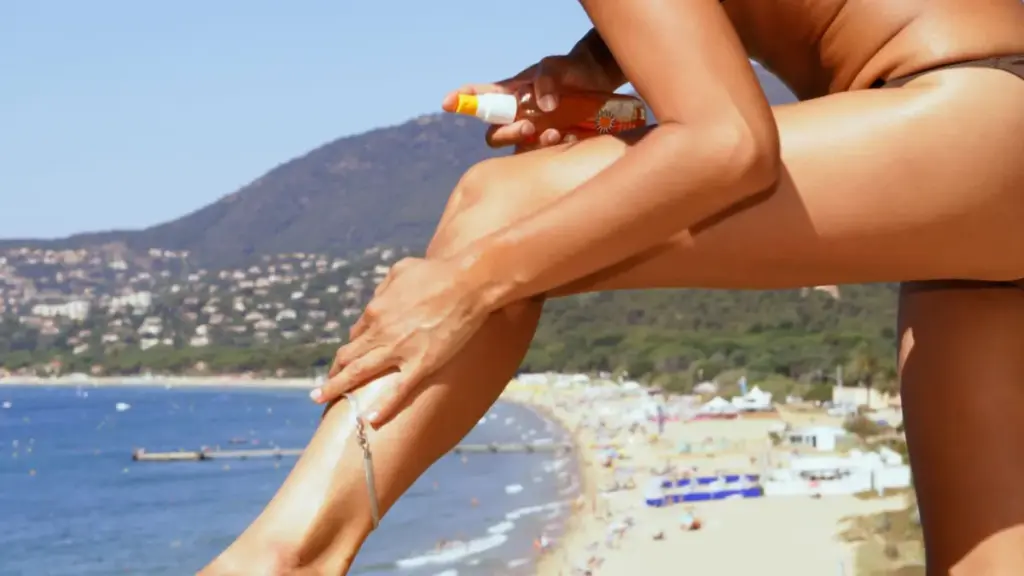
- Equip Yourself with the Right Tools: According to Colt Paulsen, chief tanning officer at Bondi Sands, an application mitt is your absolute best friend and a non-negotiable accessory. "Not only does it protect your hands from turning orange, but it also ensures the product blends evenly," Paulsen notes. To help the product glide smoothly, lightly dampen your mitt with water and wring it out completely before pumping a small amount of tanner onto its surface.
- Strategic Body Mapping: To avoid missing spots or creating awkward contortions, Paulsen recommends a specific application order. "Start with your back. I know it’s everyone’s least favorite part of self-tanning, but if you tackle it first, it’s out of the way, and the rest is a breeze." Once your back is complete, work in small, controlled sections down your legs, followed by your arms, using gentle circular motions rather than harsh, straight lines.
- Facial Application: When applying tanner to the face, exercise extreme care. Dr. Engelman advises gently patting the product onto the skin while keeping your eyes and mouth firmly closed. Opt for lightweight serums or tanning waters designed specifically for the delicate facial ecosystem.
Phase 3: The Development Window
Patience during the development phase dictates whether your tan looks natural or transfers onto your favorite linens.
- Timing Your Glow: Most industry experts suggest applying your self-tanner right before bed. During sleep, your body temperature naturally rises, helping the active ingredients fully absorb into the skin. Furthermore, your body remains largely stationary, allowing the product to develop to its full potential without interference.
- The Express Alternative: If sleeping in self-tanner sounds unappealing, tanning expert Sophie Evans recommends express-development formulas like the St. Tropez Express Bronzing Mousse. These versatile products allow you to shower after one hour for a light tint, two hours for a medium glow, or three hours for a deep bronze.
- The Golden Rule of Development: During the development period—typically lasting up to eight hours—you must strictly avoid exercising, swimming, or partaking in any activities that induce heavy sweating. Wearing tight clothing can also disrupt the settling formula, leading to uneven friction lines and unwanted color transfer.
Supporting Context & Metrics: Safety, Formulations, and Undertone Science
Understanding the dermatological science behind sunless tanning reinforces why transitioning away from traditional UV exposure is essential for long-term skin health.
The Dangers of UV Rays and Tanning Beds
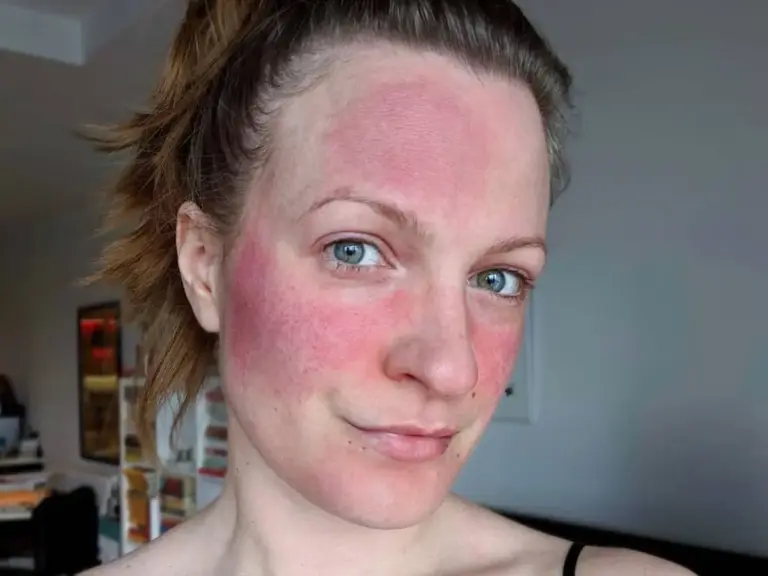
The medical consensus on ultraviolet radiation is absolute. According to Dr. Camp, UV rays stimulate melanin production as a defense mechanism against cellular trauma, but this process comes at a steep price. "UV rays contribute to accelerated aging by damaging collagen and elastin proteins in the dermis, and they directly contribute to the formation of skin cancers," Dr. Camp explains. Dr. Engelman adds that sun exposure triggers widespread hyperpigmentation and chronic wrinkling.
The hazards posed by indoor tanning beds are even more severe. Dr. Adarsh Vijay Mudgil, board-certified dermatologist and founder of Mudgil Dermatology, pulls no punches: "Using tanning beds is the absolute worst thing you can do to your skin. Tanning beds increase your risk for skin cancer tremendously and age your skin beyond repair."
Selecting the Right Formulation
Modern self-tanners have evolved beyond heavy, pore-clogging creams. Tanning expert Erika Vasco of The Tan Edit advocates for lightweight, buildable formulas.
"I tend to gravitate toward sheer, buildable formulas, especially tanning waters or serums that don’t sit heavily on the skin. They create a more believable, skin-like warmth rather than a one-dimensional bronze," says Vasco.
When evaluating ingredient labels, look for powerhouse hydrators like hyaluronic acid, niacinamide, vitamin E, and ceramides. These components not only improve the wear-time of your tan by preventing cellular dryness, but they also plump mature skin, helping to visibly blur fine lines, wrinkles, and localized dark spots.
Decoding Skin Undertones
One of the primary historical complaints about self-tanner was the dreaded unnatural orange tint. Modern science solves this by aligning products with specific skin undertones:
- Cool Undertones: If your skin burns easily and features pink or bluish undertones, opt for lighter, cooler-toned tanning formulations. These impart a soft, believable radiance without clashing with your natural pigmentation.
- Warm or Olive Undertones: If you tan easily and possess golden, olive, or yellow undertones, lean toward warm, rich, bronzy shades that amplify your skin’s natural warmth.
Official Statements & Expert Guidance
The insights shared by industry-leading dermatologists and tanning authorities provide a comprehensive framework for troubleshooting common sunless tanning dilemmas.
Maintaining and Extending Your Glow
Dr. Engelman emphasizes that internal and external hydration is the cornerstone of a long-lasting tan. Drink copious amounts of water and moisturize your skin multiple times a day using lotions or body oils enriched with aloe vera and shea butter.
"For an added boost, consider a moisturizer with a gradual self-tanner to subtly enhance your color, especially if you’re active or frequently swimming in the summertime," advises Dr. Engelman. When your tan eventually begins to fade, gentle exfoliation is required to clear away old pigment before applying a fresh layer.
Eradicating Mistakes and "Self-Tanner Hands"
Even the most experienced tanning enthusiasts occasionally encounter application mishaps. When dealing with over-saturated areas or accidental orange palms, resist the urge to scrub your skin raw with harsh household chemicals.
Dr. Mudgil recommends using a commercially formulated tan remover, such as St. Tropez’s Tan Remover Prep and Maintain Mousse. "These products generally contain baking soda, a mild exfoliant. While you’ll see DIY methods like using baby oil, a product specifically designed for this purpose is your best bet," says Dr. Mudgil.
Sophie Evans notes that specialized removers not only strip away legacy pigment but also reset the skin’s pH levels to the optimal state for subsequent tanning applications. To prevent stained hands entirely, always wash your palms immediately after completing a home tanning session if a mitt was temporarily compromised.
Future Outlook: The Next Generation of Sunless Skincare
As cosmetic laboratories continue to innovate, the future of sunless tanning points toward hyper-personalized skincare integration. We are entering an era where self-tanners function as primary anti-aging treatments rather than seasonal cosmetic accessories.
Formulations are shifting toward targeted delivery systems that respond dynamically to individual skin pH and microbiome balances, ensuring a custom-tailored shade that adapts precisely to your genetic makeup. Furthermore, eco-conscious packaging, reef-safe guidelines, and clean chemical profiles are becoming the gold standard for consumers who prioritize both personal wellness and environmental stewardship.
By prioritizing sun protection, embracing hydrating skincare ingredients, and mastering the meticulous mechanics of application and removal, achieving a safe, luminous, and radiant complexion has never been more accessible or scientifically sound.