Executive Overview
The sneaker and streetwear landscape has long operated at the dizzying intersection of sports heritage, high-fashion subversion, and global celebrity influence. Few cultural architects navigate this terrain quite as successfully as Grammy-winning artist Benito Antonio Martínez Ocasio—universally known as Bad Bunny. In an ongoing collaborative streak with athletic titan Adidas Originals, the Puerto Rican superstar has consistently reimagined classic archival silhouettes, transforming athletic footbeds into modern canvases for personal storytelling and avant-garde street style.
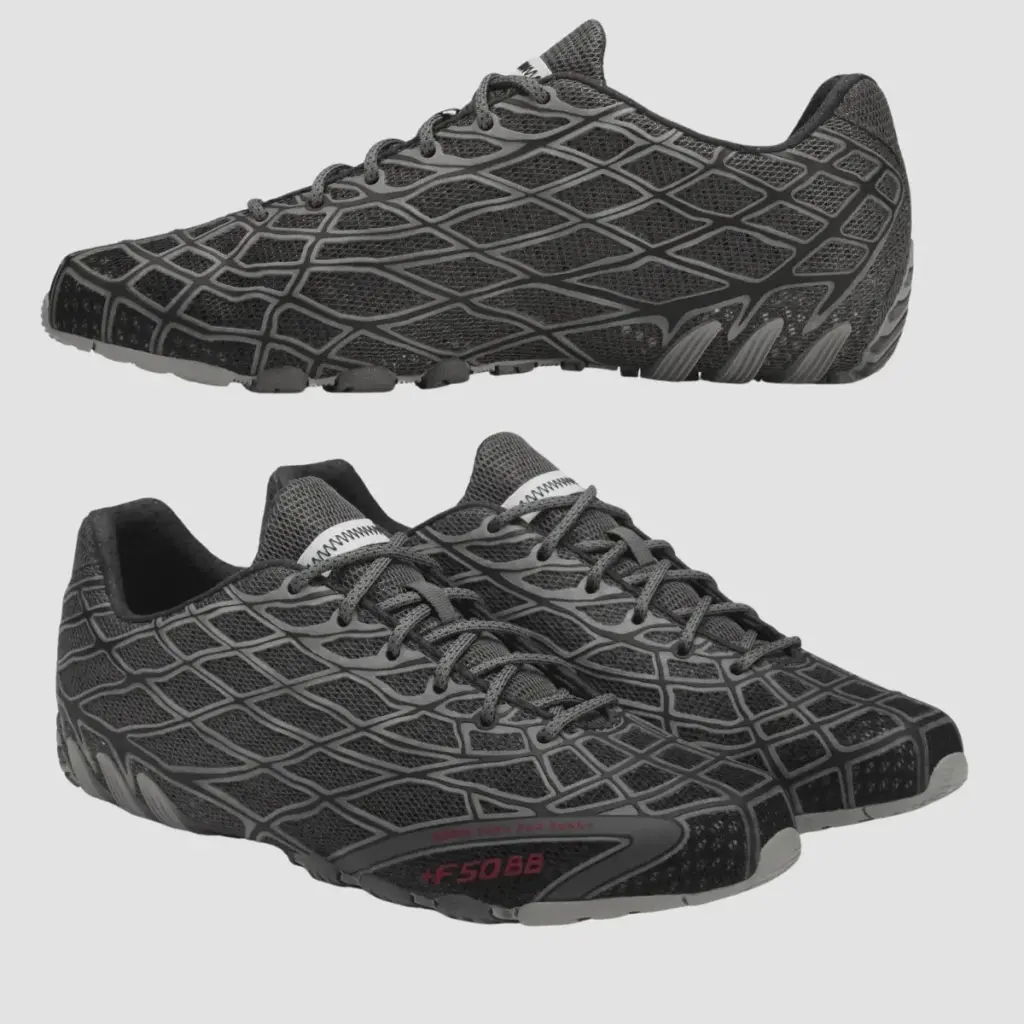
The latest chapter in this high-profile partnership is the Bad Bunny x Adidas Originals F50 Ghost Sprint in a sleek, charcoal-infused black colorway. Released globally on August 29, this iteration marks the third colorway in the F50 Ghost Sprint series, following vibrant drops in striking blue and "Solar Slime" green. Eschewing the neon loudness of its predecessors, the black edition introduces a wearable, versatile aesthetic while doubling down on the viral footwear trends dominating contemporary fashion: the "glove sneaker" and the "ballet sneaker."
Retailing at an accessible $160 USD, the shoe bridges the gap between limited-edition hype and everyday functionality. Yet, beneath its minimalist, dark exterior lies a deeply personal homage to Bad Bunny’s homeland: a design heavily inspired by the native Puerto Rican wolf spider, or Araña. Complete with a web-like supportive cage, sock-like construction, and subtle red and white branding accents, this release has quickly captured the attention of fashion critics and sneakerheads alike.
This deep-dive investigation explores the chronology of the drop, the design architecture bridging 2004 football heritage with 2026 micro-trends, the biological inspiration fueling the design, and what this ongoing partnership signals for the future of celebrity-driven footwear.
Detailed Chronology
Understanding the genesis and current rollout of the F50 Ghost Sprint requires tracing how Adidas and Bad Bunny have meticulously built anticipation for this specific silhouette over the past year.
The Heritage Foundation: 2004 to Present
To appreciate the F50 Ghost Sprint, one must first look back at Adidas’ rich soccer archive. The original F50 speed boot debuted in 2004, designed for agility, lightweight performance, and rapid movement on the pitch. Over two decades later, athletic footwear trends have shifted away from chunky, maximalist "dad shoes" toward sleek, low-profile silhouettes that mimic the foot’s natural anatomy.
When Bad Bunny and Adidas first conceptualized reshaping the F50 into a lifestyle sneaker, they sought to strip away the cleated sole plate while preserving the shoe’s aggressive, aerodynamic posture. The result is a hybrid shoe that feels equally at home on a city sidewalk or a high-fashion runway.
The Trilogy of Colorways
The F50 Ghost Sprint series did not arrive all at once. Adidas and Bad Bunny utilized a calculated rollout strategy to cultivate sustained market interest:
- The Launch Phase (Bright Blue & Solar Slime): The partnership initially introduced the silhouette in high-octane hues—a vivid blue and a retina-scorching "Solar Slime" green. These pairs were designed to turn heads, establishing the silhouette’s futuristic DNA and testing the market’s appetite for a low-profile football-to-street crossover.
- The Refinement Phase (The Black Colorway Drop on August 29): Having established the silhouette’s avant-garde shape, Adidas and Bad Bunny dropped the black colorway. Designed for everyday wearability, this iteration immediately appealed to consumers looking to participate in the "glove sneaker" trend without committing to neon aesthetics.
- The Current Retail Window: Unlike many high-profile sneaker collaborations that instantly vanish into the secondary reseller market via algorithmic botting, the black F50 Ghost Sprint launched with substantial inventory. At the time of writing, the $160 sneaker remains surprisingly accessible on official platforms like Adidas’ digital storefront, providing genuine fans a rare window to cop a hyped collaboration at true retail value.
Supporting Context & Metrics: Decoding the "Glove" and "Ballet" Sneaker Phenomenon
To fully grasp why the F50 Ghost Sprint is resonating so strongly with consumers, it is essential to contextualize the macroeconomic and stylistic shifts currently governing the footwear industry.
The Rise of the Glove and Ballet Sneaker
For several seasons, footwear fashion has been defined by a dichotomy: the endurance of technical outdoor trail runners and the meteoric rise of hyper-minimalist, slipper-like footwear. Dubbed the "glove sneaker" or "ballet sneaker" trend by fashion editors and TikTok style analysts alike, this movement favors shoes that hug the foot like a second skin.
Characterized by low profiles, flexible uppers, elasticized straps, and minimal mid-sole padding, these shoes offer a stark visual contrast to the bulky sneakers of the late 2010s. The Bad Bunny x Adidas F50 Ghost Sprint fits squarely into this zeitgeist. By transforming a 2004 soccer boot—inherently engineered to fit the foot tightly for optimal ball control—into a lifestyle shoe, the collaboration accidentally hit the bullseye of current consumer demand for sleek, sock-like footwear.
Comfort Metrics and Consumer Feedback
While avant-garde design often requires sacrificing physical comfort, early consumer data and customer reviews suggest the F50 Ghost Sprint avoids this pitfall. A review of initial user feedback reveals several key metrics:
- The Sock-Like Fit: Multiple five-star reviews highlight the sneaker’s snug, secure upper construction, which eliminates heel slippage without requiring heavy padding.
- All-Day Wearability: Despite its low-profile silhouette, wearers report that the internal cushioning is optimized for extended urban commuting and daily walking, defying the stiff nature typical of vintage athletic reissues.
- Material Integrity: The webbed paneling—crafted from synthetic textiles and reinforced overlays—maintains its structural rigidity even after weeks of consistent wear, preventing the sagging often associated with stretch-fabric shoes.
Pricing and Accessibility Economics
Priced at $160 USD, the F50 Ghost Sprint occupies a sweet spot in the sneaker market. It sits above standard mass-market trainers ($80–$120) but remains significantly more affordable than luxury fashion house collaborations, which frequently cross the $300–$500 threshold.

This pricing strategy serves a dual purpose:
- It honors Bad Bunny’s working-class roots in Puerto Rico, ensuring his fans can afford his art and fashion without falling victim to predatory resale markups.
- It expands Adidas Originals’ market share within the lucrative lifestyle category by capturing trend-conscious Gen Z and Millennial buyers who prioritize versatility and cost-per-wear.
Official Statements & Design Inspiration
The narrative dimension of any Bad Bunny collaboration is what separates it from standard celebrity endorsement deals. Every shoe tells a story rooted in Caribbean culture, nature, or personal folklore.
The Araña Inspiration: Puerto Rico’s Native Wolf Spider
When examining the structural architecture of the F50 Ghost Sprint, fashion historians and design analysts immediately notice the distinct, web-like overlays crisscrossing the upper. According to official design briefs released by Adidas Originals and Bad Bunny’s creative team, this pattern is a direct homage to the Puerto Rican wolf spider (Araña).
Known for its agility, stealth, and intricate web structures, the wolf spider serves as a metaphor for the shoe’s performance origins and Bad Bunny’s own nimble career trajectory. The webbed Araña cage is not merely decorative; it provides essential lateral support to the flexible textile base, locking the foot securely into place while reinforcing the sneaker’s aggressive, predatory lines.
Brand Perspective on the Ongoing Partnership
Executives at Adidas have repeatedly praised the depth of their creative alliance with Bad Bunny. Unlike transactional partnerships where artists simply stamp their names onto pre-existing templates, Bad Bunny’s team engages deeply in archival research.
"Working with Benito means challenging our design teams to look at our heritage through an entirely different cultural lens," noted an Adidas Originals spokesperson during the rollout of the F50 series. "He doesn’t just pull from sneaker history; he pulls from the natural world, from architecture, and from his own personal memories of growing up in Puerto Rico. The F50 Ghost Sprint is a testament to what happens when you give an artist total creative freedom over a classic sports archive."
Future Outlook: What the F50 Ghost Sprint Signals for Sneaker Culture
As the dust settles on the late-summer drop of the black F50 Ghost Sprint, industry analysts are already looking ahead to gauge the long-term impact of this release on both Adidas and Bad Bunny’s brand ecosystem.
1. The Death of Chunky Sneaker Dominance?
The success of the F50 Ghost Sprint—alongside parallel trends like Adidas’ viral ballet sneakers—signals a decisive industry pivot. As consumers increasingly embrace streamlined, aerodynamic silhouettes, brands with deep soccer, running, and track archives (such as Adidas, Puma, and Onitsuka Tiger) hold a distinct competitive advantage. Expect to see competitors aggressively raid their 2000s catalogues for similar low-profile reissues over the next 12 to 24 months.
2. The Evolution of the Bad Bunny x Adidas Roadmap
With three colorways of the F50 Ghost Sprint now out in the wild (Blue, Solar Slime, and Black), the natural question is whether the partnership will expand this specific silhouette into seasonal palettes or pivot to an entirely new archival model. Given the massive commercial success of their previous Forum, Campus, and Response CL collaborations, Bad Bunny’s imprint on Adidas’ balance sheet remains formidable. Analysts predict that future drops may experiment with sustainable materials, weather-resistant winterized updates, or unexpected color blocking inspired by Puerto Rican flora and fauna.
3. Democratizing Hype
The fact that the black F50 Ghost Sprint remains in stock at its $160 retail price point is a subtle victory for consumer-first retail strategies. In an era plagued by bot-driven sellouts and inflated resale markets, the ability of fans to walk onto adidas.com/badbunny and secure a pair at retail price proves that artificial scarcity is not the only path to cultural relevance. Quality design, authentic storytelling, and accessible pricing can successfully converge to create a modern sneaker classic.
Conclusion
The Bad Bunny x Adidas Originals F50 Ghost Sprint in black is much more than a seasonal footwear drop—it is a masterclass in cultural storytelling and trend forecasting. By taking a 2004 soccer speed boot, infusing it with the biological inspiration of Puerto Rico’s native wolf spider, and aligning it with the surging global demand for glove-like, minimalist sneakers, Benito and Adidas have crafted a standout piece of wearable art.
For fashion enthusiasts, sneaker collectors, and casual buyers alike, the $160 price tag and current availability present a rare opportunity to own a piece of contemporary footwear history before the cultural tides shift once more. Whether styled with tailored trousers, utilitarian cargo pants, or casual athletic wear, the F50 Ghost Sprint proves that true style is found where heritage meets fearless reinvention.