Executive Overview
Snow-capped peaks, lush emerald valleys, cows adorned with sonorous brass bells, and rustic timber cabins: over the past few years, the iconography of the alpine trail has commanded an inescapable presence across our digital feeds. It has felt, at times, as though an entire generation—alongside every suburban pet—underwent a nocturnal metamorphosis into hardened alpine mountaineers. Suddenly, everyone is scaling rugged terrain in high-performance Gore-Tex, conquering dizzying elevation gains, and celebrating the summit with artisanal sodas. But this sudden democratization of vertical terrain begs a broader cultural question: When did we all acquire the calves for this, and more importantly, why are we seeking refuge in the wilderness en masse?
The answers trace a complex intersection of post-pandemic psychological recovery, the craving for tactile physical exertion in an increasingly digitized world, and a profound cultural pivot toward intentional living. Wandering through nature has ceased to be merely a weekend hobby; it has evolved into a full-scale lifestyle movement. Brands, communities, and individuals are recognizing that the trail offers something infinitely more valuable than a scenic view—it provides a laboratory for personal agency, mental resilience, and authentic connection.
This deep dive explores the mechanics of the modern hiking renaissance, examining why humanity is returning to the dirt, the psychological architecture of the trail, and how leading outdoor brands are leveraging this momentum to foster female empowerment and self-determination in some of Europe’s most dramatic landscapes.
Detailed Chronology: From Romantic Roots to the Digital Trail
To understand the current obsession with peak-bagging and micro-adventures, one must trace the evolution of our relationship with the wild. While humans have traversed mountains for millennia—initially out of survival, later for scientific exploration, and eventually for sport—the contemporary hiking phenomenon represents a unique synthesis of heritage and hyper-modern digital culture.
The Romantic Awakening
Long before algorithms curated our feeds with misty valleys and winding ridge lines, the landscapes right outside our European doorsteps captured the imaginations of visionaries. During the Romantic era of the late 18th and 19th centuries, artists and poets turned to the untamed wilderness not with fear, but with awe. Mystical rock formations, cascading waterfalls, enchanted forests, and sweeping vistas over enchanted gorges became the muses for masterpieces that redefined humanity’s emotional connection to nature. Today’s hikers, armed with smartphones rather than easels, are essentially reenacting this romantic pilgrimage, seeking the same sublime transcendence that inspired the great painters of the past.
The Modern Digital Pivots
The 21st-century iteration of this movement gained unprecedented velocity during the global disruptions of the 2020s. Confined to indoor spaces and tethered to screens, society experienced a collective yearning for open air and physical space. When lockdowns lifted, the great outdoors became the ultimate release valve.
What started as localized walks around neighborhood parks rapidly expanded into weekend excursions, spontaneous micro-adventures, and structured alpine expeditions. The digital landscape adapted instantly. Algorithms rewarded aesthetic endurance sports, transforming hiking into a coveted status symbol. Wearing technical outerwear transitioned from a utilitarian necessity to a high-fashion statement—a phenomenon often dubbed "gorpcore."
However, beneath the aesthetic curation lies a genuine behavioral shift. People are not merely posing for the camera; they are experiencing tangible therapeutic benefits. The trail has become the new wellness studio, offering a space where the noise of modern life can be systematically dismantled stride by stride.
Supporting Context & Metrics: The Anatomy of the Hiking Boom
Why do we fall in love with hiking so easily? The reasons are multifaceted, spanning physiological, economic, and psychological dimensions.
Accessibility and Inclusivity
Unlike many sports that require expensive club memberships, specialized court time, or prohibitive gear investments, hiking boasts an exceptionally low barrier to entry. At its core, it demands very little beyond two reasonably reliable legs and a sense of curiosity. In most cases, the trail itself is entirely free.
This egalitarian nature makes hiking universally accessible. Whether you are a total beginner embarking on a gentle woodland loop or a heavily equipped seasoned professional tackling multi-day traverses, the mountains accommodate all skill sets. For those who lack the luxury of waking up like Heidi to the sound of cowbells against an alpine backdrop, modern mobility allows for seamless micro-adventures. A single day or a weekend getaway is enough to harvest the restorative benefits of nature, allowing urbanites to discover hidden, sustainable corners of their local geography.
The Physiology of the Ascent
From a fitness perspective, hiking is an undeniable powerhouse. It delivers an exceptional lower-body workout—engaging glutes, quadriceps, hamstrings, and calves—while simultaneously building cardiovascular endurance. Yet, its physical appeal extends beyond mere calorie counting.
Hiking strips away the distractions of the modern gym. There are no iron weight benches, mirrors, or digital screens behind which we can hide. There is only the raw, undeniable power in our legs, the unforgiving gradient beneath our boots, and the rhythmic burning of our lungs as the air thins. Our bodies perform immense mechanical labor to push us higher and higher, fostering a deep somatic awareness that is frequently lost in sedentary, desk-bound professions.
The Mental Health Dividend
Perhaps the most compelling driver of the hiking boom is its mental health dividend. The cognitive benefits of immersion in nature are well-documented by environmental psychologists: reduced cortisol levels, enhanced creative problem-solving, and a systematic calming of the nervous system.
When climbing a steep incline, mental focus narrows to the immediate present. You evaluate foot placement, monitor your breath, and pace your energy. This meditative state acts as a circuit breaker for anxiety. Furthermore, shared physical exertion acts as a social catalyst. Conversations held while walking side-by-side on a winding trail achieve a level of depth and vulnerability that is rarely replicated across a dinner table or a coffee shop.
Official Statements and Industry Initiatives: Designing the Future of Outdoor Life
Recognizing the profound synergy between physical endurance in nature and personal mental fortitude, major athletic brands are moving beyond traditional product marketing to curate transformative, real-world experiences.
A prime exemplar of this ethos is adidas TERREX, the outdoor division of athletic giant adidas. The brand has consistently championed the philosophy that outdoor endurance directly translates to internal resilience. To manifest this belief, adidas TERREX developed immersive initiatives designed to push boundaries not just physically, but mentally.
The "Design Your Life" Movement
Among these initiatives, the “adidas TERREX Design Your Life” hiking days and workshop series stands out as a pioneering model. Conceived as an exclusive, highly curated experience for outdoor enthusiasts seeking personal growth, the program bridges the gap between athletic challenge and holistic life coaching.
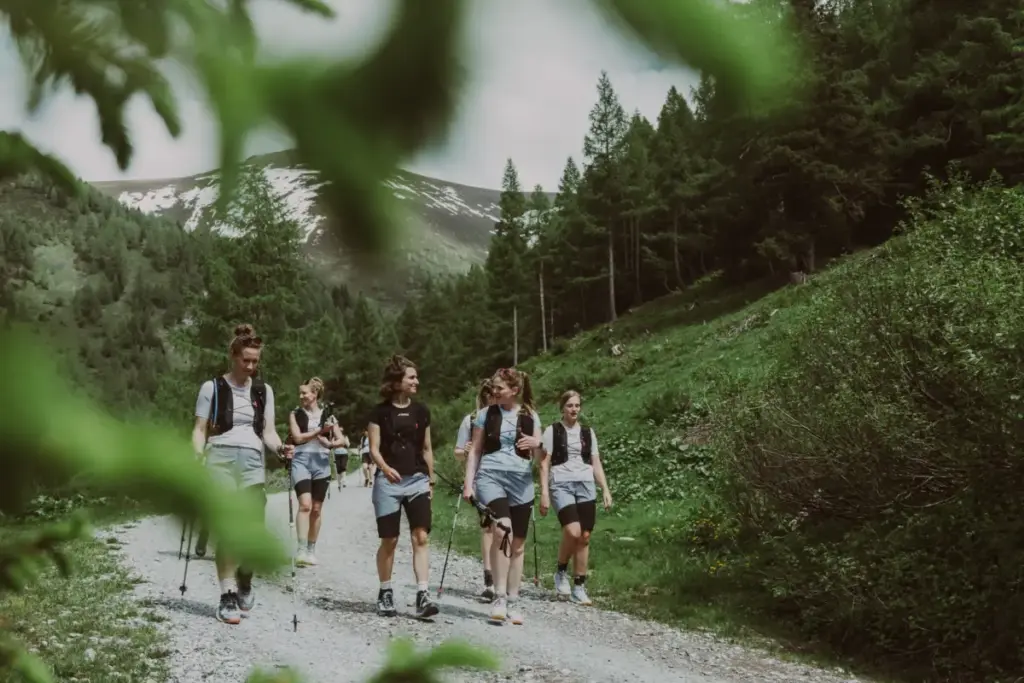
Set against the breathtaking backdrop of Germany’s Elbe Sandstone Mountains—specifically along the iconic Malerweg (Painter’s Way), widely regarded as one of the country’s most spectacular hiking routes—the event merges rigorous physical exploration with introspective mentorship.
The core philosophy of the "Design Your Life" experience addresses a fundamental truth of the trail: the physical hurdles we overcome mirror the emotional and professional obstacles we face in daily life. How we push through when exhaustion sets in, how we deliberately choose to take strategic breaks when our breath fails us, how we actively pause to absorb beauty, and how we cultivate unwavering self-belief—these are cognitive frameworks directly transferable to the rest of our existence. Step by step, hikers make conscious, active decisions about their trajectory.
Holistic Empowerment in the Wild
The structure of such immersive outdoor workshops reflects a modern evolution in brand-consumer engagement. Rather than a standard product launch, programs like those offered by adidas TERREX curate holistic ecosystems for development. Typically structured as multi-day residential experiences in landmark alpine hotels (such as the historic Berghotel Bastei), these events provide participants with:
- Professional mountain guides ensuring safe, technical navigation of challenging terrain.
- Dedicated life and career coaches facilitating workshops on decision-making, personal growth, and future-proofing one’s ambitions.
- Comprehensive logistical support, including full board accommodations and high-end technical apparel and footwear packages valued in the thousands of euros.
- Professional documentation capturing the authentic triumphs of participants as they scale new heights.
By removing logistical friction and surrounding participants with a supportive community of like-minded peers, these initiatives democratize access to elite outdoor experiences, proving that the wilderness can serve as a profound classroom for self-determination.
Future Outlook: Where the Trail Leads Next
As we look toward the horizon of the outdoor industry and cultural lifestyle trends, the trajectory of hiking points toward deeper intentionality, sustainability, and inclusivity.
The Evolution of the "Micro-Adventure"
The post-pandemic surge in outdoor recreation is maturing from a frantic trend into a permanent lifestyle fixture. As urban density increases and the demands of digital connectivity intensify, the necessity for analog sanctuaries will only escalate. We can anticipate a continued rise in "micro-adventures"—locally focused, low-impact excursions that maximize psychological reset without requiring long-haul carbon emissions. Sustainability will remain paramount, with modern hikers increasingly prioritizing leave-no-trace ethics, regional exploration, and eco-conscious gear manufacturing.
Redefining the Outdoor Demographic
Historically, alpine mountaineering and rigorous trekking have carried demographic biases. However, initiatives focused on female empowerment, community building, and beginner-friendly mentorship are rapidly reshaping the face of the trail. The future of hiking belongs to a diverse collective of individuals who recognize that the mountains do not discriminate based on background, but rather welcome anyone willing to lace up their boots and embrace the ascent.
The Enduring Metaphor of the Summit
Ultimately, the enduring appeal of hiking lies in its simplicity and its profound metaphor. At the end of a grueling climb, a universal ritual awaits: we reach the summit, drop our heavy packs, unfold our seating mats for a well-earned snack, and pull out our phones to capture a fraction of the panoramic majesty. We are breathless, exhausted, and wearing irrepressible grins.
In that single, hard-won moment, physical fatigue dissolves into deep personal pride. We realize that the discomfort was temporary, but the capacity to overcome it is permanent. Whether navigating a treacherous ridge line in the Elbe Sandstone Mountains or tackling an uncertain career transition back home, the lessons of the trail remain the same: look up, pace yourself, trust your footing, and keep moving forward, one deliberate step at a time.