Executive Overview
In the fast-paced, hyper-trend-driven world of modern skincare, few movements have proven as scientifically sound or as universally necessary as the shift toward skin barrier health. For years, the global beauty consumer was subjected to a relentless barrage of high-strength exfoliating acids, potent retinoids, and aggressive physical scrubs. The underlying philosophy of the 2010s was simple, if misguided: more burn meant more gain.
However, as dermatologists, aestheticians, and beauty editors alike began witnessing an epidemic of sensitized skin, chronic redness, and compromised moisture barriers, the industry experienced a collective awakening. Today, the conversation has pivoted away from stripping the skin into submission and toward nurturing, fortifying, and protecting its outermost layer.
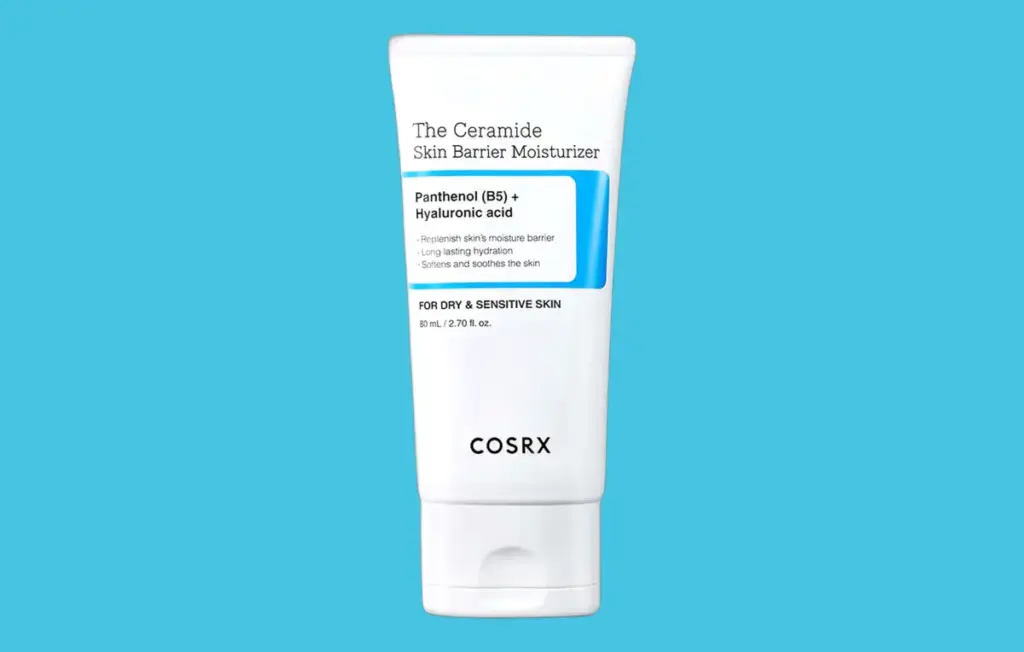
Yet, barrier health is no longer viewed strictly as an emergency-room protocol for over-exfoliated skin; it is now understood as the foundational baseline of lifelong skin vitality. Enter the current market of barrier-repair formulations, where consumers are flooded with expensive balms, heavy creams, and specialized serums. Amid this crowded landscape, one product has quietly risen through the ranks to claim cult-classic status: COSRX The Ceramide Skin Barrier Moisturizer. Priced accessibly at $23, this science-backed powerhouse has captured the attention of beauty professionals worldwide. Blending an advanced formulation of ceramides, hyaluronic acid, and fatty acids into a cushiony, lightweight cream, it bridges the gap between intensive clinical repair and everyday elegance. This comprehensive review explores the formulation, performance, and overarching impact of a product that has fundamentally redefined budget-friendly barrier care.
Detailed Chronology: The Evolution of Skin Barrier Awareness
To understand the meteoric rise of COSRX’s Ceramide Skin Barrier Moisturizer, one must first trace the evolutionary timeline of modern skincare trends over the past decade.
Phase One: The Era of Aggressive Actives (2015–2020)
During the mid-to-late 2010s, the skincare market was dominated by chemical exfoliation and maximum-strength percentages. Glycolic acid toners, multi-acid peeling solutions, and high-potency prescription-grade retinoids were marketed as daily essentials. Consumers enthusiastically layered these potent actives, often ignoring the subtle signs of stinging, tightness, and chronic flaking. The prevailing cultural narrative equated irritation with efficacy, convincing millions that if a product didn’t burn, it wasn’t working.
Phase Two: The Great Sensitization Wave (2020–2022)
By the dawn of the 2020s, dermatological clinics and aesthetic practices reported an unprecedented surge in compromised skin barriers. Patients presented with chronic dermatitis, perioral dermatitis, paradoxical oiliness caused by underlying dehydration, and extreme reactivity to even the most basic products. Social media platforms became flooded with desperate inquiries on how to fix "ruined skin." The industry realized that years of over-exfoliation had left the stratum corneum—the outermost layer of the epidermis—thinned, micro-fissured, and incapable of retaining moisture or blocking environmental pathogens.
Phase Three: The Barrier-First Movement and K-Beauty’s Ascendancy (2022–Present)
As consumers began paring back their routines, the beauty landscape underwent a structural correction. Brands shifted their focus from aggressive transformation to gentle maintenance and structural repair. South Korean beauty laboratories—long the pioneers of barrier-centric innovation—stepped into the global spotlight. Korean skincare philosophies have historically prioritized hydration, skin-identical lipids, and long-term resilience over quick fixes.
Within this new paradigm, COSRX—a brand already globally revered for its minimalist, results-driven approach—introduced its advanced ceramide formulation. Positioned not just as a reactive salve for damaged skin, but as a preventative daily hydrator, the moisturizer arrived precisely when the market demanded a blend of high science and everyday usability. Over the past year, it has cemented its place in professional rotation kits and consumer bathrooms alike, proving that effective barrier care does not require a luxury price tag.
Supporting Context & Metrics: The Science of the Stratum Corneum
To truly appreciate why a $23 moisturizer has generated such critical acclaim among beauty editors and clinical testers, one must examine the intricate biological architecture of the skin barrier and the specific mechanics of its repair.
The Anatomy of the Moisture Barrier
The stratum corneum is frequently compared to a brick-and-mortar wall. In this biological metaphor, the "bricks" are corneocytes (dead skin cells packed with keratin and natural moisturizing factors), while the "mortar" consists of intercellular lipids. These lipids are composed of a precise ratio of:
- Ceramides (approximately 50%)
- Cholesterol (approximately 25%)
- Free Fatty Acids (approximately 15–20%)
When this delicate lipid matrix is depleted by harsh weather, over-exfoliation, or intrinsic aging, the wall develops microscopic gaps. Moisture escapes (measured clinically as Transepidermal Water Loss, or TEWL), and irritants, allergens, and bacteria penetrate deeper into the dermis, triggering inflammation, redness, and sensitivity.
Inside the COSRX Formulation: A Clinical Breakdown
COSRX’s The Ceramide Skin Barrier Moisturizer does not rely on buzzwords; its efficacy is anchored in a meticulously balanced ingredient deck designed to mimic and reinforce the skin’s natural lipid structure:
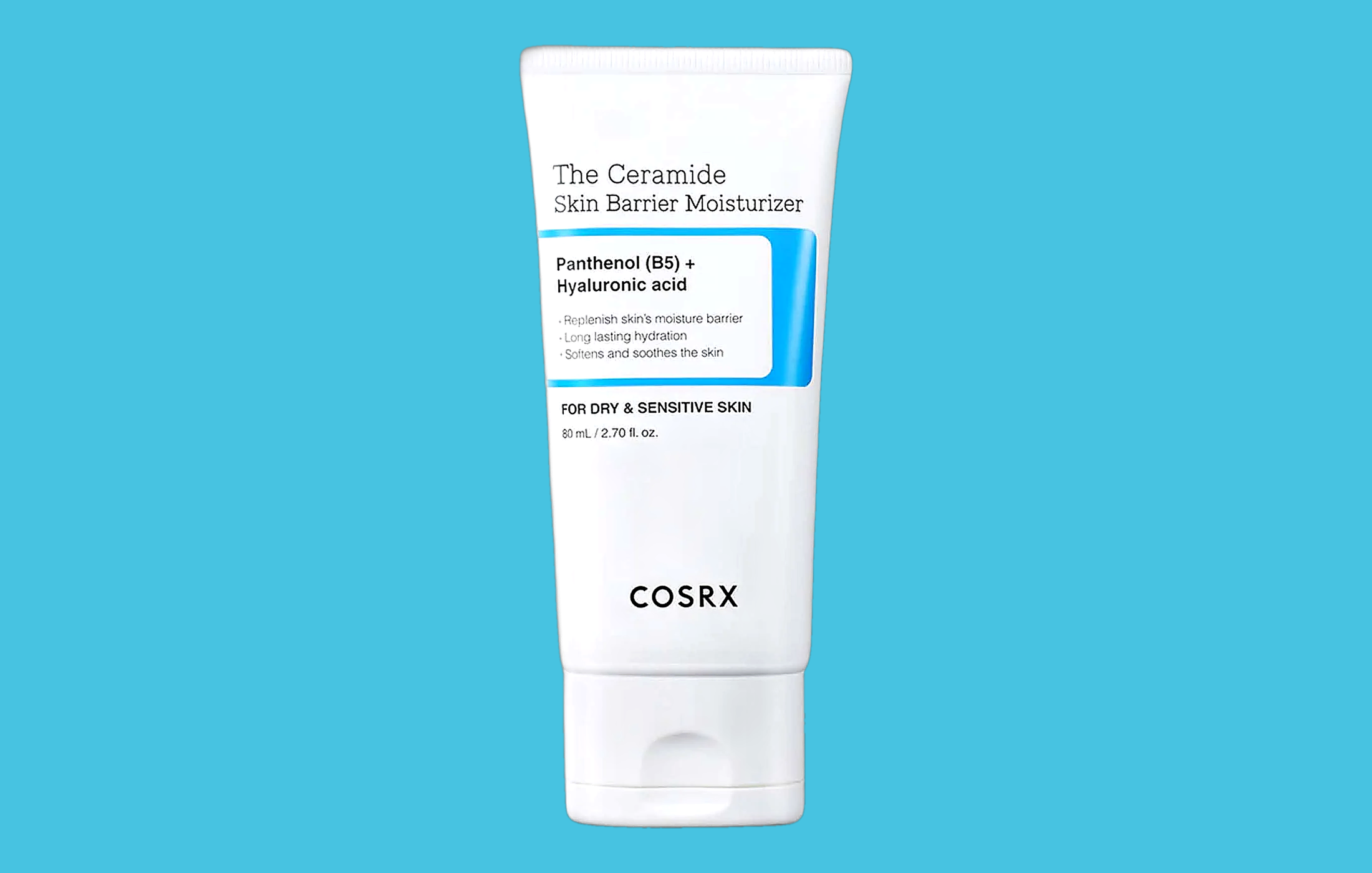
- Seven Types of Ceramides: While many conventional barrier creams feature a single synthetic ceramide, this formula utilizes a complex of seven distinct ceramides. This multi-targeted approach ensures that different layers of the intercellular matrix are replenished, restoring structural integrity and drastically reducing TEWL.
- Five Types of Hyaluronic Acid: To address surface-level dehydration alongside deep dermal moisture deficits, the formula incorporates a multi-molecular weight hyaluronic acid matrix. Smaller molecules penetrate deep into the epidermis to plump and hydrate from within, while larger molecules create a breathable, moisture-locking mesh on the skin’s surface.
- Cholesterol and Fatty Acids: Recognizing that ceramides cannot function effectively in isolation, COSRX formulated this cream with the complementary lipids required to reconstruct a fully operational intercellular mortar.
- Clinical Efficacy Metrics: In independent clinical testing, participants using the formulation demonstrated an extraordinary 92-percent improvement in skin-barrier strength. Furthermore, subjects reported measurable reductions in acute dryness, stinging, and persistent irritation within weeks of consistent daily application.
Practical Application: Buffering and Makeup Compatibility
One of the primary challenges of barrier-repair creams is their texture. Historically, truly effective barrier treatments have tended to be thick, occlusive greases that trap heat, clog pores, and pill relentlessly under cosmetics.
COSRX solved this engineering hurdle by developing a cushiony, hybrid cream texture that feels featherlight upon initial contact yet rich enough to seal in active ingredients. This makes it an ideal candidate for retinol buffering—the practice of applying a layer of moisturizer before a retinoid to slow its absorption rate, dilute its potency, and insulate sensitive skin from irritation without sacrificing the retinoid’s long-term anti-aging benefits.
Additionally, the formula sits seamlessly under liquid foundations and mineral powders, eliminating the frustrating pilling phenomenon common among heavy-duty restorative creams.
Official Statements & Expert Perspectives
The transition from trend-driven skincare to barrier-first maintenance has been championed by dermatologists and beauty editors alike. Industry insiders emphasize that the longevity of a skincare routine depends entirely on the health of the foundation upon which it is built.
"We spent the better part of a decade convincing consumers that skin needed to be aggressively polished, resurfaced, and chemically challenged to look good," notes a leading board-certified dermatologist specializing in barrier dysfunction. "What we are seeing now is a necessary course correction. If your barrier is compromised, no amount of expensive vitamin C or high-percentage retinol will deliver results. You are simply pouring active ingredients into a leaky bucket. Products that combine multiple ceramides with balancing fatty acids at an accessible price point are the single most important tool in modern dermatology."
Beauty editors who test hundreds of formulations annually echo this sentiment, pointing to the democratization of clinical-grade skincare as a major victory for the consumer.
"When you’re testing new active ingredients or reviewing products under rigorous conditions, your skin inevitably pushes back," shares a veteran beauty industry editor. "You experience that tight, angry, stinging sensation that strips away your natural glow. Having a dependable, fragrance-free, scientifically validated cream in a user-friendly tube—especially one that retails for just $23—changes the entire game. It proves that efficacy doesn’t have to carry a luxury markup."
Future Outlook: The Permanent Shift in Skincare Consumerism
As the beauty industry looks toward the horizon, the focus on skin barrier health is no longer classified as a passing trend; it has solidified into a permanent structural shift in how consumers approach personal care.
The Rise of Preventative Resilience
Moving forward, market analysts predict that consumer spending will increasingly favor multi-functional, non-irritating staples over aggressive, single-use corrective treatments. The philosophy of "skin cycling" and strategic recovery days has entered the mainstream lexicon, ensuring that consumers view their skincare routines through the lens of longevity rather than instant gratification.
Clean, Functional, and Accessible Packaging
The success of products like COSRX’s Ceramide Skin Barrier Moisturizer also signals a broader consumer demand for functional packaging and unpretentious formulations. The preference for hygienic, travel-friendly squeeze tubes (containing generous amounts—in this case, 2.7 ounces) over fragile, bacteria-harboring glass jars reflects a growing maturity among skincare buyers who prioritize hygiene, value, and practical utility.
Sustainability and Skin Health
As environmental stressors—including urban pollution, UV intensity, and climate instability—continue to challenge human skin health, the demand for resilient, protective topicals will only accelerate. Formulas that reinforce the skin’s natural defense systems will remain essential components of daily regimens across all age groups and skin types.
Ultimately, COSRX has delivered a masterclass in modern formulation chemistry. By prioritizing the skin’s biological needs over marketing gimmicks, the brand has provided a blueprint for what accessible, high-performance skincare should be. For anyone navigating the complexities of dry skin, sensitivity, or recovery from active-heavy routines, the future of healthy skin is clear, protected, and firmly anchored in barrier science.