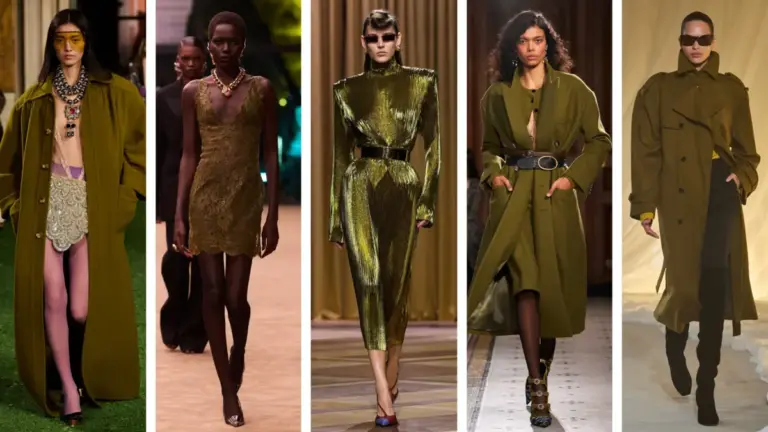
As the sweltering heat of summer yields to the crisp, amber-hued mornings of late autumn, our approach to personal grooming and fragrance naturally shifts. We trade the effervescent citrus, sea salt, and aquatic blooms of warmer months for something considerably more profound: a rich, enveloping olfactory wardrobe designed to mirror the season’s cozy aesthetic. Much like shrugging on an oversized cashmere cardigan, the right autumn fragrance offers an immediate, visceral sense of comfort. Yet, for those seeking a scent trail that breaks away from the ubiquitous vanilla, heavy patchouli, and predictable autumn gourmands, few ingredients possess the singular, magnetic allure of incense.
Incense fragrances span a fascinating spectrum, stretching from intense, heavy-smoke varieties to delicate, almost ethereal wisps. Rooted deeply in ancient history—where fragrant resins served as conduits between the mortal and the divine in sacred ceremonies and spiritual rituals—incense has evolved from an instrument of worship into one of modern perfumery’s most sophisticated, subtle, and sensual notes.
Navigating the landscape of incense perfumes requires an understanding of its diverse geographical and botanical manifestations. From the pungent, church-like resonance of traditional olibanum to the sweet, floral complexity of Indian blends and the refined, minimalist delicacy of Japanese Kōdō, incense is a chameleon note. This comprehensive report explores the history, cultural significance, and contemporary reinvention of incense in perfumery, culminating in an authoritative, Vogue-curated edit of the finest incense-infused compositions for the colder season ahead.
Detailed Chronology: The Evolution of Incense in Ritual and Perfumery
To truly appreciate the role of incense in contemporary fragrance, one must examine its extensive historical lineage, which dates back millennia. The story of incense is, in many ways, the story of civilization’s relationship with scent itself.
Antiquity and the Sacred Realm (c. 3000 BCE – 500 CE)
Long before it was bottled as a luxury personal fragrance, incense was burned to perfume the air of sacred spaces, honor deities, and accompany burial rites. The ancient Egyptians utilized kyphi—a complex, multi-ingredient incense compound composed of resins, woods, spices, and wines—both for temple rituals and as a medicinal unguent. Along the legendary Incense Route, merchants transported frankincense (Boswellia resin) and myrrh from the arid kingdoms of southern Arabia (modern-day Oman and Yemen) to the Mediterranean, Mesopotamia, and beyond.
In these early eras, smoke (per fumum, meaning "through smoke") was quite literally viewed as a bridge to the heavens. The heavier, more resinous profiles derived from Boswellia species established the baseline understanding of incense: deep, contemplative, slightly medicinal, and profoundly solemn.
The Renaissance and European Domestic Spaces (14th – 17th Century)
As trade routes expanded and European apothecary culture flourished, particularly in epicenters like Florence, aromatic resins transitioned from purely ecclesiastical domains into aristocratic homes. During the Renaissance, Florentine households and noble courts utilized botanical resins, dried flowers, and spices not only to mask the unrefined odors of the era but also as preventative health measures during plagues. Incense was burned in specialized braziers, infusing heavy tapestries and velvet garments with a lingering, aristocratic warmth that communicated status, piety, and refinement.

The Modern Olfactory Awakening (Late 20th Century – Present)
While incense remained a foundational base note in classical Oriental and amber perfumes throughout the 20th century, it was not until the late 1990s and 2000s that modern niche perfumery began isolating incense as a star player. Perfumers recognized that synthetic enhancements and clean extractions could strip away the purely ecclesiastical heaviness of olibanum, allowing its mineral, citrus, and green facets to shine. Today, incense stands as a cornerstone of avant-garde and luxury fragrance design, bridging historical reverence with modern minimalism.
Supporting Context & Metrics: Decoding the Incense Spectrum
The olfactory profile of incense is not monolithic; it varies drastically depending on geographic origins, extraction methods, and blending practices. Understanding these distinct categories is essential for anyone looking to incorporate incense into their autumn fragrance rotation.
1. Olibanum and Western Liturgical Incense
- Botanical Source: Derived from trees of the Boswellia genus (most notably Boswellia carterii and Boswellia sacra).
- Profile: Pungent, smoky, pine-tinged, and slightly citrusy at the opening, drying down into a deeply resinous, contemplative warmth.
- Cultural Association: Historically linked to Christian church architecture, cathedral interiors, and solemn rituals. In perfumery, it provides structural gravity and a solemn, architectural backbone.
2. Indian Incense and Exotic Resins
- Botanical Source: A complex amalgamation of indigenous plants, aromatic woods, heavy resins, and sweet spices.
- Profile: Generally sweeter, richer, and more overtly floral or gourmand. These blends often incorporate labdanum, benzoin, and sandalwood.
- Cultural Association: Vibrant temple offerings, bustling markets, and sensory opulence. On the skin, Indian-inspired incense profiles offer warmth, roundness, and sensual depth.
3. Japanese Incense and the Art of Kōdō
- Botanical Source: High-grade agarwood (Jinkō or oud), sandalwood, and finely ground herbal powders.
- Profile: Delicate, nuanced, highly refined, and dry.
- Cultural Association: Japan’s classical art of Kōdō (the "Way of Incense"), which is regarded alongside the tea ceremony (Chanoyu) and flower arranging (Ikebana) as one of the nation’s three classical arts of refinement. Rather than creating dense clouds of smoke, Japanese incense appreciation focuses on listening to the subtle evolution of fragrance.
Official Selections: Vogue’s Definitive Incense Edit
Depending on the composition, incense perfumes can be deep and powerful—particularly when paired with dense woods and heavy resins—or light and velvety, echoing the delicate wisps of smoke rising from an aromatic stick. Selecting the right facet is a matter of personal taste, but each of the following Vogue-approved fragrances offers an irresistibly refined and subtly sensual entry point into the colder season.
1. Issey Miyake Le Sel d’Issey
- Price: Approx. £106 – £127 (100ml)
- Retailers: Boots, Lookfantastic
- Why it’s Vogue-approved: Though initially marketed within men’s fragrance lines, Le Sel d’Issey possesses an undeniable and universal appeal for anyone drawn to transportive, boundary-pushing aquatic scents. While the overarching character of the perfume leans intensely woody, it is sharply counterbalanced by an earthy, mineral quality delivered via crisp seaweed and coarse sea salt. This maritime salinity invigorates the composition, offering a clean, modern take on textural depth.
2. BYREDO Alto Astral
- Price: £225 (100ml)
- Retailers: Space NK, Cult Beauty
- Why it’s Vogue-approved: BYREDO is renowned for subverting traditional fragrance categories, and Alto Astral is a masterclass in olfactive contrast. The scent opens with a luminous, gourmand burst of bright aldehydes and refreshing coconut water. At its heart, a sophisticated veil of incense mingles with delicate jasmine petals and milky musks, forming a seamless bridge to a deep, grounding base of creamy sandalwood and salty amber. The resulting trail is vibrant, energetic, and effortlessly sophisticated.
3. Santa Maria Novella Incenso
- Price: £165 – £245 (50ml / 100ml)
- Retailers: Harrods, Liberty London
- Why it’s Vogue-approved: Steeped in historical reverence, this composition draws direct inspiration from the aromatic resins burned in Renaissance Florentine homes and sacred chapels. It opens with an invigorating spice cabinet of cardamom and pink pepper. As the fragrance settles, a harmonious pairing of pure incense and crisp cypress unfolds at the heart, while dry, earthy vetiver anchors the base with a clean, woody finish that feels both timeless and grounded.
4. Matière Première Encens Suave
- Price: £165 – £170 (50ml)
- Retailers: Selfridges, Allbeauty
- Why it’s Vogue-approved: Dedicated to exploring the inherent sensuality of incense, Encens Suave centers around high-grade Somali resin incense. Master perfumer Aurélien Guichard pairs this sacred resin with rich Andalusian labdanum absolute and resinous Laotian benzoin. To elevate the warmth, decadent hits of roasted coffee and smooth Madagascar vanilla are woven into the dry down, introducing a rich, addictive gourmand dimension that wraps around the skin like silk.
5. L’Artisan Parfumeur Passage D’Enfer
- Price: £180 (100ml)
- Retailers: Harrods, Selfridges
- Why it’s Vogue-approved: Conceived as an olfactive tribute to L’Artisan Parfumeur’s original Parisian headquarters during the bohemian 1970s, Passage d’Enfer (loosely translated as "Hell’s Passage"—a playful nod to the street name, Rue d’Enfer) is an exercise in ethereal beauty. It successfully pairs the balsamic, brooding depth of transparent incense with pristine, angelic notes of white lily, clean musk, sharp ginger, and fresh rose. The juxtaposition of light and dark makes it an enduring masterpiece of niche perfumery.
Future Outlook: The Next Wave of Olfactory Craftsmanship
As the global fragrance market continues to experience a paradigm shift toward transparency, sustainability, and emotional wellness, the future of incense in perfumery looks brighter—and more complex—than ever.
Sustainability and Ethical Sourcing
With wild-harvested Boswellia trees facing ecological pressures in regions like East Africa and the Arabian Peninsula, modern fragrance houses are investing heavily in ethical harvesting protocols and green chemistry. Biotechnology and upcycled extraction methods are allowing perfumers to isolate the exact molecules that give incense its prized smoky-mineral signature without depleting natural resources. Consumers can expect to see an increase in "transparent incense" accords—scents that capture the ethereal, meditative qualities of smoke while adhering to strict environmental certifications.
The Rise of Functional Fragrance
Beyond aesthetics, the resurgence of incense aligns neatly with the booming wellness economy. As consumers increasingly view personal fragrance as a form of aromatherapy and self-care, notes traditionally associated with meditation, grounding, and spiritual alignment are taking center stage. Incense, with its proven psychological ability to slow the breath and center the mind, is positioned to become a staple in functional perfumery—scents engineered not just to smell exquisite, but to actively soothe the nervous system during times of seasonal transition.
Ultimately, whether you lean toward the spicy Renaissance warmth of Santa Maria Novella, the modern gourmand twists of Matière Première, or the maritime mineral bite of Issey Miyake, adopting an incense fragrance this autumn is more than a seasonal styling choice. It is an invitation to partake in a ritual that has captivated humanity for thousands of years: capturing the divine, the mysterious, and the comforting in a single, lingering breath on the skin.