Executive Overview
The traditional fashion calendar has long operated on a predictable, albeit protracted, timeline. Historically, collections debuted on the runways of New York, London, Milan, and Paris, only to spend months lingering in production before hitting department store racks, glossy editorials, and, eventually, high-profile red carpets. Today, that six-month buffer has been utterly compressed. In an era dominated by hyper-connectivity, digital immediacy, and the relentless demand for real-time cultural relevance, the gap between a design’s runway debut and its public appearance on a major celebrity has shrunk to a matter of mere hours—and occasionally, minutes.
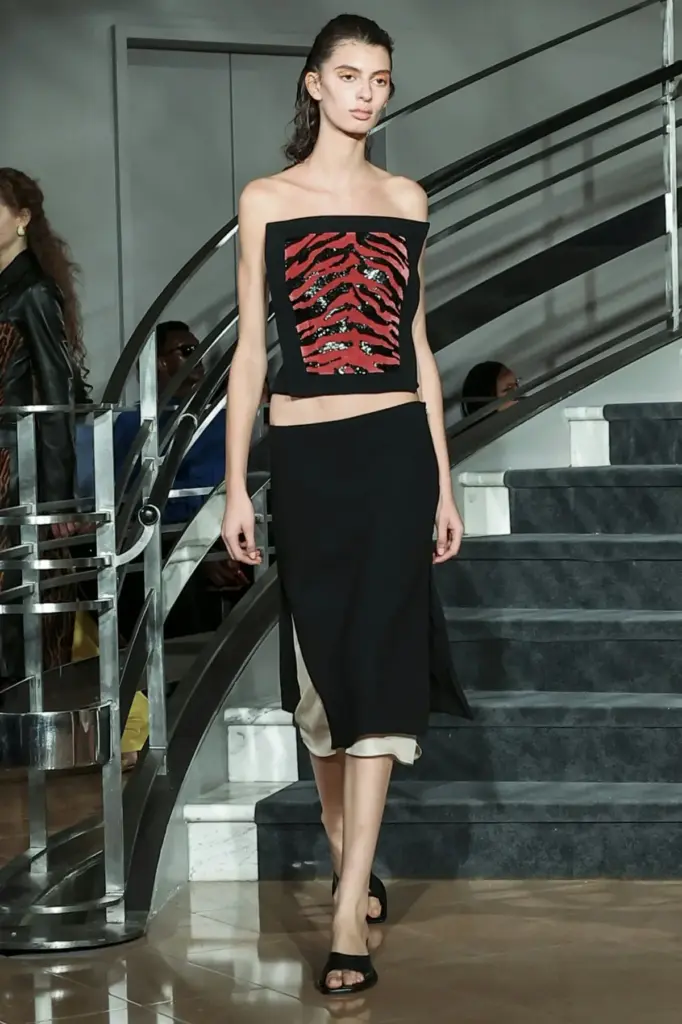
This paradigm shift was underscored during the recent Spring/Summer 2027 (SS27) fashion cycle, where Hollywood’s elite bypassed traditional seasonal wait times entirely. Leading the charge are stars like Kaia Gerber and Hannah Einbinder, who have successfully turned the high-stakes "rat race" of runway-to-red-carpet dressing into an art form. By stepping out in fresh silhouettes straight off the SS27 catwalks—some within 24 hours of their initial presentation—these actors and models are not merely participating in fashion; they are actively accelerating the industry’s promotional engine.
This comprehensive report investigates the mechanics, cultural implications, and logistical wizardry behind the phenomenon of accelerated celebrity styling. By examining key timelines from the recent New York Fashion Week (NYFW) SS27 events, analyzing the strategic partnerships between luxury design houses and talent, and exploring the broader industry trends driving this velocity, we examine how the relationship between the runway and the red carpet has been permanently altered.
Detailed Chronology: The 24-Hour Runway-to-Red-Carpet Pipeline
The speed at which contemporary celebrity stylists pull fresh looks from active runways defies traditional logistics. To understand the sheer velocity of modern fashion, one must look closely at the timelines established during the September 2026 New York Fashion Week SS27 showcases.
The Emmy Awards and Calvin Klein’s Quiet Strike
On September 14, 2026, while the city’s attention was divided between avant-garde presentations in Queens and intimate salon shows in Chelsea—such as Diotima and Luar—the entertainment industry converged for a major awards ceremony. Among the nominees of the evening was Hacks star Hannah Einbinder, whose red carpet appearance immediately captured the attention of style critics.
Einbinder stepped out wearing a minimalist, sophisticated three-day-old Calvin Klein Collection ensemble, featuring a fluid satin top paired with a clean-lined column skirt. The look stood out not for theatrical extravagance, but for its effortless execution. It was an exercise in modern tailoring that instantly resonated across digital platforms, landing Einbinder on nearly every major best-dressed compilation of the week. The choice demonstrated a calculated move away from over-engineered couture toward streamlined, contemporary luxury that could be sourced, fitted, and styled within a window that would have seemed impossible a decade ago.
Kaia Gerber and the Proenza Schouler Turnaround
Just days after the dust settled on the initial wave of NYFW presentations, model and actress Kaia Gerber elevated the trend to a new level. Attending the Specs Launch Keynote in Beverly Hills, California, Gerber debuted a standout look from Proenza Schouler’s Spring/Summer 2027 collection.
The ensemble, which had been enthusiastically bookmarked by fashion editors live from the runway, was characterized by its cosmopolitan edge, tactile sophistication, and sharp tailoring. Pulling a look from a collection that had concluded its runway debut less than 24 hours prior requires an extraordinary level of coordination between brand publicists, design houses, and styling teams. The rapid transition from physical runway to West Coast photocall highlights how fluid the boundary has become between trade presentations and public-facing celebrity endorsements.
The Precedent: The Zendaya Effect
While Gerber and Einbinder represent the current peak of this trend, the blueprint for immediate runway integration was cemented earlier in the year. Industry watchers frequently point to multi-hyphenate icon Zendaya and her legendary quick-changes—such as transitioning into a fresh Louis Vuitton Cruise look mere minutes after it wrapped—as the catalyst for this operational speed. These moments have transformed fashion shows from passive viewing experiences into active, high-speed retail and publicity events.
Supporting Context & Metrics: The Mechanics of Instantaneous Fashion
The ability to move a garment from a hanger in a backstage dressing room to a celebrity’s private car within hours is not a matter of luck; it is the result of meticulously engineered supply chains, dedicated celebrity services teams, and digital-first public relations strategies.
The Shift in Consumer and Media Attention Spans
In the attention economy, relevancy has a remarkably short half-life. Data from digital analytics firms specializing in the fashion sector indicate that audience engagement with runway imagery peaks within the first 48 hours of a collection’s debut. Once that window closes, consumer interest shifts rapidly toward commercial availability and celebrity validation.
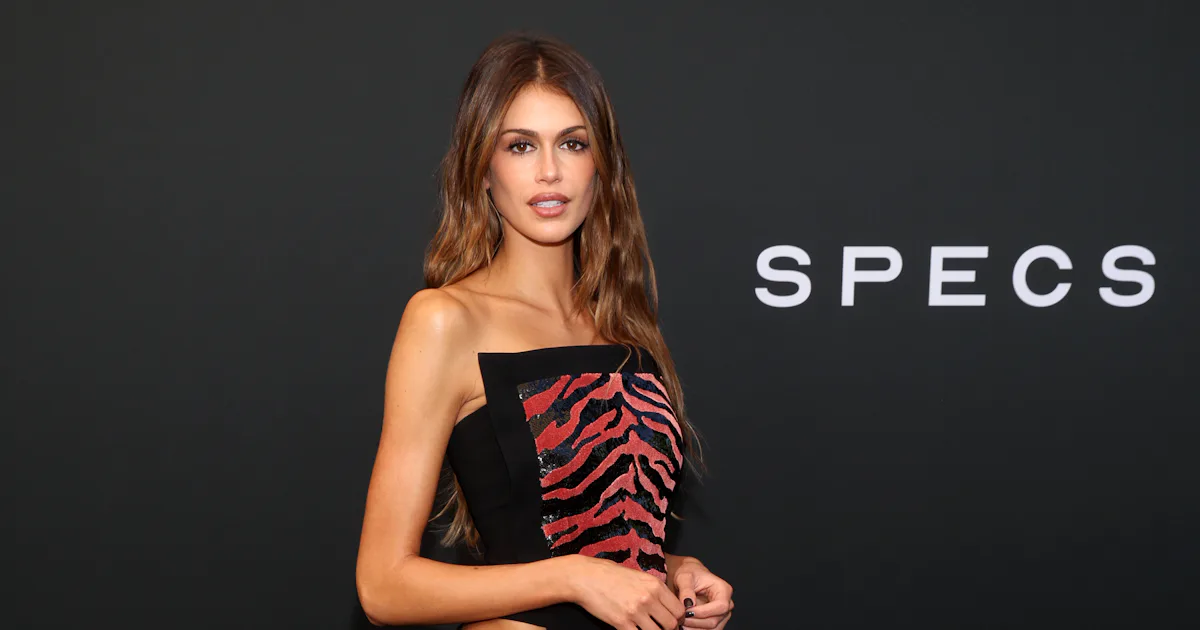
By placing runway pieces on high-profile figures immediately, luxury houses capitalize on peak digital curiosity. When a consumer sees Kaia Gerber wearing a Proenza Schouler SS27 skirt the day after it debuts, the psychological distance between the high-concept runway and the consumer’s desire to purchase evaporates. It bridges the gap between art and commerce in real time.
Logistical Miracles: Behind the Scenes of Quick-Pull Styling
Executing a runway-to-red-carpet turnaround requires a synchronized ecosystem of industry professionals:
- The Runway Debut: As models complete their final walks, brand publicists and celebrity stylists are often monitoring the stream or sitting front row, identifying key pieces for upcoming press engagements.
- Backstage Negotiations: Immediately following the show finale, stylists’ assistants or brand liaisons coordinate backstage to secure the physical samples. Because runway samples are typically crafted in single, highly specific sizes (often US size 0-2), finding a garment that fits the target celebrity—or executing emergency alterations—is a high-stakes gamble.
- Courier and Transport: Rapid-fire logistics kick in. For local events in New York or Los Angeles, private couriers transport garments directly from the venue to fittings. For bicontinental turnarounds (such as a New York collection worn in Los Angeles the next day), red-eye flights and dedicated handlers ensure the garment arrives intact.
- The Final Fitting: Hair, makeup, and styling teams work around the clock to build a cohesive look around a garment that may have existed only as a sketch weeks prior.
Official Statements and Industry Perspectives
The acceleration of fashion timelines has elicited mixed reactions from industry veterans, designers, and critics alike. While some view it as the ultimate triumph of modern marketing, others express concern over the mounting pressure placed on production and design teams.
"The race to be first is no longer just about bragging rights; it’s about capturing the cultural conversation before the news cycle moves on. When we see talent wearing pieces straight off the rails, it signals that fashion is alive, urgent, and reacting to the world in real-time."
— Anonymous Luxury Brand Public Relations Director
Fashion editors and critics have similarly praised the spontaneity. As noted by industry insiders covering the recent New York collections, seeing figures like Hannah Einbinder embrace relaxed, intelligent luxury right off the runway proves that modern style is less about rigid seasonal rules and more about personal resonance.
Conversely, behind-the-scenes artisans have voiced caution. The pressure to finalize samples for the runway—knowing they may be rushed to a red carpet the very same evening—intensifies an already grueling production schedule. Tailors, seamstresses, and atelier directors find themselves operating under compressed deadlines that leave virtually no room for error.
Future Outlook: What Lies Ahead for the Fashion Calendar?
As we look toward the remainder of the Spring/Summer 2027 fashion month—with London, Milan, and Paris still on the horizon—the trajectory is clear: the traditional barriers separating the runway from the red carpet are dissolving entirely.
The Death of the Season?
We may soon see the complete erosion of traditional seasonal delivery models. As digital platforms demand continuous novelty, the concept of waiting six months to wear or buy a runway look increasingly feels obsolete. Brands that fail to adapt their infrastructure to support rapid celebrity seeding risk losing share of voice to more agile competitors.
The Evolution of Sustainable Fast-Turnaround Practices
One of the critical challenges facing this accelerated model is sustainability. Pushing garments across continents via private transport and producing single-use runway samples that undergo intensive wear-and-tear runs counter to the broader industry push toward eco-conscious practices. Future iterations of the runway-to-red-carpet pipeline will likely need to leverage digital prototyping, localized sample houses, and eco-friendly logistics to maintain speed without compromising environmental standards.
Conclusion
The rapid styling feats demonstrated by Kaia Gerber, Hannah Einbinder, and their respective glam squads are harbingers of a new era in fashion. By transforming the runway into an immediate wardrobe source, the industry has proven that speed and sophistication are no longer mutually exclusive. As the remaining shows of the SS27 season unfold, all eyes will remain locked on the intersection of the catwalk and the red carpet—waiting to see who will be daring enough to wear tomorrow’s trends today.