Executive Overview
Retinoids remain the undeniable gold standard of dermatological skincare. Whether the objective is mitigating the early signs of aging, clearing stubborn comedonal acne, or fading persistent post-inflammatory hyperpigmentation, dermatologists consistently turn to Vitamin A derivatives as the cornerstone of any effective topical regimen. Yet, navigating the sprawling landscape of over-the-counter (OTC) options, varying molecular strengths, and prescription-only treatments can easily overwhelm even the most dedicated skincare enthusiast.

The market has evolved dramatically in recent years. No longer restricted to the traditional, highly irritating retinol formulations of the past, modern skincare science has introduced advanced delivery systems—such as encapsulation, spicule-infused micro-channels, and dual-retinoid blends—that maximize efficacy while dramatically minimizing the dreaded flaking, redness, and irritation traditionally associated with the ingredient.

This comprehensive guide breaks down the absolute best retinol and retinoid treatments available today, backed by extensive testing from beauty editors, insights from top board-certified dermatologists, and deep dives into ingredient chemistry. Whether you are a cautious beginner looking to protect your skin barrier or an experienced user seeking prescription-grade results without a clinical visit, understanding the science of retinoids is the first step toward achieving transformative skin health.

Detailed Chronology of Retinoid Evolution
To fully appreciate the products dominating shelves today, it is essential to understand how retinoids transitioned from a localized medical treatment to a global cosmetic phenomenon.
1. The Pharmaceutical Origins (1960s–1970s)
Retinoids first entered the medical mainstream not as anti-aging wonders, but as acne therapies. In the late 1960s and early 1970s, researchers developed tretinoin (all-trans retinoic acid)—the direct, active form of Vitamin A that skin cells can utilize immediately without undergoing chemical conversion. Initially prescribed to treat severe acne vulgaris, clinicians quickly noticed an interesting secondary effect: patients using tretinoin experienced significantly smoother skin texture, reduced fine lines, and faded sun spots. This sparked decades of dermatological research into the anti-aging properties of topical Vitamin A.

2. The Over-the-Counter Revolution (1980s–1990s)
While tretinoin delivered unmatched efficacy, its propensity for causing severe dryness, peeling, and skin barrier disruption led cosmetic chemists to develop milder, over-the-counter alternatives. Traditional retinol was introduced into commercial skincare products. Unlike tretinoin, standard retinol requires a two-step conversion process within the skin (first converting to retinaldehyde, then to retinoic acid). This buffer made it vastly more accessible to the general public, though early formulations often lacked stability and potency.
3. The Modern Era of Advanced Delivery Systems (2010s–Present)
Today, the retinoid landscape is defined by precision and tolerance. Breakthroughs in formulation chemistry have introduced stabilized retinaldehyde (which requires only a single conversion step, bridging the gap between OTC retinol and prescription treatments) and targeted delivery mechanisms like encapsulation. Ingredients are now engineered to release slowly into the deeper layers of the epidermis, protecting the skin barrier while maximizing cellular turnover.

Comprehensive Product Breakdown: The Best Retinoids Tested
Based on rigorous testing, expert evaluations, and industry awards, here are the top-performing retinoid treatments on the market, categorized by skin type, concern, and potency.

1. Best Overall Retinol / Best for Acne: Medik8 Crystal Retinal 24
- Key Ingredients: Retinaldehyde, hyaluronic acid, vitamin E, glycerin
- Size: 1 fl oz
- Why We Love It: A multi-award winner in beauty circles, Medik8 offers a progressive range of six strengths, making it uniquely customizable. The Crystal Retinal 24 formula sits at the peak of their over-the-counter lineup. Because retinaldehyde requires only one step to convert into retinoic acid, it delivers results comparable to low-grade prescription treatments while keeping pores clear and skin remarkably smooth.
- Expert Insight: Beauty Director Lauren Balsamo notes, "I normally stick to the Rx kind, but this OTC option has won me over. It’s just as effective as tretinoin for keeping my pores clear and skin smooth but with less dryness and flaking."
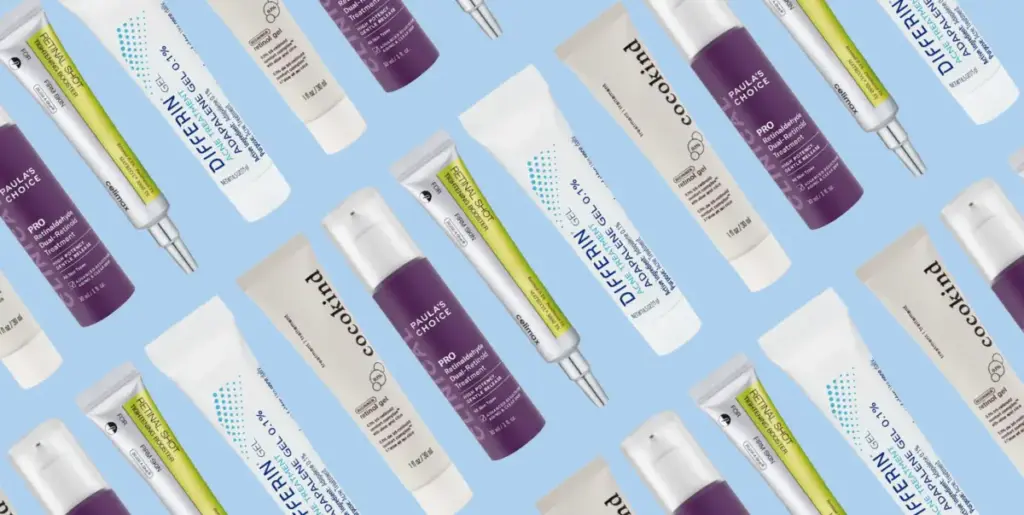
2. Best Dual-Retinoid Treatment: Paula’s Choice PRO Retinaldehyde Dual-Retinoid Treatment
- Key Ingredients: Retinaldehyde, adapinoid, jojoba oil
- Size: 1 oz
- Why We Love It: This formulation pairs retinaldehyde (the most potent OTC retinoid) with adapinoid—an oil-soluble retinoid derivative optimized for acne-prone skin. It acts as an anti-aging powerhouse while penetrating deep into pores to prevent breakouts.
- Expert Insight: Former Director of Special Projects Madeleine Frank Reeves shares, "This retinol serum gives smoothing and anti-aging results that are on par with a low-grade prescription retinoid, yet somehow manages to be incredibly gentle. My sensitive-ish skin experienced zero irritation."
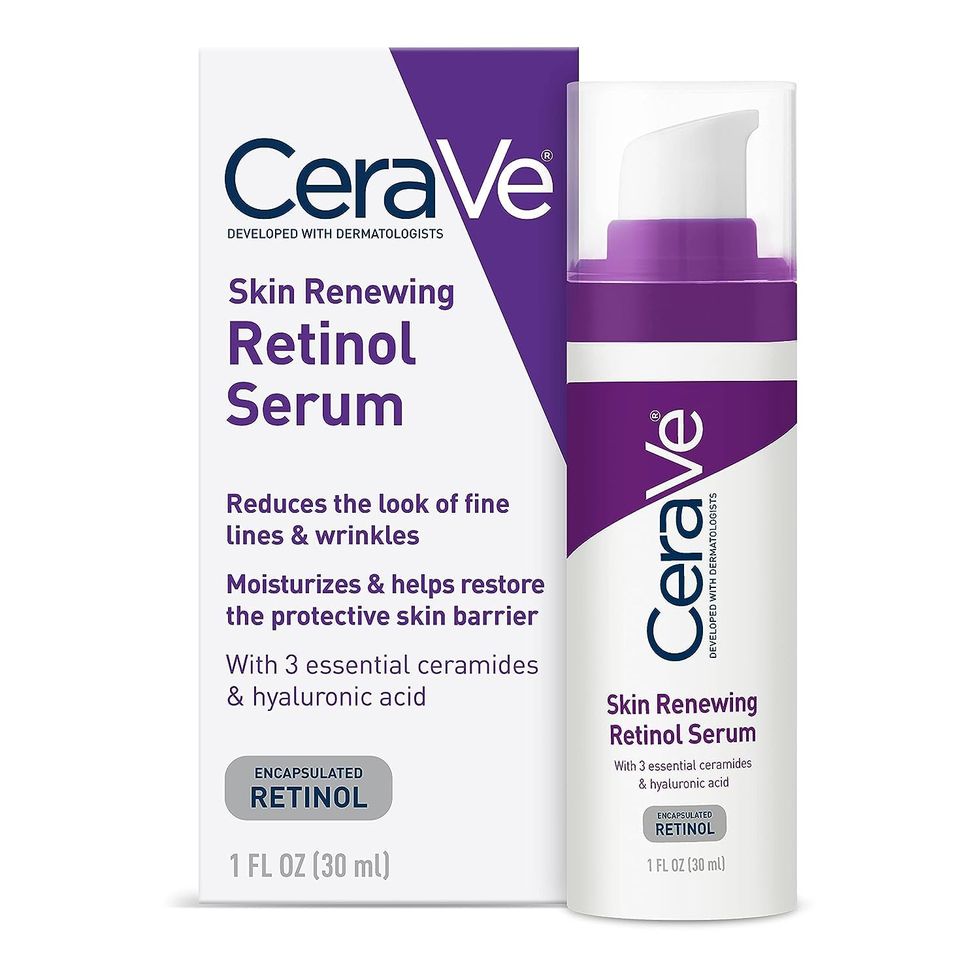
3. Best for Sensitive Skin: CeraVe Skin Renewing Retinol Serum
- Key Ingredients: Retinol, ceramides, hyaluronic acid
- Size: 1 fl oz
- Why We Love It: Boasting tens of thousands of five-star reviews, this drugstore staple utilizes encapsulated retinol. Encapsulation allows for sustained release and deeper penetration, minimizing surface irritation.
- Expert Insight: Dr. Jessie Cheung, MD, explains: "You are able to deliver the active ingredient where you want it to work deep in the skin, and this lessens any potential irritation at the surface." Assistant Beauty Editor Jasmine Hyman adds, "As someone with very sensitive skin… I didn’t experience severe flakiness or redness."
4. Best Budget Multi-Tasker: RoC Deep Wrinkle Serum
- Key Ingredients: Retinol, vitamin C, vitamin E
- Size: 1 fl oz
- Why We Love It: Combining retinol with vitamin C creates a classic daytime-nighttime synergy that tackles dark spots, sagging, and fine lines simultaneously, all for under $30.
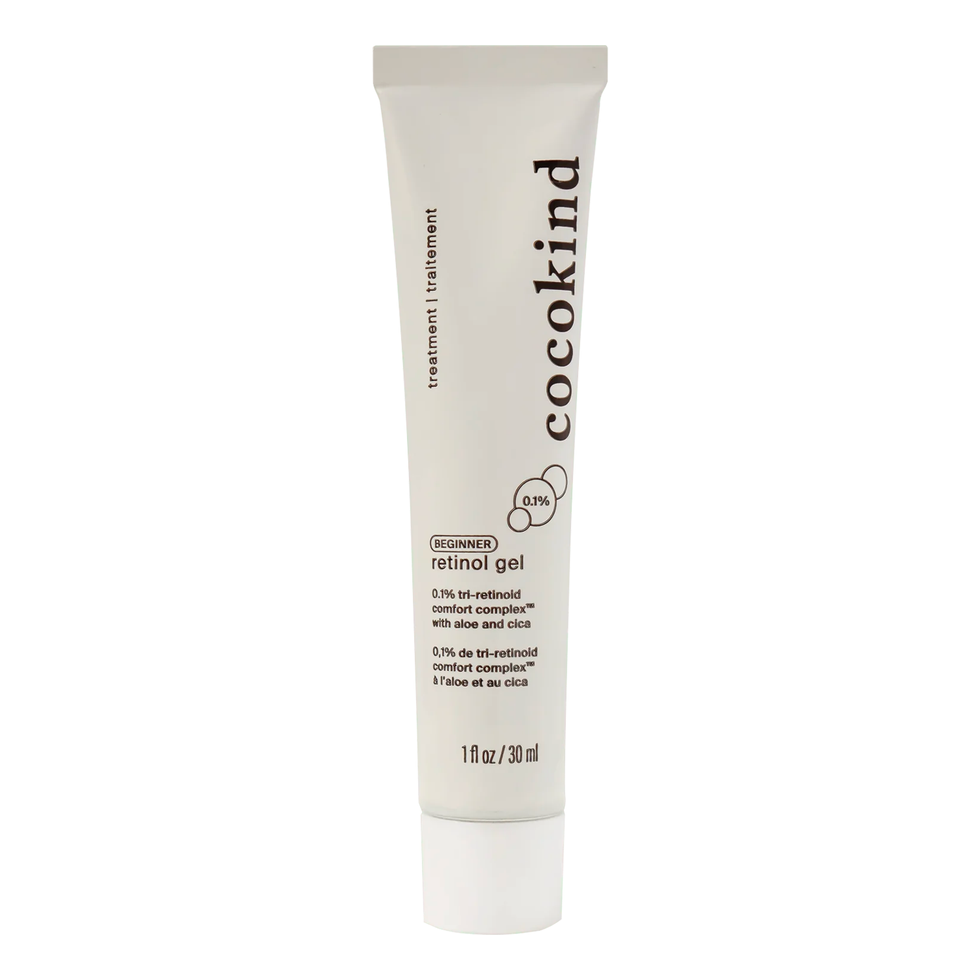
5. Best Beginner Gel: Cocokind Beginner Retinol Gel
- Key Ingredients: Granactive retinoid, ceramides, hyaluronic acid, vitamin E
- Size: 1 fl oz
- Why We Love It: Utilizing granactive retinoid—a gentle retinoid ester—paired with barrier-supporting moisturizers, this gel spreads effortlessly without triggering dryness or burning.
6. Best O.G. Acne Treatment: Differin Gel (Adapalene 0.1%)
- Key Ingredients: Adapalene
- Size: 0.5 fl oz
- Why We Love It: Adapalene is a synthetic retinoid specifically engineered to target acne pathways. Differin offers a lightweight, matte texture ideal for oily skin types dealing with comedones and hyperpigmentation.
- Expert Insight: Dermatologist Dr. Shari Marchbein notes, "Differin 0.1 percent Gel is the over-the-counter version of the powerful Rx retinoids… It’s gentler and less drying than prescription options."
7. Best Innovative Booster: Celimax The Vita-A Retinal 0.1% Shot Booster Treatment
- Key Ingredients: Retinal, spicules, Matrixyl 3000, peptides, niacinamide
- Size: 1 oz
- Why We Love It: This K-beauty innovation suspends 0.1 percent retinal in marine-derived spicules—microscopic needle-like structures that create microscopic channels in the skin for enhanced product delivery.
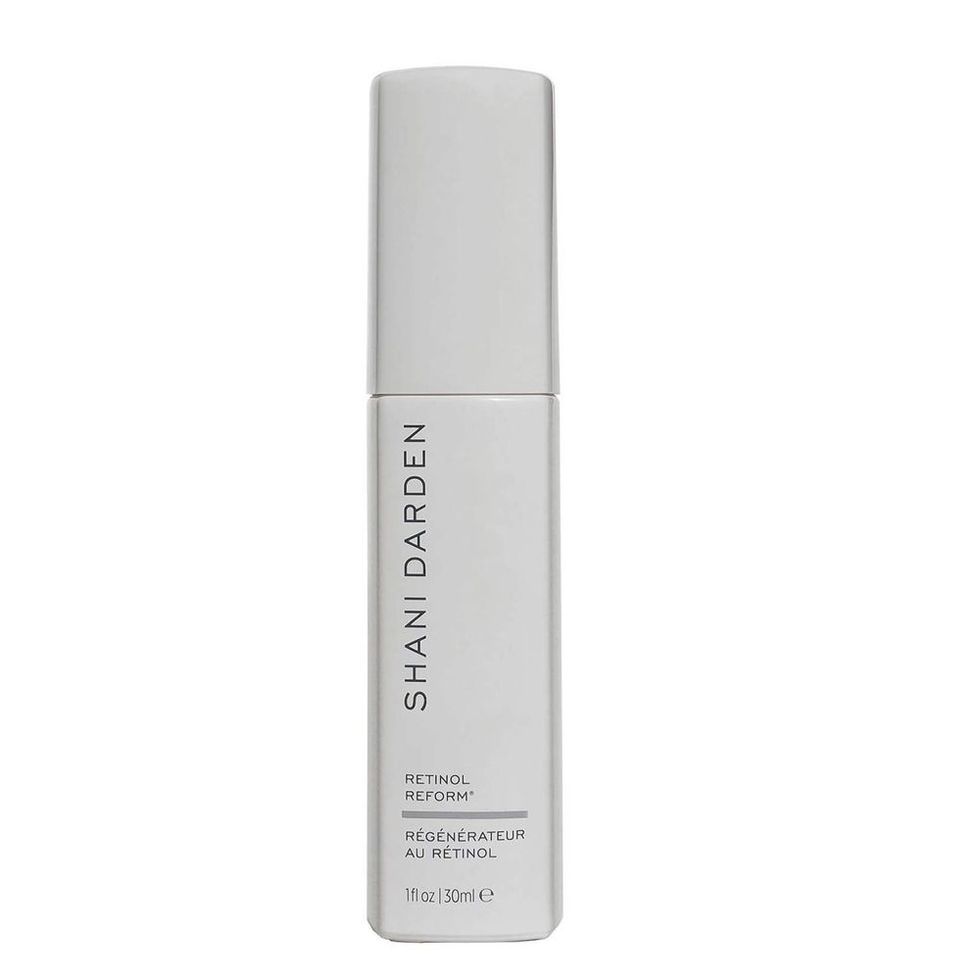
8. Best for Hyperpigmentation: Shani Darden Skin Care Retinol Reform Treatment Serum
- Key Ingredients: Retinol, lactic acid, niacinamide, aloe vera
- Size: 1 fl oz
- Why We Love It: Created by celebrity aesthetician Shani Darden, this formula pairs firming retinol with exfoliating lactic acid and brightening niacinamide to rapidly fade stubborn sun spots and acne scars.
9. Best Firming Treatment: Dr. Whitney Bowe Beauty Retinal Night Advanced 0.1% Retinal Firming Treatment
- Key Ingredients: Retinol, peptides, squalane, shea butter
- Size: 0.95 fl oz
- Why We Love It: Combining retinoids with skin-plumping amino acid chains (peptides), this treatment supports collagen synthesis while nourishing the skin barrier with squalane and shea butter.
10. Best Prescription Option: Curology Custom Formula Rx for Acne
- Key Ingredients: Tretinoin (customized prescription formulations)
- Why We Love It: For those requiring direct retinoic acid, telemedicine services like Curology streamline the prescription process, delivering customized tretinoin blends directly to your door without insurance hurdles.
Supporting Context & Metrics: Understanding Retinoid Chemistry
To maximize the benefits of any retinoid, users must understand the molecular hierarchy of Vitamin A derivatives:
- Retinyl Esters (e.g., Retinyl Palmitate): The weakest form, requiring a three-step conversion to retinoic acid. Best for extremely reactive skin types.
- Retinol: The standard cosmetic ingredient requiring a two-step conversion. Widely studied and effective for general anti-aging.
- Retinaldehyde (Retinal): Requires only a single conversion step, offering near-prescription speeds of cell turnover with high tolerability.
- Adapalene: A naphthoic acid derivative with retinoid activity, specifically designed and FDA-approved for acne treatment.
- Retinoic Acid (Tretinoin): The active biological form utilized directly by skin cell receptors. Available exclusively via prescription due to high potency.
Choosing the Right Percentage
Beginners should consistently adhere to the "low and slow" rule:

- Beginners / Sensitive Skin: Start with 0.01% to 0.03% retinal or 0.1% to 0.25% standard retinol, applied 1–2 nights per week.
- Intermediate Users: Progress to 0.05% retinal or 0.5% retinol as tolerance builds.
- Advanced / Expert Users: Utilize 0.1% retinal, high-strength retinol (1%), or transition to prescription tretinoin under dermatological supervision.
Future Outlook: The Next Generation of Topical Skincare
The future of retinoid technology points toward hyper-personalization and enhanced barrier intelligence. As cosmetic chemists continue to refine delivery systems like lipid encapsulation and bio-fermented peptides, the historical trade-off between efficacy and irritation is rapidly disappearing.

Furthermore, the integration of microbiome-friendly ingredients alongside retinoids ensures that long-term skin health remains protected. Consumers can expect a continued shift toward multi-action hybrid formulas that combine retinoids with barrier-repair lipids, antioxidants, and soothing botanicals, making high-performance anti-aging and acne management accessible to every skin type.