Executive Overview
Navigating body grooming practices can often feel like learning an entirely new language, especially when shifting focus from standard routines—such as shaving legs or underarms—to the intricate and sensitive landscape of pubic hair care. While shaving limbs is relatively intuitive once the basic muscle memory is established, managing hair removal on the vulva requires a distinct, highly specialized approach. The skin in this anatomical region is significantly thinner, richer in nerve endings, and more prone to mechanical irritation, friction, and moisture retention than almost anywhere else on the body.
Despite the widespread prevalence of grooming practices, a surprising amount of misinformation persists surrounding how to maintain, style, or completely remove pubic hair safely. Whether individuals choose a completely smooth aesthetic, a neatly trimmed appearance, or prefer to leave their natural growth untouched, the underlying principle championed by modern dermatologists is bodily autonomy. Grooming is entirely optional, deeply personal, and should be driven purely by individual comfort, aesthetic preference, and self-expression rather than external societal pressures.
However, for those who choose to remove some or all of their pubic hair—whether for the ease of swimsuit season, personal hygiene preferences, or sheer comfort—understanding the precise physiological mechanics of the area is critical. Executing hair removal without proper preparation can quickly lead to painful complications, ranging from acute razor burn and contact dermatitis to chronic ingrown hairs and bacterial infections.

To demystify this process, this comprehensive guide synthesizes insights from leading board-certified dermatologists. By breaking down the biological purpose of pubic hair, establishing a step-by-step pre-shave and post-shave protocol, and detailing how to safely troubleshoot common mishaps like nicks and bumps, this article provides an authoritative, science-backed roadmap for safe and effective pubic grooming.
Detailed Chronology: A Step-by-Step Guide to Safe Pubic Shaving
Achieving a comfortable, irritation-free shave in the pubic region is not merely a matter of grabbing a razor and gliding it across the skin. Because the area is contoured, sensitive, and constantly exposed to friction, a meticulous, multi-phase routine is required from start to finish. Dermatologists emphasize that skipping preparation or rushing through the process dramatically increases the likelihood of epidermal trauma. Below is the definitive chronological guide to executing a safe and effective pubic shave.
Phase 1: Pre-Shave Preparation and Trimming
The journey to a smooth shave begins long before the razor touches the skin. Attempting to shave long, dense pubic hair directly with a razor is a recipe for disaster; it clogs the blades immediately, pulls on the hair follicles, and forces you to apply excessive pressure, resulting in nicks and cuts.

- Trim the Length First: Before stepping into the shower or utilizing any shaving lubricants, grab a pair of clean safety scissors or an electric trimmer specifically designed for intimate grooming. Carefully trim your pubic hair down so that it measures only a few centimeters in length. This removes the bulk and allows your razor to glide smoothly across the surface without snagging.
- Soften the Skin and Open Pores: Spend a few minutes relaxing in a warm shower or bath. The warm water serves a dual purpose: it softens the keratin protein within the hair shafts, making them easier to cut, and it gently opens the pores, relaxing the surrounding tissue.
- Gentle Exfoliation: Before applying any shaving product, use a soft washcloth to gently exfoliate the external pubic region. Exfoliation sloughs away dead skin cells that might otherwise clog the razor or trap developing hairs. Avoid harsh physical scrubs with coarse particles or abrasive loofahs, as these can cause micro-tears in the delicate skin.
- Chemical Pre-Treatment: For individuals particularly prone to ingrown hairs, board-certified dermatologist Dr. Mona Gohara recommends utilizing a mild salicylic acid pad or cleanser prior to shaving. Salicylic acid is a beta-hydroxy acid (BHA) that penetrates oil-laden hair follicles to dissolve dead skin cells from within, preventing blockages before they occur.
Phase 2: Lathering and Choosing the Right Medium
Dry-shaving is strictly prohibited by dermatologists across the board. Shaving dry skin causes extreme friction, scraping away the stratum corneum (the outermost protective layer of the epidermis) and resulting in severe irritation, razor burn, and open cuts.
- Select a Fragrance-Free Formula: While traditional shaving creams provide a close shave and intense moisturization, many commercial formulas are loaded with synthetic fragrances and chemical additives that can trigger contact dermatitis on sensitive vulvar skin. Opt for a fragrance-free, hypoallergenic shaving gel or a gentle, sensitive-skin body wash that creates a thick, protective lather.
- Ensure Maximum Visibility: Dr. Amy Wechsler, a board-certified dermatologist based in New York, emphasizes that you must never shave blind. "Make sure you can really see what you’re doing, even if it means taking a mirror into the shower," she advises. Positioning a shatterproof, fog-resistant mirror allows you to navigate the natural contours and folds of the anatomy safely.
Phase 3: The Shaving Process
With the hair trimmed, the skin exfoliated, and a rich, fragrance-free lather applied, you are ready to begin the physical removal of hair. This stage requires patience, precision, and the correct hardware.
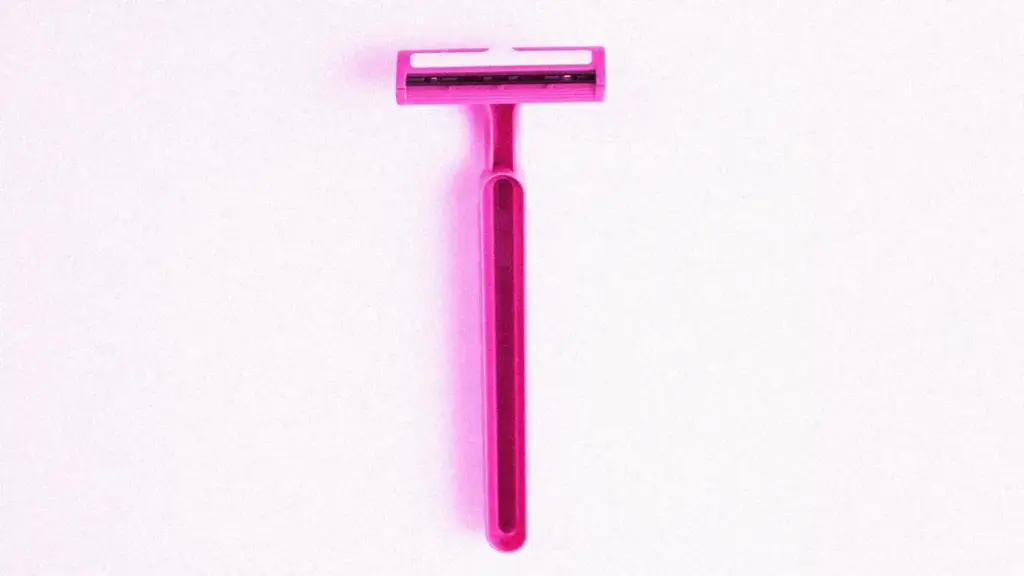
- Choose the Right Tool: Contrary to popular belief, multi-blade razors (such as those with four or five blades) are not ideal for the pubic region. Dr. Gohara recommends using a clean, sharp one- or two-blade razor. Multi-blade razors cut the hair too close to or even below the surface of the skin, significantly increasing the risk of hairs curling back into the epidermis and causing ingrown hairs. Furthermore, ensure your blades are sharp; a dull blade requires heavy downward pressure, drastically raising the risk of slicing the skin.
- The Technique: Gently pull the skin taut with your free hand—taking care not to stretch it too tightly, as over-stretching distorts the hair follicle and leads to uneven cuts. Shave slowly in the direction of hair growth (with the grain). While shaving against the grain yields a closer shave, it is the primary culprit behind razor burn, follicular irritation, and ingrown hairs in sensitive areas.
- Rinse Frequently: Rinse your razor blade under warm running water after every single stroke to prevent hair and shaving gel buildup, which compromises the closeness and safety of the shave.
- Cleanse and Dry: Once you have finished shaving the desired areas, thoroughly rinse away all remaining shaving cream with warm water. Pat the area dry gently with a clean towel; never rub the delicate skin aggressively.
Phase 4: Post-Shave Care and Hydration
The routine does not end when you step out of the shower. The freshly shaved epidermis requires immediate soothing and protection to lock in moisture and prevent inflammation.

- Apply a Protective Barrier: Immediately after patting dry, apply a thin layer of a fragrance-free ointment or moisturizer, such as plain petroleum jelly (Vaseline) or Aquaphor. These occlusive agents form a protective seal over the micro-abrasions naturally caused by shaving, locking out bacteria and locking in hydration.
- Choose Breathable Post-Shave Attire: What you wear immediately following a shave plays a massive role in skin health. Dr. Gohara warns against wearing tight, occlusive clothing—such as spandex yoga pants or tight leggings worn without underwear—immediately post-shave. This combination traps sweat, generates intense friction, and creates the ideal anaerobic environment for bacterial proliferation, ingrown hairs, and severe chafing. Opt for loose-fitting, breathable cotton underwear and clothing for at least 24 hours after grooming.
Supporting Context & Metrics: Understanding the Anatomy and Risks
To fully appreciate why these meticulous steps are necessary, it is helpful to examine the biological function of pubic hair and the clinical realities of removing it.
Why Does Pubic Hair Exist?
From an evolutionary standpoint, pubic hair is far from an arbitrary design flaw; it serves several vital protective functions. According to Dr. Gohara, pubic hair acts as a natural "cushion and protective barrier" for the genitourinary region. Specifically:
- Friction Reduction: The hair shafts cushion the delicate skin of the vulva against the constant rubbing of thighs and clothing during locomotion.
- Debris Trapping: Pubic hair acts as a physical filter, trapping dust, dirt, and external pathogens, preventing them from easily entering the vaginal canal.
- Thermoregulation and Sensation: The area is densely packed with apocrine sweat glands and nerve endings; pubic hair assists in dispersing pheromones and moderating local skin-to-skin friction.
The Clinical Risks of Shaving
Because shaving compromises the protective barrier of the skin, dermatological clinics frequently treat patients experiencing the negative side effects of grooming. According to data and guidelines from the Cleveland Clinic and dermatological societies, the primary risks include:

- Ingrown Hairs (Pseudofolliculitis Barbae): Occurs when a sheared hair curls backward or sideways into the skin instead of growing outward. The body mounts an immune defense, recognizing the hair as a foreign object, which produces an inflamed, red, pus-filled bump.
- Razor Burn and Contact Dermatitis: Irritation caused by friction, dull blades, or allergic reactions to fragranced shaving products. This manifests as widespread redness, stinging, and small, itchy red papules.
- Lacerations and Bacterial Infection: Due to the convoluted anatomy of the vulva, accidental nicks are common. If introduced to bacteria in a moist environment, these cuts can develop into localized folliculitis or cellulitis.
Official Statements and Dermatological Guidance
Board-certified dermatologists continually emphasize that personal grooming choices should be entirely self-directed. Dr. Mona Gohara notes, "Grooming is a personal choice—whether you remove [hair] or leave it, the goal is to do what feels comfortable and empowering for you." There is no medical imperative to remove pubic hair, nor is there any medical danger in keeping it dense and natural.
When complications do arise, expert intervention is straightforward. If you develop an ingrown hair, dermatologists universally advise against picking, squeezing, or digging at the bump with tweezers. Dr. Gohara explains that physical extraction drastically increases the risk of deep bacterial infection, hyperpigmentation, and permanent scarring. Instead, she recommends applying warm compresses to soften the skin, utilizing low-strength hydrocortisone creams to calm acute inflammation, and applying topical salicylic acid to gently exfoliate the trapped hair to the surface.
In the event of an accidental skin nick, Dr. Wechsler advises applying immediate, gentle pressure with a clean cloth until bleeding ceases, followed by a thorough rinse with fragrance-free soap and water. Sealing the minor cut with a thin layer of an ointment like Aquaphor ensures rapid, scabbing-free healing.

Future Outlook
As the beauty and personal care landscape continues to evolve, the cultural conversation surrounding pubic hair is shifting decisively toward education, skin health, and bodily autonomy. Gone are the days of rigid, unyielding societal expectations dictating how individuals must groom their private spaces. Instead, the modern consumer is increasingly prioritizing dermatological safety, high-quality specialized tools, and gentle, non-irritating formulations.
Looking forward, the integration of skincare science into intimate grooming—such as the rise of BHA-infused pre-shave gels, barrier-repair post-shave balms, and precision trimmers designed specifically for sensitive anatomy—signals a maturation in the industry. By understanding the biological purpose of pubic hair, respecting the unique fragility of vulvar skin, and adhering to expert-backed dermatological protocols, individuals can safely navigate grooming choices without sacrificing skin health, comfort, or personal well-being.