Executive Overview
The Irish motoring community and the small, interconnected towns of Carlow, Athy, and Limerick remain enveloped in profound grief following one of the most catastrophic road traffic collisions in recent memory. Five teenagers tragically lost their lives in the early hours of a devastating morning on the M9 motorway in County Kildare, when the BMW in which they were traveling collided head-on with an oncoming family vehicle making its way toward Dublin Airport.
The victims have been formally identified as Jeremy O’Brien, 18, and Alex McCarthy, 17, both hailing from County Carlow; Joey Carthy, 15, and Jack Kennedy, 17, both from Athy in County Kildare; and Kamil Pustkowski, 17, from Limerick. All five young men were pronounced dead at the scene.
In the wake of the tragedy, digital spaces have become saturated with raw emotion, tributes, and haunting digital footprints. A series of unverified videos circulating widely across various social media platforms purportedly capture the teenagers in the final hours, and even the final moments, of their lives. These clips—some allegedly recorded from inside the doomed vehicle as it interacted with law enforcement—have sparked intense public interest, grief-stricken online memorials, and serious questions regarding the sequence of events that led up to the catastrophic impact.
As grieving families prepare to lay their young loved ones to rest, national regulatory and investigative bodies have stepped in. An Garda Síochána is leading a comprehensive criminal and forensic investigation into the mechanics of the crash itself, while the Garda Síochána Ombudsman Commission (GSOC), operating under the investigative banner of Fiosrú, has launched an independent examination into the nature and extent of Garda interactions with the vehicle prior to the fatal impact. This comprehensive report explores the timeline, the emerging digital evidence, the broader context of road safety in Ireland, and the official responses to an unfolding national tragedy.
Detailed Chronology
The Prelude and the Pursuit
While the exact sequence of events is still being meticulously reconstructed by forensic collision investigators, initial reports and circulating digital media suggest that the tragedy was preceded by high-stakes movements across county lines.
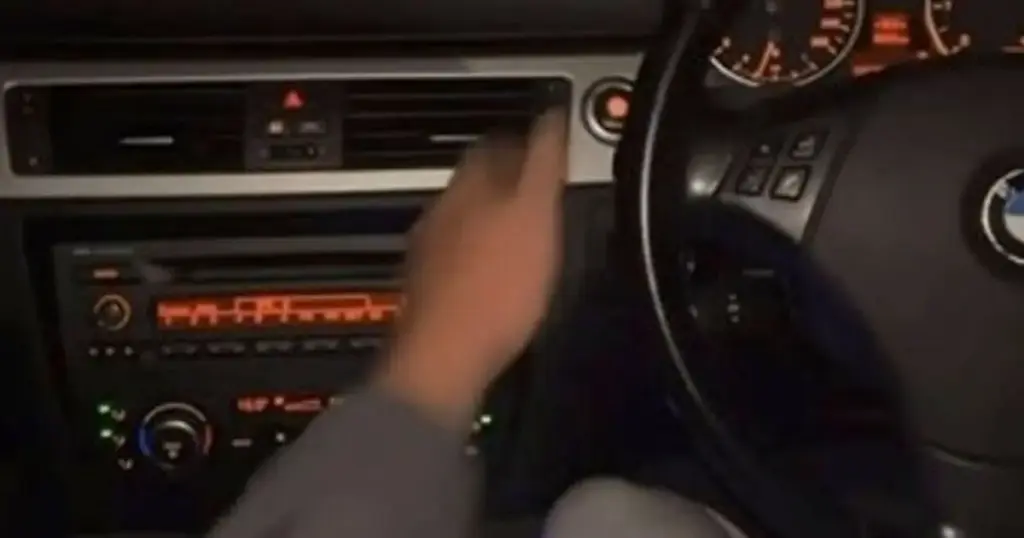
The vehicle involved—a high-powered BMW—had reportedly come to the attention of law enforcement authorities in the hours leading up to the collision. Digital footage that has surfaced online, though not yet fully authenticated by authorities, appears to have been captured from inside the cabin of the car. One particularly chilling fragment of footage shows a marked Garda patrol vehicle trailing the BMW with its emergency blue lights illuminated, signaling an active pursuit or attempt to intercept.
Further compounding the gravity of the timeline are video clips that show occupants of the vehicle laughing, speaking, and recording their journey. One video, shared widely on platforms like TikTok and Snapchat, features an individual wearing a black balaclava, panning across the interior of the car. The captions accompanying these uploads—such as "Ur last spin boys" and "To hear your voices in this boys has me in a pain that can’t be described"—reflect the agonizing hindsight of friends and acquaintances who watched the digital diary of a fatal journey unfold in real time.
The Fatal Collision on the M9
The tragic climax of the evening occurred on a stretch of the M9 motorway in County Kildare. For reasons still under active investigation, the BMW was being driven on the wrong side of the carriageway, heading directly into oncoming traffic.

At highway speeds, driving against the flow of traffic leaves virtually zero margin for error or evasion. The vehicle collided head-on with an innocent family’s car, which was carrying passengers on a routine, early-morning transit toward Dublin Airport. The impact was catastrophic, reducing the front ends of both vehicles to crumpled wreckage and scattering debris across multiple lanes of the motorway.
Emergency services—including units from the National Ambulance Service, local fire and rescue brigades, and multiple patrols from An Garda Síochána—rushed to the scene. Despite the rapid deployment of medical personnel, the severity of the injuries sustained by the five teenagers meant that nothing could be done to save them. They were pronounced dead at the scene. The occupants of the family vehicle sustained severe injuries and were rushed to regional hospitals, adding an extra layer of devastation to a collision that narrowly avoided an even higher death toll.
Supporting Context & Metrics
The Toll on Young Drivers
The M9 tragedy has reignited a fierce, national debate in Ireland regarding young male drivers, high-performance vehicles, and the persistent dangers of motorway driving. Statistically, young drivers—particularly males aged 16 to 24—remain vastly overrepresented in fatal and serious injury collisions on Irish roads.
Road Safety Authority (RSA) metrics consistently highlight that factors such as excessive speed, nighttime driving, peer pressure, and the operation of vehicles exceeding the driver’s experience level contribute disproportionately to tragedies of this scale. The choice of a high-performance BMW by a group of teenagers has placed a renewed spotlight on the accessibility of powerful second-hand cars to young, inexperienced motorists.
The Digital Aftermath: Social Media as a Historical Record
In the modern era, sudden tragedies are frequently documented, processed, and mourned in the digital sphere long before traditional news outlets can publish comprehensive reports. The M9 crash is a stark case study in this phenomenon.
Within hours of the collision, social media algorithms were flooded with tributes, screen recordings of the boys’ final status updates, and frantic queries from community members trying to piece together who was in the car. While these digital artifacts provide raw, unfiltered glimpses into the final hours of the victims’ lives, they also pose significant challenges for investigators and grief counselors alike.
Cyber-psychologists and digital safety advocates note that the rapid dissemination of unverified footage can traumatize surviving family members, who may stumble upon graphic or deeply personal content before they have been formally notified of details by authorities. Furthermore, the presence of these videos complicates the investigative process, as digital forensic teams must painstakingly verify the timestamp, geolocation, and authenticity of every piece of user-generated content uploaded in the wake of the disaster.
Official Statements and Investigations
An Garda Síochána Investigation
The primary criminal investigation into the crash is being spearheaded by local Garda divisions, supported by specialized forensic collision investigators. Authorities are examining all potential contributing factors, including:

- The mechanical state of the BMW prior to the impact.
- Toxicology reports to determine whether intoxicants played a role in the driver’s decision-making.
- The exact trajectory and entry point onto the wrong side of the M9 motorway.
- The nature of the driving leading up to the collision.
In a statement released shortly after the identities of the victims were confirmed, senior Garda officers expressed their condolences to the families of Jeremy O’Brien, Alex McCarthy, Joey Carthy, Jack Kennedy, and Kamil Pustkowski, while emphasizing the harrowing nature of the scene encountered by first responders.
The GSOC (Fiosrú) Probe
Because there was active Garda interaction with the BMW prior to the fatal collision, standard protocol under Irish law mandates an independent investigation into the conduct and actions of the police force.
Fiosrú, the Garda Síochána Ombudsman Commission, has formally invoked its mandate to examine the circumstances surrounding the police contact with the teenagers’ vehicle. This independent oversight is critical for maintaining public trust and ensuring total transparency. The investigation will review:
- The initial sighting and identification of the vehicle by patrol units.
- The tactical decisions made by Gardaí, including whether a pursuit was initiated, how it was monitored, and whether standard operational guidelines regarding high-speed following were adhered to.
- Communication logs between patrol units and regional control centers in the minutes leading up to the crash.
GSOC investigators have appealed to the public, motorists, and witnesses who may have dashcam footage of the BMW’s movements on the M9 or surrounding roads to come forward.
Future Outlook
As the communities of Carlow, Athy, and Limerick prepare for a somber succession of funerals, the long-term reverberations of the M9 crash will likely be felt across Irish society for years to come.
Policy Implications and Road Safety Reforms
The tragedy is expected to fuel renewed pressure on policymakers to review licensing laws, particularly regarding graduated driver licensing (GDL) systems for young people. Advocates have long called for restrictions on engine sizes for newly qualified drivers, stricter penalties for dangerous maneuvers such as driving against traffic, and enhanced educational campaigns targeted at high-risk demographics.
Community Healing and Mental Health Support
Local schools, youth centers, and community organizations in Carlow and Kildare have mobilized crisis response teams to support teenagers and young adults grappling with the sudden loss of their peers. The emotional weight of losing five young lives simultaneously has created a wave of collective trauma that requires sustained psychological intervention.
Ultimately, the M9 crash serves as a grim and agonizing reminder of the fragile nature of life on the road. As Fiosrú and An Garda Síochána press forward with their respective inquiries, the families left behind are left to navigate an unbearable void—haunted not only by the finality of the loss, but by the digital echoes of a night that changed three counties forever.