Executive Overview
As the autumnal equinox settles over the cultural landscape, the cinematic calendar unfurls one of its most anticipated offerings: a fresh, emotionally resonant adaptation of Jane Austen’s literary debut, Sense and Sensibility. Hitting theaters nationwide on Friday, September 25, 2026, this latest iteration promises to captivate both purists and newcomers alike. Directed by Georgia Oakley and adapted by screenwriter Diana Reid, the film shifts the traditional period-drama lens away from wide-angle community commentary, focusing instead on an intimate, razor-sharp exploration of sisterhood, personal growth, and the complex mechanics of female coming-of-age.
Ahead of the premiere, Stylist sat down with two of the film’s anchor talents: Daisy Edgar-Jones, who steps into the poised shoes of Elinor Dashwood, and industry icon Fiona Shaw, who brings warmth and meddling charm to the matchmaking matriarch Mrs. Jennings. In wide-ranging discussions, the actors unpacked what it means to revisit a foundational pillar of English literature, how human nature has—and has not—evolved across two centuries, and what the notoriously sharp-witted Jane Austen would make of today’s modern dating landscape, characterized by dating apps and digital ghosting.
This comprehensive feature explores the creative vision behind the 2026 adaptation, the thematic shifts that set it apart from historical predecessors like Ang Lee’s beloved 1995 masterpiece, and the profound personal connections the cast found with Austen’s immortal characters.
Detailed Chronology: The Evolution of an Austen Masterpiece
To understand the weight and significance of the 2026 adaptation, one must first look at the legacy of Sense and Sensibility within the broader literary and cinematic timeline. Published anonymously by "A Lady" in 1811, Austen’s very first novel was born out of a society rigidly governed by primogeniture, class stratification, and the precarious financial survival of women. The narrative follows the Dashwood sisters—Elinor, the embodiment of intellect, restraint, and stoicism ("sense"), and Marianne, the champion of unbridled passion, artistic temperament, and emotional vulnerability ("sensibility"). Following the death of their patriarch, the sisters, alongside their younger sister Margaret and their grief-stricken mother, are displaced from their ancestral home of Norland Park, forced to navigate the economic and romantic perils of Regency-era England.
Over the last century, the novel has transitioned from a beloved page-turner into a cinematic staple. Most notably, Ang Lee’s 1995 cinematic adaptation—featuring a legendary screenplay and star turn by Emma Thompson alongside Kate Winslet—set a towering gold standard for Austen translations on screen. For decades, filmmakers wrestled with how to reinterpret the text without treading old ground.
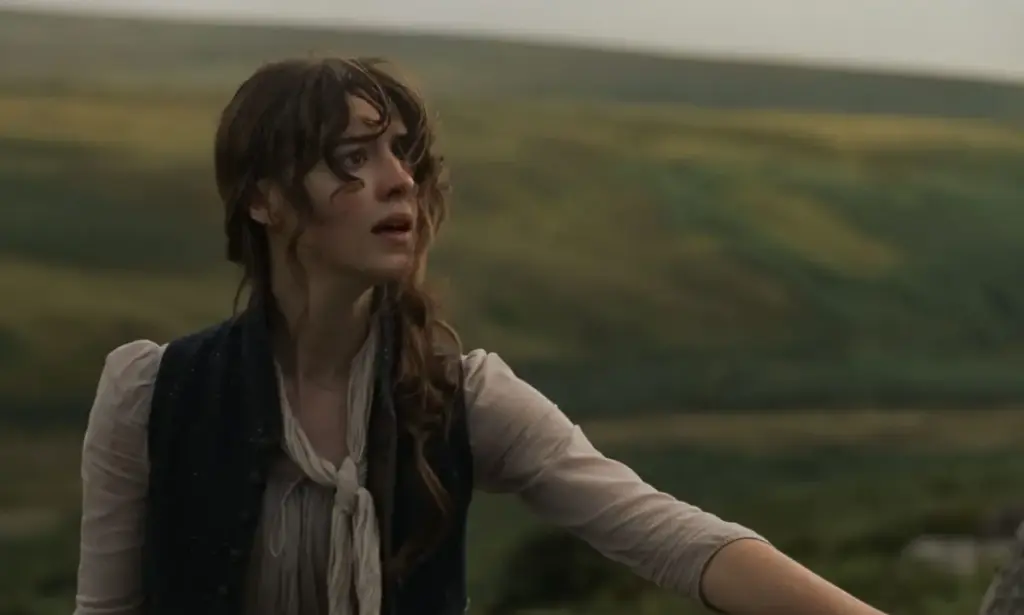
Enter the 2026 production. Under the guidance of director Georgia Oakley and screenwriter Diana Reid, the developmental timeline of this new adaptation prioritized an inward-looking structural shift. Rather than relying solely on the sweeping, picturesque landscapes of the English countryside to carry the weight of the story, Oakley and Reid anchored the narrative arc in the interpersonal geography between Elinor and Marianne. The production timeline, culminating in this month’s Focus Features release, was meticulously designed to strip away the dust of conventional period-drama tropes, injecting modern psychological nuance into characters that have lived on paper for over two hundred years.
Supporting Context & Metrics: Why Austen Still Resonates in the 21st Century
Period dramas remain an evergreen anchor of autumn viewing habits, but why does Sense and Sensibility continue to dominate cultural conversations more than two centuries after its conception? The metrics of human anxiety surrounding socio-economic stability, gender roles, and romantic fulfillment reveal that the gap between the early 1800s and the 2020s is narrower than it appears on the surface.
The Economic Vulnerability of Women
While modern educational and professional avenues have expanded exponentially for women since Austen’s era, the foundational anxieties of financial independence persist. Fiona Shaw points out a sobering parallel between the Regency period and contemporary society:
"Obviously, women are freer to be educated, but I see a lot of parents who are worried sick about their daughters going to university to make sure they get a good platform in order to get on in life, because otherwise they become vulnerable to the kindness of strangers or a husband."
This economic precarity underlines the central stakes of the Dashwood sisters’ journey. Without an independent fortune, a woman’s survival in Austen’s world—and, to a lesser extent, the economic anxieties weighing on Gen Z and Millennial graduates today—hinges entirely on strategic navigation of social structures.
The Psychology of Character "Moulds"
From a psychological standpoint, the 2026 film leans heavily into the rigidity of family roles. Daisy Edgar-Jones reflects on how long-term relationships—whether familial, platonic, or romantic—often trap individuals within static identities:
"Sometimes it can be difficult to break out of the mould of the version of yourself that your family or friends may see you as. Traditionally, Elinor was always the sensible one, which allowed Marianne to be more in her passion and emotions. But what’s so beautiful is that, as the movie goes on, both sisters hold those qualities within themselves."
This evolution reflects modern therapeutic frameworks regarding emotional regulation, identity fluidity, and the dismantling of binary personality types.
Official Statements & Insights from the Cast
The chemistry and intellectual rigor brought by Daisy Edgar-Jones and Fiona Shaw elevate the discourse surrounding the film from standard promotional interviews to a profound meditation on craft and culture.

Daisy Edgar-Jones on Finding Elinor Within Herself
Stepping into the boots of a literary icon is a daunting prospect, but Edgar-Jones found an immediate, uncanny kinship with the eldest Dashwood sister. Describing herself as "quite Elinor-coded," the actress revealed how the role mirrored her own internal emotional landscapes:
"I think of all the characters I’ve ever played, I probably relate the most to Elinor. I feel a lot, and I have a people-pleasing tendency where I don’t always express how I feel. I temper it, and I actually learned from Elinor how important it is to let that side of yourself be freer."
Drawing inspiration from an unexpected philosophical source, Edgar-Jones referenced a recent quote by Ethan Hawke regarding the nature of vulnerability and affection: even if you’re vulnerable, being in love is winning, so lean into that. This ethos directly informs her performance, transforming Elinor from a stiff, unyielding archetype into a living, breathing woman learning to drop her armor.
Fiona Shaw on the Misunderstood Generosity of Mrs. Jennings
Fiona Shaw’s portrayal of Mrs. Jennings defies the caricature of the simple, gossipy busybody often found in historical adaptations. Instead, Shaw reframes the matchmaking matriarch as a figure driven by deep-seated empathy:
"I learned to embody Mrs Jennings’ generosity of spirit… It’s such a lovely quality in a person that’s well worth taking home with you. She seems to be a busybody, but actually, she’s trying to help everybody because the energy is actually love."
By centering the character’s warmth rather than her penchant for neighborhood gossip, Shaw enriches the peripheral community of the film, ensuring that the world surrounding the Dashwood sisters feels alive, protective, and deeply human.
Future Outlook: Jane Austen Meets the Modern Dating Scene
As audiences prepare to fill cinema seats this weekend, a compelling cultural debate arises: how would Jane Austen—a satirist renowned for her laser-focused critiques of human absurdity—react to our contemporary dating ecosystem?
The cast’s verdicts present a fascinating dichotomy. Fiona Shaw has little doubt that the author would look upon the digital age with utter dismay:
"She would be appalled… She was quite cross, by all accounts. I’ve been reading about her lately—she saw through people. Her ability to whack people under the knee was quite severe, and I think she might find the lightness of people’s affections too light now."
In an era of endless swiping, app fatigue, and casual digital ghosting, Austen’s demand for moral accountability, emotional depth, and genuine psychological inquiry would indeed find little patience for superficial modern rituals.
Conversely, Daisy Edgar-Jones sees enduring wisdom in the emotional trials depicted in Austen’s narratives, noting that the fundamental complexities of human attachment remain unchanged. Setting aside characters like Willoughby—whom Edgar-Jones aptly categorizes as "a walking red flag"—she points to figures like Colonel Brandon and Edward Ferrars as templates for authentic, flawed humanity:
"I think [Austen] celebrates that there isn’t a perfect idea of romance; that, actually, the messiness and the complexity of human emotion are what make a connection interesting. If it’s led with kindness, stick through it."
The Legacy of the 2026 Adaptation
As Sense and Sensibility opens nationwide on September 25, 2026, it arrives not merely as a nostalgic comfort watch for the changing seasons, but as a vital re-examination of what it means to grow up, to forgive our loved ones for locking us into boxes, and to allow ourselves the terrifying, liberating space of emotional honesty.
By stripping away the superficial fluff of past iterations and focusing laser-straight on the beating hearts of Elinor and Marianne, director Georgia Oakley, screenwriter Diana Reid, and a stellar cast have ensured that Jane Austen’s voice remains as sharp, necessary, and culturally vital today as it was in 1811.