Executive Overview
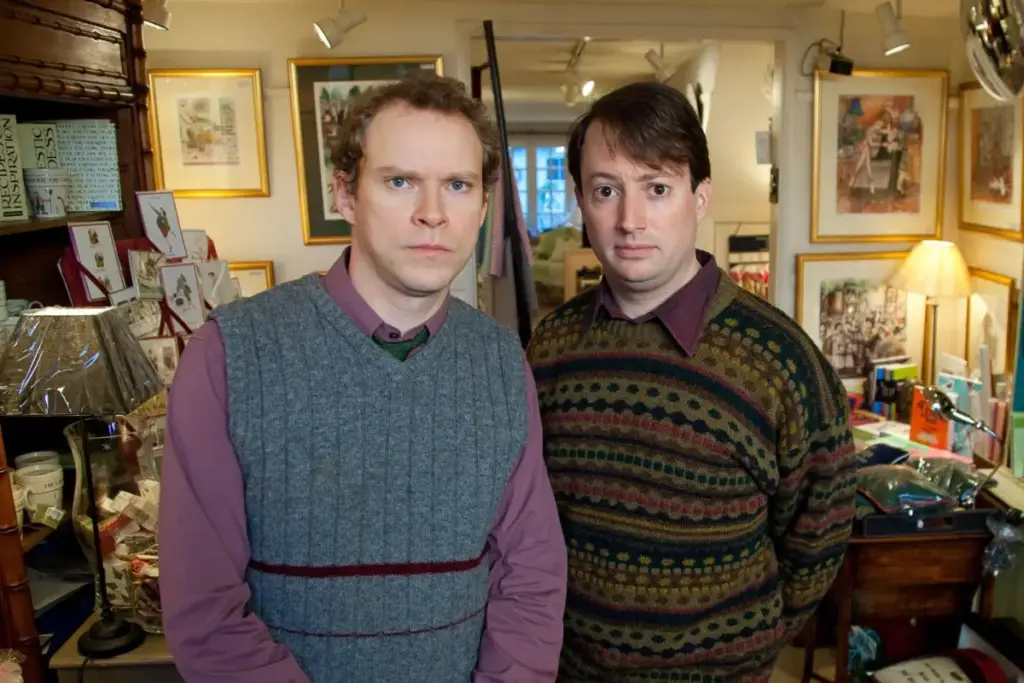
The shifting cultural landscape of British television has claimed another classic comedy series, as the BBC confirms the removal of nearly a dozen sketches from the BAFTA-winning archive of That Mitchell and Webb Look. Starring the acclaimed comedy duo David Mitchell and Robert Webb, the sketch show originally broadcast across four seasons between 2006 and 2010 on BBC Two.
To mark its twentieth anniversary, the series was made available on BBC iPlayer for contemporary audiences to stream. However, eagle-eyed viewers quickly noticed the absence of 11 specific sketches from the streaming catalogue. Among the cut material are scenes featuring blackface used to satirize racism, a contestant on a makeover show wearing a burka, and a satirical sketch involving a fictional "tribe" residing within a garden centre.
The decision has ignited a vigorous public debate regarding the fine line between historical preservation and retrospective censorship. Defenders of the BBC’s policy argue that broadcasting material containing racial tropes or outdated stereotypes—regardless of satirical intent—is incompatible with modern public service broadcasting standards. Conversely, industry figures and critics have raised concerns over the "sanitization" of comedy history, arguing that altering past works erases the cultural context of their creation and undermines the original intent of the performers.
This controversy mirrors earlier high-profile removals of vintage comedy content from British streaming platforms, most notably Matt Lucas and David Walliams’ Little Britain and Come Fly With Me. As public broadcasters grapple with the dual mandate of serving modern, diverse audiences while preserving their historical output, the case of That Mitchell and Webb Look underscores the complex, fraught nature of archiving twentieth-century television in the twenty-first century.
Detailed Chronology of the Controversy
The Genesis of a Cult Classic (2006–2010)
That Mitchell and Webb Look emerged during a golden era of British sketch comedy. Following the success of their radio programme That Mitchell and Webb Sound and their collaborative work on Channel 4’s Peep Show, David Mitchell and Robert Webb secured their own television sketch vehicle on BBC Two. Running for 24 episodes across four series, the show established the duo as two of the sharpest satirical voices of their generation.
The series produced numerous sketches that have since entered the British cultural lexicon. Most notably, a World War II sketch featuring two Nazi soldiers asking, "Are we the baddies?" transcended its television origins to become a ubiquitous internet meme used worldwide to mock sudden self-awareness of wrongdoing.

The Anniversary Re-Release and Silent Redactions (September 2026)
To commemorate the show’s twenty-year milestone, the BBC added the series to its digital catch-up and streaming service, BBC iPlayer. However, the re-release was far from a straightforward archival drop. Viewers attempting to stream the complete run discovered that 11 sketches had quietly been expunged from the episodes.
The missing segments include some of the show’s more controversial output. Among them is a sketch that featured the comedians in blackface while attempting to satirize systemic racism, a sequence involving a makeover television show contestant wearing a burka, and a surreal skit depicting a supposed "tribe" living inside a garden centre.
The Immediate Public and Industry Reaction
As news of the redactions spread across social media and mainstream news outlets, commentators, comedians, and media executives weighed in on the appropriateness of the BBC’s editorial choices. The absence of any immediate comment from series creators David Mitchell and Robert Webb left a vacuum that was quickly filled by external industry voices debating the merits and dangers of archival editing.
Supporting Context & Metrics: The Changing Face of British Comedy
The decision to edit That Mitchell and Webb Look is part of a broader, systemic reassessment of legacy broadcasting content undertaken by major networks worldwide. Streaming platforms and traditional broadcasters alike have increasingly scrutinized their libraries to align with modern standards of inclusivity, cultural sensitivity, and harm reduction.
The Little Britain Precedent
The most prominent precursor to the Mitchell and Webb redactions is the systematic removal of Matt Lucas and David Walliams’ mega-hit Little Britain from BBC iPlayer, Netflix, and BritBox in June 2020. The sketch show, which ran from 2003 to 2007, heavily featured characters belonging to marginalized groups portrayed by white actors, including the use of blackface, Pacific Islander caricature, and controversial depictions of trans individuals.
Reflecting on the show years later, co-creator Matt Lucas candidly admitted that the series would not be made today. In various interviews, Lucas noted that the comedy was "cruel" and that he would no longer make jokes targeting trans people or play characters of color. The complete withdrawal of Little Britain established a precedent that the BBC was willing to remove entire programmes—or substantial portions thereof—when their comedic techniques fell too far out of alignment with contemporary social consensus.

The Mechanics of Archival Curation
Unlike complete removals, selective editing—often referred to in the industry as "versioning" or "archival curation"—presents a unique set of challenges. Broadcasters must balance the desire to make historical catalogues available to younger generations against the risk of causing unnecessary distress or perpetuating harmful stereotypes.
Critics of editing argue that it alters historical record, akin to censoring classic literature to suit modern sensibilities. Proponents of curation, however, contend that streaming platforms function differently from static physical media like DVDs; they are active broadcasting services where the network retains ongoing editorial responsibility for every piece of content made accessible on-demand.
Official Statements and Industry Perspectives
The BBC’s official stance emphasizes consultation with original creators and a commitment to modern broadcasting standards. A BBC spokesperson addressed the redactions by stating:
"This is a 20-year-old sketch show; in consultation with the programme makers, we have included the ones that still work today and not the ones that don’t."
Despite this assurance, prominent voices within the British entertainment industry have expressed profound unease regarding the slippery slope of content modification.
Dom Joly on Satirical Intent
Comedian Dom Joly, creator of the smash-hit hidden camera show Trigger Happy TV, strongly criticized the decision to censor the sketches, arguing that it fundamentally misinterprets the role of satirical comedy. Speaking to The Times, Joly explained:

"I totally get it if the BBC is putting out something really racist, which is laughing at and encouraging other people to feel that it’s OK to do that. But it’s so clear that Mitchell and Webb are not doing that. Their intent was not to be racist."
Joly’s defense highlights a central tension in modern comedy criticism: the separation of literal representation from satirical intent. While early-2000s comedy frequently utilized offensive tropes to mock the ignorance of those holding prejudices, modern audiences—and compliance departments—are increasingly evaluating content based on its immediate visual impact rather than its contextual subtext.
Jimmy Mulville on the "Impossible Position" of Broadcasters
Offering a counterbalancing industry perspective, Jimmy Mulville, co-founder of major independent production company Hat Trick Productions, suggested that the BBC finds itself trapped in an unenviable regulatory and cultural bind.
Mulville acknowledged that broadcasters operate in an "impossible position," attempting to satisfy rapidly evolving societal norms while managing vast historical catalogues. However, he also issued a cautionary note to commissioners and executives:
"We need to be careful that this is not the thin end of a wedge where we cut things out."
Mulville’s warning encapsulates the anxieties felt by many producers who fear that preemptive self-censorship and retrospective editing could eventually lead to a sanitized television history where complex, edgy, or uncomfortable comedic risks are entirely erased from the public consciousness.

Future Outlook: Archiving the Past in the Streaming Era
The controversy surrounding That Mitchell and Webb Look raises fundamental questions about the future of television heritage. As linear broadcasting continues to cede ground to on-demand streaming platforms, the mechanisms by which we access, consume, and preserve cultural history are undergoing a profound structural transformation.
Several key challenges face broadcasters and streaming services in the years ahead:
- The Contextualization Dilemma: Rather than removing or editing problematic content, alternative solutions such as content warnings, contextual introductions by creators, or dedicated "historic archive" tiers have been proposed by media scholars. These measures allow historical works to remain intact while explicitly framing them within the social context of their production.
- The Slippery Slope of Creator Autonomy: While the BBC maintains that the recent cuts were made "in consultation with the programme makers," the extent of creative pressure versus voluntary agreement remains opaque in many archival editing cases. As creators age and cultural norms shift, the original collaborative consensus behind a work can become fractured.
- The Preservation of Cultural Memory: Comedy, by its very nature, is ephemeral and deeply tied to the social anxieties of its specific moment. By removing sketches that "no longer work," platforms risk creating a sterilized version of television history that obscures how rapidly social attitudes have evolved over the past two decades.
As David Mitchell and Robert Webb have yet to publicly comment on the specific removal of their work, the debate continues to ripple across the British media landscape. Whether the BBC’s selective curation will set a permanent standard for legacy comedy on iPlayer, or whether it will prompt a broader rethink on how broadcasters handle the uncomfortable edges of their archives, remains one of the defining cultural debates of contemporary television.