Executive Overview
For decades, the intersection of sports and lifestyle marketing was governed by a predictable, highly commodified playbook. Athletic endorsements were largely relegated to performance gear, protein powders, energy drinks, and automotive partnerships. Female athletes, in particular, were routinely boxed into narrow marketing paradigms that prioritized athletic prowess to the absolute exclusion of personal style, self-expression, and lifestyle aesthetics.
Today, that archaic wall has not merely crumbled—it has been thoroughly obliterated.
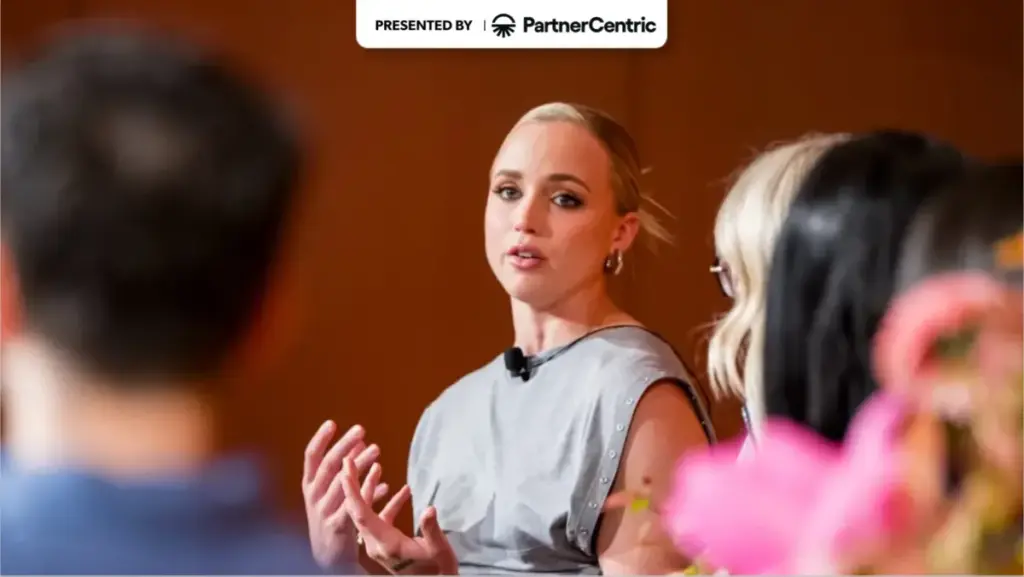
The modern beauty landscape has recognized that athletes are not just machines of physical output; they are cultural tastemakers, style icons, and deeply influential content creators with fiercely loyal communities. As highlighted by industry leaders at Glossy’s Pop NYC event in Manhattan, the convergence of athletics and cosmetics is no longer a speculative marketing experiment. It is a booming, multi-layered economic powerhouse that is permanently rewriting how beauty brands connect with consumers.
Yet, despite major moves by industry heavyweights like Sephora, Glossier, and Ulta Beauty—alongside high-profile activations at tennis majors like the U.S. Open—panelists at Pop NYC stressed an undeniable truth: the sports-beauty crossover has only just begun. Far from reaching market saturation, this dynamic frontier is brimming with white space, untapped product categories, and a revolutionary shift in how athletes co-create campaigns with premier brands.
This comprehensive report explores the genesis, current momentum, and extraordinary future of the sports-beauty phenomenon. Drawing from insights provided by elite figures such as WNBA star Hailey van Lith, celebrity stylist Dianne Garcia, Courting founder Courtney Kelly, and Tantamount Sports Group founder Jenna Smith, we examine how the playing field has transformed into a runway, why wellness is taking a backseat to unabashed beauty, and what the future holds for this transformative cultural movement.
Detailed Chronology: The Evolution of the Sports-Beauty Partnership
To understand how we arrived at the current golden age of sports-beauty collaborations, it is necessary to trace the historical evolution of how athletes have been packaged, marketed, and perceived by the global consumer market.
Phase One: The Performance Paradigm (Pre-2015)
For the better part of the late 20th and early 21st centuries, athlete marketing was rigidly divided along gender lines. Male athletes dominated sneaker deals, sports beverages, and luxury timepieces. Female athletes—despite winning Olympic medals, dominating collegiate leagues, and setting world records—faced systemic underinvestment. When brands did partner with female athletes, the messaging was overwhelmingly focused on functional grit: sweat-wicking fabrics, stamina, and post-workout recovery. Cosmetics, skincare, and high-fashion partnerships were almost exclusively reserved for models and actresses. Athletes were viewed purely through the lens of utilitarian performance.
Phase Two: The Social Media Disruption (2015–2020)
The proliferation of Instagram, and later TikTok, fundamentally decentralized media production and celebrity access. For the first time, athletes could bypass traditional gatekeepers—television networks, sports journalists, and traditional advertising agencies—to speak directly to their fans.
Female basketball players, gymnasts, soccer stars, and track athletes began pulling back the curtain on their daily routines. Fans were given a window into pre-game tunnel walks, skincare regimens, and off-court wardrobe styling. Brands began to notice that content featuring athletes applying lip gloss before a game or breaking down a nighttime skincare routine generated staggering engagement rates. The traditional boundaries separating the locker room from the vanity table began to blur.
Phase Three: The NIL Revolution and Mainstream Ingress (2021–Present)
The landscape shifted irrevocably in 2021 when the National Collegiate Athletic Association (NCAA) instituted its Name, Image, and Likeness (NIL) policy. Suddenly, collegiate athletes—most notably in women’s basketball and gymnastics—could monetize their personal brands while still in school.
Simultaneously, professional leagues like the WNBA experienced historic surges in viewership, attendance, and media rights valuations. Beauty brands that had historically shied away from sports quickly realized they were missing out on a massive, highly engaged demographic. Sephora began showing up in spaces previously untouched by prestige beauty; emerging tennis and lifestyle brands like Courting entered the chat; and luxury houses like Coach and high-end cosmetics lines began signing multi-sport athletes to lucrative, long-term contracts.
Supporting Context & Metrics: The Untapped Landscape
While the partnership between beauty and sports is currently experiencing a massive cultural moment, industry insiders emphasize that the financial and creative opportunities have barely been scratched.
According to Jenna Smith, founder of the sports marketing agency Tantamount Sports Group, the momentum at the league level is undeniable, but the ecosystem’s maturity remains in its infancy.
"There have been brands like Sephora and Glossier making their mark," Smith explained during the Pop NYC panel. "Definitely at the league level, we are seeing a lot of momentum. But is the space mature yet? No, it’s just getting started."
The Sunscreen and SPF Opportunity
One of the most glaring gaps in the current market, according to Smith and fellow panelists, is the lack of deep integration between outdoor sports and SPF/sunscreen brands. While wellness brands have historically dominated outdoor athletic sponsorships (think electrolyte powders, protein bars, and compression gear), the actual dermatological needs of outdoor athletes have been largely overlooked by prestige and indie sun-care brands.
Tennis, golf, track and field, beach volleyball, and soccer athletes spend countless hours exposed to harmful UV rays. Yet, the sun-care category has been slow to leverage the authenticity and star power of these athletes. Smith points to this as a massive, wide-open opportunity for brands willing to innovate. Sunscreen is no longer just a functional pharmacy item; it has evolved into a daily luxury skincare step, complete with tinted formulas, glow-enhancing finishes, and high-performance sweat-resistant technologies. Pairing these products with elite outdoor athletes is a natural, yet surprisingly underutilized, synergy.
The Shift from Wellness to Pure Beauty
For decades, athletic endorsements in the personal care space were dominated by "wellness"—deodorants, body washes, muscle rubs, and vitamins. However, Courtney Kelly, founder of the tennis-inspired beauty brand Courting, notes that the pendulum has swung decisively.
"There’s no ceiling right now for beauty," Kelly stated. "I also see a big untapped market for sunscreen. Wellness has traditionally overshadowed beauty in sports, but beauty is now taking over."
Brands like Courting—which has captured the attention of high-profile influencers, models, and creators like Shanina Shaik and Meeka Hossain—prove that consumers do not want to choose between being an athlete and being glamorous. They want high-performance products that withstand a grueling workout while delivering the aesthetic finish of prestige cosmetics.
Official Statements: Voices from the Front Lines of Sports and Style
The paradigm shift in sports beauty is best understood through the experiences of those actively building it. At the Pop NYC event, celebrity stylist Dianne Garcia and WNBA star Hailey van Lith offered candid insights into how athletes are taking control of their image and reshaping the beauty industry from the ground up.
Redefining the Athlete Aesthetic: Dianne Garcia on Creative Control
Dianne Garcia has spent her career styling some of the most recognizable names in music and entertainment. Over the past several years, she has witnessed firsthand how the fashion and beauty industries have evolved in their treatment of athletes.
"A lot of brands used to think athletes just came to play their sport, and you just give them a look, and they do what you tell them to do," Garcia noted.
Drawing comparisons to the music industry, Garcia highlighted a historic disparity in how creative autonomy was granted to talent.
"I come from the music world, and musicians tend to have a lot more say in their aesthetics. Athletes were different. But now you’re seeing a lot more collaboration. The athletes are taking a bigger role in shaping the collaboration."
Today’s athletes refuse to be passive clothes-hangers or billboard models. When a beauty brand approaches an athlete for a campaign, they expect the athlete to co-author the narrative, test the formulations, and infuse their authentic personal style into the creative direction. This collaborative approach yields higher-performing campaigns because the authenticity is palpable to consumers.
The Power of Intimate Digital Access: Hailey van Lith on Fandom and Vulnerability
WNBA standout Hailey van Lith (Connecticut Sun), who has cultivated major brand partnerships with companies like Coach and Batiste, understands the modern media ecosystem better than almost anyone. For van Lith, the secret to her digital influence lies in total transparency with her audience.
Fans today are no longer satisfied with 30-second television commercials or staged magazine spreads. They crave real-time access to the multidimensional lives of their favorite sports stars.
"The fans eat up the personal life content," van Lith explained. "They want to know what you’re doing from the minute you wake up to the minute you go to bed. I love that they want to know more, and I’ve had a lot of positive interactions."
However, van Lith was also candid about the complex reality of living life in the public eye as a female athlete. The same visibility that allows her to secure lucrative beauty and lifestyle partnerships also exposes female athletes to disproportionate scrutiny.
"The flip side is that, as female athletes, we often get criticized for more than our performance," she reflected.
Despite these double standards, van Lith and her peers continue to push boundaries, proving that women can dominate on the court while unapologetically embracing fashion, skincare, cosmetics, and self-care.
Future Outlook: Where the Sports-Beauty Crossover Is Heading
As we look toward the remainder of the decade and beyond, the trajectory of the sports-beauty crossover points toward exponential growth, institutional normalization, and sophisticated product innovation. Several key trends are poised to define the next era of this booming sector:
1. Specialized Product Formulation for Athletes
We are moving past the era where athletes simply endorse existing products. The future will see a massive influx of performance-cosmetics—makeup that does not clog pores during high-intensity interval training, sweat-proof brow gels, tinted SPFs that withstand extreme heat, and skincare lines specifically engineered to repair skin barrier damage caused by sweat, friction, and environmental exposure.
2. Long-Term Equity Partnerships
Instead of one-off transactional posts or short-term ad buys, beauty brands are beginning to build multi-year equity partnerships with athletes. Athletes are increasingly stepping into roles as co-founders, creative directors, and members of advisory boards for beauty startups, ensuring that their financial stakes align with the brands they promote.
3. The Democratization of Tunnel Walk Culture
The pre-game "tunnel walk"—once an impromptu moment for athletes to showcase their personal style before entering an arena—has transformed into a major media spectacle, covered by fashion outlets and eagerly anticipated by millions of fans. Beauty brands will increasingly sponsor these moments, integrating hair care, fragrance, and cosmetics directly into the pre-game fashion narrative.
4. Expansion Beyond Basketball and Tennis
While basketball and tennis have been the primary catalysts for the sports-beauty movement, brands are beginning to look toward gymnastics, track and field, soccer, volleyball, and action sports. Each of these disciplines possesses its own distinct aesthetic culture and passionate fan base, opening up fresh avenues for targeted beauty marketing.
Conclusion
The intersection of sports and beauty is much more than a transient marketing trend; it is a fundamental cultural realignment. By dismantling outdated stereotypes and recognizing the multifaceted identities of modern athletes, the beauty industry has unlocked a goldmine of authenticity, loyalty, and economic potential.
As industry leaders like Jenna Smith, Courtney Kelly, Dianne Garcia, and Hailey van Lith made clear at Glossy’s Pop NYC event, the surface has barely been scratched. With boundless opportunities in sun care, performance cosmetics, and collaborative creative direction, the future belongs to brands that understand a simple, powerful reality: strength and beauty are not mutually exclusive—they are the ultimate winning combination.