Executive Overview
In the rapidly consolidating and fiercely competitive landscape of modern subscription video-on-demand (SVOD) services, customer acquisition has become an expensive, high-stakes chess match. Following a wave of platform-wide price increases implemented late last fall, media conglomerate Warner Bros. Discovery is pulling strategic levers to attract hesitant consumers back into the fold. The most notable of these maneuvers is a newly live, limited-time 7-day free trial for HBO Max—marketed under its legacy prestige branding—accessible exclusively through Amazon Prime Video.
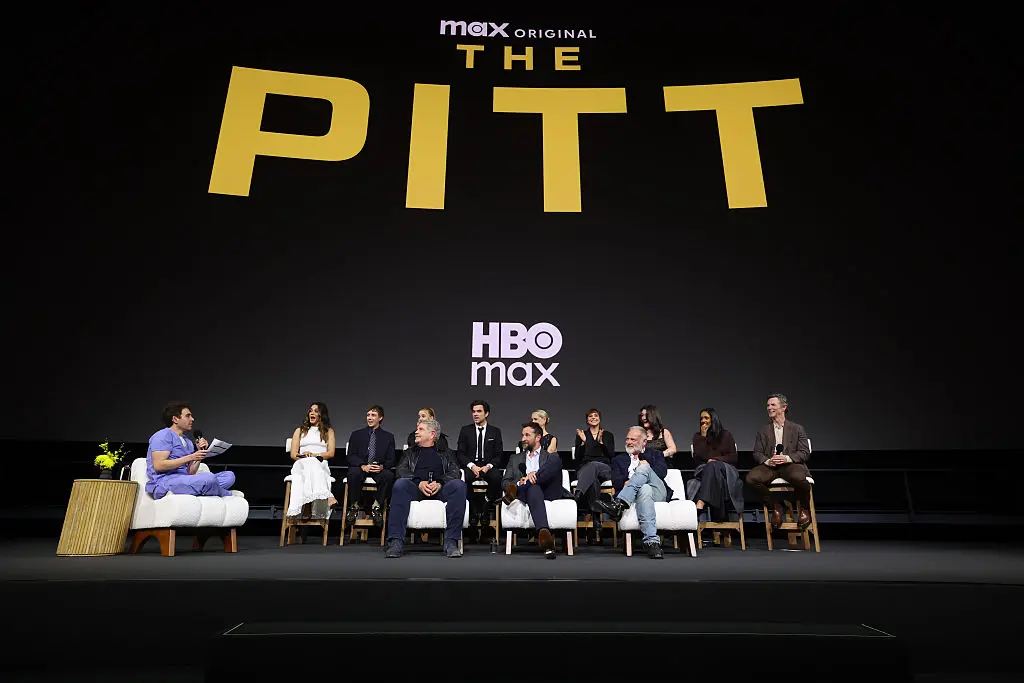
This promotional push is no accident of timing. It strategically coincides with a high-stakes cultural moment for the platform, arriving right on the heels of major awards-season campaigns for critical darlings like Hacks and The Pitt, and immediately preceding the highly anticipated, buzzworthy series premiere of the DCU-tied tentpole Lanterns. For consumers feeling the economic pinch of subscription fatigue, the offer represents a rare opportunity to sample premium content without an upfront financial commitment. However, industry analysts note that such windowed promotions underscore a broader, systemic challenge facing streaming giants: how to continuously expand subscriber bases when consumer tolerance for recurring monthly bills is reaching a breaking point.
This report provides a comprehensive, authoritative examination of HBO Max’s current promotional strategy. We will explore the mechanics of the Amazon Prime Video partnership, dissect the financial and content drivers behind the offer, examine alternative bundling opportunities such as DirecTV’s genre packs, and analyze the long-term outlook for a streaming ecosystem caught in the crosshairs of inflation, subscriber churn, and shifting viewing habits.
Detailed Chronology: The Evolution of Streaming Promotions and Pricing
To understand why a 7-day free trial on Prime Video is making waves across the entertainment industry, one must examine the chronological trajectory of streaming monetization over the past half-decade.
The Era of Unchecked Growth and Free Trials
During the formative years of the "streaming wars" (roughly 2019 through 2021), platforms prioritized hyper-aggressive user acquisition above all else. Free trials lasting anywhere from 7 to 30 days were standard industry practice. New entrants, eager to inflate subscriber numbers for Wall Street reports, practically gave away access to their libraries. Consumers could easily hop from service to service, consuming a single prestige miniseries before canceling their subscriptions without spending a dime.
The Pivot to Profitability and Price Hikes
By late 2022 and moving aggressively through 2024 and 2025, Wall Street’s mandate shifted away from pure subscriber volume toward profitability, average revenue per user (ARPU), and cash flow positive operations. Consequently, standalone direct-to-consumer (DTC) platforms systematically phased out native free trials on their own proprietary websites and apps.
At the same time, platforms faced rising production costs, ballooning talent residuals, and the financial pressures of post-pandemic inflation. HBO Max implemented successive rounds of price increases, pushing standard ad-supported and ad-free tiers upward. By the time last fall’s price hikes took effect, the friction of acquiring new direct subscribers had increased exponentially. Consumers, bogged down by stacking monthly bills for internet, mobile, cloud storage, music, and multiple video services, began ruthlessly pruning their digital budgets.
The Resurgence of Channel Partnerships
Recognizing that direct-to-consumer acquisition channels were hitting saturation points, streamers began leaning back into third-party aggregators—most notably Amazon Prime Video Channels, Apple TV Channels, and Roku Pay. These platforms offer a frictionless user experience, allowing subscribers to manage multiple services under a single billing roof.
The current deployment of the 7-day HBO Max trial via Prime Video marks a fascinating tactical retreat from the strict "no free trials" policy that dominated the previous two years. By leveraging Amazon’s massive, entrenched Prime subscriber base, HBO Max can bypass the heavy lifting of top-of-funnel customer acquisition, dropping a frictionless sample directly into the laps of millions of pre-qualified shoppers and viewers just as monumental content drops hit the service.
Supporting Context & Content Metrics: What’s Driving the Push?
A promotional campaign is only as strong as the catalog supporting it. HBO Max’s current partnership with Amazon arrives at a hyper-specific inflection point in its 2026 programming calendar, driven by a heavy artillery of high-profile new releases, returning cultural phenomena, and prestige film acquisitions.
Content Catalysts: 2026 Programming Lineup
To convert a 7-day trialist into a paying, long-term subscriber paying the post-trial rate of $10.99 per month for the ad-supported tier, a platform must offer immediate, undeniable hook value. HBO Max’s 2026 roster is uniquely equipped for this task:
- Tentpole Series Premieres: The platform is banking heavily on Lanterns, a gritty, prestige-drama-infused take on the classic DC Comics mythology that has dominated entertainment headlines.
- High-Profile Comedies and Spin-offs: Viewers browsing the platform during their trial week will encounter buzzy new additions such as DTF St. Louis, the long-awaited return of Lisa Kudrow’s cult-favorite comedy The Comeback, and Stuart Fails to Save the Universe, the latest expansion within The Big Bang Theory television universe.
- Prestige Heavyweights & Awards Darlings: Fresh off historic awards-season pushes and Emmy dominance for critical darlings like Hacks and the medical drama The Pitt, the platform boasts an unmatched library of critically acclaimed prestige television. Furthermore, returning cultural touchstones—including the eagerly awaited third season of The White Lotus and the final, emotional season of Euphoria—provide massive appointment-viewing gravity.
- Cinematic Heavyweights: Beyond serialized television, HBO Max continues to serve as a digital home for major theatrical motion pictures. The platform’s recent and upcoming film roster features major box-office and critical players such as Marty Supreme, The Drama, Wuthering Heights, We Live in Time, Dune: Part Two, and Joker: Folie à Deux. This is anchored by an exhaustive deep-catalog archive containing canonical television masterworks like The Sopranos, The Wire, and Curb Your Enthusiasm.
The Mechanics of the Amazon Offer
Accessing the deal is deliberately streamlined to reduce drop-off rates, though it requires navigating specific platform ecosystems:
- Eligibility: The offer is open to all existing Amazon Prime members, as well as new users who sign up for Amazon’s standard 30-day Prime free trial.
- No Promo Codes Required: Unlike older, coupon-driven promotions, the 7-day trial is natively integrated into the Prime Video Channels hub. Users simply navigate to the HBO Max landing page within Prime Video and select the trial option.
- The Auto-Renewal Trap: True to standard industry subscription mechanics, once the 7-day window elapses, the subscription automatically converts to a paid, ad-supported monthly tier billed at $10.99/month through Amazon, unless canceled prior to the renewal timestamp.
Alternative Bundling: The DirecTV Route
For consumers looking to completely overhaul their entertainment setup rather than just grabbing a week-long taste of a single app, alternative bundling avenues remain robust. Notably, DirecTV continues to feature an aggressive acquisition strategy through its MyEntertainment Genre Pack.
Starting at $42.99 per month, this bundle delivers more than 60 live television channels alongside fully included access to major SVOD services, bundling HBO Max directly with competitors like Disney+ and Hulu. For households migrating away from traditional cable bills while still demanding live sports, local news, and premium on-demand libraries, these comprehensive aggregation bundles represent a structurally sound alternative to piecemeal streaming subscriptions.
Official Statements & Industry Perspectives
While third-party channel partnerships are lucrative for both distributors and content creators, they are accompanied by delicate negotiations regarding data ownership, user interface real estate, and revenue sharing.
The Platform Perspective: Balancing Reach vs. Margin
Executives across the streaming sector have increasingly acknowledged that standalone direct-to-consumer apps face severe ceilings in customer acquisition costs (CAC). By distributing services through third-party ecosystems like Amazon Prime Video, Apple TV, and Roku, media companies trade a percentage of subscription revenue for vastly superior distribution scale and reduced marketing overhead.
Speaking on condition of anonymity, a distribution strategist at a major Hollywood studio noted: "When you look at the economics of customer acquisition in late-stage streaming markets, the cost to organically acquire a net-new subscriber via digital ad spend on social media or search engines has never been higher. Ecosystem partners like Amazon possess intent-driven purchase data and pre-saved payment methods that radically compress the conversion funnel. Offering a short-tail promotional window like a 7-day trial through these channels acts as a high-efficiency net, catching users right at the moment of peak cultural engagement."
Consumer Advocacy and the "Trial-to-Churn" Cycle
Conversely, consumer watchdogs and financial analysts frequently highlight the risks inherent in automated subscription renewals. The modern consumer is increasingly susceptible to "subscription creep"—the gradual accumulation of recurring charges for services used sporadically or forgotten entirely after a promotional period expires.
Industry analysts point out that while 7-day trials are fantastic for sampling single-season drops like Lanterns or catching up on The White Lotus, they also trigger massive spikes in short-term churn. A significant percentage of trialists systematically cancel their subscriptions precisely on day six, presenting platforms with the challenge of converting transient samplers into sticky, long-term brand loyalists.
Future Outlook: Where Goes the Streaming Bundle?
As we look toward the remainder of the decade, the promotional strategy currently deployed by HBO Max and Amazon offers a clear window into the future of the entertainment business. Several definitive trends are poised to shape the market:
1. The Return of the Super-Bundle
Just as cable television originally consolidated disparate broadcast networks into a single monthly bill, the streaming industry is rapidly retrofitting itself into modern digital bundles. Standalone apps are becoming increasingly cost-prohibitive for the average consumer, driving platforms to forge deep integration partnerships. Expect to see more cross-platform packages (such as the existing Disney+/Hulu/Max bundle offerings) and deeper hardware-level integrations with smart TV manufacturers and telecom providers.
2. Dynamic, Event-Driven Promotions
Gone are the days of evergreen, year-round free trials. As demonstrated by HBO Max’s tactical alignment with Lanterns and awards-season pushes, future promotions will likely be hyper-targeted, event-driven, and short-duration. Streamers will deploy temporary trials precisely around monumental intellectual property drops, live sports events, or cultural finals, aiming to capture immediate attention before pulling back the safety net.
3. The Evolving Battle Over Data and Billing
As third-party aggregators like Amazon and Apple command a growing share of subscriber relationships, direct-to-consumer platforms face a strategic dilemma. While third-party channels drive volume, they interpose an intermediary between the studio and the consumer, obscuring granular viewing data and complicating direct customer communication. The coming years will see a continuous tug-of-war between content creators attempting to build direct relationships and tech giants acting as the ultimate digital gatekeepers.
Actionable Advice for Consumers
For savvy television enthusiasts navigating this complex landscape, strategic navigation is essential. Taking advantage of the 7-day HBO Max trial via Prime Video offers an ideal, risk-free window to binge upcoming tentpole premieres or catch up on prestige films—provided users maintain vigilant oversight of their digital billing calendars to ensure cancellation occurs before the automated $10.99 monthly charge kicks in. As long as streaming platforms continue their march upward on pricing, leveraging short-term promotional windows remains one of the few consumer-friendly defenses in an increasingly expensive digital age.