Executive Overview
In an era dominated by relentless hustle culture and the grueling demands of extreme athletic preparation, the narrative surrounding endurance sports is undergoing a profound cultural shift. For decades, the prevailing dogma of marathon training dictated early-morning suffering, ascetic self-denial, and an uncompromising adherence to high-mileage schedules. Enter Hong, a Berlin-based designer, international flight attendant, and veteran endurance athlete who is aggressively dismantling these archaic stereotypes.
Once identifying strictly as a "non-runner," Hong is currently deep into an intensive training block for her seventh full marathon. Yet, her approach diverges sharply from the bruised-toe, high-stress paradigm of traditional distance running. By consciously anchoring her regimen in psychological comfort, holistic cross-training, social connectivity, and the absolute refusal to sacrifice her personal well-being, Hong represents a new wave of modern runners. This demographic proves that peak physical performance and genuine lifestyle enjoyment are not mutually exclusive.
This journalistic feature provides an in-depth examination of Hong’s weekly training philosophy, exploring how she successfully balances a demanding dual-career framework with elite-level endurance milestones. Through a detailed breakdown of her daily routine, expert analysis on the intersection of mental health and athletic consistency, and a look at the burgeoning urban running communities reshaping European capitals like Berlin, this article uncovers the blueprint for sustainable, joyful athletic achievement.
Detailed Chronology: A Week in the Life of a Modern Marathoner
To truly understand Hong’s philosophy, one must examine the intricate mechanics of her weekly schedule. Far from the rigid, solitary regimens of professional athletes, Hong’s routine is a masterclass in dynamic time-management, integrating professional obligations, creative outlets, and rigorous physical preparation.
Monday: Combating Fatigue and Finding Rhythm
As a professional designer and long-haul flight attendant, Hong’s weeks are inherently unpredictable. Mondays frequently present a psychological hurdle: overcoming the universal temptation of the snooze button.
- The Power of Audio Cues: When motivation wanes, Hong relies on a curated running playlist—spanning disco, house, and techno—to bridge the gap between lethargy and action.
- The Singing Technique: To combat breathlessness during tempo runs, Hong employs a unique physiological hack: she sings. By forcing her body to regulate its oxygen intake to accommodate vocalization, she naturally moderates her pace, transforms a grueling workout into an enjoyable exercise, and frequently elicits smiles from surprised passersby.
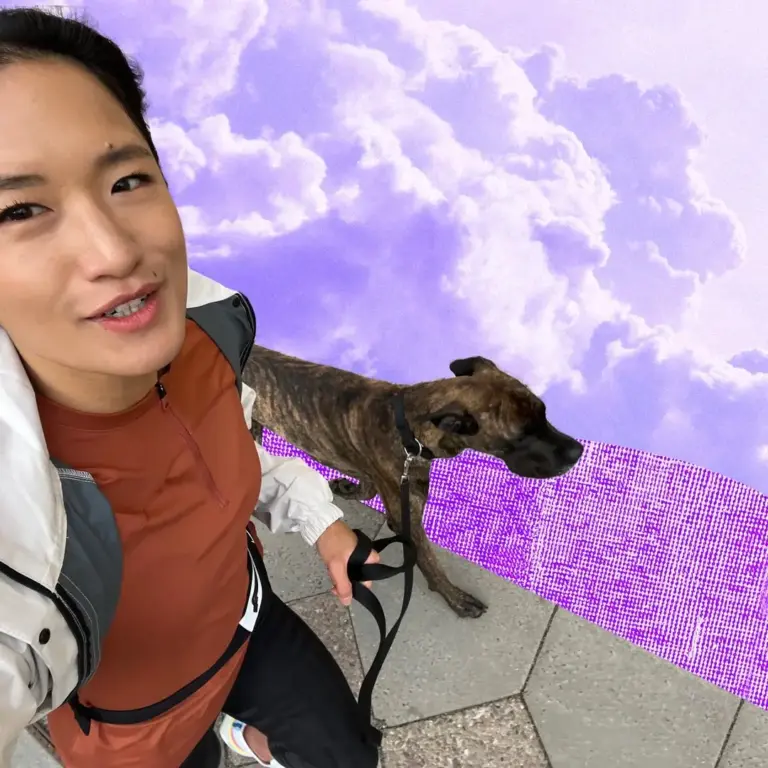
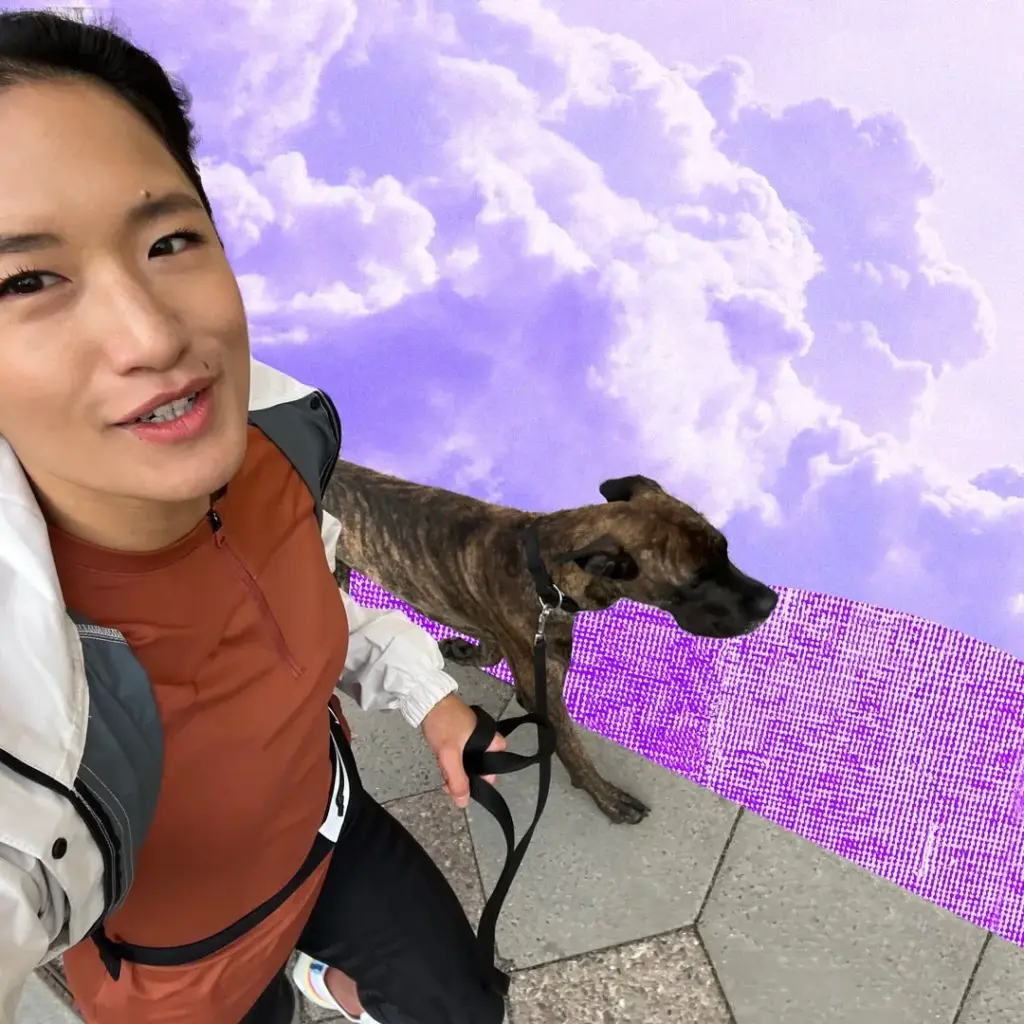
- K9 Pacing Partners: Mondays also occasionally feature canine companionship. By borrowing a friend’s energetic dog, Mia, Hong introduces a dynamic interval element to her run. "At the beginning, she pulls me; at the end, I pull her," Hong notes, highlighting the mutual motivational benefits of shared movement.
Tuesday: The Pillars of Longevity – Yoga, Strength, and Recovery
Endurance running is frequently mischaracterized as a unplanar, lower-body-dominant activity. Hong rejects this notion entirely. Tuesdays are strictly dedicated to injury prevention and structural reinforcement.
Rather than logging miles, she engages in targeted strength training, dynamic yoga flows, and professional physiotherapy. This triad forms the foundational armor that allows her to push her cardiovascular limits later in the week without succumbing to the overuse injuries that plague so many amateur runners. Crucially, Hong views rest not as an absence of work, but as an active component of biological adaptation.
Wednesday: Global Mobility and Cultural Recharge
Balancing an international career means maximizing local connections whenever she touches down in Berlin. Wednesdays serve as a strategic mental reset.
Rather than forcing a subpar workout under the weight of jet lag or fatigue, Hong pivots toward cultural engagement, exploring local art exhibitions and catching up with friends. This deliberate allocation of cognitive and social energy prevents the psychological burnout that so frequently derails marathon training blocks.
Thursday: Pushing the Envelope on the Track
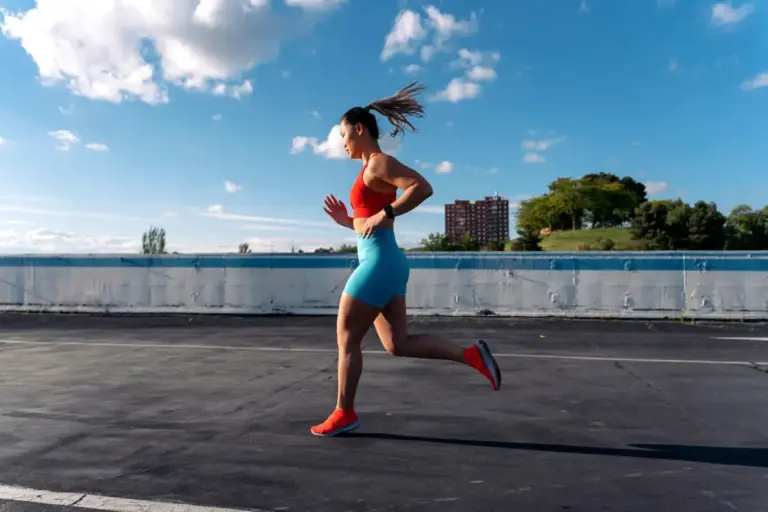
Thursday represents the crucible of Hong’s weekly physical output: the high-intensity track workout. Preparing for a marathon requires structural stress, and Hong embraces the challenge of speed sessions.
- Footwear Technology: To mitigate the high impact forces associated with track running, Hong relies on specialized gear, specifically the Nike Invincible 3. The shoe’s high-foam, "bouncy" sole architecture provides both crucial energy return and structural stability across varied urban surfaces.
- Embracing the Edge: "I love competitions. It gives me an incredible amount of joy to challenge myself," Hong explains. These sessions are designed to test anaerobic thresholds and pace retention, pushing her safely to the edge of her physiological capacity.
Friday: Social Integration and Deliberate Rest
Following Thursday’s high-intensity track session, Friday is designated for physical decompression. Aside from light restorative stretching or short yoga sessions, Hong prioritizes her social ecosystem. As someone who spends significant periods aloft and away from her home base, she uses Fridays to immerse herself back into Berlin’s vibrant cultural fabric, visiting galleries and socializing with her peer network.
Saturday: Urban Exploration along the Landwehrkanal
The weekend kicks off with Hong’s signature long run along the iconic Landwehrkanal. This route offers a quintessential Berlin running experience, transitioning seamlessly from smooth asphalt to soft grass and muddy paths.
- Sensory Modulation: Depending on her mental state, Hong uses this run for dual purposes. Some days feature immersive true-crime or cultural podcasts; other days involve total acoustic disconnection, allowing her to absorb the ambient sounds of the city and people-watch.
- The Post-Run Reward: No run is complete without a ritualistic reward. Hong concludes her Saturday mileage at a local market stall in Kreuzberg, grounding her athletic effort in the simple, tactile pleasure of a hot coffee and a wholesome snack.
Sunday: Community Mileage with the Joy Run Collective
Sunday is reserved for the long, slow distance (LSD) run, executed in tandem with her running community, the Joy Run Collective.
- The Social Anchor: Navigating the sprawling landscapes of Berlin’s Tiergarten in freezing temperatures requires psychological fortitude, which is exponentially easier to muster within a collective framework.
- Culinary Culmination: The physical exertion of a multi-kilometer Sunday run culminates in a shared ritual: a group brunch. For Hong, the promise of homemade dumplings prepared by a fellow collective member serves as a powerful psychological carrot throughout the final kilometers of the route.
Supporting Context & Metrics: The Evolution of the Modern Runner
The Shift from Punishment to Wellness
For decades, mainstream running culture was dominated by the "no pain, no gain" ethos—a mentality that historically alienated casual athletes, women, and individuals who prioritized mental well-being over raw suffering. Sports psychologists note that Hong’s philosophy represents a paradigm shift known as "Positive Reinforcement Endurance Training" (PRET). By pairing strenuous physical exertion with immediate sensory rewards (music, canine interaction, community brunches, and artisanal snacks), athletes trick the brain’s dopamine pathways into associating endurance sports with pleasure rather than punishment.
Biological Impact of Holistic Cross-Training
Hong’s integration of yoga, strength conditioning, and physiotherapy is statistically validated by sports science. According to data from the European Athletics Association:
- Runners who incorporate at least two weekly sessions of targeted core and lower-body strength training reduce their incidence of acute running injuries (such as iliotibial band syndrome and plantar fasciitis) by up to 45%.
- Combined mobility work (yoga/Pilates) improves running economy—the oxygen cost of running at a given velocity—by improving joint range of motion and neuromuscular coordination.
The Rise of the Urban Running Collective
Berlin has emerged as one of Europe’s primary epicenters for underground and community-driven running crews. Unlike traditional, rigid athletic clubs of the 20th century, modern collectives like the Joy Run Collective operate at the intersection of fashion, music, gastronomy, and sport. These micro-communities serve a vital sociological function, combating urban isolation while democratizing access to high-level endurance coaching.
Official Statements and Expert Perspectives
To contextualize Hong’s journey, industry professionals and sports physiologists weigh in on the changing face of modern endurance athletics.
"The traditional image of the marathon runner as a tortured ascetic is rapidly becoming obsolete," states Dr. Elena Vance, a prominent sports psychologist specializing in endurance sports.
"Athletes like Hong demonstrate that sustainable high performance requires emotional and psychological ergonomics. When you remove the guilt from resting, when you prioritize footwear comfort, and when you embed your training within a supportive community, your baseline cortisol levels drop. This directly translates to better cellular recovery, improved immune function, and ultimately, faster marathon times."
Reflecting on her personal transformation over the past four years, Hong emphasizes the deep psychological dividends of her training regimen:
"I started running four years ago when I felt entirely disconnected from my physical self. Now, at 30, I am healthier, stronger, and more energetic than I ever was in my twenties. But the most profound change isn’t physical—it’s mental. Lacking a background in sports, I had to build my confidence from scratch. I’ve learned that consistency and comfort do not have to be enemies. You can shatter your own limitations while still being kind to yourself."
Future Outlook: The Next Frontier of Endurance Sports
As Hong sets her sights on the start line of her seventh marathon, her journey offers a predictive glimpse into the future of fitness culture.
The next decade of endurance sports will likely see a continued decentralization of elite coaching models. As more individuals navigate complex, multi-hyphenate careers—balancing creative professions, demanding travel schedules, and rich social lives—the inflexible training block of the past will give way to adaptive, holistic frameworks.
Hong’s three golden rules for maintaining joy on the run—investing in supportive, high-performance gear; curating a rich auditory and social environment; and honoring the sacred connection between movement, community, and culinary reward—serve as a universal manifesto. They prove unequivocally that you do not need to suffer to succeed, and that the path to a personal best can, and perhaps should, be remarkably comfortable.
Hong’s 3 Essential Rules for Maximizing Joy on Your Run
- Invest in Ergonomic and Supportive Footwear: Never underestimate the psychological and physical security provided by high-performance, well-cushioned shoes (such as the Nike Invincible 3) that protect your joints across varied urban terrains.
- Curate an Adaptive Soundtrack: Build dynamic playlists—incorporating high-energy genres like disco, house, and techno—to serve as your psychological lifeline during low-energy training blocks.
- Design a Holistic Reward System: Pair every challenging route with a scenic urban backdrop and a deliberate, community-focused culinary reward waiting for you at the finish line.