Executive Overview
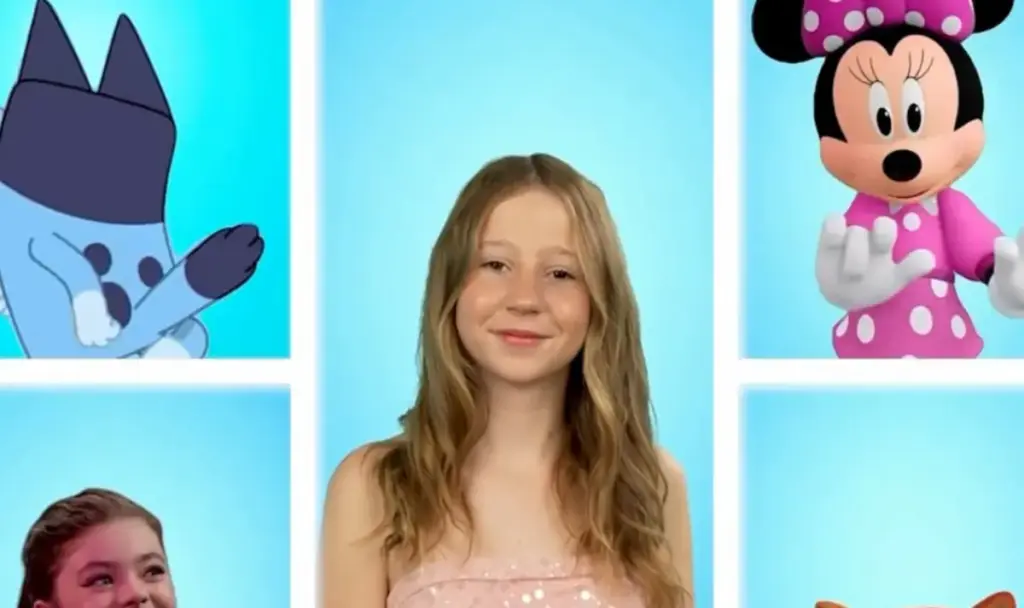
In a milestone agreement that underscores the shifting power dynamics of modern entertainment, Anastasiia Radzinskaia—globally known as the internet sensation Like Nastya—has officially inked a major development and distribution deal with The Walt Disney Company.
Five years after making history as one of the very first child creators to cross monumental subscriber thresholds on YouTube, the young entrepreneur and her family have set their sights firmly on traditional media’s most iconic ecosystem: Disney+ and Disney Junior.
This strategic partnership is much more than a routine content licensing agreement. It represents a watershed moment for the creator economy, bridging the gap between algorithmic, user-generated video platforms and legacy Hollywood conglomerates.
For Disney, the move further solidifies a ruthless, highly calculated strategy to dominate the preschool and family streaming market. By aggressively onboarding digital-native intellectual properties (IP)—ranging from Bluey and CoComelon to Little Margo Stories and now Like Nastya—Disney is actively courting audiences who spend the vast majority of their screen time on connected TVs and mobile applications rather than traditional cable networks.
For the Radzinskaia family, this partnership validates a decade-long evolution from toddler-focused YouTube vlogs into a diversified global entertainment franchise. As Like Nastya expands its footprint to target everyone from toddlers to tweens, the alliance with Disney marks the transition of a solo digital creator into a multi-platform media powerhouse.
Detailed Chronology: From Toddler Vlogger to Global Media Empire
To truly understand the weight of the new Disney development deal, one must trace the meteoric rise of Anastasiia Radzinskaia, whose journey mirrors the evolution of the modern digital creator economy itself.
The Humble Beginnings and Early Toddler Stardom
Anastasiia was born in Krasnodar, Russia, facing early medical hurdles that doctors feared might impact her speech and development. As a form of therapy, her parents, Anna and Sergey Radzinskaia, began filming her daily activities, playdates, and doctor visits to track her progress.
What started as a family home video archive rapidly struck a chord with global audiences. By the time Anastasiia was a toddler, the channel—then operating under various iterations before solidifying as Like Nastya—was capturing millions of organic views. The content was simple, vibrant, and universally accessible: unboxing toys, visiting amusement parks, role-playing, and engaging in imaginative play. Because much of the early content relied heavily on visual storytelling and expressive physical comedy rather than complex spoken dialogue, the videos transcended language barriers with astonishing ease.
Scaling the Creator Economy
As the views mounted into the billions, the Radzinskaia family transformed from casual vloggers into a sophisticated enterprise. They moved operations to the United States and built a production pipeline capable of outputting high-gloss, highly engaging episodic content.
Milestones followed at a dizzying pace:
- The Billion-View Era: The flagship channel crossed into the stratosphere of YouTube metrics, racking up an astonishing 123 billion lifetime views across its network.
- Subscriber Records: In late 2021, Like Nastya became the first kid-centric creator channel to surpass 250 million total subscribers on YouTube, cementing Anastasiia’s status as one of the most-watched human beings on the planet.
- Diversification and Global Reach: The family smartly hedged their platform dependence. They established a web of strategic alliances, including platform-specific distribution pacts with companies like Jellysmack on Facebook, high-profile studio partnerships with Westbrook Inc. (founded by Will Smith and Jada Pinkett Smith), and massive global licensing agreements with IMG for consumer products.
The Pivot to Traditional Hollywood and Disney+
Despite commanding a digital empire that rivals major cable networks, the ceiling for pure-play YouTube channels has shifted. Increasingly, top-tier creators are looking to bridge the divide, bringing their massive built-in audiences to premium subscription video-on-demand (SVOD) services.
Under the new agreement, Disney will introduce a curated selection of archival Like Nastya fan-favorites to the Disney+ library. Crucially, however, the pact goes far beyond reruns. The Radzinskaias are collaborating with Disney development teams to create brand-new video content tailor-made for Disney Jr. and Disney+. This structural evolution allows the brand to follow its aging audience upward, retaining older viewers even as they graduate from toddlerhood into tween and early teen demographics.
Supporting Context & Metrics: The Battle for Family Streaming Dominance
The Like Nastya-Disney partnership does not happen in a vacuum. It is the direct result of an ongoing, high-stakes battle between streaming giants—primarily Disney+ and Netflix—to capture the most lucrative, loyal, and binge-watching demographic in existence: families with children.
The Streaming Wars’ Secret Weapon: Kids Content
While adult-focused prestige dramas and blockbuster sci-fi series drive headlines, data consistently shows that kids and family programming is the true bedrock of streaming retention. Households with children are among the stickiest subscribers, rarely churning because their viewing habits are routine, repetitive, and deeply emotional.
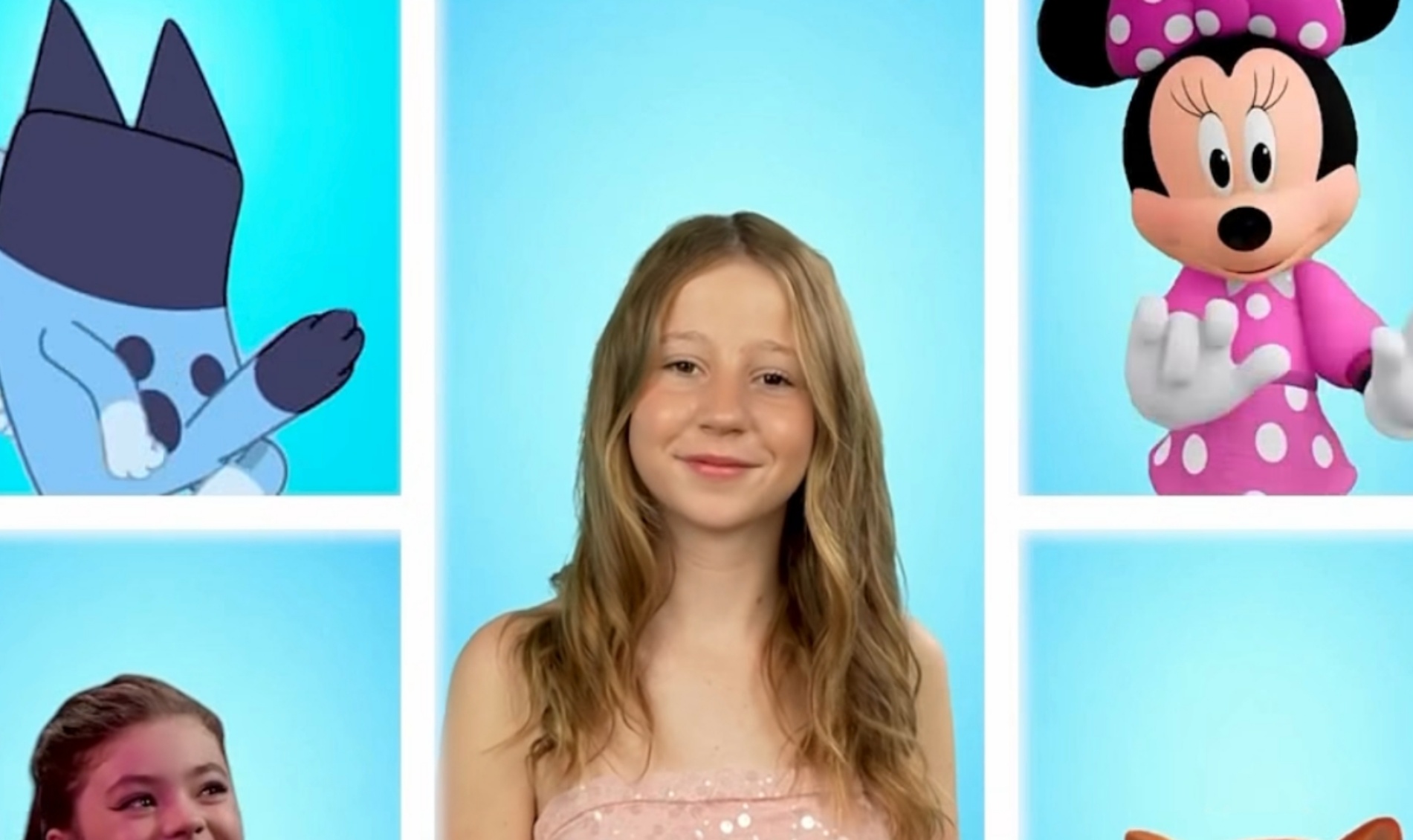
Disney, long the undisputed king of childhood nostalgia, has aggressively adapted its acquisition playbook to combat the rise of YouTube. Historically, the Mouse House relied entirely on internally produced theatrical animation and Disney Channel series. Today, the landscape requires a hybrid approach: acquiring external, battle-tested digital-native properties that already command billions of hours of viewing time.
Consider Disney’s recent pipeline:
- Bluey: Securing the U.S. streaming rights for the global phenomenon Bluey (produced by Ludo Studio and distributed by BBC Studios) proved to be a masterstroke. Industry analysts regularly cite Bluey as the single most-watched show across all streaming platforms.
- CoComelon: The impending arrival of CoComelon content on Disney+ further absorbs a juggernaut that previously drove massive engagement on Netflix and YouTube.
- Little Margo Stories: Disney’s acquisition of the hit YouTube animated series Little Margo Stories demonstrated that the company is actively hunting for international, high-performing digital IP to integrate into its ecosystem.
- Like Nastya: By bringing in live-action creator-led content, Disney is bridging the gap between traditional animation and the modern vlogging format that children consume on tablets and phones every single day.
Netflix vs. Disney: The Creator Content Race
While Netflix has made significant waves courting YouTube talent—such as high-profile deals with creators like the Stokes Twins and experimenting with creator-led payouts—its strategy leans heavily toward unscripted reality competitions, challenge formats, and teen-focused lifestyle content.
In the family and preschool category, however, Disney is leading the charge. By securing Like Nastya, Disney is effectively utilizing the creator economy as a massive, pre-vetted farm system. Instead of spending tens of millions of dollars on speculative pilot episodes to see if kids like a new character, Disney is partnering with franchises that already boast quarterly billion-view validations from real-world child audiences.
Official Statements and Industry Reactions
The announcement has sent ripples through both the traditional entertainment industry and the creator economy, prompting celebration from the Radzinskaia family and highlighting a profound shift in how media conglomerates view digital creators.
Reflecting on the monumental milestone, Anna Radzinskaia, the founder of the Like Nastya brand and Anastasiia’s mother, shared her pride in the brand’s organic evolution:
"I’m incredibly proud of Anastasiia and how Like Nastya has grown into a global brand loved by millions of families worldwide. Bringing together the worlds of Like Nastya and Disney is an exciting opportunity to create something truly special for a new generation."
Industry analysts have been quick to point out the symbiotic nature of the deal. For Disney, partnering with Anastasiia provides instant access to a demographic that is increasingly difficult to reach through linear television commercials. Gen Alpha and younger Gen Z consumers live on YouTube, TikTok, and interactive gaming platforms. By inviting Like Nastya into the "Mouse House," Disney effectively plants its flag where the kids actually are, creating a frictionless funnel that encourages young viewers to move seamlessly from YouTube loops to the Disney+ app.
Furthermore, the move validates the professionalization of childhood internet stardom. What was once viewed by traditional Hollywood executives as a wild-west ecosystem of unregulated user-generated videos is now recognized as a sophisticated, data-driven incubator for premier intellectual property.
Future Outlook: What the Disney Deal Means for the Future of Creators
The integration of Like Nastya into Disney’s development slate signals a permanent shift in the entertainment landscape. As we look toward the future, several key trends are likely to emerge from this landmark agreement:
1. The Blurring Lines Between "Creator" and "Studio"
The days of the solo YouTuber filming in a bedroom with a ring light are long gone for top-tier creators. Brands like Like Nastya operate with multi-national production teams, merchandising arms, global licensing agents, and now, Hollywood studio development deals. We will likely see more top creators following Radzinskaia’s blueprint, bypassing traditional intermediate steps to land direct development contracts with major streamers.
2. Expanding Demographic Horizons
As Anastasiia matures, her content must mature with her. The new Disney development deal specifically emphasizes content that can appeal not just to toddlers, but to tweens, teens, and entire families across Disney Jr. and Disney+. This multi-generational appeal is crucial for the longevity of digital stars. Recent creative endeavors, such as Anastasiia’s music single "I’m Gonna Shine" making waves on YouTube, demonstrate that the brand is actively expanding into pop music, scripted narrative formats, and lifestyle branding.
3. Increased Competition for Digital IP
With Disney successfully anchoring its family strategy around a blend of traditional hits (Bluey) and digital titans (Like Nastya, CoComelon), rival platforms like Netflix, Paramount+, and Warner Bros. Discovery’s Max will be forced to accelerate their own creator acquisition pipelines. The hunt for proven YouTube, TikTok, and gaming IP will become even more aggressive, driving up valuations for independent digital creators who have built sustainable, cross-platform audiences.
Conclusion
Anastasiia Radzinskaia’s journey from a young toddler navigating speech therapy in Russia to an international multimedia icon distributed by The Walt Disney Company is nothing short of historic. It proves that in the modern entertainment economy, the most powerful gatekeepers are no longer studio executives sitting in boardrooms—they are the millions of children clicking "play" on a screen. By welcoming Like Nastya into the fold, Disney has not only secured a powerhouse digital asset; it has officially acknowledged that the future of family entertainment belongs to the creators who mastered the digital age first.