Executive Overview
The height of the summer social calendar is traditionally marked by a subtle slowdown—a collective migration toward parks, beaches, and al fresco wine bars. Yet, defying the seasonal lethargy, August proved to be an explosive period for the global fashion and nightlife industries. Across multiple continents, major luxury and commercial labels engineered high-concept activations that successfully pulled trendsetters away from their seasonal respites and straight into the heart of metropolitan nightlife.
From downtown Manhattan to the historic canals of Amsterdam, global brands proved that immersive marketing and cultural curation remain the ultimate currency. Whether through high-octane denim launches, high-fashion Pride takeovers, or heritage preppy retail transformations, this season’s events highlighted a definitive shift in how fashion houses connect with consumers. Rather than relying on traditional runway presentations alone, brands are increasingly embedding themselves into localized cultural moments, leveraging the gravitational pull of tastemakers, digital creators, and inclusivity-driven celebrations.
This comprehensive report examines three of the most high-profile activations that defined the late-summer social circuit: Abercrombie & Fitch’s gritty, star-studded denim revival in New York City; Dsquared2’s unapologetic, high-fashion Pride celebration in Amsterdam; and Nordstrom’s polished, preppy retail takeover celebrating Polo Ralph Lauren and the historic intersection of fashion and sport.
Detailed Chronology: A Week in Global Fashion and Culture
The cultural momentum of August unfolded through a carefully timed sequence of international events, each targeting a distinct demographic while capturing the zeitgeist of modern lifestyle branding.
Phase One: Abercrombie & Fitch Reclaims New York City
The social whirlwind kicked off midweek in downtown New York City, where heritage brand Abercrombie & Fitch hosted an exclusive, star-studded affair to celebrate its Fall 2026 denim campaign. Long gone are the days of the brand’s suburban mall identity; the modern incarnation of Abercrombie is firmly rooted in urban cool, a narrative anchored by campaign stars Paloma Elsesser and Emily Ratajkowski.
Held at the aptly named downtown hotspot Jean’s, the event drew an elite roster of actors, models, and digital icons. As the city sweltered in late-summer humidity, attendees—including Iris Law, KJ Apa, Jordan Clarkson, and Chase Stokes—piled into the venue to indulge in classic late-night fare: overflowing orders of French fries, expertly poured martinis, and an infectious Tuesday-night DJ set that blurred the lines between an intimate industry dinner and a full-scale club night. The evening served as a masterclass in modern rebranding, proving that denim, when styled with effortless downtown grit, remains the ultimate uniform for the modern tastemaker.
Phase Two: Dsquared2 Takes Over Amsterdam for World Pride
While New York embraced gritty urban cool, Amsterdam became the epicenter of vibrant, unapologetic queer expression. Twin designers Dean and Dan Caten, the creative forces behind Dsquared2, have long championed the LGBTQ+ community through their collections, campaigns, and personal ethos. For World Pride, the brand put its money where its mouth is, partnering with the W Amsterdam for a high-fashion celebration that seamlessly merged luxury aesthetics with nightlife hedonism.
Surrounded by a coterie of scantily clad performers and high-energy drag icons, the event reached its peak when renowned drag artist and DJ Gottmik took over the turntables. The party encapsulated the intersection of high fashion and queer liberation, offering an immersive environment where attendees could celebrate identity without compromise. By anchoring their Pride activation within a premier hospitality property, Dsquared2 reinforced its authentic, long-standing relationship with the global queer community.
Phase Three: Nordstrom and Polo Ralph Lauren Bring Prep to the Masses
Shifting the focus from nightlife to retail theater, Nordstrom executed a high-profile ground-level takeover in partnership with Polo Ralph Lauren. Capturing the viral energy of the ubiquitous "preppy aesthetic" trend popularized across social media, the activation transformed a primary retail space into a masterclass in classic American sportswear.
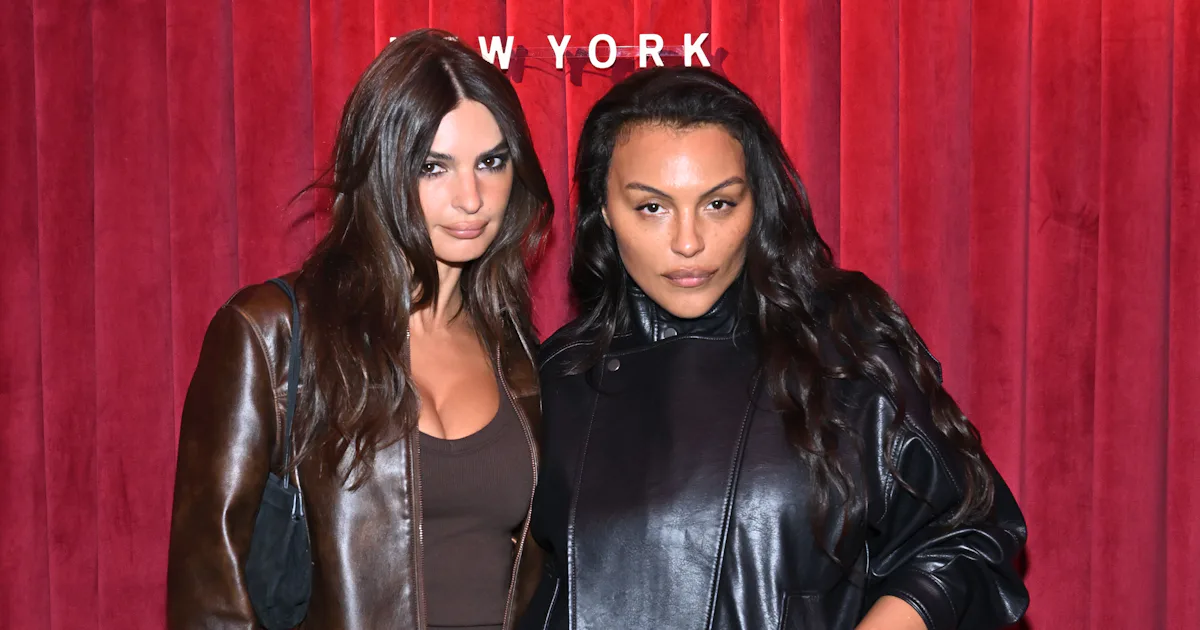
Centered around the official US Open merchandise collection designed by Polo Ralph Lauren, the installation drew top-tier style influencers and digital creators, including Jalil Johnson, Meredith Hayden, Olivia McDowell, Taylor Reed, Michal Kurtis, and Simon Goldman. The space offered consumers an interactive shopping experience that celebrated both athletic heritage and timeless collegiate styling, successfully bridging the gap between digital content creation and physical retail brick-and-mortar engagement.
Supporting Context & Metrics: The Mechanics of Modern Brand Activations
To understand the impact of these August activations, one must look beyond the flashing lights of the red carpet and examine the strategic mechanics driving modern marketing budgets. In an era dominated by short-form video and digital fatigue, physical experiential marketing has evolved into an essential tool for customer acquisition and brand loyalty.
The Return on Investment of Experiential Marketing
According to recent industry analytics within the retail and luxury sectors, experiential marketing campaigns yield a significantly higher rate of consumer engagement compared to traditional digital banner ads or static print campaigns. Brands like Abercrombie & Fitch and Dsquared2 understand that contemporary consumers—particularly Millennials and Generation Z—crave authenticity, community, and "FOMO-inducing" moments.
- Micro-Communities and Digital Amplification: By inviting a curated mix of A-list celebrities and mid-tier digital creators (such as the attendees at the Nordstrom Polo Ralph Lauren takeover), brands multiply their organic reach exponentially. A single Instagram Story or TikTok post from an influencer attending the Jean’s denim party reaches hundreds of thousands of hyper-targeted consumers instantly.
- The Cultural Alignment Metric: Collaborations that align with cultural pillars—such as Dsquared2’s support of World Pride or Polo Ralph Lauren’s long-standing association with elite tennis—allow brands to transcend product-pushing. They sell a lifestyle, a set of values, and an invitation to belong to an exclusive cultural club.
- Geographic Diversification: Spreading activations across different global hubs (New York for denim and youth culture, Amsterdam for inclusive nightlife, and major metropolitan retail centers for prep sports) ensures that brands capture diverse regional markets while maintaining a cohesive global narrative.
Official Statements and Industry Insights
The philosophy behind these high-profile events reflects a broader transformation in executive strategy across the fashion and retail landscapes. While official press releases often highlight the glamour, industry insiders emphasize the rigorous strategic planning required to execute such cultural moments.
Reflecting on the evolution of brand identity, a senior marketing executive close to the Abercrombie & Fitch transformation noted: "The goal was never just to update our product assortment; it was to radically shift how our consumer feels when they put our clothes on. Bringing these cultural figures into an intimate, high-energy environment like Jean’s allows the clothes to live in their natural habitat—the vibrant, unfiltered nightlife of the city."
Similarly, the ethos driving luxury involvement in global Pride events has shifted from performative corporate sponsorship to genuine integration. Representatives for Dsquared2 emphasized the brand’s foundational commitment to the queer community: "Fashion has always borrowed its most revolutionary ideas from underground queer culture. For us, celebrating World Pride isn’t a seasonal marketing strategy; it is a continuation of our brand’s DNA. Working with artists like Gottmik allows us to honor that heritage with authenticity, joy, and uncompromising style."
On the retail front, the partnership between Nordstrom and Polo Ralph Lauren highlights the enduring appeal of heritage fashion in an era of micro-trends. Industry analysts point out that physical retail must offer theatrical value to compete with e-commerce convenience. By curating immersive physical installations tied to major cultural sporting events like the US Open, retailers successfully transform shopping into a destination experience.
Future Outlook: What Lies Ahead for Brand Activations
As the fashion industry looks toward the upcoming autumn and winter seasons, the success of these August events establishes a clear blueprint for future marketing strategies. Several key trends are expected to dominate the landscape in the months and years to come:
- Hyper-Localized Cultural Integration: Brands will increasingly move away from generic global ad campaigns in favor of hyper-localized activations that tap directly into the specific subcultures, music scenes, and artistic communities of individual cities.
- The Fusion of Retail and Entertainment: Traditional department stores and flagships will continue to adopt the "pop-up" and experiential takeover model, transforming retail floors into dynamic social hubs that encourage dwell time, content creation, and community building.
- Authenticity Over Aesthetics: As consumers become increasingly cynical of corporate pandering, activations that lack genuine community ties or cultural backing will face swift backlash. Future campaigns must demonstrate a long-term, structural commitment to the communities and aesthetics they celebrate.
- Digital-First Physical Design: Events will increasingly be engineered with digital architecture in mind—ensuring that every physical touchpoint, from lighting to spatial layout, is optimized for sharing across emerging social media platforms, thereby maximizing the lifespan of a single evening’s activation.
Ultimately, the late-summer social circuit has proven that physical gatherings remain irreplaceable. Whether through the timeless appeal of a well-fitted pair of jeans, the vibrant celebration of queer identity, or the polished nostalgia of preppy sportswear, brands that successfully marry product with culture will continue to capture the imagination—and loyalty—of the modern consumer.