Executive Overview
As the international film community gathers for the prestigious San Sebastián International Film Festival (running September 18–26), one of the most significant industry narratives centres on the evolution of state-backed financing for Spain’s booming creative sector. At the heart of this discussion is SETT (Sociedad Española para la Transformación Tecnológica), the pioneering venture capital fund operating under Spain’s Ministry for Digital Transformation.
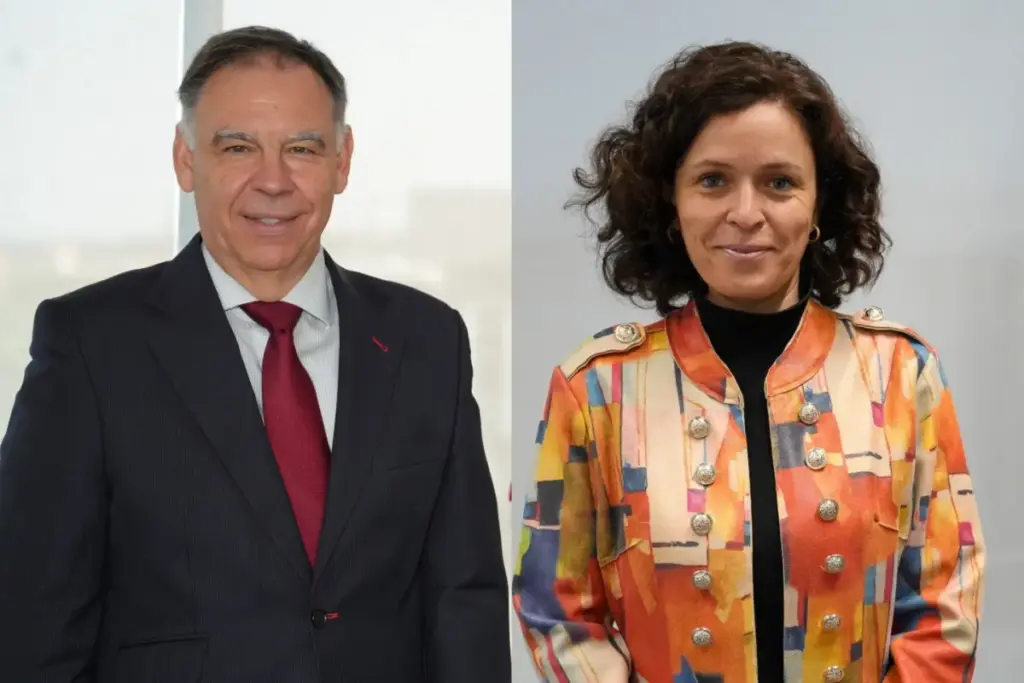
The festival serves as the stage for a comprehensive evaluation of SETT’s transformative impact thus far. Leading figures from the fund—Director General Javier Ponce and Audiovisual Director María Coronado—are unveiling a practical blueprint detailing how governmental investment is actively supercharging Spanish enterprises. Their insights outline what the initiative has achieved, the structural rationale behind its mechanics, and the strategic trajectory of Spain’s cinematic and digital future.
The stakes are exceptionally high. Backed by European Union NextGenerationEU funds, SETT’s Spain Audiovisual Hub strategy represents a paradigm shift in how sovereign capital interacts with the creative industries. By deploying equity and quasi-equity instruments, the fund has sought to inject liquidity, safeguard intellectual property within domestic production companies, and foster an environment where local talent can scale globally. Although execution under rigid EU recovery timelines brought distinct operational challenges, the fund has laid a robust foundation. With nearly €250 million already deployed and a visionary transition into the upcoming “España Crece” program on the horizon, SETT is redefining the boundaries of public-private partnership in European media and entertainment.
Detailed Chronology: The Evolution of Spain’s Audiovisual Hub
The genesis of SETT’s intervention in the creative sector dates back to the implementation of Spain’s comprehensive Recovery, Transformation, and Resilience Plan. Designed to modernise the national economy in the wake of global disruptions, the plan earmarked substantial resources for the digital and creative industries, recognising them as engines of high-value employment, innovation, and cultural projection.
Phase I and II: Building the Infrastructure
- The Inception of the Spain Audiovisual Hub: Established as a public investment entity, SETT was tasked with managing strategic, transformative sectors. Within the audiovisual domain, its mandate was clear: act as a public catalyst for growth by addressing chronic financing bottlenecks that traditionally plagued Spanish producers.
- The Integration of NextGenerationEU Resources: The fund drew its initial firepower from European Union recovery instruments, with potential allocations scaling up to a staggering €1.5 billion ($1.75 billion).
- Realities of Execution: As implementation progressed, government officials—including María Gonzalez Veracruz—noted that deployed investments reached just under €250 million. While this figure reflects a fraction of the theoretical maximum, key architects like Javier Ponce attribute the pacing to strict European implementation deadlines and the pioneering nature of the co-investment model itself. Market participants required time to understand the nuances of partnering with a sovereign investor sharing both risks and returns.
- The San Sebastián Showcase (September 2024): Marking a crucial milestone, the current festival edition features high-profile presentations by SETT leadership. On September 20, the Ministry for Digital Transformation and the Civil Service hosted a landmark event detailing the progress of the Spain Audiovisual Hub Plan. This was followed on September 22 by María Coronado’s participation in Spanish Screenings Investment & Tech, alongside exclusive roundtables convening international and domestic investment funds and specialised banks.
Supporting Context & Metrics: The Mechanics of Co-Investment
To truly understand SETT’s impact, one must examine the operational philosophy governing its capital allocation. Unlike traditional subsidy models that rely on non-repayable grants, SETT operates as a sophisticated venture capital and private equity entity.
The Three Pillars of SETT’s Investment Model
According to María Coronado, the fund’s architecture rests upon three foundational pillars:
- An Industry-Wide Ecosystem Approach: Rather than evaluating projects on a strictly case-by-case basis, SETT targets the entire audiovisual business ecosystem, fostering structural resilience across production, technology, and infrastructure.
- Equity and Regulated Vehicles: Investment facilities are directed squarely at the equity capital of operating companies or regulated investment vehicles, strengthening corporate balance sheets rather than merely funding individual titles.
- Medium- to Long-Term Public-Private Partnerships: SETT acts as a co-investor on a pari passu basis. Public capital operates under the exact same terms, risks, and conditions as private capital, ensuring market discipline and rigorous due diligence.
Tangible Metrics and Case Studies
The efficacy of this model is best illustrated by the calibre of companies that have successfully secured SETT-backed financing. By demanding that promoters convince independent private investors of their commercial viability, SETT ensures that public funds validate—rather than distort—market dynamics.
- International Cross-Border Synergies: Notable transactions include strategic investments in South African entities The Refinery and Moonlighting, which mobilised a combined investment of €25 million, cementing bridges between African and European production landscapes.
- Animation Giants: Spain’s world-renowned animation sector has been a primary beneficiary. Leading studios Amuse Labs and Milo successfully mobilised €13 million and €19 million respectively, empowering them to scale operations, expand technical infrastructure, and compete on the global stage.
Official Statements: Insights from Javier Ponce and María Coronado
The strategic vision guiding SETT is articulated directly through its leadership, whose reflections illuminate the broader philosophy of state intervention in modern creative economies.
Javier Ponce on Sovereign Venture Capital and Risk Mitigation
Reflecting on the rationale behind a sovereign venture capital fund, Javier Ponce emphasises the necessity of public intervention in high-risk, high-reward sectors:
"SETT is a public investment entity that manages investments in strategic, transformative sectors, including the audiovisual industry. It serves as a public catalyst for growth, employment, innovation and talent… Only highly liquid, large-scale markets with a long-established audiovisual industry are able to mobilize sufficient capital to finance major new productions or transformative industry initiatives."
Addressing the execution timeline and the challenges of deploying European recovery funds, Ponce remains pragmatic yet optimistic about the structural lessons learned:
"For the audiovisual sector, the possibility of co-investing alongside a public entity represented a major innovation. Time therefore became a critical factor, as market participants first needed to understand the role and implications of partnering with a public investor that shared both risks and returns. The next challenge is to ensure that these investments continue to thrive, identify new opportunities, and maintain confidence in the talent and ambition of Spanish audiovisual companies."
María Coronado on Scaling Businesses and Changing Mindsets
María Coronado elaborates on the qualitative transformation occurring within the Spanish film and television landscape, noting that sovereign venture capital is fundamentally altering corporate behaviour:
"It creates new opportunities. It is essential to think in terms of medium- and long-term business strategy, rather than focusing only on immediate projects. It enables companies to strengthen their capital base, making them more ambitious, better able to protect their intellectual property, diversify, expand internationally, and bring their products to market more effectively."
Coronado also highlights the infrastructural and developmental imperatives that remain on the horizon:
"Scale is undoubtedly part of the challenge, as is ensuring the availability of the infrastructure needed to accommodate medium- and large-scale productions, strengthening technical training, and fostering talent across the industry. It will also be important to continue enhancing the tax framework and the legal and regulatory environment to maintain Spain’s competitiveness."
Future Outlook: Transitioning to “España Crece”
As the current phase of the Spain Audiovisual Hub draws its initial evaluations, the overarching initiative is far from concluding. SETT’s governance mechanisms are fully engaged in overseeing existing investment agreements while simultaneously laying the groundwork for the next generation of industrial policy.
The €13.3 Billion “España Crece” Program
Looking forward, the audiovisual sector will remain a cornerstone of SETT’s strategic roadmap through its integration into the newly announced “España Crece” program. Backed by a formidable budget of €13.3 billion ($15.6 billion) held by the Official Credit Institute (ICO), the program’s investments will be handled in part by SETT. Discussions between SETT and ICO are already underway to establish rigorous procedures and frameworks for continued collaboration in strategic technologies and creative industries.
Consolidating Spain as a Global Creative Superpower
The lessons gleaned from the past two years of the Spain Audiovisual Hub—specifically the necessity of allowing adequate time for business plans to mature and private capital to coalesce—will directly inform the deployment of España Crece.
By maintaining a dual focus on creative talent and corporate financial health, Spain is systematically dismantling historical limitations associated with fragmented production models. Through SETT’s continuing stewardship, the nation is not merely financing films; it is engineering a self-sustaining, highly capitalised industrial ecosystem poised to dominate the global audiovisual landscape for decades to come.