Executive Overview
For decades, the standard grooming routine for hair removal was treated as an afterthought—a quick swipe of a disposable razor accompanied by whatever soap, shower gel, or cheap aerosol foam happened to be sitting on the edge of the tub. For many, this resulted in an inevitable cycle of razor burn, stinging micro-abrasions, stubborn ingrown hairs, and uncomfortable inflammation, particularly when tending to delicate areas like the bikini line and pubic region.
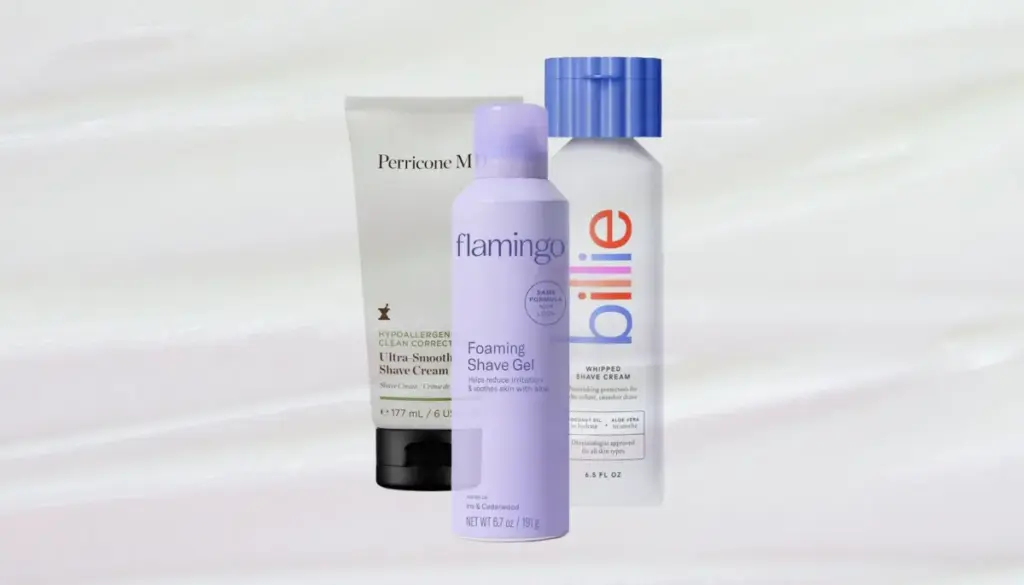
However, a quiet revolution has taken place in the personal care aisle. Beauty editors, dermatologists, and cosmetic chemists are shifting the narrative toward targeted, skin-first grooming formulations. Leading the charge is the recognition that sensitive skin requires specialized care that respects the skin barrier. Among the standout products capturing the attention of both consumers and beauty experts is the Perricone MD Hypoallergenic Clean Correction Ultra-Smooth Shave Cream. Priced at $37 for a 6-ounce tube, this fragrance-free, low-lather formula has emerged as a gold standard for individuals prone to irritation, razor bumps, and post-shave discomfort.
This comprehensive report explores the shifting landscape of women’s shaving products, drawing on rigorous editorial testing, dermatological insights, and consumer feedback. We examine the exact criteria that separate high-performance shaving creams from drying, irritating formulas, provide expert guidance on intimate grooming, and look at the future trajectory of skin-protective hair removal technology.
Detailed Chronology: The Evolution of Skin-First Shaving
To understand why specialized creams like Perricone MD’s Hypoallergenic formula are dominating current beauty conversations, it is helpful to trace how consumer priorities have evolved over the past decade.
Phase 1: The Era of Suds and Synthetics (Early 2000s)
Historically, the commercial shaving market—particularly products marketed toward women—focused heavily on sensory gimmicks. Shelves were crowded with heavily fragranced, bright pink aerosol cans that produced massive, billowy clouds of lather. These formulas relied heavily on cheap surfactants, synthetic perfumes, and aerosol propellants like isobutane and propane. While they offered a slippery surface initially, they frequently stripped the skin of its natural lipid barrier, leading to dryness, contact dermatitis, and heightened sensitivity.
Phase 2: The Rise of Clean Beauty and Skincare Integration (2015–2020)
As the "clean beauty" movement gained momentum, consumers began scrutinizing ingredient labels as closely for body care as they did for facial serums. Parabens, sulfates, and synthetic fragrances fell out of favor. Concurrently, cosmetic brands recognized that shaving is, fundamentally, an act of mechanical exfoliation. Dragging a sharp steel blade across the skin removes the outermost layer of dead skin cells alongside hair; without adequate barrier protection, irritation is guaranteed. Brands began infusing shaving preparations with hydrating ingredients like glycerin, shea butter, and botanical extracts.
Phase 3: The Specialized Intimate Grooming Movement (Present)
Today, the conversation has expanded past basic leg shaving to encompass total-body grooming, with a significant emphasis on the bikini line and pubic region. Consumers are seeking out products that cater to these ultra-sensitive zones without causing follicular inflammation or disrupting the delicate microbiome of the skin. This has created a demand for minimalist, hypoallergenic formulations that prioritize slip, clean rinsing, and total elimination of common irritants.
Spotlight on Excellence: Perricone MD Hypoallergenic Clean Correction Ultra-Smooth Shave Cream
When Glamour editors and panel testers evaluated more than 15 shaving creams, gels, and oils across legs, underarms, and bikini lines, the Perricone MD Hypoallergenic Clean Correction Ultra-Smooth Shave Cream emerged as a top-performing solution for sensitive skin.
What Sets It Apart
Unlike traditional shaving foams that rely on dense, artificial lathers, this cream takes a stripped-down, dermatologist-minded approach.
- Fragrance-Free and Hypoallergenic: By entirely omitting synthetic fragrances and common allergens, the formula drastically minimizes the risk of allergic contact dermatitis—a crucial factor when shaving freshly exfoliated or micro-abraded skin.
- Low-Lather, High-Slip Texture: Many users incorrectly equate a massive mound of foam with a better shave. In reality, heavy lathers can obscure the skin, making it difficult to see the razor’s path. Perricone MD’s formulation produces a modest, lightweight texture that hugs the contours of the body. Testers noted that it allows the razor to catch every last hair cleanly without clogging the blades.
- Silicone-Free Comfort: The cream skips heavy silicones that can leave a slick, pore-clogging residue behind. Instead, it rinses away cleanly, leaving the skin feeling calm, balanced, and completely free of sticky film.
Real-World Tester Feedback
The true test of any grooming product lies in real-world application. Panelists who frequently struggle with post-shave fallout shared glowing reviews:

"The bikini and pubic area is definitely quite sensitive, so I’ve found that using a fragrance-free and gentle shave gel is a must. I love the texture of this pick—it’s really lightweight and doesn’t leave behind a weird or sticky residue. It helps my razor catch every last hair every time, and leaves the area calm and never irritated." — A.M.K.
"My skin is prone to razor burn and ingrown hairs, and this was one of the most calming formulas I tried. It doesn’t produce a ton of lather, but I actually liked that—it felt clean and gentle, gave my razor enough slip, and rinsed off without leaving any residue behind. I used it on both my legs and bikini line and had no irritation afterward. If your skin tends to complain after exfoliation or hair removal, I think it’s worth it." — M.G.
Supporting Context & Metrics: How to Choose and Use Shaving Products
Navigating the vast array of shaving preparations requires understanding how different textures interact with your unique skin type and hair-removal goals.
Texture Guide: Creams vs. Gels vs. Oils
- Rich Creams: Best for larger surface areas like the legs. They provide dense cushion, deep moisture, and excellent protection against accidental nicks.
- Lightweight Gels: Ideal for precision areas like the bikini line and pubic region. Their translucent or semi-translucent nature allows you to see exactly where the blade is traveling, reducing the risk of mistakes.
- Shaving Oils: Offer exceptional slip with minimal bulk. Highly favored for small touch-ups and individuals who prefer to see every contour of the skin clearly.
Dermatological Best Practices
To maximize the efficacy of your shaving routine and protect your skin barrier, dermatologists recommend adhering to specific pre- and post-shave protocols.
[Dampen Skin with Warm Water]
       ↓
[Apply Targeted Shave Cream / Gel]
       ↓
[Shave Gently in the Direction of Hair Growth]
       ↓
[Rinse Blade Frequently & Wash Away Residue]
       ↓
[Follow with a Gentle, Fragrance-Free Moisturizer]- Prioritize Skin Type: Board-certified dermatologist Dr. Richard Bottiglione, MD, advises: "If your skin is drier, then go for something thicker and moisturizing, with less ingredients that may cause irritation." Conversely, those with oily or acne-prone skin should seek out noncomedogenic formulas, while individuals with reactive skin must strictly avoid strong fragrances and harsh alcohols.
- Technique Matters: Shaving against the grain may yield a marginally closer shave on day one, but it dramatically increases the likelihood of friction, razor burn, and ingrown hairs. Dr. Bottiglione recommends shaving in the direction of hair growth to preserve skin integrity.
- Intimate Area Care: Shaving the pubic region requires extra vigilance. Board-certified dermatologist Elyse Love, MD, FAAD, notes: "In general, it’s best to use a sharp razor blade and shaving cream on all areas of your body to obtain the closest shave. This is particularly important for sensitive skin, such as the underarms and bikini line, as these areas can develop irritation with shaving if proper care isn’t taken."
Official Statements and Industry Insights
The evolution of grooming products reflects a broader cultural shift within the beauty industry toward functional inclusivity. Skincare brands are increasingly crossing over into body care, applying clinical-grade standards—previously reserved for facial anti-aging and barrier-repair products—to items designed for neck-down use.
Cosmetic chemists emphasize that the mechanical trauma of shaving compromises the stratum corneum (the outermost layer of the epidermis). Therefore, modern formulations are no longer expected to merely act as a temporary lubricant; they are formulated to deliver active soothing agents, allantoin, aloe vera, glycerin, and barrier-supporting lipids directly to the skin during the shaving process.
When evaluating products like the Perricone MD Hypoallergenic Clean Correction Ultra-Smooth Shave Cream, industry experts point out that the absence of irritants is just as valuable as the presence of active ingredients. By eliminating fragrance, essential oils, and drying alcohols, brands are acknowledging that for sensitive consumers, "less is more."
Future Outlook
Looking ahead, the personal care and hair-removal market is poised for continued innovation driven by consumer demand for transparency, safety, and multi-functional performance. We can expect to see several key trends shape the future of shaving preparations:
- Microbiome-Friendly Formulations: As awareness of the skin microbiome grows, future shaving creams will likely incorporate prebiotics and postbiotics designed to protect the delicate microbial ecosystems found in intimate areas, reducing post-shave inflammation and folliculitis.
- Sustainable, Waterless Formulations: Environmental consciousness is pushing brands to explore waterless shave bars and concentrated powders that activate with water in the shower, reducing plastic waste and carbon footprints without sacrificing slip or cushion.
- Cross-Category Hybrid Products: The line between skincare and hair removal will continue to blur. Shaving creams will increasingly double as wash-off treatment masks, infused with calming colloidal oatmeal, niacinamide, and gentle exfoliants to actively prevent ingrown hairs before they form.
Ultimately, the days of settling for irritated, inflamed skin in the name of hair removal are coming to an end. Through thoughtful product engineering, rigorous testing, and an uncompromising commitment to hypoallergenic formulations—exemplified by top-tier offerings like Perricone MD’s ultra-smooth cream—consumers now have the tools to achieve a smooth, close shave while keeping their skin calm, healthy, and protected.