Executive Overview
Navigating the world of activewear can often feel like an overwhelming pursuit, particularly when preparing for a discipline as intimate and physically demanding as yoga. While cultural stereotypes might suggest that the mandatory uniform for any studio session consists strictly of high-performance compression leggings and a matching minimalist sports bra, the reality of modern yoga fashion is far more nuanced. From dynamic, sweat-drenched vinyasa flows to meditative, slow-paced yin classes, the ideal outfit shifts depending on environmental factors, personal comfort, anatomical requirements, and the specific style of practice.
According to seasoned instructors and dedicated practitioners alike, the ultimate objective of your yoga ensemble is frictionless integration into your practice. "We want our clothes to be part of the journey, not a hindrance," says Cassie Ray, an experienced New York City-based yoga and breath-work teacher. When your garments require constant adjustment—whether you are pulling up a slipping waistband, re-anchoring a sliding top during an inversion, or overheating in non-breathable fabrics—valuable mental space is consumed. By eliminating these sartorial distractions, practitioners can redirect their focus inward, channeling their energy into alignment, breath control, and mindful awareness.
This comprehensive guide breaks down everything you need to know about outfitting yourself for the mat, offering expert insights on styling for different temperatures, matching your wardrobe to specific yoga modalities, transitioning seamlessly to post-practice plans, and understanding why some common items—such as yoga socks—should be left off your packing list entirely.

Detailed Chronology & Evolution of Yoga Apparel
To truly understand contemporary yoga fashion, it helps to look at how attire on the mat has transformed over time.
The Traditional Era: Minimalist and Barefoot
Historically, the practice of yoga across ancient South Asian traditions required minimal clothing. Practitioners utilized natural, unrestrictive textiles—often simple cotton wraps or dhotis—designed entirely around the ease of physical movement and breath. The emphasis was placed squarely on the internal experience, rendering external aesthetic considerations virtually obsolete. Shoes and socks were strictly omitted to maintain an unhindered, direct energetic connection (or bhandha) to the earth and the support surface beneath.
The Rise of Spandex and the Fitness Boom
As yoga migrated to the West in the mid-to-late 20th century, it encountered a fitness culture dominated by aerobic exercise, step classes, and high-intensity gym routines. This convergence birthed modern activewear. The introduction of synthetic stretch fabrics—most notably spandex, nylon, and polyester blends—revolutionized how athletes dressed. Form-fitting leggings and compression tops became the default standard, celebrated for their ability to wick sweat, move fluidly through deep stretches, and allow instructors to easily observe student alignment and muscle engagement.

The Modern Athleisure Movement
Today, yoga apparel occupies a unique intersection of high-performance functionality and high-fashion street style. The rise of "athleisure" means that high-rise compression shorts, flared yoga pants, and cropped long-sleeve tops are just as likely to be spotted at a neighborhood coffee shop or a weekend brunch as they are in a studio. Contemporary brands have perfected the balance between buttery-soft, second-skin comfort and structural support, proving that yogis no longer have to sacrifice style for mobility.
Supporting Context & Metrics: What the Experts Recommend
When building a functional yoga wardrobe, industry insiders emphasize that personal preference and anatomical comfort supersede fleeting trends.
Comfort Reigns Supreme
"Comfort matters more than anything," notes Kelly Withers, founder of the yoga mat brand Carmu. "I’ve practiced plenty of times in a Grateful Dead band tee and sweatpants. There are no rules as long as you can move and feel good in your body."

This sentiment is echoed across the instructor community. While compression wear has its place, particularly in vigorous or inverted flows, forcing yourself into rigid, ultra-tight garments can detract from the meditative quality of the practice. Ray suggests a balanced approach: "I’d avoid wearing anything too tight unless you live and love in athleisure and that’s really your vibe. And layers are nice—some studios can be too cold or too hot."
The Great Sock Debate
One of the most uniform pieces of advice from seasoned yoga instructors is to ditch the socks entirely—even the specialized "grippy" varieties marketed toward studio goers. Bare feet provide essential tactile feedback, allowing practitioners to grip the mat securely, engage their arches, and maintain structural integrity in foundational poses like Downward-Facing Dog (Adho Mukha Svanasana).
"As a teacher, I always giggle a little when I see socks," admits Ray. "I’d say take them off and feel your feet on the mat." The single acceptable exception to this rule? Slipping on a pair of slouchy, cozy knit socks immediately prior to savasana (corpse pose) during cold winter months to retain body heat as metabolic activity drops.

Official Statements & Instructor Insights
To help distill the best practices for outfitting yourself, we consulted instructors and editors on how to navigate different studio environments and class styles.
For Beginners: Keeping It Simple
Stepping into a yoga studio for the first time can provoke performance anxiety. Instructors advise against adding wardrobe stress to the mix.
- Avoid Untested Pieces: Leave that brand-new, ultra-trendy pair of cutout leggings or untested TikTok-famous top in your drawer until you know how they handle deep lunges and twists.
- Prioritize Coverage: "A beginner should wear anything comfortable that doesn’t get in the way of practice or have them constantly adjusting their clothes," says Ray. "When you practice yoga, you’ll be upside down, right side up, and twisting all over the place—so having a top (for women especially) that keeps the ‘ladies’ snug and cozy is very helpful."
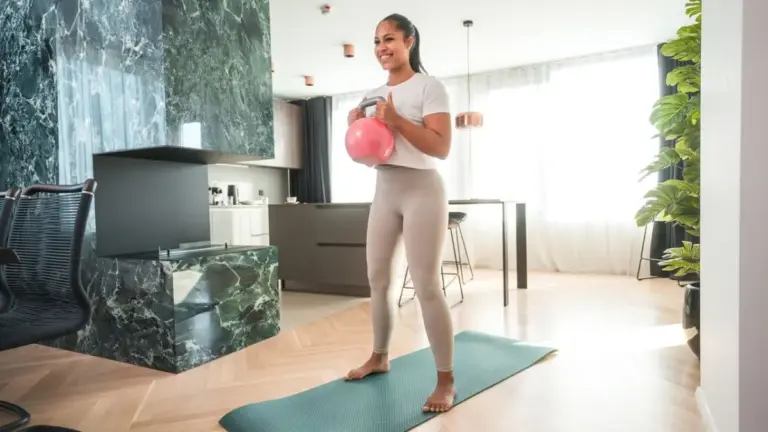
- Smart Starter Outfits: A classic pair of breathable joggers with an elastic waistband paired with a fitted sports bra or supportive tank top creates a foolproof foundation. If your studio tends to fluctuate in temperature, bring a crewneck sweatshirt (avoiding hoodies, which bunch up awkwardly during inversions).
Dressing for the Elements: Cold vs. Hot Weather
- Winter Sessions: Layering is your greatest ally when temperatures drop. Senior Editor and yogi Sam Reed suggests wearing looser sweatpants and crewneck sweatshirts over a skin-tight base layer of yoga wear. "They can be easily removed during class—and even used as props," she notes. Stylish track pants and retro trainers complete a street-style look that transitions effortlessly from the elements to the mat.
- Summer & Heat: When ambient temperatures soar, prioritizing moisture-wicking fabrics is essential. While yoga shorts offer maximum ventilation, opt for high-rise, breathable wide-leg trousers (such as Alo Yoga’s Breezy Wide Leg Pants) if you are prone to chafing or prefer not to constantly adjust shorter hemlines. Always pack a lightweight linen or cotton button-down to throw on over your tank top if studio air conditioning proves aggressive.
Tailoring Your Wardrobe to Yoga Modalities
1. Hot Yoga (90°F to 105°F)
In environments designed to induce heavy perspiration, heavy fabrics quickly become waterlogged and uncomfortable.

- Best Choices: Minimalist sports bras, moisture-wicking bike shorts, and lightweight mesh tanks (such as Gymshark’s Mesh Sleeveless Tank with Shelf) that promote maximum airflow.
- Key Lesson: Leave the thick compression leggings at home. When the room is heated past 90 degrees, less fabric is virtually always more.
2. Yin and Restorative Yoga
Characterized by long-held, passive floor stretches, gentle props, and deep relaxation, Yin yoga requires a radically different sartorial approach.
- Best Choices: Maximum coziness is the priority. Opt for velvety-soft fabrics like Beyond Yoga’s Spacedye collection, oversized crewnecks, plush joggers, and warm scarves or blankets. Because heart rates remain low and sweating is minimal, you can comfortably stay wrapped in warm layers throughout the entire duration of the class.
3. Vinyasa and Power Flow (Inversion-Heavy Classes)
Flow classes that feature rapid transitions, arm balances, and repeated inversions demand security and stability.
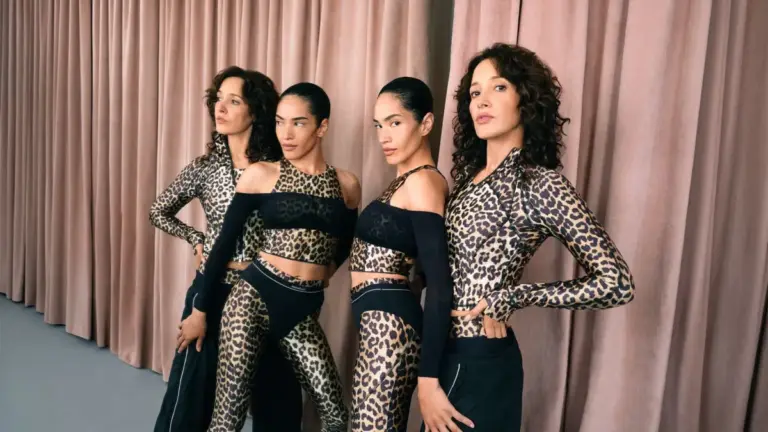
- Best Choices: Form-fitting matching sets, high-support sports bras, and secure leggings that will not roll down or shift when your heart is elevated above your head.
- What to Avoid: Loose, oversized shirts that tumble over your face during forward folds; excessive dangling jewelry; and slippery fabrics that compromise your grip during arm balances. Always secure long hair with a reliable elastic tie or claw clip.
Seamlessly Transitioning from Studio to Street
For those balancing a packed social calendar, turning a workout ensemble into an intentional, polished daytime outfit is entirely achievable.

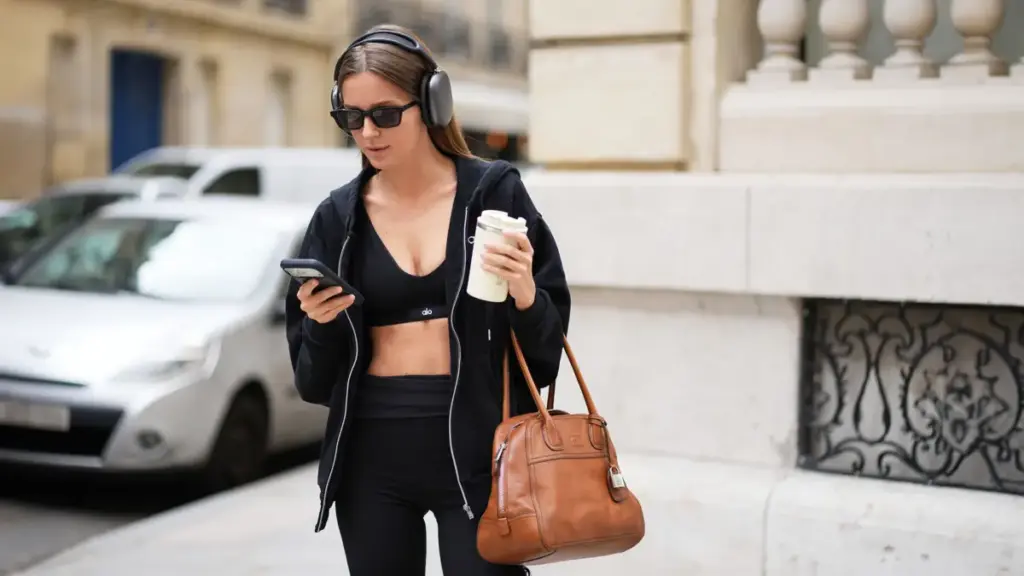
- Pair a cropped long-sleeve top (like the Alo Finesse Long Sleeve) or a high-neck seamless bra with a structured pair of straight-leg denim or tailored trousers.
- Accessorize with elevated everyday pieces—such as a leather crossbody bag, minimalist gold jewelry, or sleek outerwear—and trade your bare studio feet for chic boots, loafers, or statement trainers.
Future Outlook: Sustainability, Innovation, and the Mat of Tomorrow
As the activewear market continues to expand, the future of yoga apparel is increasingly defined by technological innovation and environmental consciousness. Consumers are demanding greater transparency from brands regarding material sourcing, ethical manufacturing, and circular lifecycles.
Eco-Conscious Textiles
The industry is experiencing a rapid shift away from virgin petroleum-based synthetics toward recycled polyester, biodegradable plant-based fibers, and organic cotton blends. Brands are investing heavily in closed-loop production systems that reduce water waste and microplastic shedding during washing cycles.
Smart Activewear Integration
Looking ahead, smart textiles equipped with biometric sensors are poised to enter the wellness space. While purists may argue that yoga is fundamentally about tuning into internal sensations rather than relying on external data, smart-thread technology that monitors breath rate, muscle engagement, and spinal alignment could soon offer real-time feedback to practitioners looking to refine their form safely at home or in the studio.

Ultimately, however, the core philosophy of yoga apparel remains unchanged. As Cassie Ray reminds us: "Yoga is an exploration of our entire body—an intimate experience—using the breath to guide us and wrangling the mind to come along for the journey. It’s about feeling our bodies, noticing, witnessing, and becoming. So whatever clothing makes you feel good and doesn’t get in the way, I’d say go for that."