Executive Overview
As we journey through childhood and adolescence, falls are treated as minor inconveniences—a scraped knee or a bruised elbow quickly forgotten as we spring back to our feet. Even well into early adulthood, a misstep or a sudden trip is usually brushed off without a second thought. However, as the calendar pages turn and we enter later life, the physical dynamics of a fall change dramatically.
In older adults, a fall is no longer a trivial stumble; it can be a life-altering medical event. It carries with it the threat of severe fractures, prolonged hospital stays, a loss of independence, and a long, arduous recovery process. Consequently, maintaining stability and staying upright is nothing short of imperative for aging populations.
Yet, physiological changes that accompany the aging process often make maintaining this balance a formidable challenge. Natural declines in muscle mass, increased joint stiffness, and slower neuromuscular reaction times combine to erode our balance and body awareness. Fortunately, leading wellness experts argue that these declines are not an inescapable fate.
According to prominent yoga instructor Lauren Anderson, the gradual loss of balance experienced by many older adults is rarely a purely age-driven inevitability. Instead, it is frequently the byproduct of sedentary habits—moving less, losing muscular strength, and failing to challenge our bodies over time.
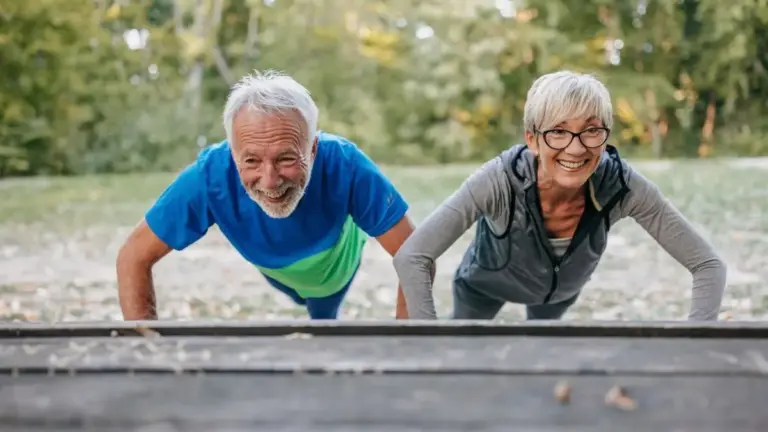
Anderson emphasizes that consistent, accessible yoga practice can reverse these trends, empowering adults well into their 60s, 70s, and beyond to dramatically improve their balance, functional strength, and confidence. By integrating foundational yoga movements into daily routines, older adults can reclaim their mobility, safeguard their independence, and fundamentally reduce their risk of devastating falls.
Detailed Chronology: The Progressive Evolution of Balance and Mobility
To understand why targeted interventions like yoga are so effective in later life, we must first trace the chronological progression of how the human body processes stability, strength, and spatial awareness across the lifespan.
Phase 1: Youth and Resilience (Ages 0–19)
During childhood and adolescence, the human neuromuscular system operates at peak adaptive efficiency. Proprioception—the body’s innate sense of relative position and movement in space—is exceptionally sharp. Muscles recover micro-tears rapidly, joints are naturally lubricated and supple, and reaction times are lightning-fast. When a child stumbles, vestibular and motor control loops correct the trajectory almost instantaneously before the center of gravity is lost.
Phase 2: Maintenance and Early Decline (Ages 20–49)
Throughout adulthood, physical stability is largely maintained through everyday movement and general physical activity. However, around the fourth decade of life, a subtle, natural process begins. Sarcopenia—the gradual, age-related loss of muscle mass and function—begins to manifest, often accelerated by sedentary desk jobs and lifestyle habits. While the effects are rarely noticeable in daily life during these years, the foundational architecture for future balance issues is quietly being laid.
Phase 3: The Critical Threshold (Ages 50–69)
As individuals cross into their 50s and 60s, the cumulative effects of muscle loss, joint stiffness, and slower reflex arcs become more pronounced. Reaction times lengthen. If an older adult steps on an uneven paving stone or misjudges a step, the neurological signal traveling from the foot to the brain, and back to the stabilizing muscles, takes a fraction of a second longer. In physics and human biomechanics, that fraction of a second is all it takes to transition from a recovered stumble to a fall.
Phase 4: Intervention and Reversal (Ages 70 and Beyond)
Crucially, the historical assumption that this trajectory is a one-way street has been thoroughly dismantled by modern physical culture and wellness research. Interventions introduced in later life—specifically functional, body-weight-bearing practices like yoga—have proven capable of halting and even reversing these physical declines. By systematically challenging proprioception, building stabilizer strength, and improving joint mobility, older practitioners can rewrite their physical futures, proving that age is not a barrier to profound physical improvement.
Supporting Context & Metrics: The Hidden Toll of Age-Related Instability
The physiological shifts that undermine balance are well-documented in sports science, physical therapy, and geriatric medicine. Understanding the underlying metrics of aging provides vital context for why targeted balance training is urgently needed.
The Anatomy of Instability
According to Lauren Anderson, two primary physiological culprits drive the age-related decline in stability:
- Sarcopenia and Joint Stiffness: As we age, we experience a natural reduction in muscle mass, particularly in fast-twitch muscle fibers responsible for rapid corrective movements. Simultaneously, synovial fluid production decreases and connective tissues become less elastic, leading to joint stiffness that limits full range of motion—especially in the hips and ankles.
- Neurological Delay: Proprioception and reaction times slow down. The brain receives delayed spatial data from the mechanoreceptors in the feet and joints, making it harder to execute the micro-adjustments required to keep the body’s center of gravity aligned over its base of support.
The Ripple Effects on Daily Life
When balance and lower-body strength fade, functional movement patterns degrade. Everyday tasks that younger individuals take for granted—such as climbing a flight of stairs, stepping over a threshold, carrying groceries, or rising from a deep armchair—become fraught with psychological hesitation. This hesitation often leads to a cycle of avoidance: individuals move less because they fear falling, and because they move less, their muscles weaken further, ironically increasing the very risk they sought to avoid.
Official Expert Insights: Three Foundational Yoga Poses for Lifelong Stability
To break this cycle of deconditioning, Anderson advocates for three accessible, highly effective yoga poses tailored to improve stability, build lower-body strength, and enhance spatial awareness. Crucially, these poses can be modified for practitioners of varying fitness levels and physical histories.
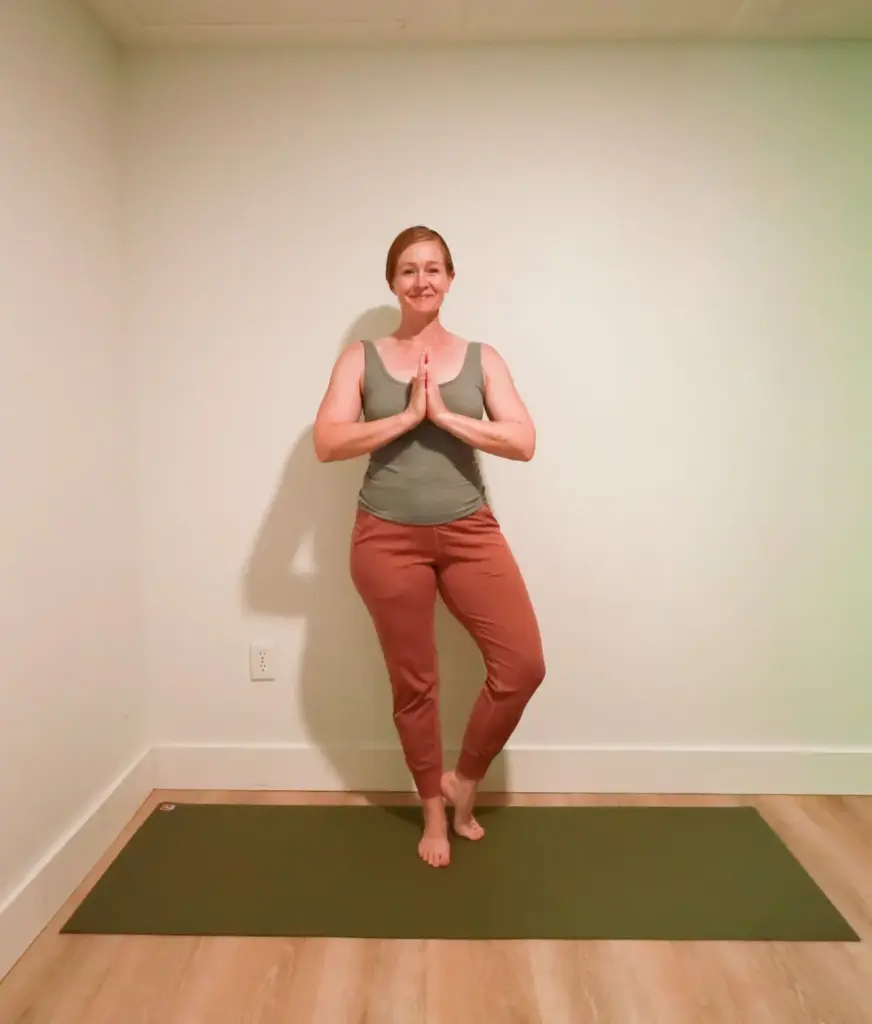
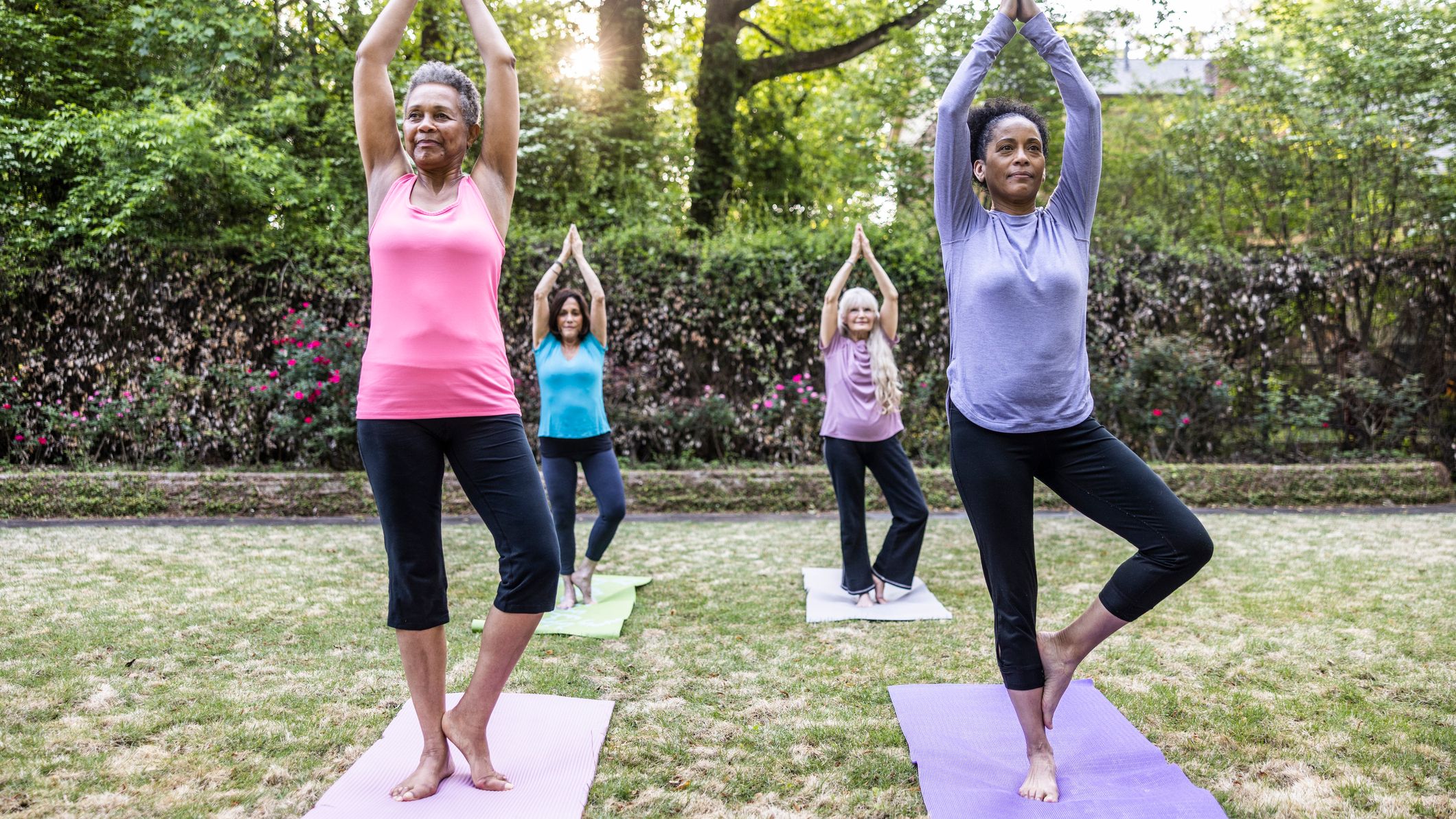
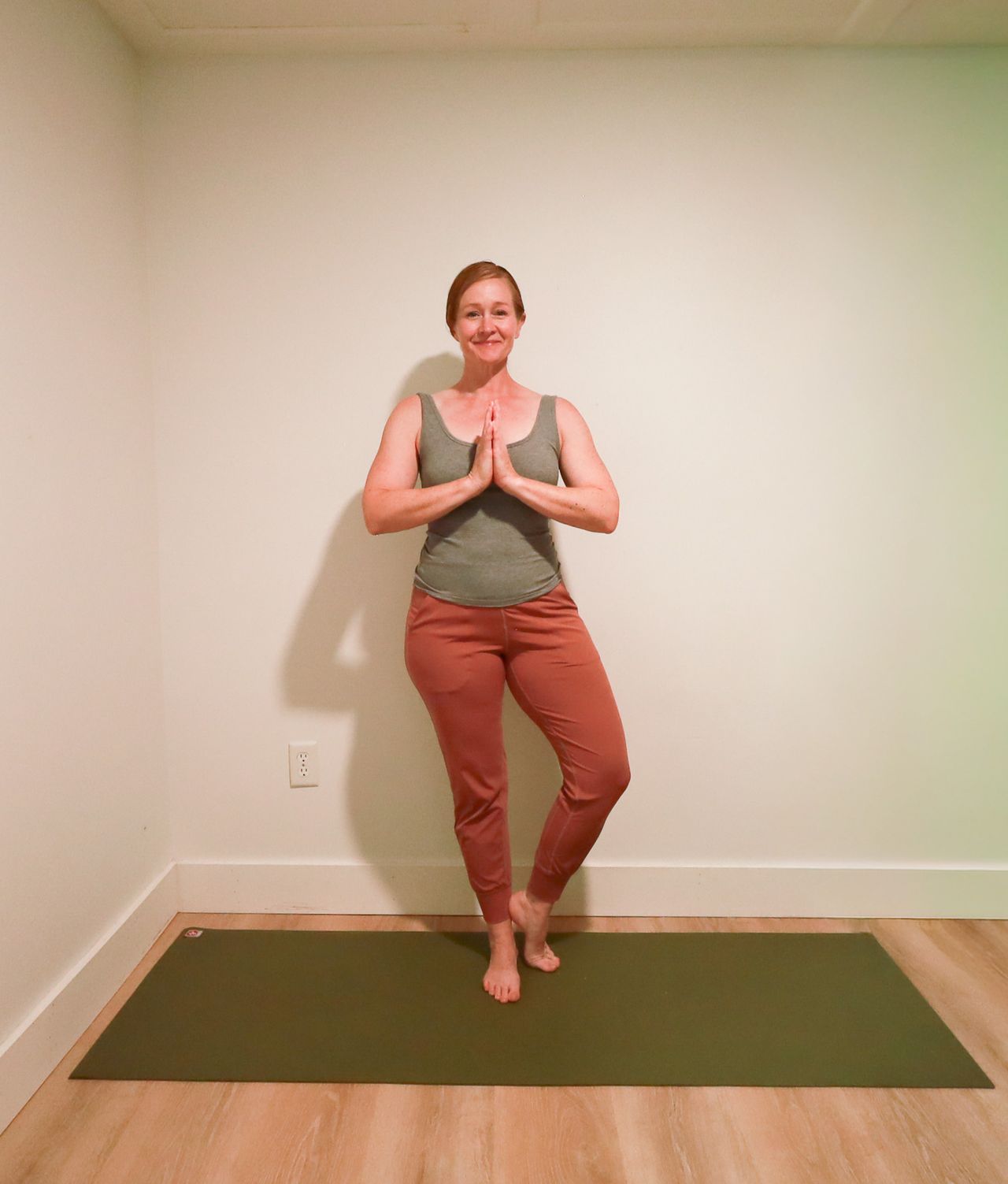
1. Tree Pose (Vrksasana)
- Primary Focus: Single-leg balance, ankle stability, core strength, and proprioception.
- Functional Benefits: Cultivating single-leg balance is vital because virtually every locomotor activity—walking, running, and climbing stairs—requires balancing on one leg for brief moments. Mastering Tree Pose enhances body awareness, directly translating to increased confidence when navigating uneven ground or stairs.
- Prescription: 2 to 3 sets per side, holding for 20 to 30 seconds, with 20 to 30 seconds of rest between sets.
- Modifications:
- To make it easier: Keep the fingertips lightly resting against a wall or a sturdy chair for stability.
- To make it harder: Challenge the vestibular system by closing one or both eyes during the hold.
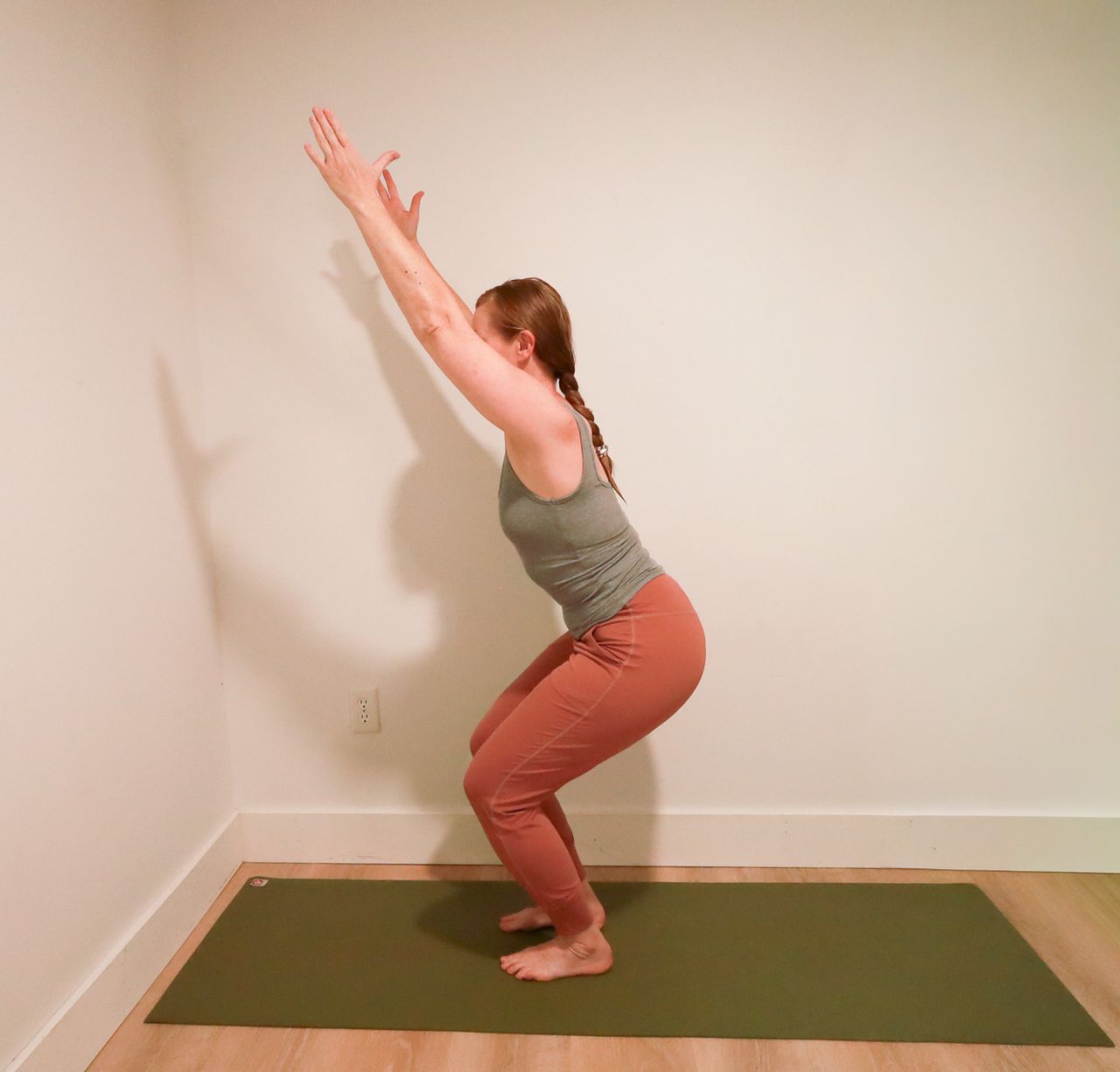
2. Chair Pose (Utkatasana)
- Primary Focus: Lower-body strength in the glutes, quadriceps, and core.
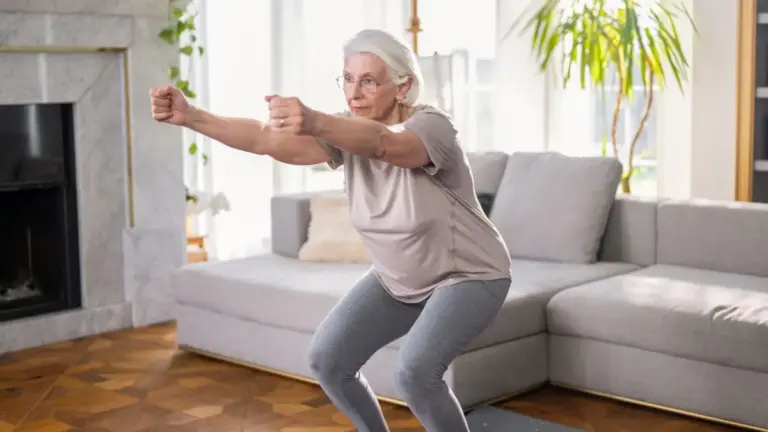
- Functional Benefits: Chair Pose directly reinforces the functional movement patterns required for standing up from a chair, getting in and out of a car, and climbing stairs. By strengthening the largest muscle groups in the lower body, practitioners create a powerful kinetic engine capable of absorbing impact and supporting the skeletal system.
- Prescription: 3 to 5 sets, holding for 15 to 30 seconds, with 30 seconds of rest between sets.
- Modifications:
- To make it easier: Practice with your back against a wall, or use a wall to support one or both hands.
- To make it harder: Elevate one or both heels, or lift one foot a few inches off the floor for several sustained breaths.
3. Supported Crescent Lunge (Ashta Chandrasana)
- Primary Focus: Hip mobility, lower-body strength, and core stability.
- Functional Benefits: Many adults suffer from severe hip tightness and restricted mobility as they age. This restricts stride length, making walking less efficient and increasing the likelihood of tripping. The Supported Crescent Lunge opens the hip flexors while safely building unilateral leg strength.
- Prescription: 2 to 3 sets per side, holding for 20 to 30 seconds, with 20 to 30 seconds of rest between sets.
- Modifications:
- To make it easier: Begin from a kneeling position rather than a high lunge, or place a sturdy chair beneath the front thigh for extra support.
Future Outlook: Redefining Aging Through Mindful Movement
As global demographics shift toward an increasingly aging population, public health initiatives are placing a renewed emphasis on preventative wellness and functional longevity. The old paradigm of treating aging as a period of inevitable physical decline is rapidly being replaced by a proactive model centered on functional fitness, neurological plasticity, and lifelong resilience.
The integration of practices like yoga into senior wellness programs represents a paradigm shift. No longer viewed merely as an esoteric spiritual practice or a workout exclusively for the flexible and young, yoga is increasingly recognized by medical professionals and physical therapists as a potent, evidence-based modality for injury prevention.
By proving that balance and strength can be actively cultivated well into our 60s, 70s, and beyond, movement educators like Lauren Anderson are helping to forge a new narrative around aging. In this future, older adults are not defined by fragility, but by poise, autonomy, and the enduring capacity to stand tall against the currents of time.