
BALTIMORE, MD — In a swift and decisive professional fallout, experimental pop and rock artist Yves Tumor has been formally removed from the lineup of Turnstile’s ongoing North American Never Enough concert tour. The abrupt dismissal follows a wave of serious sexual assault and misconduct allegations that surfaced online, originating on social media and quickly drawing widespread scrutiny from fans, industry peers, and the media alike.
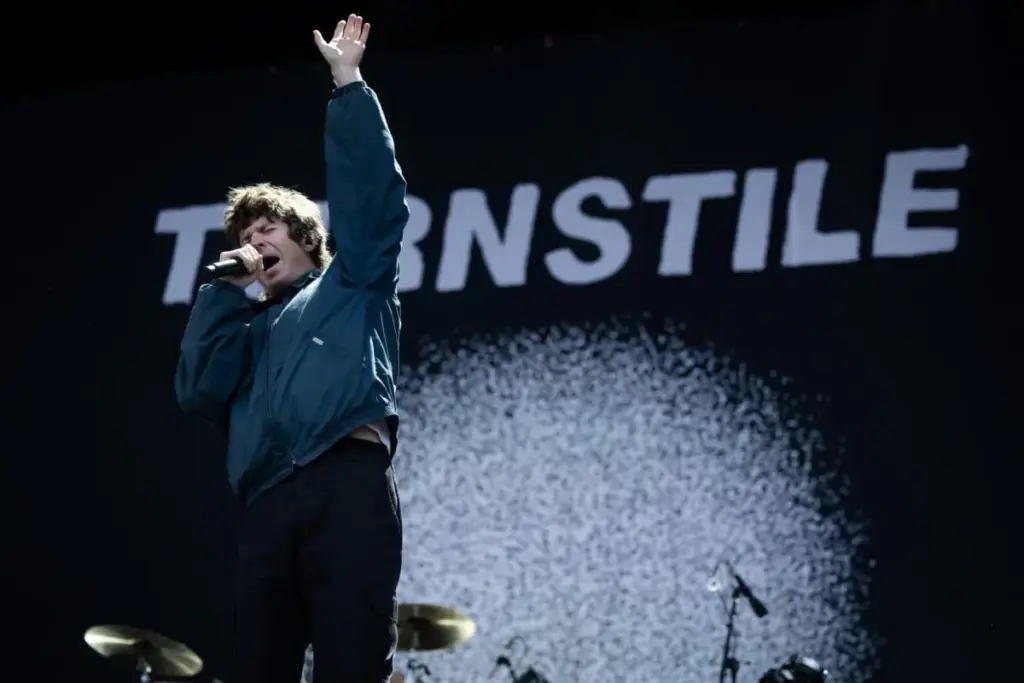
Yves Tumor—born Sean Lee Bowie—was initially slated to provide direct support for select dates on the acclaimed Baltimore hardcore band’s prominent 2026 tour. However, in the wake of mounting allegations shared publicly by multiple individuals, including fellow musicians who previously collaborated with the artist, tour organizers and management evidently deemed the association untenable.
To fill the voids left by Tumor’s sudden removal, Turnstile has moved forward by securing a diverse roster of heavyweight replacement acts across the affected regional dates, including Canadian hardcore stalwarts No Warning, alternative-rock icons Dinosaur Jr., and Tampa death metal pioneers Obituary.
This developing controversy marks a pivotal moment for both the avant-garde artist and the broader independent music community, reigniting critical conversations surrounding accountability, the vetting of touring acts, and the structural protections available to vulnerable artists and crew members within the live music industry. As details continue to emerge, the incident underscores the immediate and far-reaching professional consequences that modern artists face when confronting severe public allegations.
Detailed Chronology: From Subreddit Revelations to Industry Fallout
The chain of events leading to Yves Tumor’s removal from the Never Enough tour unfolded rapidly across late summer and early autumn, moving from niche internet forums to mainstream music journalism before culminating in direct professional action.
September 2026: The Initial Digital Disclosures
The controversy ignited when disturbing material surfaced within a dedicated online community on Reddit centered around Yves Tumor. Anonymous posts featuring photographic evidence of a visibly bruised woman began circulating widely across digital platforms. The accompanying text explicitly alleged that Sean Lee Bowie had perpetrated a violent sexual assault against someone close to the poster just days prior.
While online forums have frequently served as breeding grounds for unverified rumors, the specificity of the claims, combined with visual documentation, quickly captured the attention of independent music circles, digital sleuths, and journalists. The posts acted as a catalyst, breaking a dam of silence and emboldening other individuals within the industry to share their own troubling experiences with the artist.
Escalation: Statements from Peers and Collaborators
Following the initial digital revelations, fellow musicians came forward to corroborate a pattern of inappropriate and disrespectful behavior. Singer Angel Money publicly alleged that Tumor had once groped her while cameras were rolling, bringing a first-person account of physical boundary-crossing into the public sphere.
The allegations gained further gravity when Kidä, a vocal contributor to Tumor’s track "Lovely Sewer"—from his widely praised 2023 album Praise a Lord Who Chews but Which Does Not Consume—spoke out. Having not only contributed vocals to the record but also toured extensively as part of Tumor’s live band, Kidä offered a damning professional assessment. In a widely shared social media post, she described her tenure working alongside Yves Tumor as "one of the most disrespectful professional experiences of my career," further damaging the artist’s public standing and eroding trust within his immediate creative circle.
The Response and Deletion
As the pressure mounted, Yves Tumor broke his silence via social media to categorically deny all accusations leveled against him. In an Instagram post that has since been deleted, the artist characterized the claims as "100 per cent untrue and also completely heartbreaking." Furthermore, Tumor asserted that he would be pursuing "extreme legal action" to defend his reputation and clear his name.
However, the defensive statement remained live for only a brief period before being scrubbed from his profile entirely. The sudden deletion of the statement—coupled with a conspicuous lack of subsequent updates or formal legal filings made public—did little to quell the mounting storm of public backlash.
The Tour Realignment
As industry watchdogs and fans monitored the situation, Turnstile and their booking agents quietly executed a strategic pivot. Without issuing a formal joint press release addressing the underlying controversy, organizers systematically removed Yves Tumor’s name from all promotional materials tied to the upcoming Never Enough tour stops, replacing him with a trio of highly respected, genre-diverse acts to preserve the integrity of the live concert series.
Supporting Context & Metrics: The Never Enough Tour and Yves Tumor’s Artistic Trajectory
To fully understand the gravity of Yves Tumor’s removal, one must examine the sheer scale of Turnstile’s 2026 Never Enough tour, as well as the unique artistic footprint that Tumor has cultivated over the past decade.
The Architecture of the Never Enough Tour
Turnstile initially announced their sprawling North American headlining tour in June 2026, generating immense excitement across the punk, hardcore, and alternative music landscapes. True to their reputation for curating eclectic and culturally significant bills, the band structured the tour to feature a rotating cast of high-profile, diverse opening acts tailored specifically to individual regional markets.
The initial lineup boasted a staggering array of talent across musical spectrums, featuring legendary hip-hop acts like Clipse and Vince Staples, indie darlings like Thundercat and Slayyyter, and heavy hitters like Ceremony, Hatebreed, and Fiddlehead.
Within this ambitious framework, Yves Tumor was handpicked to provide direct support for three major metropolitan dates across the continent:
- Toronto, Ontario (September 12, 2026)
- Portland, Maine (September 26, 2026)
- Raleigh, North Carolina (September 29, 2026)
Yves Tumor’s Ascent and Artistic Impact
Operating under the moniker Yves Tumor, Sean Lee Bowie emerged over the last decade as one of the most innovative and elusive figures in modern experimental music. Hailing originally from Florida, Bowie carved out a distinct aesthetic that seamlessly blended elements of post-punk, experimental electronic music, neo-psychedelia, and avant-garde pop.
Releasing critically acclaimed projects through tastemaker independent labels like Warp Records, Yves Tumor earned widespread praise from major cultural outlets, including Pitchfork, Rolling Stone, and The Guardian. Albums such as Safe in the Hands of Love (2018) and Heaven to a Tortured Mind (2020) cemented his reputation as a visionary live performer and a vital voice pushing the boundaries of contemporary alternative music.
Collaborating with high-profile artists and securing prestigious festival slots and tour supports—such as the high-visibility gig with Turnstile—represented the apex of his commercial crossover. Consequently, the sudden derailment of this momentum through severe personal allegations represents a staggering professional setback.
The Replacement Strategy
Rather than leaving programming gaps or canceling the affected dates, Turnstile’s management curated a formidable slate of replacement acts that honor the band’s ethos of musical diversity:
- For the September 12 Toronto Date: Yves Tumor was originally scheduled to appear alongside Saya Gray and Pluto’s Kiss. Following his removal, Canadian hardcore punk veterans No Warning stepped into the slot, injecting a dose of raw, localized energy into the bill.
- For the September 26 Portland, Maine Date: Tumor was initially paired with Boston hardcore supergroup Fiddlehead. In his place, alternative-rock royalty Dinosaur Jr. were tapped to perform, bringing decades of influential noise-rock history to the stage.
- For the September 29 Raleigh Date: Tumor’s final scheduled appearance alongside Agnostic Front and Angel Du$t was re-slotted to feature Tampa death metal legends Obituary, ensuring a heavy, uncompromising sonic atmosphere for the North Carolina crowd.
Official Statements and Industry Silence
In the wake of rapid public developments, the official communications surrounding the controversy have been notably sparse, reflecting the delicate legal and public relations tightrope that artists and promoters must navigate during high-profile misconduct allegations.
The Artist’s Defense and Retraction
Yves Tumor’s initial response via Instagram stands as the sole public declaration issued from his camp regarding the allegations. By labeling the claims "100 per cent untrue and also completely heartbreaking," the artist sought to preemptively dismantle the narrative spreading across social media platforms. The inclusion of a threat regarding "extreme legal action" signaled an intent to aggressively contest the veracity of the claims made by anonymous posters and fellow musicians alike.
However, the subsequent deletion of the post has left industry analysts and fans questioning the long-term defense strategy. Legal and PR experts frequently advise public figures to refrain from spontaneous social media rebuttals, noting that deleted posts can often be interpreted as an admission of discomfort or an acknowledgment of untenable messaging. As of press time, neither Yves Tumor nor his legal representatives have issued a formal press release or filed public defamation lawsuits detailing the promised legal proceedings.
Promoter and Band Discretion
Turnstile and their booking agency have maintained a strict policy of corporate silence regarding the removal of Yves Tumor. Rather than issuing a lengthy moral statement or engaging in a public back-and-forth, the band opted for operational execution—silently updating tour graphics, notifying ticko-holders of lineup changes, and seamlessly integrating replacement acts into the itinerary.
This calculated silence illustrates a broader trend within contemporary music management: cutting ties swiftly and quietly to minimize collateral reputational damage while allowing the music and live performances to remain the primary focus for attending fans. By refusing to turn the tour into a lightning rod for internet discourse, Turnstile has successfully insulated their brand while decisively distancing themselves from the unfolding scandal.
Future Outlook: Accountability and the Live Music Landscape
As the dust begins to settle on the immediate fallout of the Yves Tumor tour removal, the incident casts a long shadow over the future of the artist’s career and prompts wider reflections on how the independent music industry handles allegations of misconduct.
The Repercussions for Yves Tumor
For an artist whose brand relies heavily on mystique, avant-garde credibility, and progressive cultural alignment, severe allegations of sexual assault carry devastating professional implications. Even in the absence of formal criminal charges or civil court rulings, the court of public opinion—and more importantly, the gatekeepers of the music industry—often act swiftly to mitigate risk.
Moving forward, Yves Tumor faces an uphill battle to regain the trust of independent booking agencies, festival organizers, and record labels. The willingness of peers like Kidä and Angel Money to speak out publicly has fractured the insular loyalty that often protects male artists in alternative music circles. Without a transparent, proactive legal defense or a verifiable exoneration, future collaborations, international tour bookings, and brand partnerships will likely remain closed off to the artist for the foreseeable future.
A Broader Reckoning for the Touring Industry
The swift removal of Yves Tumor from the Never Enough tour also highlights an evolving standard within the modern live music sector. Promoters, major bands, and festival directors are increasingly unwilling to absorb the reputational and financial risks associated with controversial supporting acts.
In an era defined by digital accountability and heightened awareness around artist safety, background vetting, tour safety protocols, and zero-tolerance policies regarding misconduct are becoming baseline expectations. Turnstile’s decisive, no-comment removal of Tumor serves as a case study in modern crisis management: act fast, protect the tour’s infrastructure, and let the music speak for itself.
As the independent music ecosystem continues to grapple with these systemic issues, the case of Sean Lee Bowie stands as a stark reminder that artistic brilliance no longer shields creators from the consequences of accountability. Whether the allegations will result in formal legal proceedings remains to be seen, but the professional verdict delivered by the live music industry has already been decisively rendered.