Executive Overview
The contemporary luxury fashion landscape is no longer driven solely by the physical garments sent down the runway; it is profoundly defined, canonized, and immortalized by the seasonal campaigns that follow. As the industry transitions into a hyper-visual, digitally saturated era, creative directors and fashion houses are leveraging high-concept imagery to anchor their collections in the cultural zeitgeist. This season’s advertising campaigns—masterminded by some of the most influential luxury brands in the world, including Loewe, Saint Laurent, Jimmy Choo, Proenza Schouler, Dolce & Gabbana, Michael Kors Collection, Versace, and Ferragamo—offer a compelling study in contrast, storytelling, and brand positioning.

Captured through the lenses of legendary photographers such as Steven Meisel, Talia Chetrit, Inez & Vinoodh, and Johnny Dufort, these campaigns transcend traditional commercial advertising. Instead, they operate as distinct artistic statements, marrying tactile textures with avant-garde spatial dynamics. From the snow-dusted, minimalist vistas of Loewe to the intimate, high-octane glamour of Versace and the cinematic, star-studded vignettes of Saint Laurent, this season’s imagery speaks volumes about where luxury fashion stands today: anchored in a synthesis of heritage craftsmanship, modern cinematic execution, and uncompromising individual identity.

This report provides an exhaustive, critical analysis of the campaigns defining the current fashion cycle, breaking down the visual motifs, directorial choices, casting decisions, and overarching aesthetic philosophies steering the upper echelons of the global design market.

Detailed Chronology: The Seasonal Campaign Rollout
The unveiling of a luxury fashion campaign is a meticulously orchestrated event, timed to bridge the gap between runway presentations and retail availability. The rollout strategy for this season followed a carefully calibrated trajectory, establishing a steady drumbeat of visual culture across global markets.

Phase One: Establishing Tone and Texture (Loewe and Proenza Schouler)
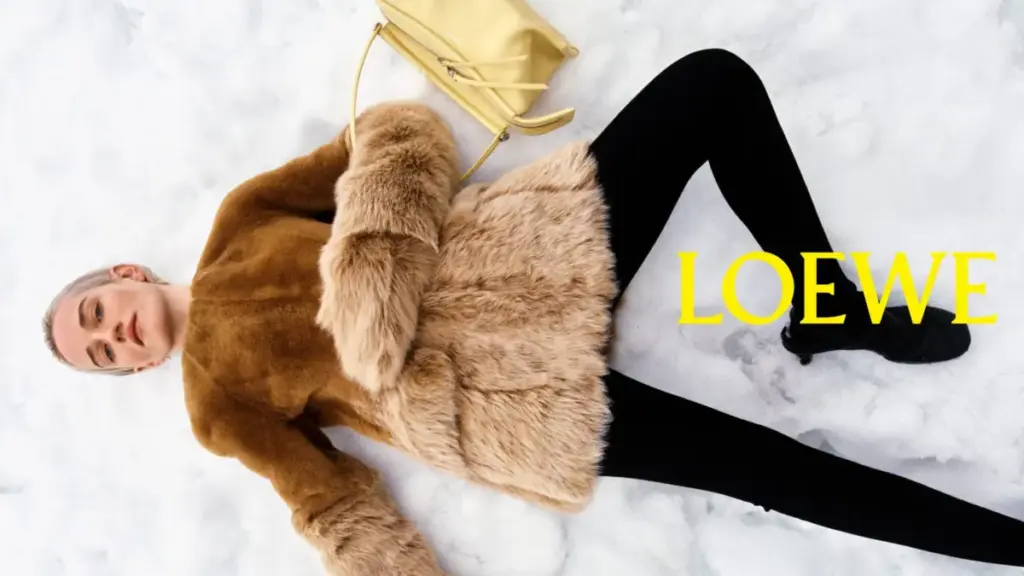
The early phase of the campaign season was defined by a stark, atmospheric approach to texture and environment. Loewe set an uncompromisingly bold standard under the creative direction of Jonathan Anderson. Photographed by Talia Chetrit, the Loewe campaign placed models against jarring yet breathtaking backdrops—ranging from snowy, frost-bitten expanses to rugged mountain terrains. The imagery highlighted oversized silhouettes, from sheepskin-lined black coats to vibrant orange outerwear, layered over textured corduroys and floral prints. The deliberate juxtaposition of heavy winter garments against stark natural landscapes immediately signaled a collection focused on permanence, tactile depth, and structural audacity.

Simultaneously, Proenza Schouler rolled out its visual narrative, also captured through Talia Chetrit’s discerning lens. Moving away from the rustic outdoors, Proenza Schouler anchored its narrative in sophisticated urban minimalism. Models were framed against textured architectural walls, casting dramatic shadows that emphasized the immaculate tailoring of wool coats, structured skirts, and fluid olive-green blazers layered over black turtlenecks. A striking interlude—a vibrant red dress splashed with blue floral patterns and crisp white accents—added a jolt of color to the otherwise subdued, earthy palette, demonstrating a masterclass in urban day-to-night dressing.

Phase Two: Cinematic Star Power and Narrative Intrigue (Saint Laurent and Jimmy Choo)
As the season progressed, houses leaning heavily into narrative and celebrity-driven allure dominated the media cycle. Saint Laurent unveiled a star-studded cast featuring Connor Storrie, global music phenomenon Rosé, and supermodel icon Liu Wen. The campaign eschewed traditional outdoor scenery in favor of refined, moody interior spaces. Posing beside modern spiral staircases and against dark, minimalist seating arrangements punctuated by architectural floral installations, the cast embodied the effortless, nocturnal cool that has become synonymous with the Saint Laurent ethos.

In parallel, Jimmy Choo released a series of glamorous, high-contrast vignettes. Starring models draped in tailored trench coats, luxurious black dresses, and sleek accessories, the imagery utilized ornate mirrors and richly textured backgrounds to create an atmosphere of private, unhurried luxury. The campaign leaned into classic cinematic tropes, positioning the Jimmy Choo wearer as a glamorous protagonist moving through an opulent, private world.

Phase Three: Maximalism, Heritage, and Dramatic Flair (Dolce & Gabbana, Michael Kors, Versace, and Ferragamo)
The final wave of the campaign season erupted in pure maximalism and high-fashion drama, dominated by legendary image-makers. Dolce & Gabbana enlisted master fashion photographer Steven Meisel to capture a series of dynamic, interactive group portraits. Set against clean, neutral backgrounds, the campaign featured pairs of stylish individuals and models engaging in lively, kinetic poses. The garments—a study in Italian tailoring, luxurious lace tops, sleek black dresses, and statement trench coats—were elevated by the palpable chemistry and narrative tension between the subjects.

In New York, Michael Kors Collection turned to the iconic duo Inez & Vinoodh to lens a series of high-energy, joyful portraits. Featuring models in shimmering sequined feathered ensembles, fluid satin pieces, and dramatic black evening dresses, the campaign broke away from traditional stoic posing. Instead, the imagery captured mid-movement elegance, with models smiling, laughing, and kicking up their heels against minimalist backdrops, translating the buoyant energy of an exclusive evening out into static frames.

Versace mirrored this high-octane energy through Steven Meisel’s lens, subverting expectations by placing models in striking red leather trousers directly onto lush purple and blue carpets. The compositions were playfully cluttered with high-fashion magazines and strewn flowers, evoking a sense of glamorous chaos—a private dressing room abandoned after a night of celebration.

Finally, Ferragamo rounded out the season under the creative vision of Maximilian Davis, with photography by Johnny Dufort. Starring supermodel Vittoria Ceretti lounging regally in a liquid-gold gown upon a sculptural chair, the campaign was framed by an intricate maze of mirrors reflecting both the model and an archive of pristine footwear. The result was a surreal, self-referential exploration of legacy, reflection, and modern elegance.

Supporting Context & Metrics: The Economics of High-Fashion Imagery
To understand why luxury houses invest millions of dollars into these seasonal campaigns, one must examine the shifting economics of fashion marketing. In an age dominated by digital algorithms, short-form video, and instant commerce, traditional advertising has evolved from print-exclusive gatekeeping into a multi-channel digital asset strategy.

The Shift from Print to Omnichannel Engagement
Historically, a luxury campaign’s success was measured by its placement in September issues of glossy magazines. Today, these campaigns serve as the foundational source code for a brand’s entire digital ecosystem. According to luxury retail analysts, top-tier houses allocate upward of 25% to 35% of their total marketing budgets to campaign production, casting, and multi-platform distribution.

The Power of Cultural Crossover and Casting
The strategic selection of campaign stars is heavily data-driven yet artistically motivated. The inclusion of global cultural icons—such as Blackpink’s Rosé for Saint Laurent or veteran supermodels like Liu Wen and Vittoria Ceretti—guarantees immediate cross-demographic engagement.

- Earned Media Value (EMV): Campaigns featuring globally recognizable music and film stars routinely generate millions of dollars in EMV within the first 48 hours of digital release. For instance, announcements featuring K-pop ambassadors often spike online engagement by over 300% compared to traditional model-only campaigns.
- The Halo Effect: High-concept imagery directly influences accessory sales—particularly handbags and footwear. Campaigns like those from Jimmy Choo and Loewe use meticulous prop styling and framing to draw the viewer’s eye directly to hero products (such as structured top-handle bags and statement boots), driving immediate pre-order conversion rates.
Official Statements & Creative Visions
The narrative depth of these campaigns is best understood through the philosophies of the creative directors and photographers who brought them to life.

While fashion houses often let the visuals speak for themselves, the artistic intent behind this season’s output points toward a collective desire for emotional resonance and uncompromising individuality.

- On Spatial Dynamics and Texture: Creative directors like Jonathan Anderson (Loewe) have consistently emphasized the importance of grounding tactile craft in unpredictable environments. By placing artisanal, heavy-duty garments in freezing, natural landscapes, the brand communicates a message of resilience and timeless utility.
- On Intimacy and Character: Photographers like Steven Meisel and Inez & Vinoodh continue to redefine modern portraiture by capturing moments of psychological interaction rather than static perfection. Whether through the playful chaos of Versace’s magazine-strewn sets or the intimate chemistry of Dolce & Gabbana’s duos, the focus has shifted from clothes as objects to clothes as extensions of personal narrative.
- On Cinematic Elegance: The integration of film-adjacent talent—such as Connor Storrie alongside established runway icons—reflects the blurring lines between Hollywood and high fashion. As houses like Saint Laurent prove, the modern luxury consumer does not just want to buy a garment; they want to inhabit a character, a mood, and a lifestyle.
Future Outlook: Where Luxury Campaigns Are Heading
As the fashion industry looks toward upcoming seasons, the insights gleaned from this cycle’s visual strategies point toward several key trends that will shape the future of luxury marketing:

- Hyper-Personalization and World-Building: Brands will increasingly move away from generic studio shoots in favor of immersive, narrative-driven worlds. Consumers are demanding emotional authenticity, prompting houses to invest in cinematic storytelling that feels less like an advertisement and more like an independent film or art installation.
- The Blending of Physical and Digital Realities: While tactile photography by legendary masters like Meisel and Chetrit remains the gold standard, the integration of digital-first extensions—augmented reality campaign walkthroughs, interactive digital lookbooks, and behind-the-scenes documentary shorts—will become mandatory components of every major luxury rollout.
- Sustainability in Production: With ecological concerns increasingly weighing on consumer consciousness, luxury brands are rethinking the logistics of global campaign shoots. Expect a rise in localized production, virtual set design (utilizing advanced LED volumes similar to those used in modern filmmaking), and long-lifecycle asset creation that reduces the carbon footprint of seasonal advertising.
Ultimately, this season’s campaigns demonstrate that fashion imagery remains one of the most potent cultural mirrors of our time. By fusing uncompromising craftsmanship with visionary photography, luxury houses continue to prove that clothing is merely the canvas; the campaign is where the myth is born.