Executive Overview
The landscape of professional sports broadcasting is undergoing a seismic, structural shift. For decades, the rights to broadcast association football matches were locked behind legacy television networks, monopolistic cable packages, and traditional subscription-only sports tiers. However, the convergence of digital creators, streaming-first platforms, and direct-to-consumer digital ecosystems has permanently disrupted this paradigm.
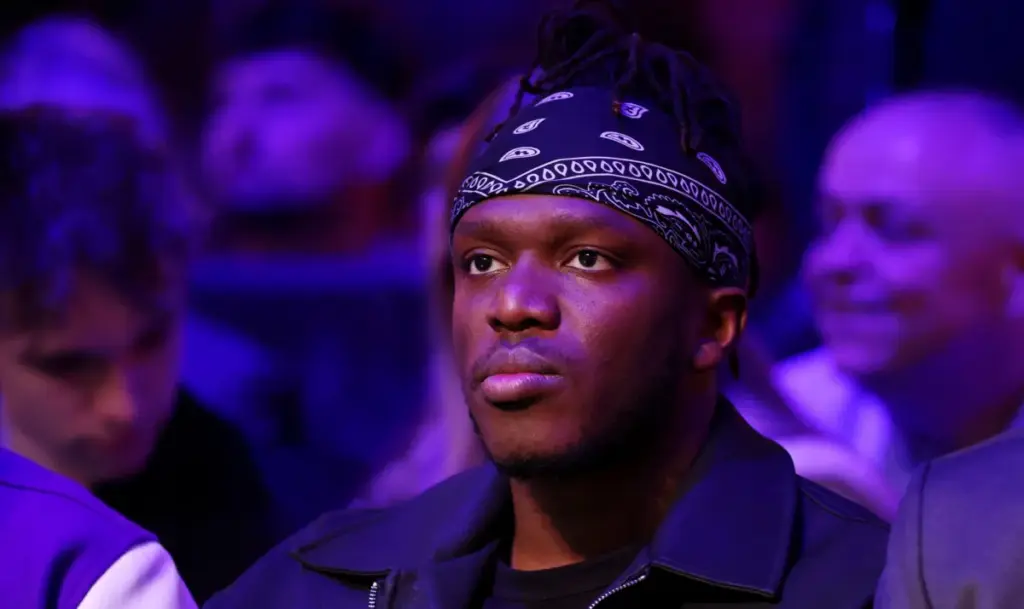
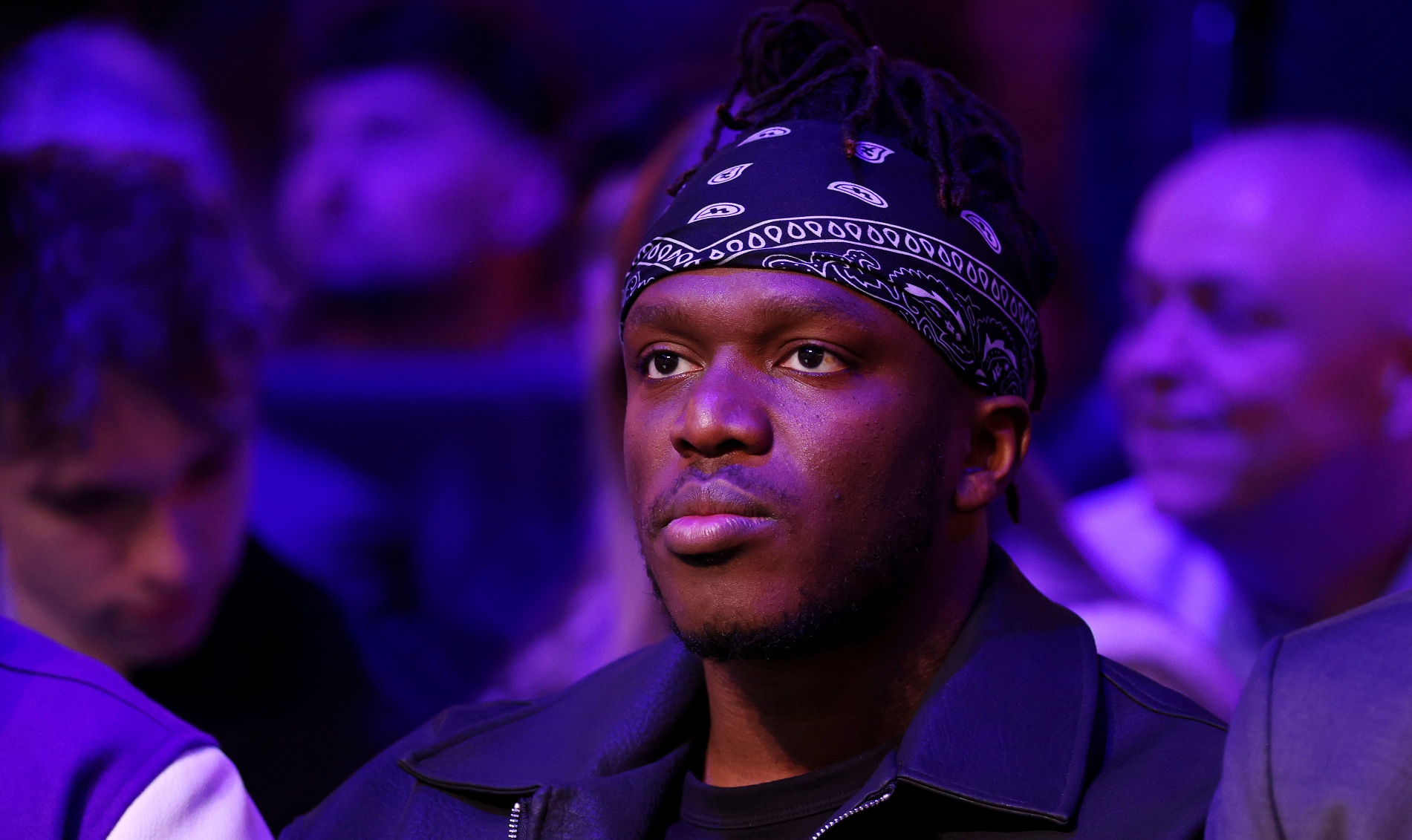
At the epicenter of this revolution is British internet icon, entrepreneur, and entertainer KSI (Olajide Olayinka Williams Olatunji). As the 2026–27 football season approaches, the Greater London club Dagenham & Redbridge FC—affectionately known as "Dag & Red"—is preparing for a campaign unlike any in its history. In a groundbreaking tripartite agreement forged between the National League South (the sixth tier of English football), DAZN, and the creator himself, KSI has secured the broadcasting rights to stream matches for the club he co-owns.
This is not merely a localized media rights deal for a lower-league team; it is a masterclass in modern sports monetization and brand synergy. By integrating digital-native storytelling, exclusive behind-the-scenes access, innovative production formats, and global creator distribution networks, KSI is bypassing traditional gatekeepers. Drawing inspiration from the blueprint laid by Ryan Reynolds and Rob McElhenney at Wrexham A.F.C., yet upgrading that model with native digital execution—similar to the record-shattering World Cup broadcasts by Brazilian creator CazéTV—KSI is attempting to prove that the future of sports media belongs to creators. This exhaustive analysis explores the mechanics of the deal, its historical context, the financial implications for non-league football, and what it means for the future of sports entertainment.
Detailed Chronology: From Internet Icon to Lower-League Custodian
To understand the weight of the new broadcasting arrangement, one must trace the timeline of how a digital creator became deeply embedded in the pyramid of English football.
The Sidemen Era and Early Sports Ventures
For years, KSI was globally recognized as a core member of the Sidemen, a collective of British YouTubers who built an unprecedented digital empire encompassing clothing lines, fast-food chains (Sides), and massive collaborative content properties. Concurrently, KSI forged a parallel path in combat sports and music, headlining massive crossover boxing events—frequently broadcast via DAZN—and charting hit singles.
However, his interest in traditional sports steadily deepened. Through charity matches organized by the Sidemen, KSI and his cohorts demonstrated an uncanny ability to sell out iconic stadiums like Wembley and the London Stadium, drawing millions of concurrent digital viewers and proving that internet personalities possessed greater drawing power than many traditional sporting events.
March 2026: The Dagenham & Redbridge Takeover
The critical turning point occurred in March 2026, when an investment group featuring KSI officially acquired a stake in Dagenham & Redbridge FC. Playing out of Victoria Road in East London, Dag & Red carried a proud history within the English football pyramid but suffered from the chronic underfunding and limited media visibility that plagues the non-league tiers.
While celebrity ownership was no longer a entirely novel concept in English football—largely due to the "Wrexham Effect"—KSI’s entry marked the first time a tier-one digital native creator took structural ownership of a historic English club with the explicit intention of rebuilding its media infrastructure from the ground up.
The 2026 World Cup Catalyst: CazéTV’s Blueprint
The summer of 2026 provided an undeniable proof-of-concept for creator-led sports broadcasting. During the World Cup, Brazilian digital phenomenon CazéTV secured official broadcast rights to tournament matches, shattering global viewership records and engaging younger demographics who have largely abandoned linear television. CazéTV’s triumph signaled a permanent shift: fans no longer simply want to watch a sterile feed of a match; they want contextualized, personality-driven, interactive coverage that speaks their language.
August 2026: The DAZN and National League Partnership
Capitalizing on the momentum generated by the summer’s digital broadcasts, KSI finalized a multi-party distribution agreement heading into the 2026–27 season. Announced in August, the deal bridges the National League South, DAZN, and KSI’s own media channels. DAZN, leveraging its historic relationship with KSI from his high-profile boxing bouts, stepped in as the technical and global distribution backbone. Under this agreement, a curated selection of Dag & Red fixtures will be broadcast globally, supported by complementary shoulder content, documentary-style features, and interactive digital formats designed to turn local non-league fixtures into international events.
Supporting Context & Metrics: The Economics of Non-League Football
To evaluate the feasibility and ambition of KSI’s strategy, one must examine the stark economic realities of the English football pyramid outside the lucrative English Premier League and the EFL Championship.
The Financial Chasm of the National League South
Dagenham & Redbridge currently competes in the National League South, the sixth tier of the English football pyramid. At this level, clubs operate on tight margins. Gate receipts, local sponsorships, and modest solidarity payments from governing bodies usually constitute the entirety of a club’s revenue stream. Without external capital or innovative revenue-generation models, climbing through the divisions—from the National League up to EFL League Two, League One, the Championship, and ultimately the Premier League—is an uphill battle against deeply entrenched financial disparities.
The Wrexham Model vs. The Digital-Native Advantage
When Hollywood actors Ryan Reynolds and Rob McElhenney purchased Wrexham A.F.C. in 2020, they faced a similar predicament. Their masterstroke was the creation of the FX docuseries Welcome to Wrexham. By opening up the emotional, human-interest stories of the town and the club to a global audience, they transformed Wrexham into a global brand. Merchandise sales skyrocketed, international sponsorships poured in, and the club’s valuation and matchday revenue surged, directly funding player acquisitions that propelled the Welsh side toward the upper echelons of the English game.
However, as industry analysts note, Reynolds and McElhenney are traditional media outsiders who relied on traditional television networks (FX/Hulu/Disney+) to distribute their narrative.
KSI possesses a structural advantage: he is a digital-native creator. He does not need to pitch a multi-million-dollar concept to network executives or wait years for a traditional television production cycle. He understands algorithmic distribution, audience retention on mobile devices, real-time community engagement, and short-form amplification via TikTok, YouTube Shorts, and Instagram Reels.
Global Reach Meets Local Community
The metrics surrounding creator-led sports content point to massive untapped potential. While a standard National League South match might traditionally attract an in-person attendance of a few thousand passionate locals, streaming the fixture through DAZN and supplementing it with KSI’s digital ecosystem instantly exposes the club to millions of subscribers worldwide.
| Metric / Dimension | Traditional Non-League Club Model | The KSI / Dag & Red Streaming Model |
|---|---|---|
| Primary Distribution | Local matchday attendance & regional radio | Global streaming via DAZN + Creator Channels |
| Monetization Streams | Ticketing, matchday concessions, local sponsors | Global merch, digital subscriptions, global sponsorships, ad revenue |
| Audience Engagement | Passive viewing / in-person attendance | Active community participation, chat integration, companion content |
| Content Lifecycle | 90 minutes on matchday | Year-round serialized storytelling & daily short-form clips |
Official Statements & Industry Perspectives
The partnership has generated widespread commentary across both the sports broadcasting industry and the digital creator economy. Stakeholders have emphasized that this deal is a bellwether for how sports properties will negotiate media rights in the future.
In an official statement detailing the partnership, KSI emphasized the community-driven ethos of the venture:
"Football has always been about bringing people together, and this partnership gives us the chance to tell the stories that don’t always get the spotlight. Dagenham and Redbridge has an incredible community behind it, and we are going to bring fans closer to the club than ever before while introducing millions of people to what makes non-league football so special."
Industry analysts observing the deal have noted that the integration of DAZN—a platform deeply familiar with both traditional combat sports and modern digital distribution—provides the necessary institutional credibility to satisfy the National League while giving KSI the creative freedom to experiment with non-traditional production formats.
Sports media consultants have highlighted that traditional broadcasters are increasingly losing their grip on younger demographics. By positioning a sixth-tier football club on a global streaming app with a creator at the helm, the partnership bypasses traditional geographic limitations. A teenager in Tokyo or São Paulo can now develop the same emotional attachment to Dagenham & Redbridge as a lifelong resident of East London, provided the storytelling successfully bridges the gap between local heritage and global digital culture.
Future Outlook: Can Dag & Red Reach the Premier League?
The ultimate benchmark for celebrity-owned football clubs in the modern era is the elusive dream of reaching the English Premier League. While Wrexham has blazed a trail toward the upper tiers, the journey from the sixth tier (National League South) to the Premier League requires navigating four grueling promotions through intensely competitive leagues.
Production Innovation and Fan Integration
As the 2026–27 season unfolds, all eyes will be on how KSI and DAZN execute the matchday broadcasts. Observers anticipate innovative production formats that break away from traditional, sterile commentary boxes. Expect to see guest creators, real-time fan interactions integrated into the live broadcasts, tactical breakdowns tailored to digital natives, and unvarnished, behind-the-scenes access chronicling the triumphs and heartbreaks of players who balance professional football with everyday lives.
Financial Sustainability and Squad Investment
The revenue generated from global streaming subscriptions, elevated international merchandise sales, and modern corporate sponsorships will be funneled directly back into Dagenham & Redbridge. In the lower tiers of English football, financial injection can rapidly accelerate infrastructural improvements, training facilities, and player quality. If KSI can successfully monetize his massive digital footprint—converting a fraction of his tens of millions of followers into paying digital consumers or matchday merchandise buyers—Dag & Red will possess a financial war chest envied by clubs twice their size.
The Broader Implications for Sports Media
Beyond the immediate fortunes of Dagenham & Redbridge, this partnership serves as a high-stakes test case for the entire sports industry. If a digital creator can successfully leverage streaming platforms to elevate a non-league club into a global entertainment brand, expect professional sports leagues across all disciplines and tiers to fundamentally rethink how they sell media rights.
The traditional model—where rights are hoarded by legacy television networks—is steadily giving way to an era where athletes, creators, and direct-to-consumer platforms dictate the terms of engagement. Should KSI succeed in his audacious quest to take Dag & Red up the football pyramid, history will record the 2026–27 season as the moment the creator economy officially conquered the beautiful game.