Executive Overview
For years, the phrase “nervous system regulation” occupied a precarious space in the cultural lexicon. Sitting squarely alongside commercialized buzzwords like “mindfulness” and “self-care,” it was easily dismissed by skeptics as another abstract marketing vehicle designed to sell crystal rollers, adaptogenic powders, and unnecessarily complex wellness regimes. To the uninitiated, the human nervous system felt like a distant, untouchable concept—something for neuroscientists to ponder, not something requiring daily maintenance.
That perspective, however, changes radically in the face of chronic illness. When the body breaks down under the weight of persistent stress, burnout, or systemic fatigue, the nervous system ceases to be an abstract entity. Instead, it reveals itself for what it truly is: a complex, high-stakes biological control center governing everything from immediate stress reactions to long-term somatic equilibrium.
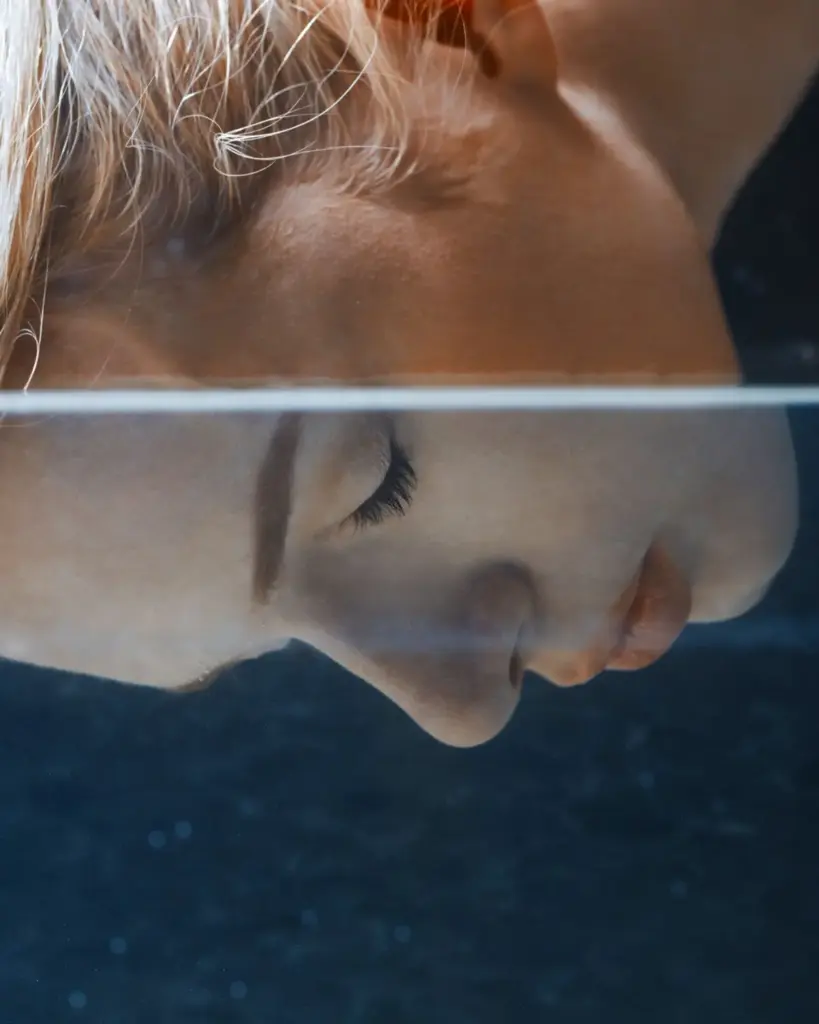
As society grapples with an epidemic of chronic stress, a cottage industry of “hacks” has emerged promising rapid relief. Among these, one method has risen above the noise to capture the attention of both TikTok creators and clinical researchers alike: dunking the face in ice water.
Proponents claim that this visceral morning ritual acts as a shortcut to calm, stimulating the vagus nerve to force an immediate shift from a high-alert sympathetic state into a restorative parasympathetic mode. But does this viral trend hold up under empirical scrutiny, or is it merely another fleeting ritual destined for the wellness graveyard?
To find out, this publication undertook a rigorous, two-week self-experimentation protocol. Supported by physiological science, expert insights, and daily tracking, this investigation explores the mechanics, the friction, and the ultimate utility of the ice-water facial dunk.
Detailed Chronology: A Two-Week Immersion Diary
Testing a nervous system intervention requires more than a casual trial; it demands consistency, discomfort, and observation. Plunging one’s face into a freezing bowl of water first thing in the morning—long before the brain is fully awake—is far from a gentle awakening. Yet, strict adherence to the protocol revealed a distinct, phased psychological and physiological evolution.
Week One: Shock, Resistance, and the Awakening of the Vagus Nerve
The first seven days were defined entirely by resistance. The human body is naturally averse to thermal shock, and waking up to sub-zero water temperatures is antithetical to comfort.
[Morning Routine Shift: Week 1]
Wake Up -> Elevated Cortisol/To-Do List Anxiety -> Ice Water Bowl Preparation
-> 15-Second Submersion -> Vagus Nerve Stimulation -> Immediate Parasympathetic Shift
Every morning before engaging with the day, a wide-brimmed bowl was filled with filtered tap water and a dense lattice of ice cubes, targeting the recommended duration of 15 seconds of continuous immersion.
- The Initial Reaction: The first contact was consistently jarring. The mammalian dive reflex immediately triggered a breath-holding panic, and the primitive instinct to yank the face out of the water screamed for attention. The sensation was distinct from a full-body cold plunge; it was localized, acute, and intensely shocking to the trigeminal nerve endings clustered across the face.
- The Adaptation Phase: By day three, however, a fascinating physiological shift occurred. The body began to anticipate the drop in temperature. While the initial shock remained, the panic subsided much faster. Within five to seven seconds of submersion, a strange stillness took over.
- The Emerging Calm: Rather than the surging, high-octane dopamine hit associated with intense cardiovascular exercise or full-body cold-water swimming, the ice dunk produced a muted, spreading wave of tranquility. Mornings typically characterized by an immediate, cortisol-fueled sprint through mental to-do lists were abruptly interrupted. The ice water acted as a biological circuit breaker, halting the frantic morning neurological loops and replacing them with a grounded, measured baseline.
Furthermore, a welcome aesthetic side effect quickly became apparent: immediate, pronounced facial de-puffing. It quickly became clear why high-profile figures like Hailey Bieber, Bella Hadid, and Kate Moss rely on ice therapy as a foundational step in their pre-makeup regimens. Wake up, dunk, reset.
Week Two: Routine, Integration, and Realistic Boundaries
By the second week, the practice had transitioned from a challenging chore into an ingrained habit—as routine as brushing one’s teeth or brewing morning coffee.
- Frictionless Execution: Recognizing that hauling ice cubes from the freezer every morning introduced unnecessary friction, the process was streamlined. Keeping a designated stainless-steel bowl permanently in the freezer allowed for rapid execution simply by adding cold tap water. For those on an even tighter schedule, running large ice cubes directly across the facial contours yielded similar, albeit less immersive, results.
- Refining Expectations: Week two brought clarity regarding what the ice-water dunk can—and cannot—achieve. While the morning routine consistently lowered early-day stress levels, it became abundantly clear that facial icing is not a magic bullet. It cannot erase the psychological fallout of a grueling commute, cure generalized anxiety disorder, or single-handedly resolve long-term burnout.
- Holistic Placement: Instead of viewing the ice dunk as a standalone cure-all, it established itself as a powerful complementary tool. When paired with deliberate breathwork and lifestyle pacing, it provided a tangible anchor for somatic regulation. While this experiment did not transform the subject into a serene, unflappable zen master, it indisputably moved the needle away from chronic hyperarousal.
Supporting Context & Metrics: The Science of the Dive
To understand why a bowl of ice water can alter emotional state within seconds, one must examine the neurobiology underpinning the practice. The human body features an evolutionary survival mechanism known as the mammalian dive reflex, which is hardwired to conserve oxygen and protect vital organs when exposed to sudden cold environments.
The Vagus Nerve and Parasympathetic Activation
At the heart of this response lies the vagus nerve—the longest cranial nerve in the body, stretching from the brainstem down through the neck, chest, and abdomen. The vagus nerve is the primary superhighway of the parasympathetic nervous system (often referred to as the "rest and digest" system), counterbalancing the stress-driven sympathetic nervous system (the "fight or flight" response).
+-----------------------------------------------------------------+
|                    MAMMALIAN DIVE REFLEX                        |
+-----------------------------------------------------------------+
                                |
                                v
               [ Cold Water Contact on Face/Skin ]
                                |
                                v
           [ Stimulation of Trigeminal & Vagus Nerves ]
                                |
          +---------------------+---------------------+
          |                                           |
          v                                           v
[ Immediate Bradycardia ]                 [ Vasoconstriction ]
(Drop in Heart Rate)                     (Blood Redirected to Core)
          |                                           |
          +---------------------+---------------------+
                                |
                                v
         [ Shift from Sympathetic to Parasympathetic ]
             ("Fight or Flight" -> "Rest & Digest")
When ice-cold water makes contact with the thermosensitive receptors in the skin of the face, it triggers immediate physiological adjustments:
- Bradycardia: A rapid and significant reduction in heart rate.
- Peripheral Vasoconstriction: Blood vessels near the skin constrict, redirecting oxygenated blood toward the brain and heart.
- Autonomic Realignment: Vagal tone is rapidly enhanced, signaling the brain to release acetylcholine. This neurotransmitter acts as a natural brake on runaway physiological stress, dropping cortisol levels and slowing respiration.
Clinical Validation and Modern Research
Recent studies published in journals focusing on autonomic neuroscience highlight the efficacy of short-duration cold exposure on mood stabilization and stress reduction. Researchers note that localized facial immersion bypasses the cognitive resistance associated with full-body cold plunges, making it an accessible, low-barrier clinical intervention for acute anxiety spikes.
While full-body ice baths require specialized facilities, thermal suits, and substantial psychological preparation, a bowl of ice water is universally accessible. This democratization of nervous system regulation explains its rapid viral adoption across medical and wellness spaces alike.
Official Statements & Expert Perspectives
To contextualize the viral trend within professional wellness and clinical frameworks, industry leaders emphasize the importance of moderation and holistic integration.
Morgan Fargo, Beauty and Wellness Editor at British Vogue, notes:
"The beauty of somatic tools like facial ice dunks lies in their immediate sensory feedback. They don’t require hours of meditation or expensive retreats; they work directly through the nervous system’s hardwiring. However, they must be viewed as an anchor rather than an escape hatch. They interrupt acute stress loops, giving you the clarity needed to address deeper lifestyle imbalances."
Clinical Psychologists and Somatic Practitioners generally echo this sentiment, offering cautious endorsement. While clinical data supports the immediate downregulation of heart rate via the mammalian dive reflex, experts warn against treating somatic "hacks" as definitive solutions for clinical pathology.
Dr. Elena Vance, a somatic integration specialist, explains:
"When we experience chronic dysregulation—whether from trauma, overwork, or systemic illness—our baseline nervous system is stuck in a loop of perceived threat. An ice-water dunk is brilliant for shifting acute state, acting like a hard reboot on a frozen computer. But if you reboot the computer without fixing the corrupted software—meaning poor boundaries, chronic overexertion, or unaddressed trauma—the system will simply freeze up again by noon."
Future Outlook: The Evolution of Somatic Wellness
As we look toward the future of health and wellness, the conversation around nervous system regulation is maturing. The era of superficial, aesthetic-driven wellness hacks is gradually giving way to a more scientifically grounded, physiologically literate approach to self-care.
1. Integration Over Isolation
The future of stress management will not rely on a single miracle tool. Instead, consumers are learning to stack somatic interventions. The morning ice-water dunk is likely to find a permanent home alongside complementary practices such as coherent breathing, circadian light exposure, and dynamic somatic tracking. By building a diverse toolkit, individuals can address dysregulation at multiple levels—cognitive, physiological, and behavioral.
2. Accessibility and Democratization
One of the most promising aspects of the ice-water facial immersion trend is its radical accessibility. In an economic climate where wellness trends often demand exorbitant financial investments—from infrared saunas to boutique meditation apps—a bowl of tap water and a handful of ice cost virtually nothing. Future wellness trends will increasingly prioritize high-impact, low-cost interventions that empower individuals to take agency over their own biology without commercial gatekeeping.
3. A Nuanced Understanding of Resilience
Ultimately, the cultural obsession with nervous system regulation points to a deeper societal realization: human beings are not designed to operate at a perpetual sprint. As science continues to map the intricate connections between the vagus nerve, the brain, and somatic health, practices that enforce stillness—even through the shock of ice water—will remain vital.
The ice-water facial dunk may not turn everyday professionals into unshakeable zen masters overnight, and it certainly won’t dismantle the pressures of modern life. But by offering a reliable, science-backed mechanism to pause the physiological chaos of a stressed morning, it proves that sometimes, the best way forward is simply to take a breath, take the plunge, and let the biology do the work.