Executive Overview
When contemporary discussions turn toward longevity, the cultural narrative has undergone a profound shift. We are no longer obsessed merely with adding years to our biological timeline—a pursuit of passive, numerical survival. Instead, the modern health paradigm focuses on "healthspan": the duration of life spent in optimal health, free from chronic debility, and characterized by vitality.
"When we talk about longevity, we’re not just talking about living for longer," explains Abby McLachlan, a renowned personal trainer and founder of the wellness hub East of Eden. "It’s about being able to carry on doing the things that give us joy and purpose into our old age."
Achieving this state of functional longevity is not an accident of genetics; it is an engineered outcome. According to leading fitness and rehabilitation experts, the bedrock of healthspan relies on a strategic, synergistic combination of strength and mobility training. Together, these two training modalities act as physical insurance policies against the structural degradation of the human body.
To help individuals build this resilience at home, McLachlan has curated a comprehensive, six-exercise foundational routine. Suitable for all fitness levels and easily adaptable with progressive overload techniques, this regimen provides an authoritative blueprint for aging powerfully. This report examines the physiological mechanisms underlying McLachlan’s philosophy, breaks down the six core exercises, and analyzes how consistent home-based resistance training can radically transform your future trajectory.

Detailed Chronology and Physiological Evolution: The Mechanics of Aging
To understand why a strength-and-mobility routine is essential for longevity, one must first examine the natural physiological decline that accompanies human aging. The human body is a dynamic organism that undergoes predictable structural shifts over time—shifts that, left unchecked, lead to frailty, loss of independence, and chronic injury.
Sarcopenia and the Loss of Muscle Mass
Beginning around the age of 30, healthy adults naturally begin to lose muscle mass and function—a degenerative process known as sarcopenia. While the decline is gradual initially, it accelerates significantly after the age of 50. Without targeted intervention, muscle fibers atrophy, leading to decreased force production, a slower metabolic rate, and a diminished capacity to perform routine daily activities like carrying groceries, rising from a chair, or climbing stairs.
Osteopenia and Bone Mineral Density
Parallel to muscle loss is the decline in skeletal integrity. Bone is living tissue that constantly remodels itself in response to mechanical stress. As people become more sedentary with age, bones receive fewer mechanical cues to rebuild, resulting in a loss of bone mineral density (osteopenia and, eventually, osteoporosis). This increases vulnerability to fractures, particularly in the hips, wrists, and spine—injuries that frequently precipitate a permanent decline in health and mobility among older adults.
Joint Stability, Balance, and the Neuromuscular System
As we age, the connective tissues surrounding our joints—ligaments, tendons, and cartilage—lose elasticity. Concurrently, the neuromuscular system experiences a degradation in proprioception (the body’s ability to sense its position in space). This deterioration directly correlates with an increased risk of falls, which represent a leading cause of accidental injury and mortality in older populations.
The Interventions: Strength Meets Mobility
"The combination of strength and mobility is key to keeping the body moving well and feeling resilient throughout later life," McLachlan tells Fit&Well.
Targeted resistance training addresses these age-related declines directly. By placing progressive mechanical tension on the musculoskeletal system, strength training stimulates muscle protein synthesis, effectively counteracting sarcopenia. Simultaneously, it applies piezoelectric stress to the bones, signaling osteoblasts (bone-forming cells) to increase mineral density. When paired with mobility work, which actively takes joints through their full range of motion, the body maintains the fluid mechanics and structural alignment necessary to absorb impact, distribute load evenly, and prevent joint degeneration.
Supporting Context & Metrics: Why This Routine Matters
Integrating strength and mobility into a weekly schedule yields wide-ranging physiological benefits that extend far beyond toned muscles or improved aesthetics.
+------------------------------------------------------------------------+
|                     THE BENEFITS OF LONGEVITY TRAINING                 |
+--------------------------+---------------------------------------------+
| Musculoskeletal Health   | Counters sarcopenia & builds bone density   |
| Joint & Postural Support | Enhances joint stability & corrects posture |
| Neuromuscular Control    | Improves balance & reduces fall risk        |
| Metabolic Optimization   | Boosts metabolic health & overall energy    |
+--------------------------+---------------------------------------------+
1. Counteracting Age-Related Muscle and Bone Loss
As noted, resistance training is the primary therapeutic countermeasure to sarcopenia and osteopenia. By recruiting fast-twitch muscle fibers that are rarely activated during low-intensity daily tasks, strength work preserves functional tissue and safeguards skeletal health.
2. Joint Stability, Balance, and Fall Prevention
Compound movements require the integration of multiple muscle groups across various joints. This builds robust stabilizing networks around the knees, hips, shoulders, and spine. Furthermore, challenging the body’s balance systems retrains the brain-body connection, dramatically reducing the probability of devastating falls in later life.
3. Metabolic Health and Energy Optimization
Muscle tissue is metabolically active; maintaining a healthy muscle mass improves insulin sensitivity, regulates blood glucose levels, and optimizes lipid profiles. Additionally, enhanced cardiovascular and muscular efficiency translates directly into higher daily energy levels, reducing chronic fatigue and lethargy.
The Prescription for Consistency
As with any physical intervention, the efficacy of exercise depends entirely on adherence. McLachlan recommends performing her six-exercise routine two to three times a week.
Equipment Needed:
- Dumbbells or Resistance Bands: Required for loaded variations (such as Romanian deadlifts and bent-over rows). If dumbbells are unavailable, high-quality resistance bands offer an accessible, scalable alternative.
- A Sturdy Chair or Elevated Surface: Useful for incline push-ups during initial progressions.
- An Exercise Mat: For comfort during floor-based movements like glute bridges and dead bugs.
Crucially, practitioners must master core engagement before advancing to heavier loads. Engaging the core—drawing the navel toward the spine while maintaining diaphragmatic breathing—creates an internal intra-abdominal pressure cylinder that protects the lumbar spine during heavy or complex loads.
The Six-Move Home Workout for Longevity
McLachlan’s comprehensive routine targets the body’s primary movement patterns: squatting, hinging, pushing, pulling, and core stabilization.
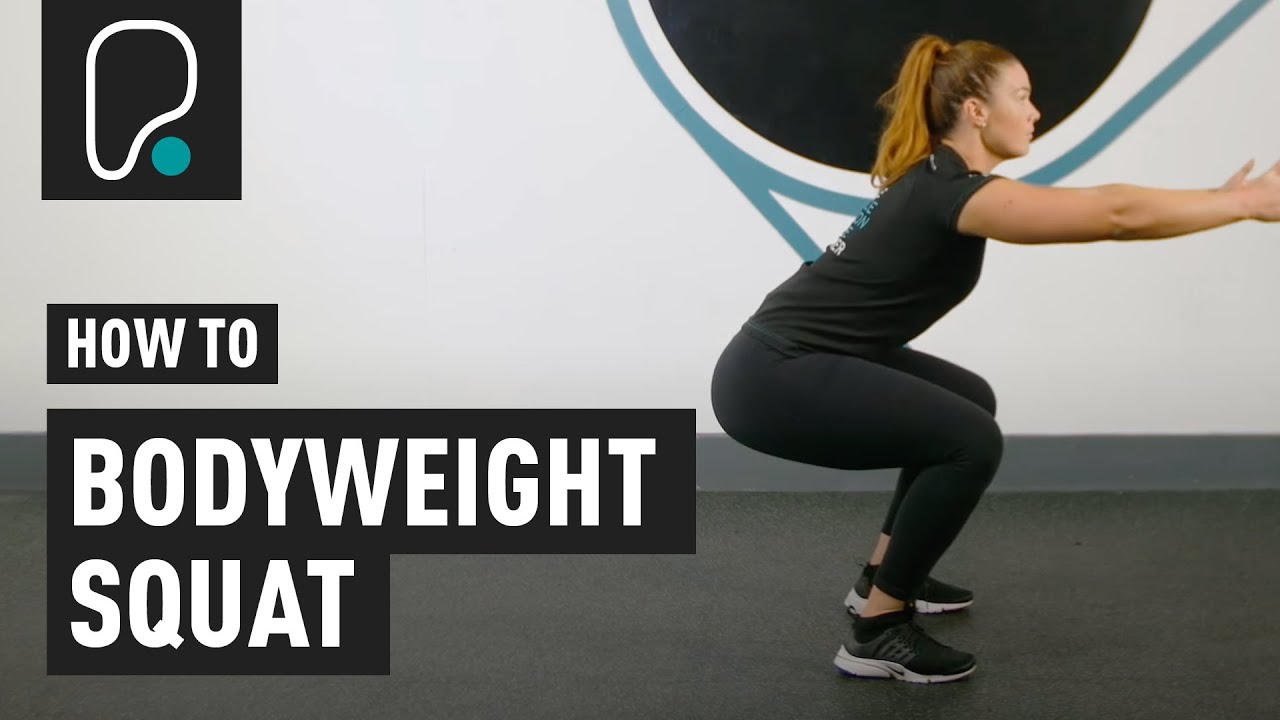
1. The Bodyweight Squat (Lower-Body Strength & Functional Independence)
The squat is the ultimate primal movement pattern, mirroring the fundamental human action of sitting down and standing up.
- Prescription: 3 sets | 8–12 repetitions
- How to Do It: Stand with feet shoulder-width apart, toes pointed slightly outward. Keeping your chest proud and core braced, push your hips back and bend your knees as if lowering into an imaginary chair. Ensure your knees track in line with your toes. Descend until your thighs are parallel to the floor, then push through your heels to return to the starting position.
- Primary Benefits: Strengthens your quadriceps, hamstrings, glutes, and core. Crucially, it supports balance and everyday lifting mechanics.
- Progression Strategy: Once unweighted squats can be performed for three sets of 12 repetitions with pristine form, introduce resistance by holding dumbbells at your shoulders or sides. As weight increases, temporarily reduce the repetition count until you can complete every set with strict control.
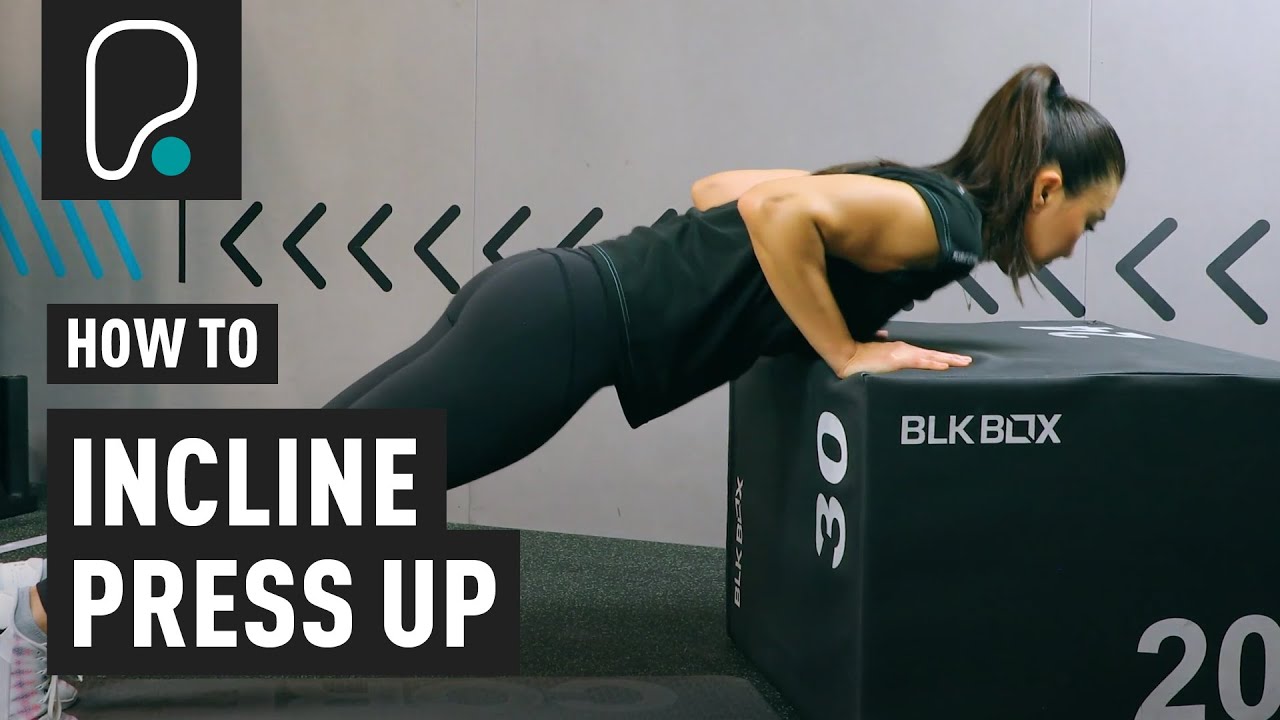
2. The Incline Push-Up (Upper-Body Push & Shoulder Stability)
Push patterns maintain upper-body strength, shoulder integrity, and pushing power required for everyday tasks like getting up off the floor or pushing heavy objects.
- Prescription: 3 sets | 8–10 repetitions
- How to Do It: Place your hands securely on an elevated, stable surface (such as a sturdy piece of furniture, a countertop, or the back of a couch) slightly wider than shoulder-width apart. Extend your legs behind you so your body forms a straight line from head to heels. Lower your chest toward the surface by bending your elbows at a 45-degree angle, then press forcefully back up to full arm extension.
- Primary Benefits: Builds upper-body strength across the pectoral muscles, anterior deltoids, and triceps while promoting shoulder stability.
- Progression Strategy: As your upper body grows stronger, lower the elevation of your support surface—moving from a high counter to a low bench, and eventually progressing to standard floor-based push-ups.
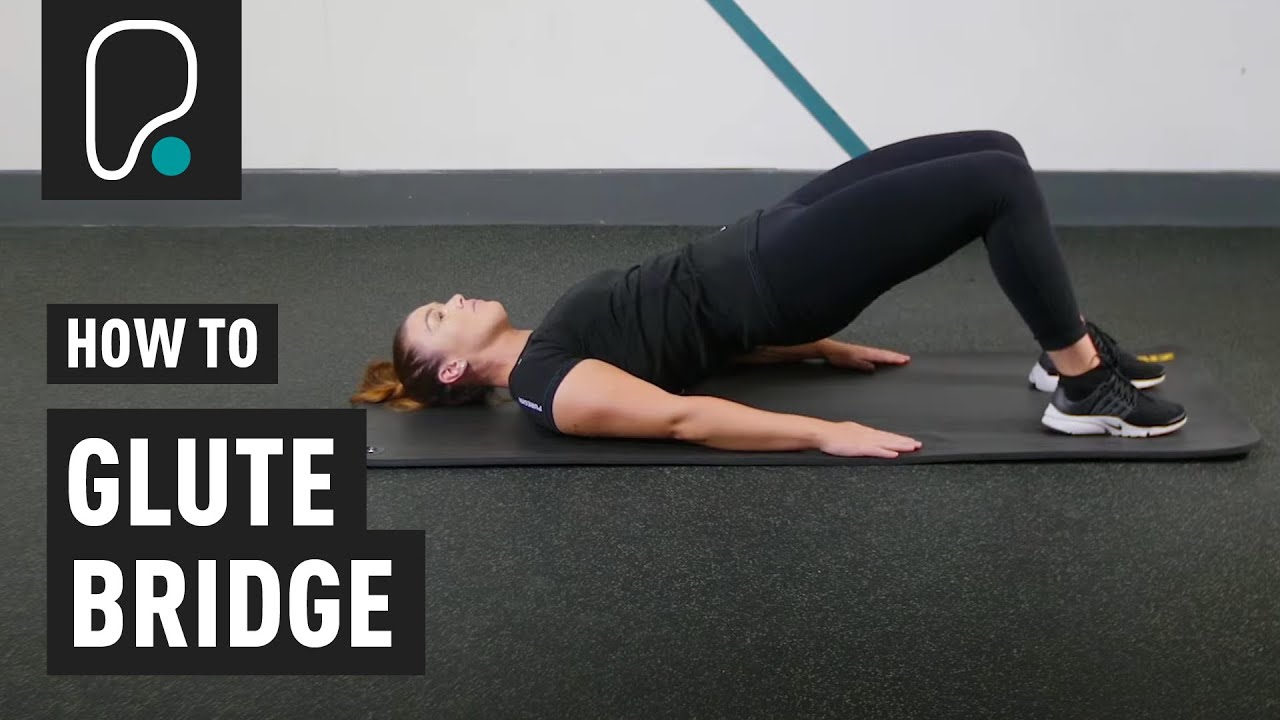
3. The Glute Bridge (Posterior Chain & Pelvic Health)
Modern life forces humans into seated postures for hours on end, leading to "gluteal amnesia" and lower back strain. The glute bridge wakes up the posterior chain.
- Prescription: 3 sets | 12–15 repetitions
- How to Do It: Lie flat on your back on a mat with your knees bent and feet flat on the floor, hip-width apart, positioned close enough that your fingertips can graze your heels. Press through your heels and squeeze your glutes to lift your hips toward the ceiling until your body forms a straight line from your shoulders to your knees. Hold briefly at the top before lowering with control.
- Primary Benefits: Strengthens the gluteal complex and lower back while supporting pelvic alignment and posture.
- Progression Strategy: As your glutes adapt, place a dumbbell, weight plate, or kettlebell across your pelvis to increase resistance.
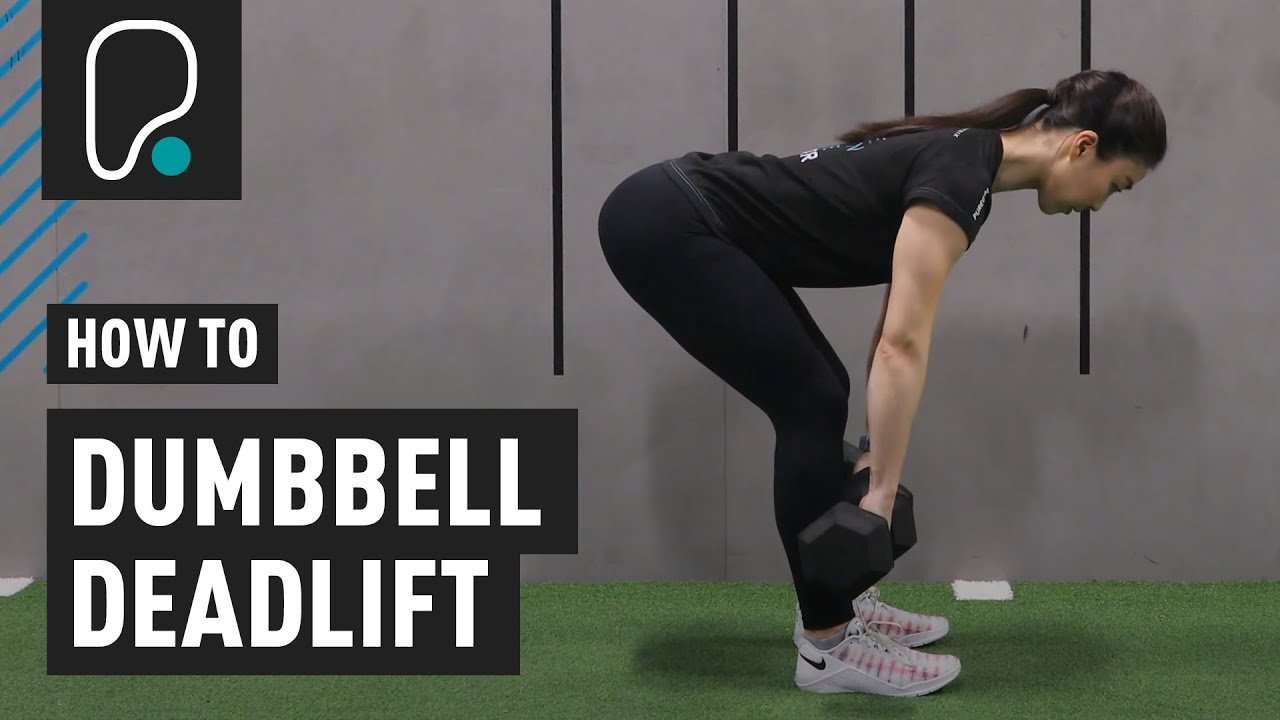
4. The Romanian Deadlift (The Hinge Pattern)
The hip hinge is arguably the most important movement pattern for protecting the spine during lifting, yet it is frequently executed incorrectly in daily life.
- Prescription: 3 sets | 8–12 repetitions
- How to Do It: Stand tall holding dumbbells in front of your thighs. Keeping a soft bend in your knees and a neutral spine, push your hips backward as if trying to close a door with your glutes. Lower the weights down the front of your legs while keeping them close to your body, feeling a deep stretch in your hamstrings. Once your torso is nearly parallel to the floor (or flexibility limits your descent), drive your hips forward to return to standing.
- Primary Benefits: Targets the entire posterior chain, including the erector spinae, glutes, and hamstrings.
- Progression Strategy: Begin with bodyweight or very light dumbbells to master the hinge mechanics. Only increase the load once you can maintain a flat back throughout the entire range of motion.
5. The Dead Bug (Deep Core & Spinal Stabilization)
Spinal stability requires deep core endurance rather than superficial abdominal flexion (like traditional crunches). The dead bug teaches the core to resist unwanted spinal movement.
- Prescription: 3 sets | 8–10 repetitions per side
- How to Do It: Lie on your back with your arms extended toward the ceiling and your knees bent at 90 degrees directly above your hips. Press your lower back firmly into the floor—this is vital. Slowly lower your right arm backward toward the floor while simultaneously extending your left leg straight out, hovering just above the ground. Return to the starting position and alternate sides.
- Primary Benefits: Strengthens the transverse abdominis and deep core stabilizers while improving spinal stability and limb coordination.
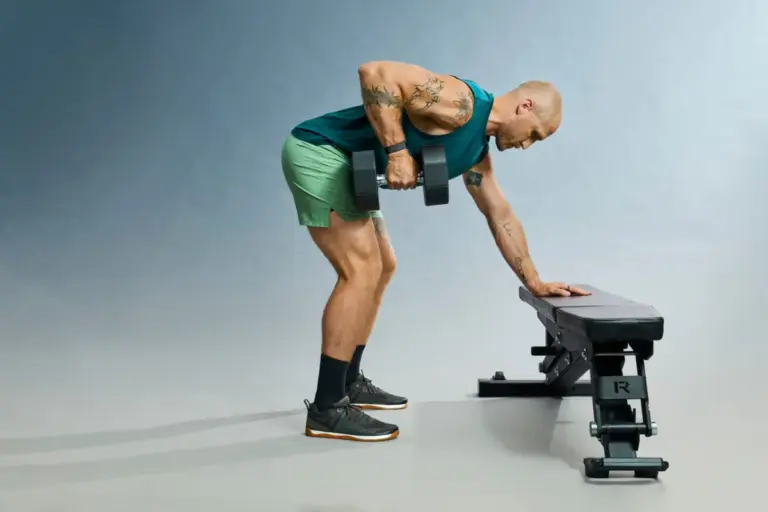
6. The Bent-Over Row (Upper Back & Postural Correction)
Hours spent hunched over screens create postural imbalances that round the shoulders forward. The bent-over row pulls the upper body back into alignment.
- Prescription: 3 sets | 12–15 repetitions
- How to Do It: Stand with feet hip-width apart, hinge forward at the hips with a flat back, and let dumbbells hang straight down from your shoulders. Keeping your core braced and elbows tucked close to your torso, pull the weights up toward your lower ribs, squeezing your shoulder blades together at the top of the movement. Lower slowly.
- Primary Benefits: Strengthens the rhomboids, latissimus dorsi, and rear deltoids, directly counteracting the postural effects of modern sedentary lifestyles.
Future Outlook: Building a Resilient Lifestyle
The journey toward true healthspan requires a cultural paradigm shift: moving away from reactive medicine—treating symptoms after decline has occurred—and embracing proactive physical stewardship. Abby McLachlan’s six-move home workout provides an accessible, scientifically grounded entry point for individuals of all abilities to take control of their physical destiny.

By dedicating just two to three sessions a week to this routine, practitioners are not merely building muscle; they are investing in their future autonomy. They are safeguarding their bone density, insulating their joints against degenerative wear, sharpening their neuromuscular coordination, and ensuring that their later years remain defined not by limitation, but by mobility, strength, and unyielding vitality.