Executive Overview
The beauty landscape of the 2020s has been defined by a sweeping cultural pivot away from hyper-curated maximalism and toward an effortless, high-maintenance minimalism. At the epicenter of this shift sits the "Clean Girl" aesthetic—a phenomenon that began as a TikTok makeup trend characterized by slicked-back hair, neutral tones, and luminous, dewy skin. Boasting well over 1.4 billion views across short-form video platforms, this aesthetic has steadily bled into every facet of the beauty sector. Its latest and perhaps most enduring conquest? The fingertips.
Enter the "Clean Manicure."
Moving far beyond transient social media fads, the clean nail movement has effectively dethroned the ultra-long, heavily embellished acrylic claws that dominated the late 2010s. Search engines and social algorithms now reflect a profound market recalibration: queries for vibrant, hyper-complex nail art are rapidly being eclipsed by terms like "nude nails," "simple nail designs," and "nude nail art."
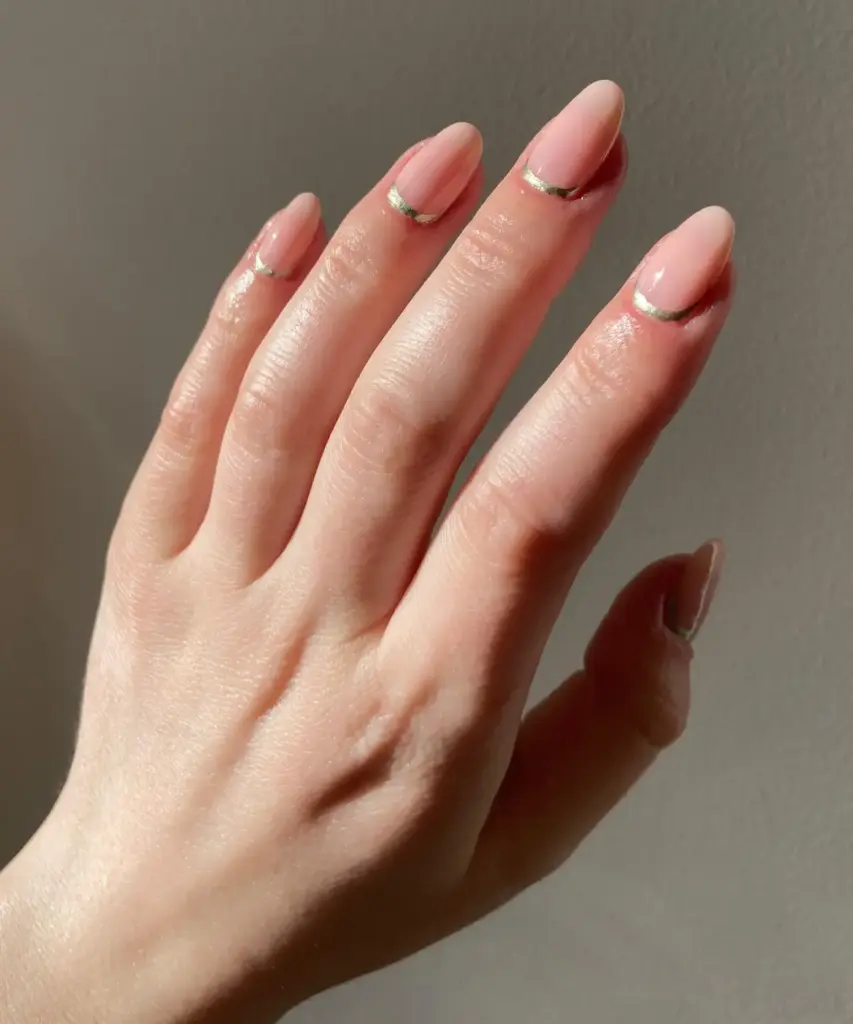
Characterized by translucent pinks, milky whites, warm apricots, immaculate cuticles, and understated, high-gloss finishes, the clean manicure represents a paradoxical beauty ideal: it is remarkably unpretentious yet deeply meticulous. While it champions the philosophy of "my nails, but better," achieving this effortless look requires a sophisticated regimen of hand care, precise chemical preparation, and minimalist artistry.
This deep dive explores the mechanics of the clean manicure trend, charting its sociological roots in pandemic-era lifestyle shifts, providing a step-by-step masterclass on execution, analyzing its commercial impact on product markets, and addressing the inclusivity debates surrounding the broader clean aesthetic movement.
Detailed Chronology: From Lockdown Roots to Viral Dominance
To fully understand the ascent of the clean manicure, one must examine the timeline of its genesis, which traces back to the unprecedented socio-economic disruptions of the early 2020s.
The Pandemic Catalyst (2020–2021)
When global lockdowns forced the closure of traditional brick-and-mortar nail salons, consumers were left to fend for themselves. For years, the prevailing nail culture relied heavily on structural enhancements—hard gels, acrylic extensions, and complex 3D nail art—that necessitated professional upkeep every three to four weeks.
Stripped of salon access, the general public was forced to remove their enhancements and confront their natural nail beds for the first time in years. According to prominent London-based manicurist and nail artist Georgia Rae, this unexpected break acted as a collective reckoning with our natural physical states. "During the lockdowns, we had to forgo our regular beauty treatments," Rae explains. "That gave us the chance to truly get to know and love ourselves from our natural side—including our nails."
The TikTok Tipping Point (2022–2023)
As society re-opened, consumer psychology had fundamentally shifted. The desire for heavy, high-maintenance glamour gave way to a craving for comfort, health, and low-stress routines. In late 2022, digital creators like @niamhlynchxxxx began publishing short-form video content showcasing clean, minimalist, translucent nail designs. These tutorials quickly went viral, resonating with an audience exhausted by the physical and financial upkeep of extreme acrylics.
By 2023, the trend solidified into a dominant cultural force. The "Clean Girl" makeup philosophy—enhanced natural beauty achieved through subtle products—was mapped directly onto the hands. Google Trends data from this period confirms a dramatic spike in searches for neutral palettes, milky sheers, and minimalist geometric accents.
Mainstream Integration and Commercial Adoption (2024–Present)
Today, the clean manicure has graduated from a niche TikTok trend to a permanent fixture in both luxury salons and at-home routines. Brands have responded by reformulating base coats, introducing breathable nail treatments, and expanding their ranges of semi-sheer nude lacquers. What began as a coping mechanism for lockdown isolation has evolved into a multi-million-dollar aesthetic movement emphasizing longevity, nail health, and quiet luxury.
Supporting Context & Metrics: The Shift in Consumer Behavior
The transition toward the clean manicure is not merely a stylistic preference; it represents a measurable shift in global beauty consumption and consumer values.
The Metrics of Minimalism
- 1.4 Billion+ Views: The overarching "Clean Girl" hashtag ecosystem on TikTok continues to pull in billions of impressions, servingas the primary incubator for derivative trends like the clean manicure.
- Search Engine Migration: Data aggregators indicate a 40% year-over-year decrease in searches for "neon acrylic nails" and "long stiletto nail art," directly inverse to a surge in search volume for "milky white nails," "lip gloss nails," and "sheer pink minimalist manicure."
- At-Home Care Market Growth: With consumers favoring natural nail health over artificial extensions, sales of specialized cuticle treatments, strengthening base coats, and nourishing hand oils have experienced double-digit growth across major European and North American retail platforms.
The Philosophy of "Quiet Luxury"
The clean manicure aligns perfectly with the broader macroeconomic and cultural embrace of "quiet luxury"—an aesthetic that rejects overt displays of wealth or trend-chasing in favor of timeless elegance, high-grade materials, and impeccable grooming. Just as a cashmere sweater or a tailored trench coat communicates sophistication without logos, a clean, perfectly buffed, sheer-tinted nail communicates self-care, discipline, and refined taste without the need for neon colors or dangling charms.
Official Insights & Expert Methodology: Achieving the Look at Home
While the clean manicure appears effortlessly casual, achieving a salon-quality finish requires adherence to strict professional protocols. We consulted top nail artists to break down the exact regimen required to master the trend independently.
Phase One: Meticulous Preparation
The foundation of any clean manicure is not the polish, but the skin and nail bed beneath it. If the cuticles are ragged or the nail plate is uneven, even the most expensive sheer lacquer will look unpolished.
- Cuticle Care: Professional artists recommend initiating the process with a targeted cuticle eraser or gentle exfoliating treatment (such as the CND Cuticle Eraser). Applying a pea-sized amount to the nail bed and allowing it to sit for five minutes dissolves dead skin cells chemically rather than relying solely on aggressive cutting.
- Gentle Exfoliation: After five minutes, wipe away the product and carefully push back the cuticle using a sanitized metal pusher or wooden stick, trimming only truly dead, hardened tissue with a sharp cuticle nipper.
- Dehydration: Before introducing any product, wipe the clean nail bed thoroughly with acetone-free nail polish remover or isopropyl alcohol to strip away natural oils, ensuring optimal product adhesion.
Phase Two: The Art of the Base and Polish Application
The most challenging aspect of a clean manicure is the application of semi-sheer, neutral polishes. Because these shades are translucent, streakiness and uneven brush strokes are immediately visible.
- The Protective Base Coat: Always apply a ridge-filling, health-boosting base coat (such as the OPI Natural Nail Base Coat) to protect the natural keratin from staining and to create a smooth canvas.
- The Single-Side Brush Technique: To prevent pooling and streaking, wipe excess polish off one side of the brush against the neck of the bottle. Apply light, feather-thin pressure. Begin the stroke in the absolute center of the nail plate, then gently fan out to fill the left and right gaps.
- Layering for Depth: Clean nails typically require two to three ultra-thin coats of a sheer pink, milky white, or soft apricot polish to achieve a dimensional, "lip-gloss" effect. Do not rush the drying time between layers.
- Error Correction: Do not panic if polish touches the surrounding skin. Dip a small, flat, rectangular makeup brush into nail polish remover and trace around the edges of the nail bed for a pin-point clean finish.
- The High-Gloss Seal: Seal the look with a ultra-shiny top coat (Essence Colour Shield Top Coat or similar high-gloss formulas) to create the signature reflective finish that defines the aesthetic.
Phase Three: Minimalist Nail Art Accents
While a solid neutral is the standard bearer of the trend, the clean manicure leaves room for understated, micro-scale nail art. Rather than covering the entire nail, art is used sparingly.
- Inverted French Tips: Drawing a delicate metallic or white line along the cuticle bed (crescent moons) rather than the free edge adds a futuristic, modern twist to the traditional French manicure.
- Micro-Embellishments: Tiny silver dots, single minimalist black hearts, or microscopic rhinestones placed strategically near the nail base offer visual interest without overwhelming the natural palette.
- Gel Longevity: For consumers seeking a semi-permanent solution that lasts up to three weeks without chipping, professional gel systems—such as the iconic OPI Bubble Bath shade—offer a resilient, high-shine alternative to traditional lacquer.
Phase Four: Holistic Hand Maintenance
As Georgia Rae notes, the clean manicure is not just a cosmetic procedure; it is a sensory ritual. Maintaining the aesthetic requires treating the hands with the same level of luxury usually reserved for facial skincare.
- Weekly Exfoliation: Once a week, use a gentle body scrub to exfoliate the back of the hands and palms, removing dead skin cells that dull the skin’s natural radiance.
- Hydration Protocols: Follow exfoliation with a rich, peptide-infused hand cream and nourishing cuticle oil. Crucial Note: Never apply oils or heavy creams immediately before polishing, as residual lipids will compromise polish adhesion.
Future Outlook: Inclusivity, Evolution, and the Next Era of Beauty
As with any major beauty trend that dominates digital spaces, the clean manicure—and the broader "Clean Girl" aesthetic—has faced legitimate criticisms regarding exclusivity and representation.
Addressing the Inclusivity Debate
Critics have rightly pointed out that the foundational tenets of the "Clean Girl" aesthetic—flawless skin, naturally long nail beds, and effortless grooming—can inadvertently marginalize individuals dealing with skin conditions (such as acne or eczema), hair textures that defy slicked-back styling, or those with bitten, damaged, or naturally short nails.
However, industry leaders and consumer advocates are actively reshaping the narrative. Platforms like the Instagram account @allnailswelcome, curated by beauty editors Lucy Partington and Laura Capon, serve as counter-cultural hubs celebrating minimalist nail art and clean aesthetics across all hand shapes, skin tones, nail lengths, and physical conditions. The modern consensus is clear: the clean manicure is not an exclusive club restricted to a specific genetic blueprint, but a versatile, adaptable methodology of care that can be tailored to suit anyone.
The Future of the Trend
Looking ahead, the clean manicure is poised to evolve rather than fade. Beauty laboratories are heavily investing in "skinification" formulations for nails—infusing lacquers with skincare-grade ingredients like biotin, AHAs, plant oils, and keratin derivatives that treat the nail while wearing color.
Furthermore, as consumers continue to prioritize sustainable, budget-friendly, and wellness-oriented lifestyles, the appeal of low-maintenance, high-elegance nail care will only deepen. The clean manicure has permanently altered our expectations: we no longer look to our fingertips as billboards for loud, temporary statements, but as canvases for quiet, enduring self-care.