Executive Overview
For millions of individuals raised in intensely dogmatic, faith-based environments, the departure from organized religion is rarely a clean break. While the intellectual decision to disavow an ideology can be made in an instant—often accelerated by the collective trauma and isolation of global crises—the physical and psychological remnants linger deep within the nervous system.
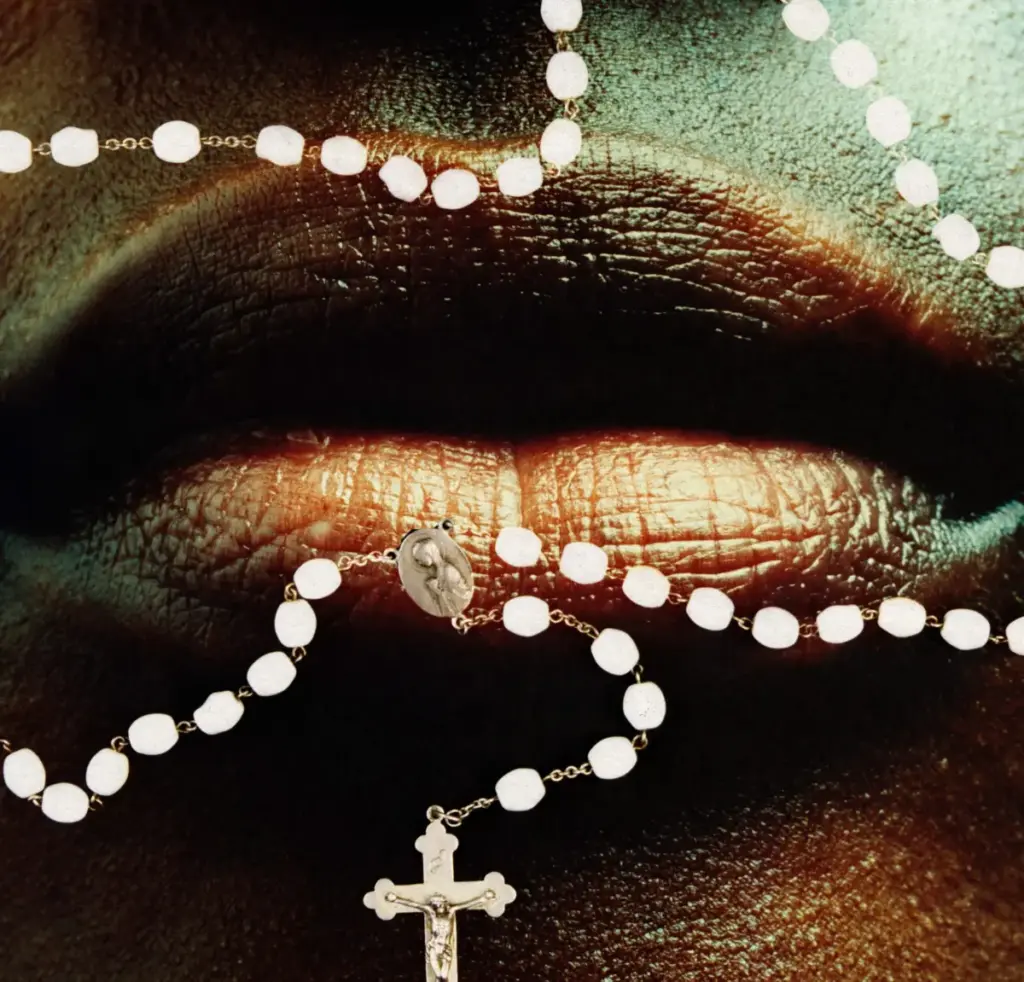
This deep-seated conditioning is particularly potent within traditional, tightly knit spiritual communities, where communal salvation, behavioral conformity, and strict moral codes regarding the body are woven into the fabric of daily life. When those moral codes frame human sexuality—especially female sexuality—as an existential sin, the transition into adult intimacy can manifest as a profound somatic crisis.
This investigative feature examines the complex intersection of religious trauma syndrome, bodily autonomy, and the modern alternative subcultures that are increasingly serving as spaces of secular sanctuary. By following one Black woman’s journey from a dogmatic Southern upbringing through debilitating physical manifestations of guilt, and ultimately into the structured, consent-focused kink spaces of Brooklyn, this report explores a growing psychological phenomenon: why up to one-third of U.S. adults grapple with religious trauma, and how alternative communities are providing novel frameworks for healing, safety, and self-defined pleasure.
Detailed Chronology: From Pews to Paralysis
The Somatic Echoes of Dogma
Long before she ever stepped foot into a private Brooklyn loft or engaged with alternative subcultures, the subject of this narrative—a young Black woman navigating her mid-20s—lived with a body at war with itself. In romantic encounters, physical intimacy was frequently obstructed by involuntary somatic reactions: tightened shoulders, seized back muscles, and a profound, chilling sense of dread.
Her former partners often misinterpreted these physiological defenses as emotional distance or physical stiffness. In reality, her nervous system was sounding an internal alarm, replaying the relentless warnings of a strict Southern upbringing. Growing up in a church where sins of the flesh—particularly premarital sex and homosexuality—were framed as irrevocable spiritual offenses, she had absorbed a pervasive narrative of divine punishment.
The messaging from her childhood was inescapable. The church utilized social shaming to maintain behavioral compliance among families, publicly sidelining parents whose children faltered. The congregation functioned as an inescapable panopticon where private missteps carried public penalties. Sunday school lessons reinforced the terror, framing premarital sexual activity not merely as a misdeed, but as an act of spiritual violence—one that invited immediate divine wrath and eternal damnation.
The Pandemic Turning Point
For years, these internal pressures dictated her romantic trajectory, resulting in hyper-vigilance, delayed dating, and deep-seated anxiety. However, the catalyst for change arrived during the crucible of the COVID-19 pandemic. Amid the ambient anxiety of sirens, societal isolation, and the devastating loss of community members, the foundational pillars of her faith began to fracture. Confronted with mortality, she began to question a theological framework that permitted widespread suffering while simultaneously condemning human nature.
The intellectual exit from Christianity, however, did not automatically liberate her biology. Subsequent attempts at dating and casual intimacy were frequently followed by severe somatic distress: labored breathing, debilitating headaches, and intrusive, catastrophic thoughts of hellfire. Recognizing that her mind had left the church while her nervous system remained trapped inside its walls, she sought professional intervention.
Entering the Safe Spaces of Brooklyn
Through targeted therapy—specifically Eye Movement Desensitization and Reprocessing (EMDR)—she began to reprocess the traumatic memories associated with eternal damnation, transforming debilitating terror into manageable discomfort. Simultaneously, she sought out contemporary, sex-positive literature authored by Black women, eventually discovering the world of BDSM and alternative subcultures.
Drawn by recommendations from peers, she connected with groups like Sucia, an underground collective in Brooklyn catering primarily to Black individuals seeking safe, non-judgmental exploration of kink. Through this community, she met fellow former churchgoers who had similarly traded theological dogmas for secular autonomy.
The culmination of this journey occurred at a Brooklyn play party—a heavily regulated, consent-first gathering designed to offer psychological and physical sanctuary. Despite lingering anxieties and last-minute doubts, she utilized the rigorous safety frameworks established by the community (such as color-coded wristbands, on-site peer support monitors, and comprehensive consent protocols) to finally explore intimacy on her own terms. By the time she left the venue as dawn broke, the internal voice warning her of eternal damnation had finally been replaced by an embodied sense of sovereign ownership over her own body.
Supporting Context & Metrics: The Scale of Religious Trauma
While religious trauma syndrome (RTS) is not formally classified as a distinct mental disorder within the Diagnostic and Statistical Manual of Mental Disorders (DSM-5), clinical psychologists, somatic therapists, and researchers increasingly recognize its profound impact on mental health and physiological well-being.
Prevalence and Manifestations
Recent empirical research highlights the sheer scale of this phenomenon. A landmark 2023 study revealed that up to one-third of U.S. adults have experienced some form of religious trauma or adverse spiritual conditioning throughout their lives. The manifestation of RTS often mirrors complex post-traumatic stress disorder (C-PTSD), including symptoms such as:
- Hypervigilance: A constant state of nervous system arousal, anticipating moral or physical retribution.
- Intrusive Thoughts: Persistent, looping fears of eternal damnation, divine punishment, or impending doom triggered by normal human behaviors (such as sexual expression).
- Somatic Distress: Unexplained chronic pain, tension headaches, gastrointestinal issues, and sexual dysfunction rooted in physical shame.
The Therapeutic Role of Alternative Subcultures
Psychological experts emphasize that alternative communities—particularly those centered around kink, polyamory, and body-positive exploration—frequently act as accidental or intentional refuges for individuals recovering from high-control religious environments.
Jocylynn Stephenson, a licensed marriage and family therapist, notes that these subcultures naturally attract individuals who have experienced excessive external judgment and behavioral control.
"A lot of the people have either experienced or have been the arbiters of a lot of judgment and control around sex," Stephenson explains. "It’s freeing to be surrounded by people who are going to come from a place of acceptance first."
Furthermore, the rigorous structural frameworks governing modern consent-based spaces—such as clear communication protocols, designated safety monitors, and explicit rules of engagement—provide a stark, healing contrast to the authoritarian structures found in high-control religions. Rather than operating under a framework of imposed moral compliance, participants negotiate their boundaries explicitly, effectively retraining the nervous system to associate intimacy with personal agency rather than fear.
Official Statements & Expert Perspectives
Mental health professionals and institutional researchers continue to advocate for greater clinical awareness regarding the long-term somatic and psychological consequences of rigid religious upbringings.
- On the Mechanics of Recovery: Specialists at the Religious Trauma Institute note that healing from high-control religious environments requires both cognitive reframing and somatic regulation. Because religious conditioning is frequently reinforced through physical rituals, music, and communal pressure, recovery must similarly engage the body through targeted therapies like EMDR, somatic experiencing, and safe peer community building.
- On Consent and Safety in Subcultures: Experts from the Center for Trauma Resolution and Recovery highlight that alternative subcultures succeed in fostering mental health recovery only when they prioritize transparent boundaries and active consent frameworks. By shifting the locus of control entirely to the individual—reaffirming that one’s body belongs strictly to oneself rather than an external authority—participants are able to systematically dismantle years of internalize guilt and shame.
Future Outlook: Redefining Pleasure and Community
As cultural conversations surrounding mental health, bodily autonomy, and deconstruction continue to evolve, the intersection between religious trauma recovery and alternative subcultures is gaining broader recognition.
The journey from dogmatic compliance to self-determined pleasure is neither linear nor instantaneous. For millions of individuals raised in high-control faith traditions, unlearning the somatic reflex of shame requires innovative therapeutic interventions, robust peer networks, and spaces explicitly dedicated to radical safety and acceptance.
Ultimately, stories like this highlight a vital cultural shift: whether through somatic therapy, literature, or community-led safe spaces, individuals are finding new ways to reclaim their physical autonomy. In doing so, they are proving that leaving a restrictive ideology does not mean losing the capacity for community, wonder, and deep, unburdened human connection—it simply means learning to define those values on one’s own terms.