Executive Overview
The intersection of digital content creation and traditional prestige cinema has rarely been as pronounced as it was at the Toronto International Film Festival (TIFF). While Hollywood studios and indie auteurs vied for attention on the festival’s main stages, YouTube carved out its own dominant narrative nearby, signaling a massive structural shift in how video platforms commission, fund, and distribute original programming.
During the high-profile YouTube Features marketing event, the platform unveiled an ambitious, highly anticipated nine-project original programming slate. Rather than doubling down on traditional production houses or legacy media pipelines, YouTube’s latest strategy places complete, uncompromised creative control directly into the hands of top-tier independent creators. The centerpiece of this international expansion is the northward migration of Kareem Rahma’s viral hit Subway Takes, which is set to launch Subway Takes Toronto in 2027 featuring an array of iconic Canadian personalities.
Beyond Rahma’s transit-based pop-culture interrogations, the new slate features an eclectic mix of athletic profiles, culinary masterpieces, reality-style lifestyle programming, and bold narrative fiction. Spearheaded by industry heavyweights like Olympic legends Tessa Virtue and Sarah Nurse, culinary icons Matty Matheson and Susur Lee, and digital mainstays like Jeenie Weenie, Alexandra Gater, the Kalogeras Sisters, and scripted auteur Julie Nolke, this rollout represents a mature evolution of YouTube’s content strategy.
By allowing creators to greenlight their own projects, retain complete ownership of their intellectual property (IP), and communicate directly with their audiences, YouTube is effectively dismantling the antiquated, top-down studio model. This comprehensive report investigates the mechanics of YouTube’s new Canadian slate, the strategic pivot away from failed past originals initiatives, and what this means for the future of digital-first entertainment.
Detailed Chronology: From TIFF Announcements to the 2027 Horizon
The rollout of YouTube’s Canadian programming slate was meticulously orchestrated to coincide with one of the most prestigious film festivals in the world, capitalizing on the presence of global media, industry executives, and digital creators in Toronto.
The TIFF Prelude and the YouTube Features Event
Days before the official slate reveal, rumors swirled across digital media trades that YouTube was preparing a major push into international creator-led formats. These speculations were confirmed during the YouTube Features marketing event, a high-octane gathering that positioned digital creators on equal footing with cinematic powerhouses.
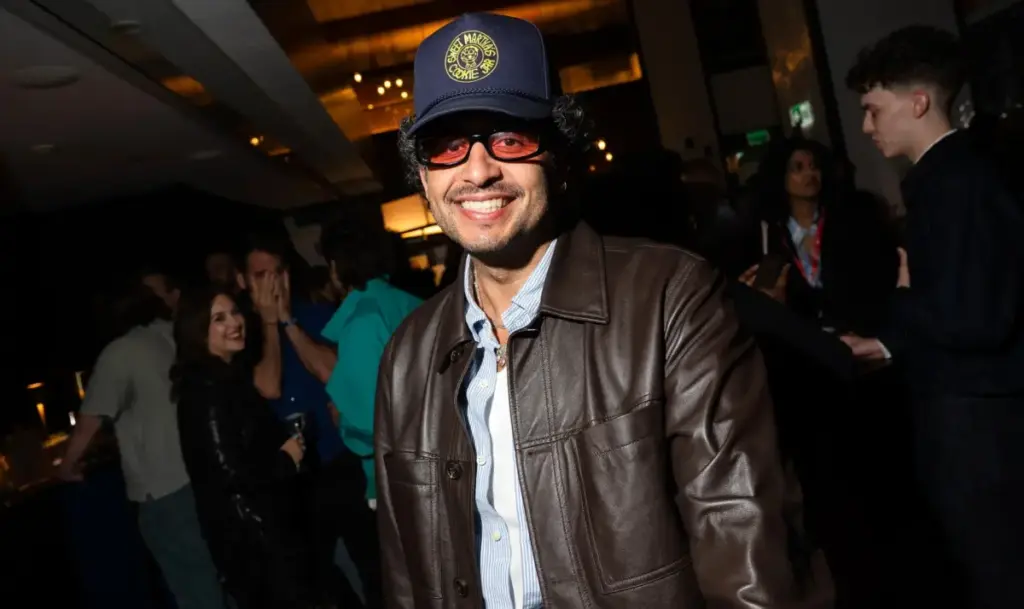
Taking the stage as host was Egyptian-American creator Kareem Rahma, whose rapid-fire, debate-sparking street interviews on Subway Takes have captured the cultural zeitgeist and even earned critical acclaim, including Emmy recognition. Rahma’s charismatic opening set the tone for an afternoon dedicated to celebrating homegrown Canadian talent and platform versatility.
The Evolution of the 2027 Slate
While some projects premiered immediately during the festival windows, the broader nine-project slate is strategically scheduled to roll out exclusively on YouTube over the coming months and into 2027.
- Late 2026: Initial rollouts of unscripted lifestyle, culinary, and sports docuseries.
- Throughout 2027: The highly anticipated premiere of Subway Takes Toronto, alongside scripted narrative projects.
The timeline reflects a calculated pacing strategy. Rather than dumping an entire slate onto the platform at once—a hallmark of early streaming wars that often led to bloated acquisition costs and rapid viewer churn—YouTube is allowing each creator-led project to build organic momentum, leverage community feedback loops, and maximize audience retention over extended periods.
Supporting Context & Metrics: A Paradigm Shift in IP Ownership
To understand the weight of YouTube’s Canadian programming slate, one must look at the platform’s historical trials with original content.
The Ghost of YouTube Originals Past
For years, YouTube struggled to find a sustainable identity for its premium content. Under initiatives like the early 2010s Original Channels Initiative—which poured hundreds of millions of dollars into professionalizing early creator networks—and subsequent subscription-gated scripted series under the YouTube Originals banner, the platform attempted to play Hollywood at its own game.
These efforts were largely plagued by high production budgets, restrictive distribution windows, and a fundamental misalignment with how audiences actually consumed content on the platform. By January 2022, YouTube largely shuttered its traditional Originals division, pivoting back to its core strength: empowering the independent creator ecosystem.
The New Economic Model: IP Retention and Creator Autonomy
The current Canadian slate operates on an entirely different financial and structural paradigm. Nicole Bell, Head of YouTube Canada, articulated the core philosophy governing these nine projects during the TIFF rollout: creators are no longer mere hired talent; they are the ultimate greenlight commissioners of their own work.
| Traditional Hollywood Model | YouTube’s New Creator-First Model |
|---|---|
| Studio greenlights projects based on executive consensus. | Creators self-greenlight based on direct audience demand. |
| Studio retains primary intellectual property (IP) rights. | Creators maintain complete, uncompromised ownership of their IP. |
| Content distribution locked behind subscription paywalls. | Content distributed natively to existing, engaged subscriber bases. |
| Feedback loop mediated by network focus groups and ratings. | Real-time feedback loop via direct comments, analytics, and community tabs. |
This model drastically reduces overhead and administrative bloat while exponentially increasing authenticity. When an audience tunes in to watch Olympic champions Tessa Virtue and Sarah Nurse, or culinary icon Matty Matheson, they are receiving an unfiltered vision that has not been diluted by network notes or conservative studio executives.
Official Statements and Creative Breakdown
The breadth of the nine-project slate demonstrates YouTube’s commitment to categorical diversity, ensuring that sports fans, foodies, reality television enthusiasts, and lovers of dark comedy all find native programming tailored to their tastes.
The Transit Takeover: Kareem Rahma Brings Subway Takes North
Kareem Rahma’s expansion of his viral format into Canada is perhaps the most culturally anticipated move of the slate. Subway Takes Toronto, debuting in 2027, promises to apply the frantic, high-stakes, low-stakes debating style to Canada’s largest urban transit system.
"Kareem Rahma unveiled the next chapter of ‘Subway Takes’ at TIFF," noted media analysts, pointing to the show’s unique ability to blend vox-pop street culture with rapid-fire internet comedy.
With "iconic Canadian guests" lined up for the transit system’s cars, the show aims to replicate—and perhaps expand upon—the critical acclaim that earned the original format prestigious industry nods, including Emmy consideration.
Sports, Cuisine, and Reality TV: The Heavy Hitters
The Canadian creator ecosystem has long been a powerhouse on the global YouTube stage. The new slate leverages this established clout across three major verticals:
- Sports and Athletics: Spearheaded by national treasures and Olympic legends Tessa Virtue and Sarah Nurse, this programming delves into the psychological and physical rigors of elite athletics, offering unprecedented access behind the scenes of high-performance sports.
- Culinary Arts: Food culture takes center stage with unfiltered culinary icon Matty Matheson and legendary chef Susur Lee. Their respective projects merge high-end kitchen mastery with the chaotic, highly entertaining personalities that made them household names online.
- Lifestyle and Reality TV: The unscripted and reality space is fortified by digital stars Jeenie Weenie, Alexandra Gater, and the Kalogeras Sisters. These creators bring hyper-engaged audiences into home renovations, daily cultural explorations, and character-driven episodic adventures.
Venturing into Dark Comedy: Julie Nolke’s Becky and Miranda
While unscripted and docuseries content dominates much of the slate, YouTube has also carved out space for daring narrative fiction.
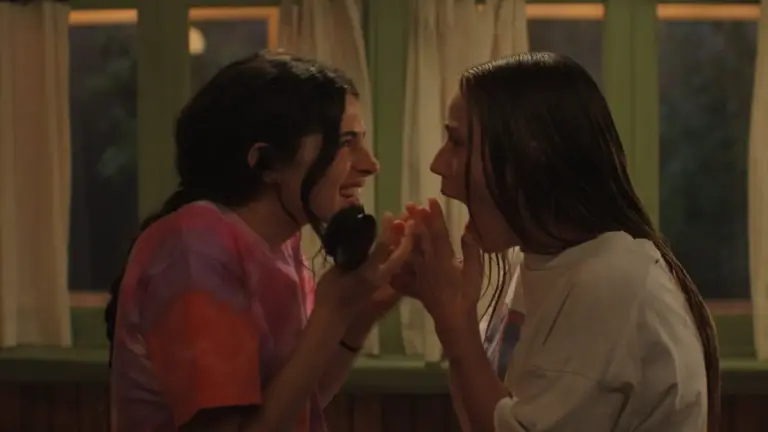
Julie Nolke, who achieved viral internet immortality during the COVID-19 pandemic with her brilliant comedic sketches talking to her past self, is stepping into serialized narrative with a dark comedy titled Becky and Miranda. The series explores the friction between millennial friendships and the absurd, chilling premise of serial killing. It showcases YouTube’s willingness to back sophisticated, genre-bending scripted content when championed by proven digital auteurs.
Nicole Bell on the Creator Empowerment Mandate
Elaborating on the strategic vision behind these commissions, YouTube Canada Head Nicole Bell emphasized the transformative nature of creator autonomy:
"They get to green light themselves and decide what their content will look like," Bell stated during the TIFF panel. "They get to continue owning their IP, owning all their audience, and going directly to that audience and getting feedback."
This direct-to-consumer feedback loop allows creators to pivot, iterate, and adapt their series in real time—a luxury Hollywood studios can rarely afford given their rigid multi-million dollar distribution schedules.
Future Outlook: Can YouTube Rewrite the Rules of Digital Entertainment?
As the entertainment industry grapples with subscription fatigue, shifting advertising models, and the ongoing decentralization of media consumption, YouTube’s Canadian creator slate serves as a fascinating case study in modern media strategy.
By trusting the community it has spent the last two decades cultivating, YouTube has bypassed the traditional gatekeepers of television and film. The platform is betting that authentic creator-audience relationships, combined with robust institutional backing and complete IP retention, will prove far more resilient than the costly, centralized studio experiments of the past.
Over the coming months, as these nine projects roll out exclusively on the platform, all eyes will be on Canada. If creators like Julie Nolke, Kareem Rahma, Matty Matheson, and Tessa Virtue can successfully transition their digital influence into episodic, premium programming—while capturing awards-season hardware along the way—YouTube may have finally unlocked the definitive formula for streaming era dominance.