Executive Overview
The modern beauty consumer is caught in a paradox. On one hand, social media feeds are saturated with hyper-polished images of plump cheeks, razor-sharp jawlines, and pillowy lips, largely achieved through dermatological injectables. On the other hand, a sweeping cultural fatigue has set in. TikTok and Instagram are increasingly filled with warnings about "filler migration," "pillow face," and the dreaded "overfilled syndrome." Compounding this is the massive rise in popularity of GLP-1 weight-loss medications (such as Ozempic and Wegovy), which has introduced a new phenomenon colloquially known as "Ozempic face"—rapid, noticeable facial volume loss and accelerated skin laxity due to sudden subcutaneous fat depletion.
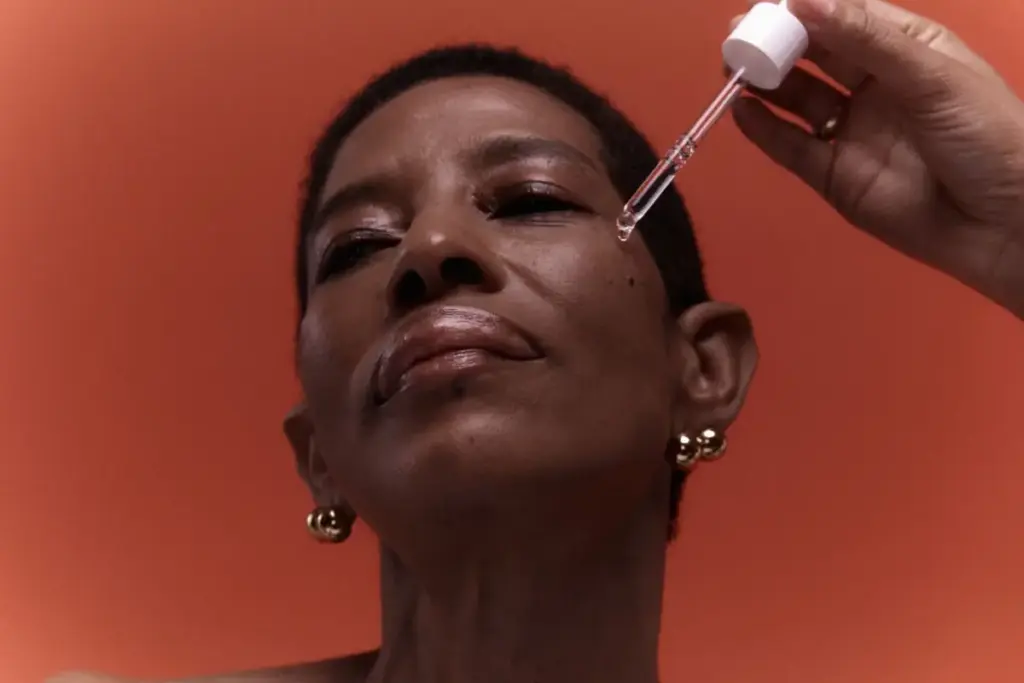
Enter Volufiline, a proprietary cosmetic ingredient that has recently exploded across TikTok and Instagram feeds. Touted by digital creators as "filler in a bottle," this botanical-blend serum has captured the attention of late-30-somethings, weight-loss patients, and skincare minimalists alike. Promoted as a topical alternative to hyaluronic acid fillers, Volufiline promises to deliver a bouncy, plump, and refreshed complexion without needles, bruising, or a wallet-draining trip to the med-spa.
Brands have taken note. Major retailers and indie darlings alike—from The Ordinary and Medicube to Then I Met You—have rushed to incorporate Volufiline or its equivalents into serums, multi-balms, and eye creams. But behind the viral unboxing videos and dramatic before-and-after lighting lies a stark scientific reality: the marketing for Volufiline has vastly outpaced its clinical validation.
This investigative report dives deep into the chemistry behind Volufiline, separates viral fiction from dermatological fact, consults top-tier board-certified dermatologists and cosmetic chemists, and evaluates whether this buzzy ingredient deserves a permanent home on your vanity.
Detailed Chronology: From Remote Work Mirrors to Viral TikTok Stardom
To understand how Volufiline became a household name in the skincare community, one must look at the convergence of remote work culture, shifting beauty standards, and algorithmic recommendation engines.
1. The Remote Work Realization
For many, the initial encounter with declining facial volume happens not in a clinical consultation room, but in front of a high-definition webcam. Logged into Zoom, Teams, or Google Meet under harsh, direct window light, thousands of professionals have been startled by a sudden reflection of fatigue: sunken eyes, hollowed cheeks, and a gaunt structure brought on by the natural aging process, stress, or lifestyle shifts.
2. The Algorithmic Pivot
Once a user registers this perceived flaw—often searching for terms like "how to fix sunken undereyes" or "cheek volume loss"—social media algorithms instantly recognize the behavioral pattern. Within hours, the TikTok For You Page (FYP) and Instagram Reels begin serving a hyper-targeted stream of content. For millions, that content introduced Volufiline.
3. The "Filler in a Bottle" Narrative
Creators in their late 30s and early 40s began posting videos applying clear, lightweight serums and pink multi-balms to their lips and undereye zones. They claimed the ingredient physically expanded fat cells beneath the skin, offering a cheaper, safer, and less permanent alternative to professional dermal fillers. As views accumulated in the millions, the phrase "filler in a bottle" stuck, driving a massive spike in direct-to-consumer searches and retail sellouts.
Supporting Context & Metrics: What is Volufiline and How Does It Claim to Work?
Despite its sleek, modern branding, Volufiline is not a standalone chemical compound; it is a specialized, patented ingredient blend.
The Chemistry: Roots and Oils
Volufiline was originally developed by the French cosmetic ingredient powerhouse Sederma (a subsidiary of specialty chemical supplier Croda). According to Dr. Julian Sass, a Montreal-based cosmetic chemist, the formulation is created by extracting compounds from the root of Anemarrhena asphodeloides—a traditional botanical grown in parts of Asia—and combining them with hydrogenated polyisobutene, a synthetic oil base.
The active botanical component within the extract is sarsasapogenin. In theory, sarsasapogenin is designed to stimulate adipogenesis—the process by which immature fat cells differentiate into mature fat cells—while simultaneously promoting lipid storage within existing adipocytes.
The Proposed Mechanism of Action
If a topical product could genuinely increase the number and size of fat cells in the skin, it would theoretically counteract the natural deflation of the subcutaneous fat pads that causes facial sagging and hollowing with age.
However, cosmetic chemists point out a fundamental biological hurdle: molecular size and skin architecture.
- The skin is designed to act as an impermeable barrier against foreign substances.
- Sarsasapogenin is a relatively large molecule.
- To affect facial volume, the topical ingredient would need to successfully penetrate the stratum corneum (the outermost layer of dead skin cells), traverse the epidermis and dermis, and reach the subcutaneous fat layer deep beneath the surface—all while selectively targeting specific fat cells in a symmetrical, predictable manner.
Currently, there is no credible, peer-reviewed clinical evidence demonstrating that a topical formulation can achieve this sequence of events in human facial skin.
Official Statements & Expert Perspectives
To separate marketing hype from medical reality, industry experts weigh in on what Volufiline can—and cannot—do for the skin.
The Skepticism of Board-Certified Dermatologists
Dr. Caren Campbell, a board-certified dermatologist in San Francisco, pulls no punches when discussing the ingredient.
"Volufiline is an interesting example of a cosmetic ingredient whose marketing has moved far ahead of the science," notes Dr. Campbell. She compares the current craze to previous skincare phenomena like PDRN (salmon DNA) and exosomes—ingredients that enjoyed massive social media hype before rigorous, independent clinical data caught up.
So, if users are experiencing a plumping effect, what is actually happening? Dermatologists point to several logical mechanisms:
- Intense Hydration: Many Volufiline-containing products are heavily spiked with emollients, humectants, and oils. When applied to dry, dehydrated skin—particularly the delicate undereye area—these ingredients temporarily plump the upper layers of the epidermis, smoothing out the appearance of fine lines and creating a dewy light reflection.
- Mild Irritation and Swelling: The oil carriers or botanical extracts in certain formulations can cause sub-clinical, localized irritation. This minor inflammation can temporarily cause micro-swelling in the skin tissues, giving a deceptive appearance of increased volume.
- Surface Smoothing: Dr. Chang Son, a board-certified dermatologist practicing in New York and New Jersey, compares the effect to applying a rich eye cream. "It doesn’t matter which one, but if you put on a lot of eye cream, you’re hydrating the area… We know that alone is going to improve the look of things."
The Plastic Surgeon’s Perspective: A "Frosting" on the Cake
Dr. Melissa Doft, a board-certified plastic surgeon in New York City, holds a more nuanced view. She admits to being initially intrigued by Volufiline, particularly because her practice has seen a massive surge in patients presenting with rapid facial volume loss after starting GLP-1 weight-loss regimens ("Ozempic face").
"I initially pulled it because it was an interesting ingredient," Dr. Doft explains. For patients who have rapidly lost fat from their adipocytes, an ingredient that offers even marginal improvements in surface fullness is worth studying.
However, Dr. Doft is quick to clarify the limitations of topicals compared to surgical or procedural interventions:
"This is not replacing a lip lift. This is not replacing an injectable. This is not replacing a facelift or fat grafting… I feel very secure that my operative schedule is not going to be changed by doing this."
Instead, Dr. Doft views Volufiline as "frosting"—a complementary finishing touch to an established skincare routine or in-office treatment plan, best suited for patients with mild concerns or those who are financially or emotionally unready for clinical injectables. Furthermore, she issues a stark warning regarding the undereye area: while an ingredient that affects fat cells might theoretically help crepey skin, it could potentially exacerbate under-eye bags if applied indiscriminately to herniated fat pads.
What Does the Manufacturer Data Say?
The primary clinical data frequently cited by proponents originates from in vitro studies and a limited manufacturer trial conducted by Sederma. In that specific study, the ingredient was applied to one breast of 30 women over a 56-day period, resulting in a reported 2.2% volume increase.
Cosmetic chemists like Kelly Dobos emphasize that extrapolating a 2.2% volume change on breast tissue to complex facial topography—where skin thickness, fat distribution, and muscle movement behave entirely differently—is a massive scientific leap.
Future Outlook: Where Does Volufiline Fit in the Modern Skincare Routine?
While Volufiline may not be the literal reincarnation of a syringe of Juvederm or Restylane, dermatologists and cosmetic chemists agree that the ingredient is not entirely useless—provided consumers manage their expectations.
1. The Verdict on Efficacy
- Can it replace dermal fillers? Absolutely not. Hyaluronic acid fillers physically deposit structural gel beneath the skin at precise, controlled depths to rebuild lost bone and fat scaffolding. Topical skincare cannot structurally reshape the face.
- Is it safe to use? Yes. When purchased from reputable retailers and established brands (rather than unverified third-party drop-shippers on online marketplaces), Volufiline-infused serums and balms are generally safe for topical application.
- Who benefits most? Individuals with early, subtle signs of aging, mild surface dehydration, or those who simply enjoy experimenting with textured skincare products and desire a temporary, hydrated glow.
2. The Gold Standard Alternatives
For those seeking genuine, transformative restoration of facial volume, medical professionals continue to rely on proven in-office modalities:
- Dermal Fillers: Hyaluronic acid-based gels designed to immediately restore lost contours to the cheeks, jawline, and lips.
- Energy-Based Devices & Biostimulators: Technologies utilizing radiofrequency (such as RF microneedling) or collagen-stimulating injectables (like Sculptra) to prompt the body’s own cells to regenerate structural support.
- Cellular Energy Boosts: As Dr. Son suggests, combining energy devices with PDRN/PN (salmon DNA derivatives) or platelet-rich plasma (PRP) helps optimize overall skin quality and cellular function from within.
Final Takeaway
Volufiline is a fascinating case study in modern beauty marketing—bridging the gap between botanical extracts and high-tech consumer desires. While it won’t perform surgical miracles or replace your dermatologist’s syringe, a well-formulated Volufiline serum can serve as a luxurious, hydrating addition to your daily regimen. Just be sure to leave the heavy lifting to the science of the clinic, and view your skincare as the supportive cast, rather than the star of the show.