Executive Overview
For centuries, maintaining the health, sheen, and integrity of textured and curly hair overnight has been an ongoing challenge. Traditional cotton pillowcases—a staple of standard bedroom decor—wreak hidden havoc on delicate strands, absorbing natural oils, generating friction, and exacerbating frizz. Enter the modern hair bonnet: a functional yet increasingly chic accessory designed to safeguard your hair while you sleep.
Far from being a mere relic of retro sleepwear, high-end silk and satin bonnets have surged in popularity, championed by hairstylists, dermatologists, and beauty editors alike. Beyond preventing morning bedhead, tangles, and breakage, these protective head coverings act as a barrier between potent overnight hair products and your facial skin, mitigating the risk of clogged pores and breakouts.
This comprehensive review explores the science of nighttime hair protection, details the top-rated silk and satin bonnets currently on the market based on rigorous real-world testing and professional insights, and answers critical questions regarding care, utility, and material differences.
Detailed Chronology: The Evolution of Nighttime Hair Protection
While the practice of wrapping hair at night has deep cultural roots—particularly within Black and textured hair communities—its modern mainstream adoption has evolved significantly over the last two decades.
- Pre-2000s: The Traditional Era
Historically, nighttime hair maintenance relied heavily on basic satin scarves, DIY wrapping methods, or utilitarian, mass-market synthetic bonnets. These early options were largely viewed as functional necessities rather than lifestyle accessories, often plagued by poor fit, scratchy elastics, and a lack of breathability. - The 2010s: The Rise of Aesthetic Functionality
As the natural hair movement gained unprecedented momentum, innovators began reimagining sleep accessories. Brands like Grace Eleyae introduced "slap caps" (satin-lined caps disguised as everyday beanies), bridging the gap between nighttime protection and daytime wearability. Consumers no longer had to compromise on style to protect their curls. - The 2020s to Present: Premium Materials and Specialized Engineering
Today, the market has expanded into luxury territory. Consumers are increasingly discerning, opting for 100% pure mulberry silk over synthetic polyester blends. Modern bonnet engineering now accounts for specific hair densities, lengths (such as waist-length locs or braids), and edge maintenance, transforming a simple bedtime habit into a sophisticated wellness ritual.
Supporting Context & Metrics: The Science of Silk vs. Friction
To understand why a silk or satin bonnet is transformative, one must examine the physical interaction between hair fibers and standard bedding.
The Friction Factor
When you sleep, you toss and turn. Standard cotton pillowcases possess microscopic fibers that grip and tug at hair cuticles. This continuous friction leads to:

- Cuticle Damage: The outer layer of the hair shaft lifts and frays, resulting in split ends and chronic frizz.
- Moisture Depletion: Cotton is inherently absorbent. It acts like a sponge, drawing out natural sebum and expensive leave-in conditioners, leaving hair dry and brittle by morning.
Silk vs. Satin: What’s the Difference?
While the terms are often used interchangeably, industry experts emphasize a distinct difference:
- Satin refers to a weave, not a material. Most affordable satin options are woven from synthetic polyester or nylon fibers. While effective at reducing friction, synthetics can trap heat and lack breathability.
- Silk (specifically mulberry silk) is a natural protein fiber. It is inherently hypoallergenic, exceptionally breathable, and gentler on both hair and skin.
According to Los Angeles-based hairstylist Sophie Rose Gutterman, "I always recommend silk over satin because it is softer and a lot more breathable. You will feel the difference right away, because most satin bonnets are overly produced and will have polyester in them." However, she notes that even a basic satin bonnet is vastly superior to sleeping unprotected.
Tested and Reviewed: The Best Bonnets on the Market
To help consumers navigate the crowded marketplace, beauty experts and professional contributors personally tested top-rated options, evaluating them for snugness, slip-resistance, comfort, and frizz prevention.
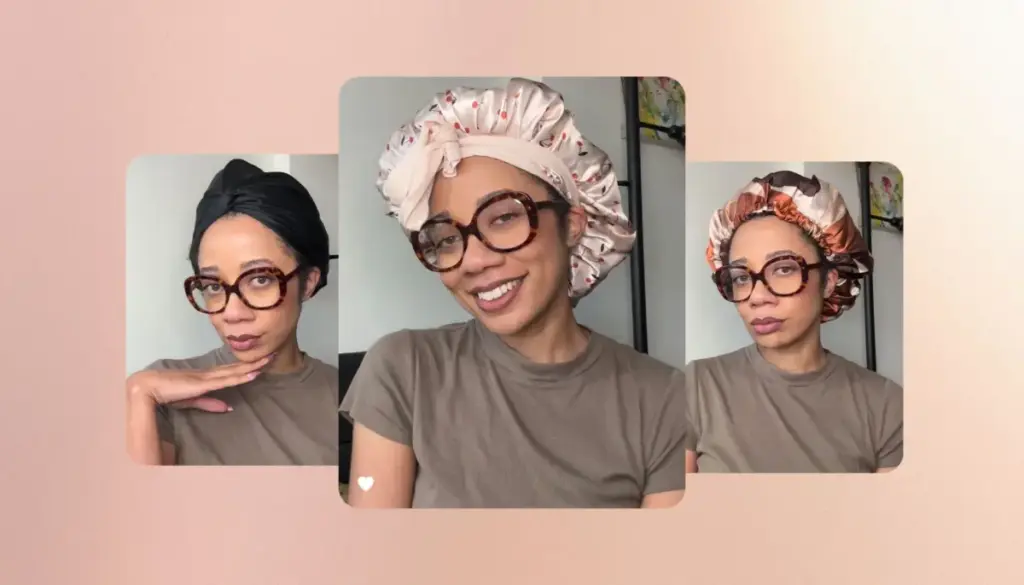
1. Best Turban Style: Slip Pure Silk Turban
- Price: ~$110
- Material: 100% Pure Mulberry Silk
- Standout Features: Chic aesthetic, excellent stretch, moisture retention.
While many standard bonnets resemble oversized chef’s hats, the Slip Pure Silk Turban elevates nighttime wear into high fashion. Delivering strong "grand dame in her apartment" vibes, this turban is functional enough to prevent frizz while looking stylish enough to wear around the house during the day.
Tester Insights:
Glamour contributor Eden Stuart noted, "The silk, paired with my hair care products that lock in moisture, did a tremendous job of keeping frizz at bay. I ended up with what had to be my smoothest twist-out in ages… It never slipped off my head during sleep, either, which I was nervous about considering the lack of adjustability." Fellow contributor Jaime Wilson praised its ease of use via a simple elastic band, though mobile sleepers noted occasional minor nighttime adjustments.
2. Best for Natural Hairstyles: Glow by Daye Satin Bonnet
- Price: ~$20
- Material: High-grade double-lined satin
- Standout Features: Extra-large fit, adjustable drawstring, double-sided silkiness.
Designed explicitly with long, thick, and highly textured hair in mind, the Glow by Daye Satin Bonnet protects against split ends, dryness, and bedhead. Its generous sizing easily accommodates voluminous styles, roller sets, and thick Afros.
.png)
Tester Insights:
Testers highlighted the luxury feel of the double-lined fabric, noting that the interior is just as silky as the exterior print. Despite active tossing and turning, the secure fit ensured the bonnet stayed firmly in place all night without requiring constant readjustment of the built-in drawstring.
3. Best for Wavy Hair: Kitsch Satin Sleep Bonnet
- Price: ~$18
- Material: Double-layered satin with long ties
- Standout Features: Adjustable ribbon ties, roomy interior, vibrant prints.
The Kitsch Satin Sleep Bonnet strikes an ideal balance between roominess and security. Endorsed by cosmetologist and hair educator Stanley Nolan, it features double-layered satin and long adjustable ties that run along the hairline.
Tester Insights:
Testers praised the ribbon feature, which can be tied around the head to help lay edges flat while securing the cap. While the ample interior space is phenomenal for thick curls and protective styles, those with exceptionally short hair or smaller head circumferences may find the overall volume slightly generous.
4. Best for Frizzy Hair: LilySilk Elastic Bonnet
- Price: ~$35
- Material: 100% Mulberry Silk
- Standout Features: All-natural breathable fibers, flat perimeter band, adjustable rear tie.
Crafted from pure mulberry silk, the LilySilk Elastic Bonnet excels at maintaining hair hydration—a critical factor for naturally dry curly and coily hair types.
Tester Insights:
The flat design along the perimeter ensures that the cap does not leave harsh indentation marks on the forehead while actively safeguarding fragile edges. Users across various curl types reported a noticeable reduction in morning frizz and static.
5. Best for Long Hair: The Blissy Cascade Bonnet
- Price: ~$60 – $90
- Material: 100% Mulberry Silk
- Standout Features: Extra-long drape, secure elastic headband, waist-length protection.
For individuals sporting waist-length braids, locs, or extensions, traditional round bonnets often fall short. The Blissy Cascade Bonnet solves this by offering an elongated design that drops to the mid-back.
.png)
Tester Insights:
Hair educator Stanley Nolan recommends this option for lengthy styles, noting that its extra-large sizing guarantees full-length protection. While the elastic headband provides a snug, slip-free fit, some users prefer to wear the cap inside out to maximize interior silk smoothness.
6. Best for Maintaining Edges: Grace Eleyae Adjustable Satin-Lined Cap
- Price: ~$20 – $29
- Material: Jersey exterior with satin interior lining
- Standout Features: Beanie style, hidden rear drawstring, edge protection.
Functioning as a hybrid between a stylish beanie and a protective cap, the Grace Eleyae Adjustable Satin-Lined Cap features a casual jersey exterior and a friction-free satin interior.
Tester Insights:
The discreet rear drawstring allows for personalized tension control, making it ideal for locking in edge treatments overnight. Its streetwear-inspired aesthetic makes it versatile enough to transition seamlessly from sleepwear to running morning errands.
Official Statements & Expert Q&A
To provide deeper journalistic context, beauty industry authorities address common consumer inquiries regarding hair care and skin health.
- Are silk bonnets good for your hair?
"When you sleep, your hair is rubbing against the pillow throughout the night, which can create friction," explains hairstylist Vanessa Ocando. "A silk bonnet minimizes the rubbing and helps you wake up with frizz-free hair." - How often should you wash a silk bonnet?
Hygiene is a critical factor often overlooked by consumers. Hair educator Tukia Allen of the Aveda Arts & Sciences Institutes Atlanta warns: "Product transferred from bonnet to skin could lead to more oiliness of the skin, skin irritations, and pimples." Ocando recommends washing a bonnet twice a week if wearing heavy curly styling products nightly, or once a week for straight styles. - Silk Bonnets vs. Silk Pillowcases: Which is better?
While both reduce friction, experts note distinct advantages. Allen emphasizes that bonnets "provide more focus on keeping hair in place while sleeping," making them superior for style preservation. Conversely, Ocando notes that silk pillowcases offer an effortless alternative for those who find wearing head coverings uncomfortable. - Are silk bonnets suitable for all hair types?
Yes. While historically marketed toward curly and textured hair communities, Gutterman stresses that straight, fine, and wavy hair types equally benefit from reduced cuticle friction and improved skin clarity.
Future Outlook
As the intersection of beauty, wellness, and sleep hygiene continues to expand, the market for high-performance hair accessories is poised for further innovation. We can anticipate advancements in sustainable silk harvesting, antimicrobial fabric treatments designed to combat skin breakouts, and custom-engineered sizing that accommodates hyper-specific head shapes and hairstyles.
Ultimately, investing in a quality silk or satin bonnet is no longer viewed as an archaic chore, but as a foundational pillar of modern self-care—protecting your strands, preserving your styles, and safeguarding your skin for years to come.