Executive Overview
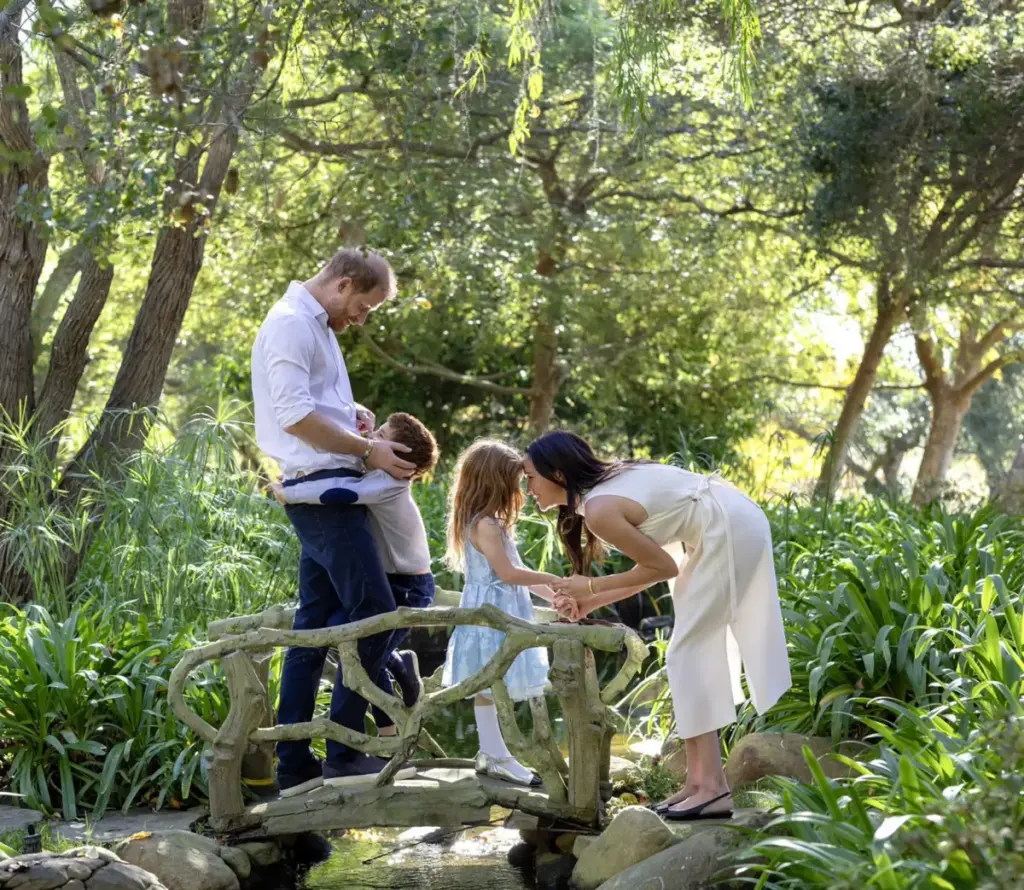
In a surprising development that signals a profound shift in the modern British monarchy’s cross-continental dynamics, Prince Harry and Meghan Markle, the Duke and Duchess of Sussex, are preparing to relocate their family back to the United Kingdom on a full-time basis. Following a discreet and highly scrutinized visit to the U.K. this past July, the couple has decided to establish a primary European residence in Britain. Their children, Prince Archie and Princess Lilibet, are slated to begin school in the U.K. this coming September.
This major lifestyle transition marks a dramatic chapter for the Sussex family, who stepped down as senior working members of the British royal family in early 2020 and subsequently built a private life centered in Montecito, California. According to exclusive reports, the family will maintain a "private, non-royal home base" within the U.K., though the precise location of their new residence and the schools chosen for Archie and Lilibet remain heavily guarded secrets to protect their privacy and security.
Despite their return to British soil, the Duke and Duchess will retain their sprawling estate in Montecito, California, alongside their recently acquired vacation property in Portugal—where the family spent idyllic weeks earlier this summer following their U.K. trip. Sources close to the family emphasize that this move does not represent a return to working royal duties. King Charles III, who was officially informed of the relocation plan on a Sunday in August, is reportedly "naturally pleased" at the prospect of forging closer, regular personal bonds with his grandchildren. At the same time, royal aides have underscored that the boundaries established during the 2020 "Sandringham Summit" remain fully intact: the Sussexes will continue operating as private individuals.
Detailed Chronology: From California Exile to the U.K. Return
To fully understand the gravity of the Sussexes’ decision to return to Great Britain, it is essential to trace the timeline of events that defined their departure, their years abroad, and the gradual thawing of relations that culminated in this summer’s pivotal visit.
2020–2022: The Great Exodus and Infrequent Returns
- January 2020: The Duke and Duchess of Sussex announce their intention to step back as senior working members of the royal family, seeking financial independence and a quieter life away from the intense scrutiny of the British tabloid press.
- March 2020: Following a transitional period, the family relocates first to Canada and subsequently settles in the affluent enclave of Montecito, California.
- July 2022: The entire family—Harry, Meghan, Archie, and Lilibet—make their first collective journey back to the U.K. to celebrate Queen Elizabeth II’s historic Platinum Jubilee. The visit is brief, highly choreographed, and takes place against a backdrop of visible tension between the Sussexes and senior working royals.
2023–2025: Building a Transatlantic Life
- Throughout these years, Prince Harry makes several solo trips back to the U.K. primarily tied to legal challenges regarding his security arrangements, charitable patronages such as WellChild, and the 10th-anniversary celebrations of the Invictus Games.
- Meghan Markle largely remains in California with Prince Archie and Princess Lilibet, while the couple diversifies their property portfolio by purchasing a vacation home in Portugal, offering a European base closer to the U.K. without the immediate intensity of British media scrutiny.
Summer 2026: The Turning Point
- Early July 2026: Prince Harry, Meghan, Archie, and Lilibet travel to the U.K. for a private, low-profile visit. Reports later surface that the family engaged in private meetings with senior royals, signaling a softening of institutional frostiness.
- Mid-Summer 2026: The family transitions to their Portuguese vacation property, where they unwind and evaluate their long-term educational and familial priorities for their growing children.
- Late August 2026: King Charles III is formally informed of the couple’s decision to move their primary family base back to the U.K. Plans are finalized for Prince Archie and Princess Lilibet to begin their new academic terms at a British school in September 2026.
Supporting Context & Metrics: Security, Property, and Public Perception
The logistical, financial, and emotional architecture of the Sussexes’ return involves several intricate moving parts, ranging from international real estate holdings to complex security protocols.
The Global Property Portfolio
With the addition of their new British residence, the Duke and Duchess of Sussex now maintain a tri-continental property strategy designed to balance privacy, international philanthropic commitments, and family ties:
- The Montecito Estate (California, USA): Purchased in June 2020 for approximately $14.6 million, this sprawling estate remains their primary American hub, serving as the headquarters for Archewell Productions and Archewell Foundation.
- The Portuguese Retreat (Alentejo/Costa Azul region): Acquired to maintain an easy European footprint, this property has allowed the children to experience European culture while remaining insulated from persistent U.K. paparazzi.
- The New U.K. Home Base: Described by insiders as a discreet, non-royal residence, this property will serve as the family’s primary base during the British academic year, allowing for seamless integration into local community and educational structures.
The Security Dilemma
Security has long been the thorniest issue in Prince Harry’s relationship with the British establishment. Since losing his automatic, taxpayer-funded Metropolitan Police protection (Ravec status) upon stepping down in 2020, Harry has fought multiple legal battles in the High Court of England and Wales to restore official security details for his family when visiting the U.K.
The decision to return full-time suggests that private security arrangements have been meticulously organized, financed independently, or resolved through ongoing legal and private negotiations. The strict secrecy surrounding their new home address is a direct measure to ensure that Prince Archie and Princess Lilibet can attend school without invasive media interference.
Shifting Public and Media Dynamics
Public perception of the Duke and Duchess in the U.K. remains deeply polarized, yet fatigue over the perpetual royal feud has created space for a more pragmatic acceptance of their return. While tabloid commentary remains hyper-critical, royal analysts note that the passage of time—coupled with King Charles’s ongoing health battles—has humanized the family drama. The sight of young Archie and Lilibet attending a British school introduces a new generation of Windsor descendants back into the domestic sphere, potentially reshaping public discourse from hostility toward cautious reconciliation.
Official Statements and Institutional Reactions
Reactions from the highest levels of the British monarchy have been carefully measured, emphasizing a clear delineation between personal familial affection and official institutional status.
Buckingham Palace and King Charles III
According to exclusive insights published by The Telegraph, King Charles III was formally notified of his son and daughter-in-law’s relocation plans on a Sunday in August. Significantly, the topic was not formally debated or negotiated during the family’s brief U.K. visit in July, indicating that the move is an autonomous family decision rather than an orchestrated royal reconciliation.
Sources close to the monarch indicate that King Charles is "naturally pleased for the opportunity to see more of his family on a regular basis, both in a private and personal capacity." As a grandfather who has expressed profound sorrow over the limited time spent with Archie and Lilibet—who have grown up predominantly on the West Coast of the United States—the King welcomes the physical proximity.
However, Buckingham Palace has been unequivocal on one critical point: The Sussexes’ status as private individuals and non-working royals will not change. The boundary established during the 2020 Sandringham Summit remains absolute. Meghan and Harry will not return to royal patronages, will not represent the Crown at official state engagements, and will not receive public funding for their lifestyle or security.
Kensington Palace: Prince William and Kate Middleton
The response from the Prince and Princess of Wales has been similarly circumspect. Reports indicate that Prince William and Catherine were informed of the Sussexes’ impending move through official channels. While no public statement has been issued by Kensington Palace, royal insiders suggest that relations between the brothers remain distant. The primary focus for William and Catherine continues to be the stability of their own young family and their duties to the crown, leaving any private interactions with Harry and Meghan subject to strict personal boundaries.
Future Outlook: What the Return Means for the House of Windsor
As Prince Harry, Meghan Markle, and their children prepare to unpack their lives in Britain this September, the long-term implications for the House of Windsor are profound, multifaceted, and rich with possibility.
1. The Humanization of the Monarchy
In an era where the British royal family has faced unprecedented health challenges—including the simultaneous cancer diagnoses of both King Charles III and Catherine, Princess of Wales—the institution has arguably never needed a demonstration of familial unity more. While Harry and Meghan will not resume official duties, the mere presence of the King’s grandchildren on British soil offers a softer, more relatable narrative. Regular weekend visits, family dinners away from the cameras, and shared milestones could gradually heal the deep personal fractures that have plagued the family for over half a decade.
2. A New Chapter for Archie and Lilibet
Perhaps the most transformative aspect of this move affects Prince Archie and Princess Lilibet. Growing up primarily in the sun-drenched, celebrity-heavy environment of Montecito, the children have lived largely shielded lives. Enrolling in a British school introduces them directly to the educational traditions, social structures, and cultural rhythms of their father’s homeland. It grants them the unique opportunity to understand both their American heritage and their profound British royal lineage firsthand.
3. The Re-balancing of Transatlantic Philanthropy
With a permanent base re-established in the U.K., the Duke of Sussex will likely find it significantly easier to manage his European-focused endeavors, including the Invictus Games Foundation, ongoing charitable patronages, and his various legal and environmental initiatives. Rather than flying back and forth across the Atlantic for brief, intense bursts of activity, Harry can integrate his philanthropic work into a more sustainable, locally grounded routine.
Conclusion
The decision by Prince Harry and Meghan Markle to bring their family back to the United Kingdom full-time is more than a simple change of address; it is a monumental recalibration of their post-royal existence. By successfully carving out a model that bridges their international endeavors in California and Portugal with a grounded, private family life in Britain, the Sussexes are charting an entirely unprecedented course. Whether this geographical reunion will serve as the catalyst for deeper institutional healing remains to be seen, but for King Charles and his grandchildren, a new and hopeful chapter is undeniably about to begin.