Executive Overview
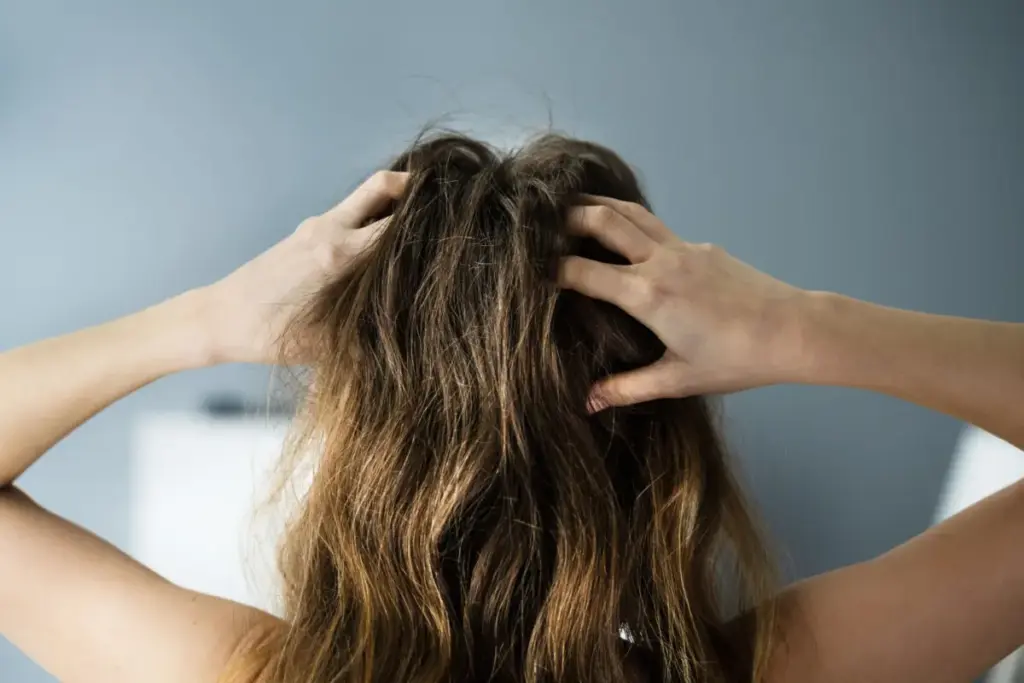
For millions of individuals globally, the daily routine of getting dressed comes with an unwelcome ritual: inspecting shoulders and dark clothing for pesky, persistent white flakes. Dandruff is one of the most common scalp conditions across all demographics, hair types, and ages. Yet, despite its prevalence, it is frequently misunderstood, misdiagnosed, and improperly treated.
Far from being a simple indicator of poor hygiene or minor skin dryness, dandruff is a complex, chronic inflammatory response deeply rooted in the ecosystem of the human scalp microbiome. It involves a delicate interplay between natural skin oils, resident yeasts, and individual immune sensitivities. While there is no permanent "cure" for dandruff—given that it stems from the natural flora of the skin—modern dermatological science offers a robust array of over-the-counter and prescription treatments capable of controlling flare-ups, restoring scalp health, and eliminating visible flaking.
This report synthesizes insights from leading board-certified dermatologists, trichologists, and hair-care specialists to explore the exact mechanisms behind dandruff, how to differentiate it from other scalp disorders, which active ingredients genuinely work, and the common pitfalls to avoid on your journey toward a flake-free scalp.
Detailed Chronology & Scientific Understanding: What is Dandruff?
To effectively combat dandruff, one must first understand what is occurring at a microscopic level on the scalp. Clinically known as seborrheic dermatitis, dandruff is fundamentally an inflammatory response triggered by an imbalance within the scalp microbiome.
The Role of Malassezia
Every human scalp hosts a diverse community of microorganisms, including bacteria and fungi, which make up the normal skin microbiome. Among these is Malassezia, a lipophilic (lipid-loving) yeast that feeds on the sebum—the natural oils secreted by the sebaceous glands—produced by the skin.
Under normal circumstances, Malassezia coexists peacefully with its human host. However, in individuals prone to dandruff, this yeast can undergo an abnormal overgrowth. As Malassezia consumes and breaks down scalp lipids, it leaves behind byproducts, notably oleic acid. For sensitive individuals, penetration of oleic acid into the stratum corneum (the outermost layer of the skin) triggers an immune and inflammatory response. This inflammation accelerates the turnover of skin cells, causing them to shed prematurely in clumps—what we recognize as visible white or yellowish flakes accompanied by persistent itching.
Why Do Flares Happen?
Dandruff is rarely static; it fluctuates based on a variety of internal and environmental factors. Dermatologists point to several key triggers that exacerbate the condition:
- Environmental Shifts: Colder, drier winter months frequently trigger or worsen seborrheic dermatitis flares due to decreased humidity and compromised skin barrier function.
- Stress: Psychological and physiological stress elevates cortisol levels, which can influence sebum production and weaken immune regulation, paving the way for yeast overgrowth and inflammation.
- Genetics and Sebum Production: Areas of the body with the highest concentration of sebaceous glands—such as the scalp, face, ears, and chest—are primary hotspots for seborrheic dermatitis. Individual skin chemistry and genetic predisposition heavily dictate who will develop chronic dandruff and who will not.
Supporting Context & Metrics: Dandruff vs. Dry Scalp and Other Disorders
One of the most pervasive myths in hair care is the assumption that any flaking on the head equates to a dry scalp. In reality, dry scalp and dandruff are distinct physiological conditions requiring fundamentally different approaches.
Dandruff vs. Dry Scalp
- Dandruff (Seborrheic Dermatitis): Driven by fungal overgrowth and inflammation. Flakes are typically thicker, larger, oilier, and may exhibit a yellowish tint. It is often accompanied by itching and redness.
- Dry Scalp: Caused by a lack of moisture, similar to dry skin on the rest of the body. The skin barrier lacks hydration, resulting in smaller, finer, white flakes that fall easily from the hair. It is rarely oily or intensely inflamed.
Treating a true dry scalp with heavy antifungal dandruff shampoos can further strip moisture and exacerbate irritation, while attempting to moisturize an active case of dandruff with heavy oils can inadvertently feed the Malassezia yeast, worsening the condition.
Beyond Dandruff: Psoriasis and Eczema
If over-the-counter remedies fail to yield results, underlying conditions such as scalp psoriasis or atopic dermatitis (eczema) may be at play. These chronic autoimmune and inflammatory disorders cause skin cells to multiply at an extraordinarily rapid rate, forming thick, silvery-white plaques and intensely itchy patches. Because these conditions often require targeted prescription therapies—such as topical corticosteroids or biologic medications—consulting a board-certified dermatologist is crucial for an accurate diagnosis.
Official Statements & Expert Solutions: Ingredients That Fight Dandruff
When addressing seborrheic dermatitis, ordinary cosmetic shampoos fall short because they lack active pharmaceutical agents capable of targeting yeast proliferation and inflammation. Dermatologists recommend looking for specific active ingredients formulated into therapeutic shampoos, rinses, and serums.
1. Antifungal Agents
- Ketoconazole: Widely regarded as a gold standard in antifungal treatment, ketoconazole actively targets the microflora of the scalp, specifically reducing Malassezia populations to quell inflammation and eliminate flaking. Over-the-counter options like Nizoral Anti-Dandruff Shampoo utilize this potent ingredient.
- Zinc Pyrithione: A staple in many balancing and anti-dandruff shampoos (such as Jupiter Balancing Shampoo and CeraVe Anti-Dandruff Hydrating Shampoo), zinc pyrithione possesses both antibacterial and antifungal properties that help regulate the scalp microbiome.
- Selenium Sulfide: Slows down skin cell turnover while reducing yeast counts on the scalp.
2. Exfoliating and Clarifying Acids
- Salicylic Acid: As a beta-hydroxy acid (BHA), salicylic acid acts as a chemical exfoliant. Dermatologists frequently recommend starting with salicylic acid-based formulas (found in products like Sachajuan Anti-Dandruff Scalp Shampoo) to break down and lift away stubborn flakes, crusts, and cellular buildup.
3. Soothing and Hydrating Compounds
- Niacinamide & Hyaluronic Acid: For scalps plagued by both flaking and intense itching, ingredients like niacinamide calm inflammation, while hyaluronic acid restores moisture to the skin barrier without clogging pores.
- Tea Tree Oil: Known for its natural antimicrobial and anti-inflammatory properties, tea tree oil is a frequent star in clarifying scalp serums and treatments, such as the Briogeo Scalp Revival Charcoal + Tea Tree Scalp Treatment.
Practical Treatment Protocols: How to Wash and Maintain
Successfully managing dandruff requires consistency and proper technique.
Frequency of Washing
There is an old misconception that washing hair less often cures scalp conditions. Dermatologists firmly reject this, noting that frequent exposure to active medicinal ingredients accelerates healing.
- Daily or Regular Lathering: Washing daily or every other day with a medicated shampoo is entirely safe and often encouraged during active flare-ups.
- Contact Time: To work effectively, active ingredients must remain in contact with the scalp. Dermatologists advise letting therapeutic shampoos sit on the scalp for 3 to 5 minutes before rinsing.
- Extending Between Washes: For those with color-treated hair or hair types that do not tolerate daily washing, alternatives exist. An apple cider vinegar (ACV) hair rinse—such as the DP Hue Apple Cider Vinegar Hair Rinse—can clarify and detoxify the scalp between washes, while targeted dry scalp treatments (like the Living Proof Scalp Care Dry Scalp Treatment) provide post-wash relief.
What to Avoid
Managing dandruff is as much about what you stop doing as what you start:
- Dry Shampoo Buildup: Heavy use of dry shampoos can accumulate on the scalp, trapping sebum, feeding yeast, and necessitating harsh clarifying shampoos.
- Scratching and Picking: Scratching an itchy scalp damages the delicate skin barrier, worsens inflammation, and creates micro-tears that invite secondary bacterial infections.
- Heavy Oils: While natural remedies are popular, heavy, occlusive oils like coconut oil can be comedogenic. On an oily or seborrheic scalp, coconut oil can feed Malassezia yeast and significantly worsen flare-ups.
- Harsh Chemical Treatments: Frequent bleaching, chemical relaxing, and aggressive styling can compromise the scalp barrier and trigger acute inflammatory episodes.
Future Outlook: Managing a Chronic Condition
The most important takeaway for anyone battling dandruff is a shift in perspective: dandruff is a manageable, chronic condition, not a temporary disease or a personal hygiene failure.
Because Malassezia is a permanent resident of human skin, complete eradication is impossible. However, modern dermatology proves that long-term control is entirely achievable. By establishing a consistent routine utilizing targeted antifungal shampoos, incorporating gentle chemical exfoliants, avoiding common scalp irritants, and seeking professional guidance from a board-certified dermatologist when over-the-counter options fall short, individuals can successfully rebalance their scalp microbiome, eliminate visible flaking, and maintain a healthy, comfortable scalp year-round.