Executive Overview
Nearly two decades after audiences last watched Benjamin Gates race against the clock to uncover hidden historical artifacts, the definitive green light for National Treasure 3 has officially been given. Franchise director Jon Turteltaub broke the long-standing silence during a live recording of the National Treasure Hunt podcast on August 21, delivering the watershed announcement that the long-gestating sequel is "finally real" and actively moving forward with star Nicolas Cage attached.
For fans who have endured eighteen years of development limbo—navigating false starts, shifting studio priorities, and a short-lived television spinoff—this update marks a monumental shift in the franchise’s trajectory. According to Turteltaub, a finalized script has been completed, reviewed, and officially blessed by both Disney executives and legendary producer Jerry Bruckheimer. While Hollywood volatility dictates that no production is entirely immune to disruption until cameras roll, the convergence of key creative personnel signals the strongest momentum the project has ever experienced. This report explores the chronological development of the sequel, the collaborative efforts behind the scenes, the legacy of the franchise, and how this long-awaited blockbuster fits into the broader cinematic landscape.
Detailed Chronology: From Book of Secrets to Development Limbo
The Golden Era of Adventure Cinema (2004–2007)
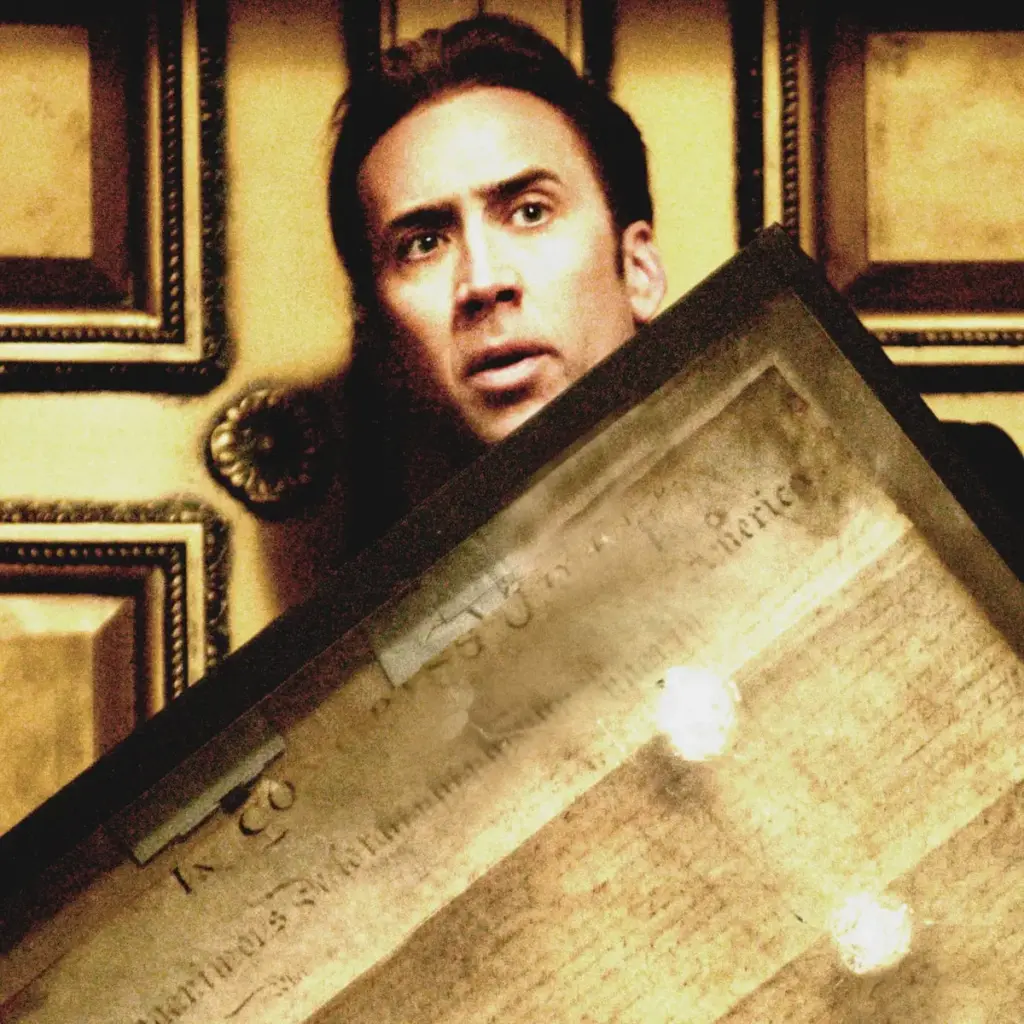
The cultural footprint of the National Treasure franchise was established in December 2004 with the release of the original film directed by Jon Turteltaub and produced by Jerry Bruckheimer. Starring Nicolas Cage as historian, cryptologist, and treasure hunter Benjamin Franklin Gates, the film combined American history with high-stakes puzzle-solving, grossing over $347 million worldwide against a $100 million budget. The formula was an instant success, bolstered by a strong supporting cast featuring Diane Kruger as Dr. Abigail Chase, Justin Bartha as technical expert Riley Poole, Sean Bean as the antagonist Ian Howe, and veteran actors Jon Voight and Harvey Keitel.
Capitalizing on this momentum, Disney fast-tracked a sequel. National Treasure: Book of Secrets hit theaters in December 2007, expanding the fictional lore surrounding the assassination of Abraham Lincoln and introducing the cryptic "Page 47." The sequel performed even better commercially, pulling in nearly $459 million globally. At the height of this success, a third installment seemed inevitable, with producers hinting that production would begin shortly thereafter.
The Eighteen-Year Hiatus
Despite the financial viability of the property, National Treasure 3 became famously trapped in development purgatory. Throughout the 2010s, various drafts of the script were commissioned, written, and quietly shelved. During press tours for other projects, Bruckheimer and Cage periodically offered hopeful updates, citing challenges with cracking the historical puzzle narrative and navigating corporate restructuring at Walt Disney Studios.
As years turned into decades, public interest shifted toward serialized television and streaming platforms. In 2022, Disney attempted to expand the intellectual property with the Disney+ original series National Treasure: Edge of History. Although the series featured nostalgic cameo appearances by franchise mainstays Justin Bartha and Harvey Keitel, it failed to capture the cinematic magic of the original films and was canceled after a single season. However, the show served as a reminder of the enduring demand for Benjamin Gates’s adventures, directly referencing the unresolved plot thread of "Page 47" and keeping the flame alive for a theatrical third film.
Official Statements and Behind-the-Scenes Breakthroughs
Jon Turteltaub’s Live Revelation
The turning point for the franchise arrived unexpectedly during a live recording of the National Treasure Hunt podcast. Addressing an intimate audience of franchise superfans, Turteltaub chose the venue to make the milestone announcement.
"I was thinking about mentioning this tonight, I’ll say it tonight," Turteltaub told the crowd. "It’s happening. You’re the first people I have said this out loud to. It’s finally real."
While the announcement electrified the fanbase, the director maintained a pragmatic, industry-wise perspective regarding the fluid nature of Hollywood productions. He contextualized the milestone by highlighting the inherent fragility of pre-production timelines, injecting his trademark humor into the reality of studio moviemaking:
"Now, it’s ‘Hollywood real,’ meaning things can happen," Turteltaub explained. "Nic gets hit by a bus, there’s no National Treasure. If I get hit by a bus, there’s probably a National Treasure. Welcome to Hollywood, that’s Hollywood."
The Script and Studio Approval
Beyond emotional sentiment, Turteltaub confirmed tangible production milestones. A comprehensive screenplay has not only been finalized but has also successfully passed through corporate checkpoints at Walt Disney Studios. According to the director, studio executives reviewed the material and delivered the critical validation creators look for: they told him it "sounds like a movie we can make."
This endorsement was further reinforced by powerhouse producer Jerry Bruckheimer. Social media updates from the National Treasure Hunt podcast confirmed that Bruckheimer has given the National Treasure 3 screenplay his official blessing, solidifying alignment between the creative visionaries and the studio backing the venture. Bruckheimer’s continued involvement guarantees that the third film will maintain the high-octane spectacle, intricate practical stunts, and historical scope that defined its predecessors.
Supporting Context & Metrics: The Franchise Legacy
To understand why National Treasure 3 is a high-priority asset for Disney, one must examine the box office resilience and enduring cultural footprint of the first two films.
| Metric / Feature | National Treasure (2004) | National Treasure: Book of Secrets (2007) | National Treasure 3 (In Development) |
|---|---|---|---|
| Director | Jon Turteltaub | Jon Turteltaub | Jon Turteltaub (Attached) |
| Lead Star | Nicolas Cage | Nicolas Cage | Nicolas Cage (Confirmed) |
| Producer | Jerry Bruckheimer | Jerry Bruckheimer | Jerry Bruckheimer (Confirmed) |
| Estimated Budget | ~$100 Million | ~$130 Million | TBA |
| Global Box Office | $347.5 Million | $457.8 Million | TBA |
| Rotten Tomatoes Score | 46% (Critics) / 77% (Audience) | 36% (Critics) / 67% (Audience) | TBA |
While critics offered modest reviews for the first two entries, audience reception remained overwhelmingly positive, cementing the films as definitive pop-culture touchstones of the 2000s. The blend of American history, accessible puzzle-crafting, and Nicolas Cage’s eccentric, high-energy performance as Benjamin Gates created a distinct sub-genre of adventure cinema that has rarely been successfully replicated.
Future Outlook: What Lies Ahead for Benjamin Gates?
With a completed script, directorial commitment, studio approval, and Bruckheimer’s backing, National Treasure 3 is positioned to enter its most critical phase: physical pre-production, scheduling alignment, and casting.
Key Questions Facing Production:
- The Core Ensemble: Will original cast members Diane Kruger (Abigail Chase) and Justin Bartha (Riley Poole) return alongside Nicolas Cage? Given the ensemble nature of the first two films and the lingering unresolved dynamics of the Gates-Chase relationship, their involvement will be paramount to satisfying long-time fans.
- The Historical Mystery: What artifact or historical conspiracy will the narrative tackle next? With "Page 47" heavily teased at the conclusion of Book of Secrets, fans anticipate an exploration of deeply buried American or international secrets that dwarf the Templar and Cibola treasures.
- Release Timeline: Given Hollywood production cycles, principal photography could potentially commence within the next year or two, pointing toward a tentative theatrical release window in the late 2020s.
As the industry watches closely, the return of Benjamin Gates represents a rare triumph of nostalgic perseverance over corporate hesitation. For an entire generation raised on historical heists, hidden maps, and Declaration of Independence thefts, the hunt is officially back on.