Executive Overview
Over the past few years, testosterone has undergone one of the most remarkable cultural and medical rebrands in modern history. Once pigeonholed exclusively as an illicit bodybuilding steroid or a fringe performance-enhancing drug, the primary male sex hormone is now increasingly viewed through the lens of longevity, vitality, and proactive health optimization.
Recent data underscores this dramatic shift in public perception. A comprehensive Men’s Health survey of nearly 2,200 American men revealed that 40 percent of respondents now consider their testosterone levels to be significantly more important to them than they were just a year prior. Furthermore, nearly a quarter of surveyed men reported personally knowing someone currently undergoing Testosterone Replacement Therapy (TRT).

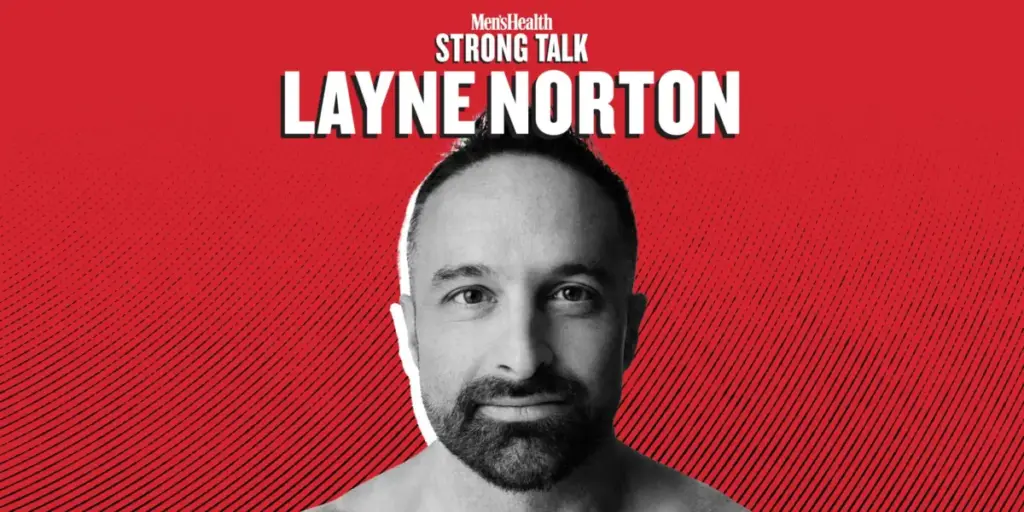
How did a compound historically shrouded in gym-locker-room taboo and media sensationalism enter the mainstream medical and cultural conversation? This question was recently dissected by Men’s Health editors and fitness authorities Ebenezer Samuel, CSCS, and Pat Davidson, PhD, alongside special guest Layne Norton, PhD, on an episode of the Strong Talk podcast.
This article explores the evolution of testosterone in the public consciousness, the economic and digital forces driving its accessibility, the blurring lines between replacement therapy and performance enhancement, and what this widespread cultural pivot means for the future of men’s health.

Detailed Chronology: From Taboo to Transparency
To understand where testosterone stands today, it is essential to trace how the hormone has been perceived over the last quarter-century. The trajectory from clandestine muscle-building aid to mainstream longevity protocol highlights changing attitudes toward aging, wellness, and biohacking.
The Turn of the Millennium: The Era of Fear and Taboo (2000s)
At the turn of the 21st century, testosterone was rarely discussed in polite or clinical society outside of severe medical diagnoses like hypogonadism. In mainstream media, it was overwhelmingly associated with deviance, aggression, and the dark side of athletics.

Fitness expert and researcher Layne Norton, PhD, during his appearance on Strong Talk, recalled a defining cultural touchstone from that era: a watershed April 2000 TIME magazine cover. The issue featured an angry, shirtless man, stark warning labels regarding the dangers of hormone usage, and a provocative headline questioning whether the risks of taking testosterone and related compounds were truly worth it.
This framing cemented testosterone in the public psyche as dangerous, reckless, and morally ambiguous. It was viewed as a chemical shortcut—a cheat code for the weight room that carried severe health liabilities, ranging from cardiovascular strain to psychological instability.

The Mid-2010s: The Gym-Floor Stigma and Generational Resistance
Even as bodybuilding culture grew more visible through early digital fitness forums and social media, the stigma surrounding exogenous testosterone persisted. For many men, even those experiencing legitimate age-related declines in vitality, taking testosterone felt like an admission of failure.
Ebenezer Samuel shared a personal anecdote illustrating this deeply ingrained resistance, pointing to his 82-year-old father. For decades, Samuel’s father had internalized the cultural narrative that testosterone supplementation was essentially "cheating at life."

"There came a time when it became beneficial to get him on testosterone," Samuel noted during the podcast. "It was a little bit of a push-pull because he viewed it as cheating in life."
This sentiment was common across an entire generation of men who viewed aging as something to be passively endured rather than actively managed or medicated.

The Late 2010s to 2020s: The Digital Health Boom and Normalization
Fast-forward to the present day, and the landscape has completely transformed. Testosterone is no longer relegated to hushed conversations in gym corners. It is openly debated across social media platforms like TikTok and YouTube, analyzed on health and longevity podcasts, and discussed at the highest levels of governance and corporate wellness.
Several catalysts drove this normalization:

- The Telehealth Revolution: The rise of direct-to-consumer online wellness and telehealth clinics streamlined the process of getting hormone panels done and securing prescriptions.
- The Longevity Movement: Driven by prominent figures in the health space, society shifted its focus from mere lifespan (how long we live) to healthspan (how long we remain vital and disease-free). Testosterone was rebranded from a muscle-building vanity tool into a foundational pillar of metabolic health, cognitive function, and graceful aging.
- Cultural Desensitization: As public figures, athletes, and influencers openly shared their TRT journeys, the shame associated with low testosterone began to evaporate.
Supporting Context & Metrics: The State of American Testosterone
The cultural rebrand of testosterone is backed by substantial economic growth, changing demographics, and evolving medical attitudes.
Market Projections and Economic Growth
The global Testosterone Replacement Therapy market is experiencing unprecedented expansion. According to industry analyses, the global TRT market—valued at approximately $2.03 billion in 2024—is projected to climb steadily, reaching an estimated $2.7 billion by 2033. This consistent upward trajectory reflects a booming consumer base willing to invest out-of-pocket in hormone optimization clinics, specialized blood panels, and ongoing therapies.

The Men’s Health Survey Insights
The shifting attitudes captured by recent polling data reveal a demographic that is increasingly anxious about hormonal decline and proactive about interventions:
- Heightened Awareness: 40 percent of American men surveyed by Men’s Health stated that maintaining or monitoring their testosterone levels is more important to them today than it was 12 months ago.
- Social Proximity: Nearly 25 percent of respondents reported personally knowing a friend, family member, or colleague currently undergoing TRT. This high degree of proximity normalizes the therapy, transforming it from a clinical secret into a common topic of watercooler conversation.
The Biological Reality vs. Cultural Hype
Despite the growing popularity of testosterone, Samuel, Davidson, and Norton emphasized that the public discourse has simultaneously grown more confusing. As accessibility increases, so does misinformation.

Clinically, testosterone replacement therapy is designed for men suffering from true pathological hypogonadism—a medical condition where the testes fail to produce adequate amounts of testosterone, leading to fatigue, muscle wasting, mood disturbances, and sexual dysfunction. However, the modern longevity movement often blurs the line between restoring baseline physiological health and chasing supra-physiological performance enhancements.
This distinction is critical. While bringing a deficient hormone profile back up to a healthy, youthful baseline can yield profound improvements in quality of life, using testosterone indiscriminately to chase superhuman vitality or aesthetic perfection carries legitimate physiological risks, including altered lipid profiles, erythrocytosis (thickening of the blood), and suppression of natural endogenous hormone production.

Official Statements and Institutional Perspectives
As testosterone steps out of the shadows and into the mainstream, its cultural footprint has expanded into institutional and governmental spheres, sparking intense debate regarding its boundaries, ethics, and applications.
Government and Military Interest
The mainstreaming of testosterone has officially reached the corridors of power. Most notably, political and military figures—such as U.S. Secretary of Defense Pete Hegseth—have raised discussions regarding the evaluation of testosterone levels among active military personnel.

While proponents argue that monitoring and optimizing hormone levels in high-stress, high-performance environments like the military could enhance operational readiness, physical resilience, and overall well-being, critics point to the logistical, ethical, and medical complexities of large-scale hormonal screening and intervention within state institutions.
The Ethical Debate in Professional Sports
The panel on Strong Talk also tackled the ongoing ethical minefield surrounding testosterone usage in professional athletics. The conversation highlighted the persistent tension between:

- Therapeutic Use (TRT): Utilizing controlled doses of testosterone under medical supervision to treat diagnosed clinical deficiencies in aging or injured athletes.
- Performance Enhancement: Leveraging exogenous hormones to surpass natural human limits, recover faster than biologically possible, and gain an unfair competitive edge.
As anti-doping agencies grapple with evolving science, synthetic hormone detection, and therapeutic use exemptions (TUEs), the line between legitimate medical care and athletic cheating remains heavily contested.
Future Outlook: Navigating the New Era of Men’s Health
The cultural evolution of testosterone from a stigmatized bodybuilding taboo to a cornerstone of the longevity conversation represents a major paradigm shift. Men are increasingly empowered to take control of their health, question conventional narratives around aging, and seek out interventions that improve their daily quality of life.

However, this newfound accessibility demands a higher standard of discernment. Navigating the modern landscape of hormone health requires distinguishing between evidence-based medical therapy and predatory wellness marketing. As the global TRT market marches toward multi-billion-dollar valuations, the onus is on healthcare providers, fitness educators, and consumers alike to prioritize safety, accurate diagnostics, and holistic well-being over quick fixes.
Ultimately, the T-revolution is here to stay. Whether it leads to a healthier, more vital population will depend entirely on how responsibly society navigates the science behind the hormone.

To dive deeper into this topic and watch the full discussion, check out the complete episode of Strong Talk on the Men’s Health website, and explore our comprehensive investigative report on the state of American testosterone.